
menu

Whole Home Repiping in Salt Lake City – Complete House Replumbing Without the Guesswork

Crestline Plumbing Salt Lake City replaces aging galvanized and polybutylene pipe systems with modern copper or PEX, eliminating the corrosion and pressure loss that plague older homes across the Wasatch Front.

Slider Image 1
Slider Image 2
Slider Image 3
Slider Image 4
Slider Image 5
Slider Image 7
Slider Image 8
Slider Image 9
Slider Image 10
Slider Image 11

Why Salt Lake City Homes Face Accelerated Pipe Failure

Salt Lake City sits on the eastern edge of the Great Basin, where mineral-heavy water and freeze-thaw cycles attack your home's plumbing from two directions. The municipal water supply here carries dissolved minerals that coat pipe interiors and accelerate corrosion in galvanized steel lines. When winter temperatures drop below freezing, residual moisture in poorly insulated sections of pipe expands, creating microfractures that compound over years.

Homes built between 1950 and 1990 in neighborhoods like Sugar House and Federal Heights often contain galvanized steel pipes that were never designed for the alkaline water chemistry common to the valley. You notice the symptoms first as discolored water, reduced flow at fixtures, or recurring pinhole leaks in walls. By the time you see rust stains or experience multiple slab leaks, corrosion has already compromised significant sections of your supply lines.

Whole house repiping addresses the root cause instead of chasing individual failures. A full home repiping removes all deteriorated supply lines and replaces them with corrosion-resistant materials rated for local water chemistry. This eliminates the cycle of emergency repairs and restores consistent water pressure throughout your home. House repiping is not a luxury upgrade. For homes with galvanized or polybutylene systems, replumbing a house is the only permanent solution that stops the cascade of failures before they cause structural water damage or mold growth behind your walls.

Why Salt Lake City Homes Face Accelerated Pipe Failure
How Complete House Replumbing Protects Your Property Value

How Complete House Replumbing Protects Your Property Value

Whole house pipe replacement involves surgical removal of failing supply lines and installation of a modern distribution system tailored to your home's layout and usage patterns. Crestline Plumbing Salt Lake City conducts a pressure test and water quality analysis before recommending materials. For homes with hard water above 180 ppm, we often specify Type L copper with soldered joints for durability. In homes with pH levels above 8.5, cross-linked polyethylene (PEX) provides better resistance to alkaline attack and allows for faster installation with fewer wall penetrations.

The process begins with isolation of your main water supply and systematic removal of old pipe runs from the water heater to each fixture group. We install new manifold systems that reduce the number of joints and potential leak points compared to traditional trunk-and-branch layouts. Each supply line receives individual shutoff valves, allowing you to isolate sections for future maintenance without cutting water to the entire house. All penetrations through framing receive fire-stop sealant and proper escutcheon plates to maintain your home's fire rating.

We route new lines through existing chases wherever possible to minimize drywall removal. When wall access is necessary, we cut precise sections, complete the rough-in, pressure test to 150 psi for 24 hours, then arrange for drywall repair and texture matching. This staged approach keeps disruption focused on one zone at a time. You maintain access to at least one bathroom and the kitchen throughout the project. The entire replumbing process for a typical 2,000-square-foot home takes four to six days from rough-in to final inspection.

What Happens During Your Home Repiping Project

Whole Home Repiping in Salt Lake City – Complete House Replumbing Without the Guesswork
01

System Evaluation and Material Selection

We map your existing plumbing layout, test static and dynamic pressure, and analyze water chemistry at your main supply. This data determines whether copper or PEX best suits your water quality and budget. We identify fixture locations, calculate demand load, and design a manifold system that delivers consistent pressure to all endpoints. You receive a detailed scope of work that specifies material grades, joint methods, and access points before any demolition begins.
02

Demolition and Rough-In Installation

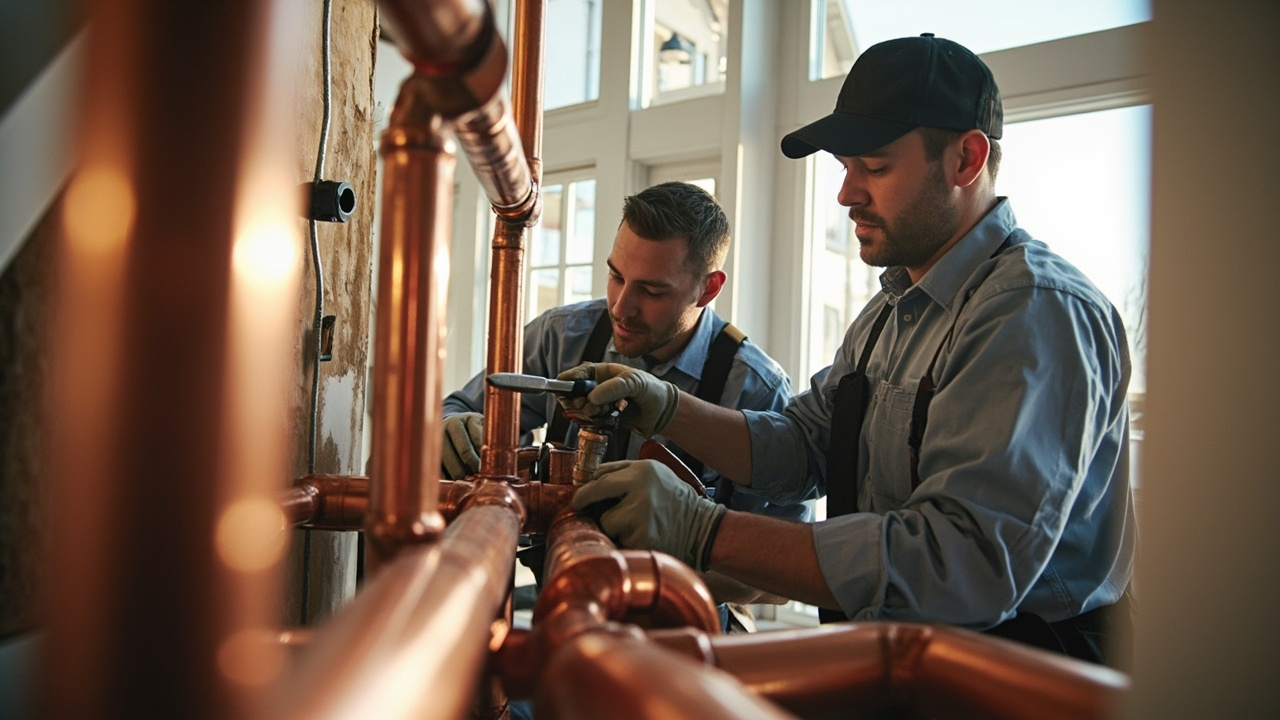
After isolating your water main, we remove deteriorated supply lines and install new distribution manifolds near your water heater and main shutoff. Each branch line runs through existing chases or new penetrations cut to exact specifications. We secure pipes with code-compliant hangers, maintain proper slope for drainage, and install expansion loops on long copper runs. All connections use approved fittings and soldering techniques. The rough-in is pressure tested at 150 psi for 24 hours to verify zero leaks before walls close.
03

Testing, Inspection, and Restoration

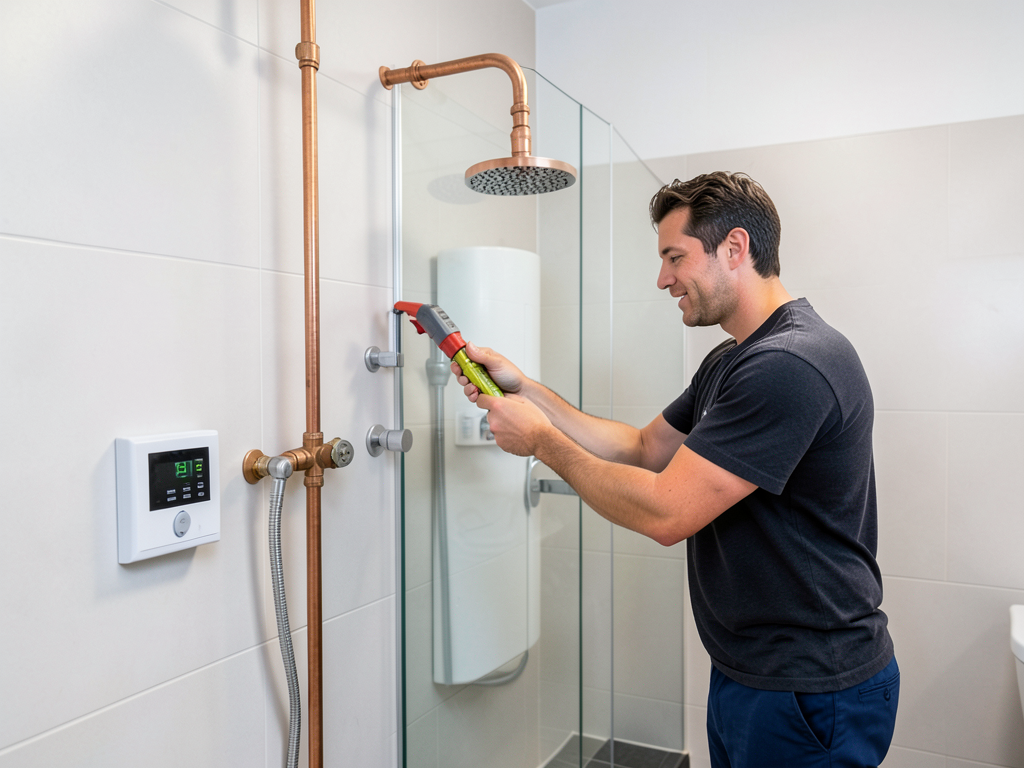
Once rough-in passes inspection, we coordinate drywall contractors to patch access points and match existing textures. After wall restoration, we install new fixture connections and angle stops, then conduct a final flow test at each outlet. We flush the system to remove installation debris, check for proper hot and cold separation, and verify all shutoff valves operate smoothly. You receive documentation of materials used, pressure test results, and a reference map showing your new pipe routing.

Why Local Expertise Matters for Wasatch Front Repiping Projects

Salt Lake City enforces the International Plumbing Code with local amendments that specify seismic bracing, freeze protection depths, and backflow prevention requirements stricter than baseline IPC standards. Homes in the Avenues require additional earthquake restraints on water heaters and supply manifolds. Properties near the Wasatch Fault zone need flexible connectors at appliance connections to accommodate ground movement. A plumber unfamiliar with these local codes will fail inspection and delay your project.

Crestline Plumbing Salt Lake City maintains active relationships with city inspectors and understands the specific documentation they require at rough-in and final stages. We know which inspectors prioritize hanger spacing, which focus on expansion compensation, and how to schedule inspections that align with your general contractor's timeline. This local knowledge eliminates the rework and delays that plague out-of-area contractors learning our jurisdiction's quirks on your dime.

Our familiarity with Salt Lake City's housing stock also informs material selection. We know that homes in the Yalecrest and Harvard-Yale neighborhoods often have cast iron drain stacks that remain serviceable even when supply lines fail. We can tie new copper or PEX supplies into these existing drains without the expense of replacing functional waste systems. In contrast, mid-century ramblers in Holladay frequently have polybutylene drains that should be replaced during the same mobilization to avoid a second round of wall demolition in five years.

This geographic focus means we stock the exact materials your home needs and maintain relationships with local suppliers who deliver same-day when we encounter unexpected conditions. You get faster project completion and access to materials that generic plumbers special-order at markup.

What to Expect from Your Whole House Repipe

Project Timeline and Disruption Management

A typical single-story home requires four to five days for complete repiping. Two-story homes with complex fixture layouts extend to six or seven days. We work in phases that maintain access to essential fixtures. Day one focuses on main supply isolation and manifold installation. Days two through four cover branch line installation by zone. You retain use of at least one bathroom and kitchen sink throughout. We schedule inspections for day four or five, allowing immediate wall closure once rough-in approval is received. Final fixture connections and testing occur on the last day. We coordinate with drywall contractors to begin patching the same week, minimizing the window where your walls remain open.

Initial Assessment and Scope Confirmation

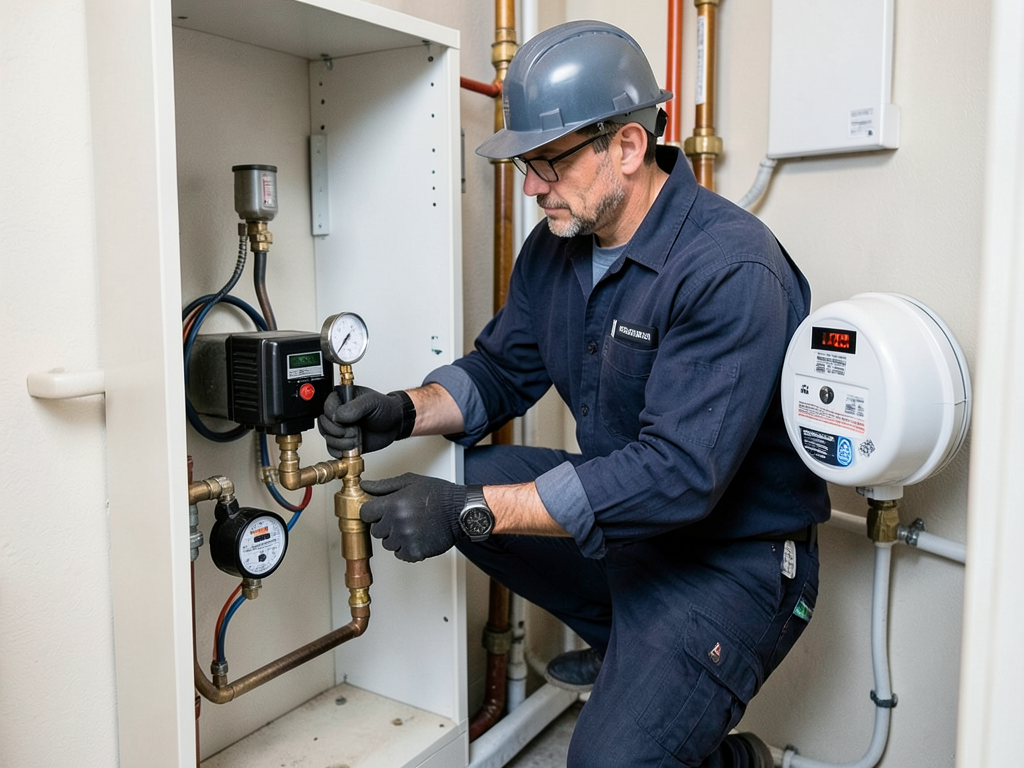
We begin with a walkthrough that identifies every fixture, evaluates water heater capacity, and locates your main shutoff and pressure regulator. We test static pressure at hose bibbs and measure flow rates at fixtures to establish baseline performance. A water sample goes to our lab for hardness, pH, and mineral content analysis. This data determines whether copper or PEX better suits your water chemistry. We photograph existing pipe conditions in accessible areas like crawlspaces and mechanical rooms. You receive a written proposal that specifies materials, labor phases, inspection requirements, and coordination with other trades. The assessment takes 60 to 90 minutes and provides the information needed for accurate pricing without surprises.

Quality of the Finished Installation

Your new plumbing system will deliver consistent pressure at all fixtures, eliminate discolored water, and end the cycle of emergency leak repairs. Copper installations feature sweat-soldered joints with lead-free solder and properly sized branch lines that prevent pressure drop when multiple fixtures run simultaneously. PEX systems use color-coded lines for hot and cold identification, with crimped or expansion fittings rated for continuous duty at 180 degrees. All horizontal runs maintain quarter-inch-per-foot slope for proper drainage. Vertical risers receive seismic bracing per local code. You gain individual shutoff valves at each fixture group, allowing future repairs without building-wide water interruption. The system is flushed, tested, and documented before final sign-off.

Warranty Coverage and Maintenance Guidance

All labor and materials carry protection against defects in workmanship and installation errors. Copper pipe and fittings carry manufacturer defect coverage that extends for the life of the material. PEX systems include similar material warranties from the manufacturer. We provide a reference drawing that maps your new pipe routing, identifies manifold locations, and labels shutoff valves for each zone. This documentation proves invaluable for future renovation projects or when other contractors need to locate supply lines. We recommend annual inspection of your pressure regulator and hose bibb drains to maintain system longevity. If you experience any issues with flow, pressure, or leaks, we return to diagnose and resolve the problem.

Frequently Asked Questions

You Have Questions,
We Have Answers

How much does it cost to repipe a whole house? +

Whole home repiping costs in Salt Lake City vary based on home size, pipe material, and access difficulty. A typical single-story home ranges from lower to mid-tier pricing, while multi-story homes with complex layouts cost more. Factors include the number of bathrooms, whether you choose copper or PEX piping, and if you have a basement or crawl space. Older homes in neighborhoods like Sugarhouse or the Avenues may require additional work if walls or floors need opening. Get a detailed inspection first. Most repipes take three to five days. Pricing includes materials, labor, permits, and wall patching. Request itemized quotes from multiple licensed plumbers.

How much does it cost to replace plumbing in an entire house? +

Replacing all plumbing in a Salt Lake City home depends on square footage, pipe type, and your home's age. Single-story ranch homes with accessible crawl spaces cost less than two-story homes with finished basements. Copper piping costs more upfront than PEX, but both handle Utah's freeze-thaw cycles well. Homes built before 1970 often have galvanized steel pipes prone to corrosion from our hard water. Expect the project to take three to seven days. Cost factors include fixture count, water heater relocation, and whether your home sits on a slab or has a basement. Always verify your plumber pulls proper permits.

Is it worth it to repipe your house? +

Yes, if you have galvanized pipes, frequent leaks, or discolored water. Salt Lake City's hard water accelerates corrosion in older pipes, leading to low pressure and rust buildup. Repiping eliminates constant repair costs, improves water quality, and prevents flooding damage. It also increases resale value, especially for homes in Historic Districts where buyers scrutinize infrastructure. If your home was built before 1980 and still has original plumbing, repiping is a smart investment. You gain peace of mind, better water flow, and avoid emergency failures during winter when frozen pipes burst. Plan ahead rather than react to disaster.

How much for a full replumb? +

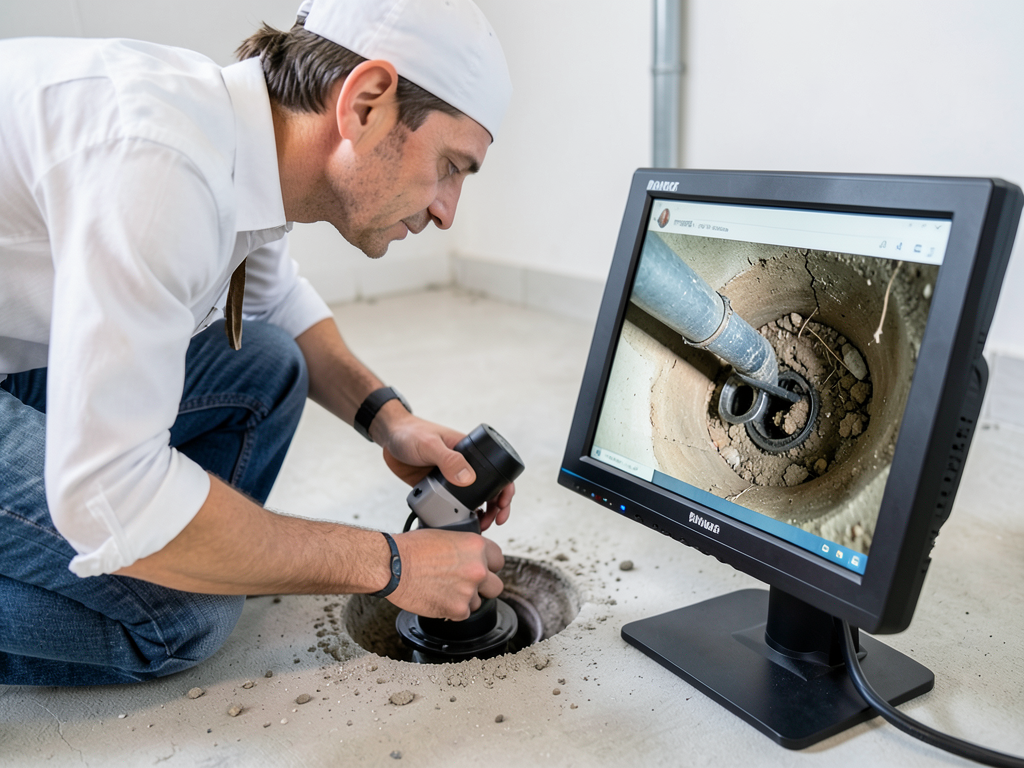
A full replumb in Salt Lake City depends on home size, pipe material, and complexity. Smaller homes with straightforward layouts cost less than multi-level homes with multiple bathrooms. PEX piping is faster to install and handles our temperature swings well, while copper offers durability. Homes with finished basements require more labor to access plumbing routes. Budget for permits, wall repairs, and potential drywall patching. The job takes three to six days depending on scope. Older homes near Liberty Park or Capitol Hill may need additional work if outdated fixtures or non-code connections exist. Get a camera inspection before starting to identify hidden issues.

Does repiping lower insurance? +

Sometimes. Replacing old galvanized or polybutylene pipes with modern copper or PEX can reduce risk, which some insurers reward with lower premiums. Contact your insurance agent before repiping to ask if they offer discounts for updated plumbing. Document the work with permits, photos, and receipts. Salt Lake City homes built before 1980 often face higher premiums due to older infrastructure. While repiping alone may not drastically cut costs, it prevents claims from burst pipes or water damage. Fewer claims improve your history, which helps long-term. Combine repiping with other updates like water heater replacement for maximum benefit.

What is the most expensive plumbing job? +

Whole home repiping ranks among the most expensive plumbing jobs due to scope, labor, and materials. It requires opening walls, running new lines to every fixture, and restoring surfaces. Other costly jobs include sewer line replacement, especially if you need trenchless methods or street excavation. In Salt Lake City, homes with deep frost lines or clay soil shifting face higher costs for exterior work. Foundation leak repairs and sump pump installations also run high. Repiping costs more than isolated repairs but solves systemic problems. Avoid contractors who lowball quotes, then add surprise charges. Detailed estimates prevent budget shock.

What is the cheapest way to repipe a house? +

The cheapest way to repipe uses PEX piping in a home with accessible crawl spaces or unfinished basements. PEX costs less than copper, installs faster, and resists freezing better in Utah's winters. Limit fixture upgrades and handle your own wall patching if you have skills. Schedule work during off-peak months when plumbers offer better rates. Avoid homes with finished basements or complex layouts that require extensive drywall removal. Get multiple bids and verify each includes permits. Cutting corners on unlicensed labor or skipping permits creates code violations and future headaches. Cheap upfront often means expensive later. Balance cost with quality work.

Does homeowners insurance cover pipe replacement? +

Rarely. Standard homeowners insurance covers sudden, accidental damage like burst pipes, but not wear and tear or gradual deterioration. If your galvanized pipes corrode over years, insurance will not pay for replacement. However, if a pipe bursts and floods your home, insurance may cover water damage and repairs, but not the pipe itself. Review your policy or call your agent for specifics. Salt Lake City's freeze-thaw cycles cause sudden failures, which may qualify. Document maintenance and inspections to prove you maintained your system. Neglect voids coverage. Repiping is a maintenance expense you plan for, not an insurable event.

How much does it cost to plumb a 2000 square foot house? +

Plumbing a 2,000-square-foot home in Salt Lake City depends on whether it is new construction or a repipe. New builds with open framing cost less than retrofitting an existing home. Expect costs to reflect the number of bathrooms, fixture quality, and pipe material. Homes on slabs require more labor than those with basements. PEX piping lowers material costs compared to copper. Salt Lake City requires permits and inspections, adding to the timeline. Two-story layouts cost more than single-story ranch homes due to vertical runs. Factor in water heater installation, gas lines, and drain connections. Always hire licensed plumbers who understand local codes.

What is the 30% rule for renovations? +

The 30% rule suggests you should not spend more than 30% of your home's value on a single renovation to maintain positive return on investment. For repiping, this rarely applies since it is infrastructure maintenance, not a cosmetic upgrade. If your Salt Lake City home is worth $500,000, spending $15,000 to $25,000 on repiping makes financial sense even though it exceeds 5%. Repiping prevents catastrophic damage, improves function, and is often required for older homes. Focus on necessity, not arbitrary percentages. Buyers value updated plumbing in neighborhoods like Sugar House or The Avenues. Invest in what protects your asset long-term.

How Wasatch Front Mineral Content Accelerates Pipe Corrosion in Salt Lake City Homes

Salt Lake City's municipal water originates in the Wasatch Mountains, flowing through limestone and granite before reaching valley treatment plants. This geology imparts dissolved calcium and magnesium that register between 150 and 250 parts per million hardness. When this mineral-rich water contacts galvanized steel pipe, electrochemical reactions form zinc carbonate scale that narrows the interior diameter and creates turbulence. The same alkaline chemistry etches copper pipes that lack proper flux application during installation. Homes built before 1985 almost universally suffer from these interactions. Whole house repiping with properly selected materials stops the degradation and restores the flow characteristics your fixtures were designed to receive.

Salt Lake City requires licensed journeyman plumbers to pull permits for whole house pipe replacement, and inspections occur at rough-in and final stages. Crestline Plumbing Salt Lake City maintains active contractor licenses with the city and state, carries general liability coverage that meets local bonding requirements, and employs plumbers who trained on the specific code amendments that apply in Salt Lake County. We schedule inspections that align with your project timeline and provide the documentation inspectors expect. This local presence means we understand which building officials prioritize seismic bracing, how to route supplies through historic homes without damaging original finishes, and where to source materials that meet both code and performance standards for valley water chemistry.
Plumbing Services in The Salt Lake City Area

We are proud to be a locally owned and operated business, dedicated to serving the entire Salt Lake City area and surrounding communities. Use the map below to pinpoint our location or to better understand our full service coverage across the region. If you need immediate assistance or would like to confirm that your home or business is within our guaranteed service area, please call our office directly—our warm, professional team is always ready to dispatch an expert to your location quickly.

Address:
Crestline Plumbing Salt Lake City, 222 S Main St, Salt Lake City, UT, 84101

Additional Services We Offer

Our news updates

Latest Articles & News from The Blogs

Planning a Mudroom Dog Wash Station for Your New Draper Home Installing a dog wash station in your new Draper…

Planning a Mudroom Dog Wash Station for Your New Draper Home

Planning a Mudroom Dog Wash Station for Your New Draper Home Installing a dog wash station in your new Draper…

How to Check if Your Central City Home Still Has Lead Water Service Lines

How to Check if Your Central City Home Still Has Lead Water Service Lines If your Central City home was…

Why Your Guest Bathroom Smells Like Sewage Even When It Is Clean

Why Your Guest Bathroom Smells Like Sewage Even When It Is Clean Walking into your guest bathroom and smelling sewage…

Contact Us

Call (385) 406-8899 to schedule an assessment. We evaluate your existing system, test water quality, and provide a detailed proposal within 48 hours. Stop chasing leaks and start with a permanent solution.