
What to Do if Your Yard Is Saturated but It Hasn’t Rained
Finding a soggy patch in your yard when the weather has been dry for days is more than just annoying. It often signals a hidden plumbing failure that can waste thousands of gallons of water and damage your property. In Salt Lake City’s clay-heavy soil, even a small underground leak can create a swamp-like area that refuses to dry out. The first step is confirming whether the water is coming from your plumbing system or from another source. Salt Lake City Public Utilities.
Start with a simple water meter test. Turn off every faucet, appliance, and irrigation zone in your home. Go to your water meter and watch the flow indicator. If the small dial or digital counter keeps moving, you have a continuous leak somewhere in your main line. If it stops, the problem may be isolated to a single fixture or zone. This test takes less than five minutes but can save you from digging in the wrong spot. Best Water Softener Installation Services in Salt Lake City to Fight Hard Water.
Once you confirm a leak, the next step is narrowing down the source. A saturated area near the street could mean a cracked main water line, especially in older East Bench neighborhoods where cast iron pipes are common. If the spot is closer to your home and smells like sewage, the issue is likely a broken sewer lateral. Utah’s freeze-thaw cycles can cause pipes to shift in the expansive clay soil, creating cracks that leak slowly but steadily. In areas like Sugar House or Liberty Wells, where homes are older, tree roots can also invade pipes and cause blockages that force water to the surface. Water Main Leak Detection and Repair in Holladay.
Look for visual clues. If the grass over the wet area is unusually green and lush compared to the surrounding lawn, that’s a strong sign of a water line leak. If you see standing water that bubbles when you step near it, you may have a pressurized line break. Sewage leaks often have a distinct odor and may attract flies or create visible mold growth on nearby surfaces. These signs can help you describe the problem accurately when you call a plumber. Water Stains on Ceiling or Walls.
Water from a broken line can undermine your foundation, erode soil around footings, and create sinkholes. In Salt Lake City, where homes often sit on slopes or near the base of the Wasatch Front, this can lead to serious structural issues. The Utah State Construction and Fire Codes require that all underground plumbing be installed with proper bedding and backfill to prevent settling, but age and environmental stress can still cause failures. If you suspect a leak, avoid driving or walking over the saturated area to prevent collapse. Reliable Plumbing Repair for Historic Homes in The Avenues.
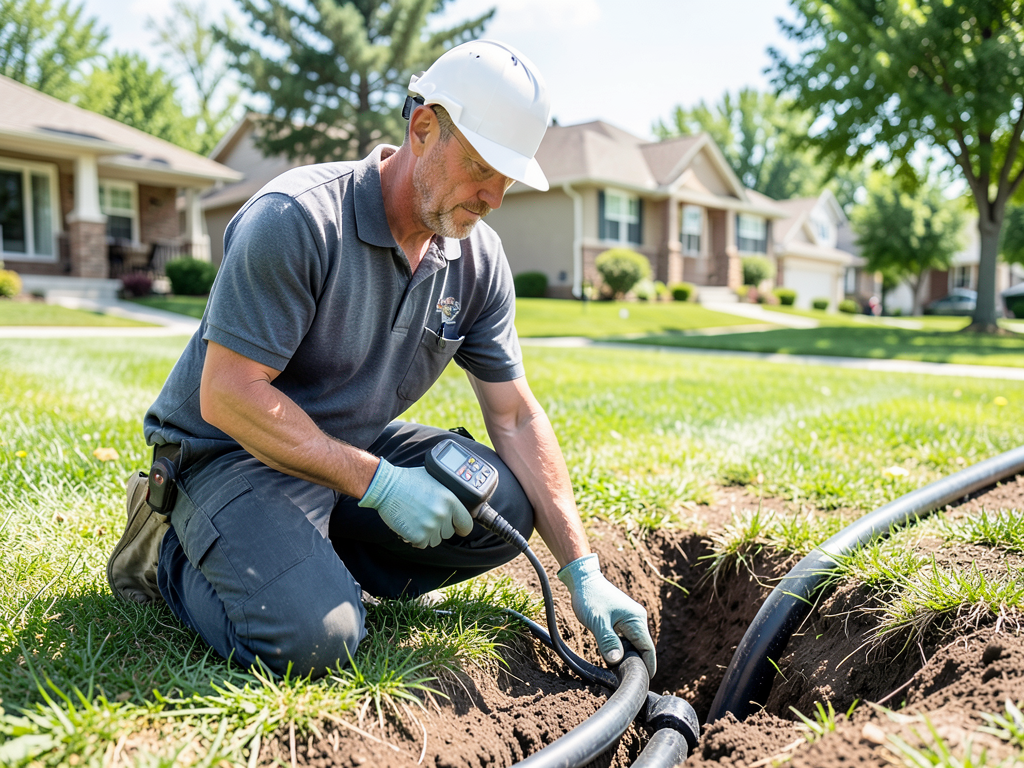
Professional leak detection uses acoustic sensors to listen for the sound of water escaping underground. Thermal imaging can spot temperature differences caused by leaking cold or hot water lines. Some plumbers also use tracer gas, which is pumped into the line and escapes at the leak point, making it easy to pinpoint the exact location without excavation. These tools can save you from unnecessary digging and reduce repair costs. EPA WaterSense.
Repair methods vary depending on the location and severity of the leak. Trenchless pipe lining can seal small cracks from the inside without digging up your yard. For larger breaks, traditional excavation may be necessary, but modern techniques often limit the dig to a small access point. In Salt Lake City, where water conservation is a priority, fixing a leak quickly can prevent hundreds of dollars in wasted water and avoid potential fines from the Salt Lake City Public Utilities Department.
If your yard stays wet and you’ve ruled out surface drainage or overwatering, don’t wait. A small leak can turn into a major repair if left alone. Call (385) 406-8899 to schedule a professional inspection before the problem gets worse. Expert Drain Cleaning in Sandy UT for Stubborn Clogs.
Common Causes of Yard Saturation Without Rain
Understanding the source of the water is key to choosing the right fix. Here are the most frequent culprits in Salt Lake City homes.
- Check Your Water Meter
Turn off all water use and watch the meter’s flow indicator for movement.
- Inspect for Odors
A sewage smell points to a broken sewer line rather than a fresh water leak.
- Observe Grass Color
Lush, green patches over a leak indicate a fresh water line break.
- Look for Surface Signs
Bubbling water or soft soil suggests a pressurized line break underground.
- Consider Local Soil Conditions
Salt Lake’s clay soil holds water, making leaks more visible and slower to dissipate.
Main Water Line vs. Sewer Line: How to Tell the Difference
Not all wet spots are the same. The type of water leaking can tell you a lot about the problem.
| Characteristic | Main Water Line Leak | Sewer Line Break |
|---|---|---|
| Water Appearance | Clear, fresh | Often murky or discolored |
| Odor | None or slight chlorine smell | Strong sewage odor |
| Grass Impact | Very green, fast-growing | May kill grass or show no color change |
| Typical Location | Along main line from street to house | Near house or along sewer path |
| Health Risk | Low (fresh water) | High (contaminated) |
Why Salt Lake City Homes Are Vulnerable to Underground Leaks
Salt Lake City’s unique environment creates conditions that make plumbing failures more likely. The valley’s soil is rich in bentonite clay, which expands when wet and contracts when dry. This constant movement puts stress on buried pipes, especially those installed decades ago. Homes in The Avenues and other historic districts often have galvanized or clay sewer lines that are nearing the end of their lifespan.
Utah’s freeze-thaw cycles also play a role. Water in the soil freezes and expands in winter, then thaws in spring, shifting the ground and cracking brittle pipes. Even a small crack can leak enough water to create a visible wet spot. In newer developments in areas like Millcreek or Centerville, improper bedding during construction can leave pipes unsupported, making them more prone to breaking under pressure.
Secondary water systems, common in Utah, add another layer of complexity. These irrigation lines use untreated water and are often shallower than culinary water lines. A break in a secondary line can flood a yard quickly, especially if a valve fails to close. Knowing whether your home uses secondary water can help narrow down the source of the problem.
Steps to Take Before Calling a Plumber
If you discover a wet spot and suspect a leak, follow these steps to gather information before making the call.
- Perform the Water Meter Test
Confirm whether water is actively flowing through your system.
- Check All Irrigation Zones
Turn off your sprinkler system and see if the wet area dries.
- Look for Nearby Utility Markings
Utah law requires utility companies to mark lines before digging. Check for flags or paint.
- Avoid Driving Over the Area
Weight can collapse weakened soil and worsen the damage.
- Document the Problem
Take photos and note when the issue started to help the plumber diagnose it faster.
Repair Options and What to Expect
Once the leak is located, your plumber will recommend a repair method based on the pipe material, location, and severity of the break.
Trenchless pipe lining works well for small cracks in water lines. A flexible liner coated with epoxy is inserted into the damaged pipe and cured in place, creating a new pipe within the old one. This method is less invasive and often completed in a single day.
For larger breaks or collapsed sewer lines, traditional excavation may be necessary. Modern equipment allows plumbers to dig a narrow trench rather than a wide hole, minimizing yard damage. In some cases, only a small access pit is needed if the break is near a cleanout or meter.
Costs vary depending on the repair method and depth of the line. In Salt Lake City, trenchless repairs for a typical residential line can range from $2,500 to $5,000, while excavation can cost $3,000 to $8,000 or more. Your plumber should provide a written estimate and explain the pros and cons of each option.
Preventing Future Leaks
After repairing a leak, take steps to reduce the chance of it happening again. Replace old galvanized or clay pipes with modern PVC or PEX. Ensure proper bedding and compaction when new lines are installed. If your home has a secondary water system, consider installing a backflow preventer to protect your main line from contamination.
Regular plumbing inspections can catch small issues before they become big problems. A plumber can check for signs of corrosion, root intrusion, or shifting soil that might threaten your pipes. In Salt Lake City, where the climate and soil create unique challenges, proactive maintenance is the best way to avoid emergency repairs.
If you’re dealing with a wet yard and suspect a plumbing issue, don’t wait for the problem to get worse. Call (385) 406-8899 today to schedule a professional leak detection and protect your home from costly damage.
Frequently Asked Questions
How can I tell if the wet spot is from a water line or a sewer line?
Check for odor and water clarity. Fresh water leaks are clear and odorless, while sewer leaks often smell like sewage and may be discolored. Lush green grass over the spot usually indicates a fresh water line break.
Is it safe to walk or drive over a saturated area?
No. Saturated soil can collapse under weight, especially if a pipe has broken and washed out the supporting soil. Stay off the area until a plumber inspects it.
How long does a leak detection appointment take?
Most leak detection visits take between one and two hours, depending on the complexity of the plumbing system and the tools needed.
Will my homeowners insurance cover the repair?
Coverage varies by policy. Many policies cover sudden, accidental breaks but not gradual leaks due to wear and tear. Check with your insurance provider for specifics.
Can I fix a broken water line myself?
Underground plumbing repairs require permits and specialized tools. DIY repairs can lead to code violations, water damage, or injury. Always hire a licensed plumber.
What should I do if the leak is in a secondary water line?
Secondary water lines are shallower and often the responsibility of the homeowner. Turn off the irrigation system and call a plumber familiar with Utah’s secondary water systems.
How can I prevent future leaks in my yard?
Replace aging pipes, ensure proper installation, and schedule regular plumbing inspections. In Salt Lake City, addressing soil movement and freeze-thaw stress is key.
You may also find this helpful. How to Properly Connect Your Indoor Plumbing to a New Irrigation System in Holladay.
You may also find this helpful. Protecting Your Poplar Grove Rental Property with an Automatic Water Shut Off System.
You may also find this helpful. How to Legally Set Up a Rainwater Harvesting System for Your Garden in Salt Lake City.
{
“@context”: “https://schema.org”,
“@type”: “BlogPosting”,
“headline”: “What to Do if Your Yard Is Saturated but It Hasn’t Rained”,
“description”: “Find out why your Salt Lake City yard is wet without rain. Learn to spot water line leaks, sewer breaks, and irrigation issues before costly damage occurs.”,
“wordCount”: 1794,
“datePublished”: “2026-04-13T07:28:00.000Z”,
“dateModified”: “2026-04-13T07:28:00.000Z”,
“inLanguage”: “en-US”,
“mainEntityOfPage”: {
“@type”: “WebPage”,
“@id”: “https://crestlineplumbingsaltlakecity.com”
},
“publisher”: {
“@type”: “LocalBusiness”,
“name”: “Crestline Plumbing Salt Lake City”,
“url”: “https://crestlineplumbingsaltlakecity.com”
},
“author”: {
“@type”: “Organization”,
“name”: “Crestline Plumbing Salt Lake City”,
“url”: “https://crestlineplumbingsaltlakecity.com”
},
“image”: {
“@type”: “ImageObject”,
“url”: “https://crestlineplumbingsaltlakecity.com/wp-content/uploads/2026/03/what-to-do-if-your-yard-is-saturated-but-it-hasn-t-1.png”
}
}
{
“@context”: “https://schema.org”,
“@type”: “Plumber”,
“name”: “Crestline Plumbing Salt Lake City”,
“url”: “https://crestlineplumbingsaltlakecity.com”,
“address”: {
“@type”: “PostalAddress”,
“addressLocality”: “Salt Lake City”
},
“areaServed”: {
“@type”: “City”,
“name”: “Salt Lake City”
}
}
{
“@context”: “https://schema.org”,
“@type”: “FAQPage”,
“mainEntity”: [
{
“@type”: “Question”,
“name”: “How can I tell if the wet spot is from a water line or a sewer line?”,
“acceptedAnswer”: {
“@type”: “Answer”,
“text”: “Check for odor and water clarity. Fresh water leaks are clear and odorless, while sewer leaks often smell like sewage and may be discolored. Lush green grass over the spot usually indicates a fresh water line break.”
}
},
{
“@type”: “Question”,
“name”: “Is it safe to walk or drive over a saturated area?”,
“acceptedAnswer”: {
“@type”: “Answer”,
“text”: “No. Saturated soil can collapse under weight, especially if a pipe has broken and washed out the supporting soil. Stay off the area until a plumber inspects it.”
}
},
{
“@type”: “Question”,
“name”: “How long does a leak detection appointment take?”,
“acceptedAnswer”: {
“@type”: “Answer”,
“text”: “Most leak detection visits take between one and two hours, depending on the complexity of the plumbing system and the tools needed.”
}
},
{
“@type”: “Question”,
“name”: “Will my homeowners insurance cover the repair?”,
“acceptedAnswer”: {
“@type”: “Answer”,
“text”: “Coverage varies by policy. Many policies cover sudden, accidental breaks but not gradual leaks due to wear and tear. Check with your insurance provider for specifics.”
}
},
{
“@type”: “Question”,
“name”: “Can I fix a broken water line myself?”,
“acceptedAnswer”: {
“@type”: “Answer”,
“text”: “Underground plumbing repairs require permits and specialized tools. DIY repairs can lead to code violations, water damage, or injury. Always hire a licensed plumber.”
}
},
{
“@type”: “Question”,
“name”: “What should I do if the leak is in a secondary water line?”,
“acceptedAnswer”: {
“@type”: “Answer”,
“text”: “Secondary water lines are shallower and often the responsibility of the homeowner. Turn off the irrigation system and call a plumber familiar with Utah’s secondary water systems.”
}
},
{
“@type”: “Question”,
“name”: “How can I prevent future leaks in my yard?”,
“acceptedAnswer”: {
“@type”: “Answer”,
“text”: “Replace aging pipes, ensure proper installation, and schedule regular plumbing inspections. In Salt Lake City, addressing soil movement and freeze-thaw stress is key.”
}
}
]
}
{
“@context”: “https://schema.org”,
“@type”: “HowTo”,
“name”: “Identify the Source of Yard Saturation”,
“step”: [
{
“@type”: “HowToStep”,
“position”: 1,
“name”: “Check Your Water Meter”,
“text”: “Turn off all water use and watch the meter’s flow indicator for movement.”
},
{
“@type”: “HowToStep”,
“position”: 2,
“name”: “Inspect for Odors”,
“text”: “A sewage smell points to a broken sewer line rather than a fresh water leak.”
},
{
“@type”: “HowToStep”,
“position”: 3,
“name”: “Observe Grass Color”,
“text”: “Lush, green patches over a leak indicate a fresh water line break.”
},
{
“@type”: “HowToStep”,
“position”: 4,
“name”: “Look for Surface Signs”,
“text”: “Bubbling water or soft soil suggests a pressurized line break underground.”
},
{
“@type”: “HowToStep”,
“position”: 5,
“name”: “Consider Local Soil Conditions”,
“text”: “Salt Lake’s clay soil holds water, making leaks more visible and slower to dissipate.”
}
],
“image”: “https://crestlineplumbingsaltlakecity.com/wp-content/uploads/2026/03/what-to-do-if-your-yard-is-saturated-but-it-hasn-t-1.png”
}
{
“@context”: “https://schema.org”,
“@type”: “BreadcrumbList”,
“itemListElement”: [
{
“@type”: “ListItem”,
“position”: 1,
“name”: “Home”,
“item”: “https://crestlineplumbingsaltlakecity.com”
},
{
“@type”: “ListItem”,
“position”: 2,
“name”: “Blog”,
“item”: “https://crestlineplumbingsaltlakecity.com/blog”
},
{
“@type”: “ListItem”,
“position”: 3,
“name”: “What to Do if Your Yard Is Saturated but It Hasn’t Rained”
}
]
}
{
“@context”: “https://schema.org”,
“@type”: “Service”,
“serviceType”: “Plumbing”,
“provider”: {
“@type”: “LocalBusiness”,
“name”: “Crestline Plumbing Salt Lake City”,
“url”: “https://crestlineplumbingsaltlakecity.com”
},
“areaServed”: {
“@type”: “City”,
“name”: “Salt Lake City”
},
“description”: “Find out why your Salt Lake City yard is wet without rain. Learn to spot water line leaks, sewer breaks, and irrigation issues before costly damage occurs.”
}