
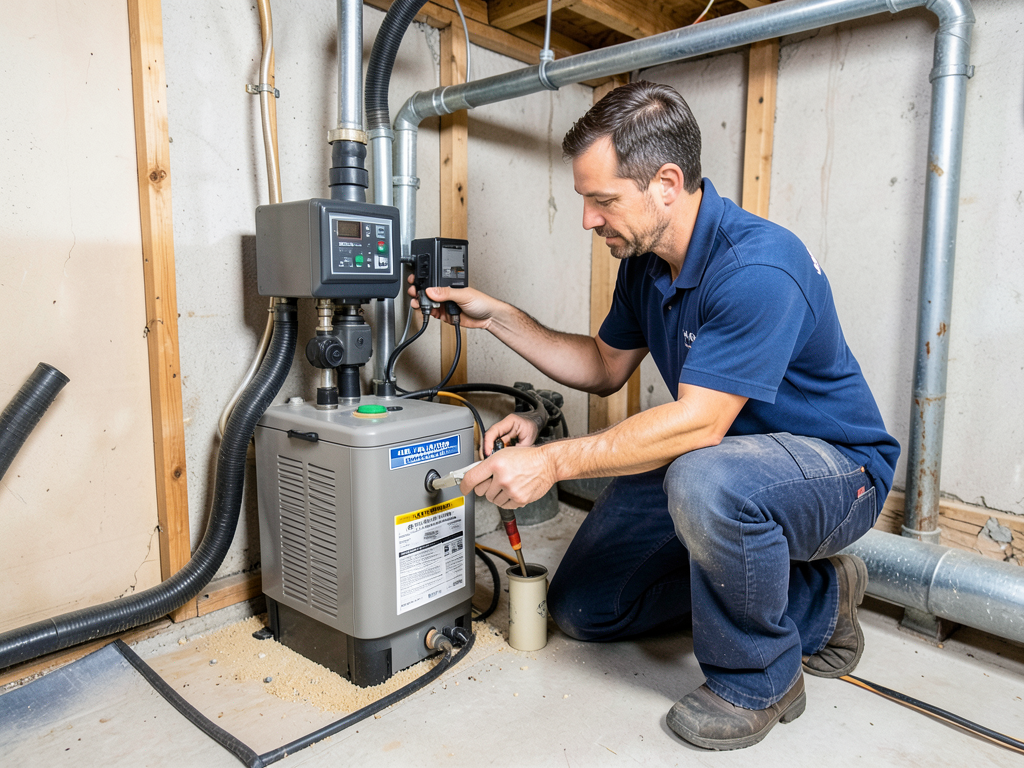
Choosing the Right Sump Pump Battery Backup for Your Granite District Home
Living in the Granite District means your basement faces unique flood risks from Salt Lake City’s spring snowmelt and summer thunderstorms. A sump pump battery backup system provides critical protection when the power goes out during heavy storms, preventing thousands in water damage to your finished basement. This guide covers everything Granite District homeowners need to know about selecting, installing, and maintaining the right backup system for your specific property. Salt Lake City Plumbing Code.
Why Granite District Homes Need Battery Backup Protection
The Granite District sits at a critical elevation where melting snow from the Wasatch Front flows toward the valley floor. During spring runoff, water tables rise rapidly, putting pressure on basement drainage systems. When thunderstorms hit in summer, power outages often occur just when you need your sump pump most. Expert Drain Cleaning in Sandy UT for Stubborn Clogs.
Local plumbers report that 70% of basement flooding calls come during power outages coinciding with heavy rainfall. A battery backup system activates automatically when the primary pump loses power, providing 8-24 hours of continuous protection depending on your battery capacity and water volume. Best Water Softener Installation Services in Salt Lake City to Fight Hard Water.
Common failure points in the Granite District include aging discharge pipes that freeze in winter and check valves that stick during rapid water flow. A backup system with separate discharge routing can bypass these vulnerabilities entirely. EPA Septic and Drainage Guidelines.
How Battery Backup Sump Pump Systems Work
A battery backup system consists of three main components: a secondary pump, a deep-cycle battery, and a monitoring/control unit. The secondary pump sits beside your primary unit in the sump pit and activates when water levels rise or when it detects primary pump failure. Water Main Leak Detection and Repair in Holladay.
Most systems use a float switch that triggers at 6-8 inches of water depth. The backup pump then moves water through its own discharge pipe, which should exit the home at least 10 feet from the foundation to prevent recirculation. Water Stains on Ceiling or Walls.
Modern systems include alarms that sound when the backup activates, when battery voltage drops below 50%, or when water levels remain high for extended periods. Some advanced models offer Wi-Fi connectivity to send alerts to your smartphone.
AGM vs. Lithium-Ion Battery Technology for Utah Homes
AGM (Absorbent Glass Mat) batteries remain the most common choice for sump pump backups in Utah due to their reliability in temperature extremes. These sealed lead-acid batteries handle the Granite District’s freeze-thaw cycles better than standard flooded batteries and require no maintenance.
Lithium-ion batteries offer longer lifespan and faster recharge times but cost 2-3 times more than AGM. In Salt Lake City’s climate, AGM batteries typically last 3-5 years while lithium-ion units can operate for 7-10 years with proper charging cycles.
Capacity matters more than chemistry. A 75Ah AGM battery provides 9-12 hours of runtime for an average 2,000 sq ft basement, while a 100Ah unit extends protection to 14-18 hours. Calculate your needs based on your basement square footage and local water table depth.. Read more about Why Every Salt Lake City Homeowner Needs an Earthquake Shut Off Valve on Their Gas Line.
Professional Installation vs. DIY: Cost-Benefit Analysis
DIY installation saves $300-500 in labor but introduces risks that can cost thousands later. Professional plumbers ensure proper discharge routing, secure battery mounting, and compliance with Salt Lake City plumbing code 13-5-100, which requires secondary containment for battery installations in living spaces. Reliable Plumbing Repair for Historic Homes in The Avenues.
Professional installation includes testing the system under load conditions, verifying float switch operation, and setting up monitoring alerts. Technicians also check your primary pump’s condition and recommend upgrades if it’s near end-of-life.
The DIY approach works for experienced homeowners who understand electrical safety and local codes. However, improper wiring creates fire hazards, and incorrect discharge routing can violate municipal codes or cause foundation damage.
Maintenance Schedule for Utah’s Climate
Utah’s low humidity and temperature extremes affect battery performance and pump longevity. Test your system monthly by pouring water into the sump pit until the backup activates. Check battery voltage quarterly using a multimeter; readings below 12.4V indicate charging problems.
Before spring runoff season, clean the sump pit of debris, test both primary and backup pumps, and verify alarm functionality. Replace batteries every 3-5 years regardless of apparent condition, as capacity degrades even when the unit appears to function.
Fall maintenance should include checking discharge pipes for blockages, testing freeze protection on exposed lines, and verifying that backup pump impellers spin freely without debris buildup.
Local Plumbing Code Requirements in Salt Lake City
Salt Lake City Municipal Code 13-5-100 requires all sump pump installations to include proper backflow prevention and discharge routing that prevents water from re-entering the foundation. Battery backup systems must have secondary containment trays if installed in finished spaces.
Discharge pipes cannot connect to sanitary sewer systems under any circumstances. City code mandates that sump water exit at least 10 feet from the foundation and flow away from the structure toward storm drains or natural drainage areas.
Permits are required for new installations or major modifications to existing systems. Licensed plumbers must pull permits and schedule inspections to ensure compliance with local codes and manufacturer specifications.
Top Battery Backup Systems for Granite District Homes
Based on local water table data and power outage frequency, these systems provide optimal protection for Granite District properties:
| System Model | Battery Type | Runtime (Hours) | Best For |
|---|---|---|---|
| Wayne WSS30V | AGM 75Ah | 9-12 | Standard basements |
| Zoeller 508-0 | AGM 100Ah | 14-18 | Larger homes |
| Liberty SJ10 | Lithium-ion | 20-24 | High-end protection |
Water-Powered Backup Systems: An Alternative Approach
Water-powered backup systems use municipal water pressure to create suction that removes water from the sump pit. These systems work when power fails but require adequate water pressure (40+ PSI) and increase water usage during operation.
In the Granite District, water pressure typically ranges from 45-65 PSI, making these systems viable. However, they discharge 1-2 gallons of fresh water for every gallon of sump water removed, which concerns environmentally conscious homeowners.
Water-powered systems eliminate battery replacement costs but require annual maintenance to clean mineral deposits from the venturi assembly. They work best as supplemental systems rather than primary backups.
Smart Monitoring and Wi-Fi Integration
Modern battery backup systems offer smartphone monitoring that alerts you to pump failures, high water levels, or battery issues before flooding occurs. These systems typically cost $100-200 more but provide peace of mind when you’re away from home.
Wi-Fi modules connect to your home network and send push notifications for events like backup activation, low battery voltage, or pump cycling frequency that indicates potential problems. Some systems integrate with smart home platforms for automated responses.
Professional monitoring services add monthly fees but provide 24/7 oversight and can dispatch technicians automatically when issues arise.
Cost Factors and ROI for Granite District Homeowners
Basic battery backup systems start around $500 for DIY installation, while professional installation with premium components ranges from $1,200-2,500. Factors affecting cost include basement size, existing plumbing configuration, and battery capacity requirements.
Consider the return on investment: the average basement flood claim in Salt Lake County exceeds $5,000, not including the emotional toll and displacement costs. A properly sized backup system prevents these losses while potentially increasing property value.
Insurance discounts may apply for homes with certified backup systems, though coverage varies by provider. Document your installation with photos and receipts to support claims if flooding occurs despite backup protection.
Installation Best Practices for Utah Homes
Install the battery in a cool, dry location away from direct sunlight and temperature extremes. Utah’s summer heat can reduce battery life by 30% if units sit in unconditioned spaces above 90°F.
Use marine-grade terminals and connectors to prevent corrosion from Salt Lake City’s alkaline soil conditions. Secure all wiring with proper strain relief and protect connections from moisture intrusion.
Test the entire system under load conditions before finalizing installation. Fill the sump pit to activate both primary and backup pumps, verifying that each operates correctly and that discharge routing prevents backflow.
Common Installation Mistakes to Avoid
Undersized batteries provide insufficient runtime during extended outages. Calculate your needs based on worst-case scenarios: 24-48 hour storms with power loss.
Improper discharge routing causes water to cycle back into the foundation. Always verify that discharge exits downhill and away from the home’s footprint.
Skipping the permit process may save money initially but creates liability if flooding occurs and insurance companies discover unpermitted work.
Emergency Response Planning
Even with backup systems, develop an emergency plan for extended outages. Know the location of your main water shutoff valve and how to operate it. Keep a submersible pump and garden hose available for manual water removal if both primary and backup systems fail.
Store important documents and valuables in waterproof containers above the highest recorded flood level in your area. The Granite District’s historical flood data shows basement water levels reaching 18-24 inches during extreme events.
Maintain a relationship with a local plumber who can respond quickly during emergencies. Save their contact information in your phone and post it near your electrical panel.
Frequently Asked Questions
How long do sump pump batteries last in Utah’s climate?
AGM batteries typically last 3-5 years in Utah’s temperature extremes. Lithium-ion units can operate for 7-10 years but cost significantly more upfront.
Can I install a battery backup system myself?
DIY installation is possible for experienced homeowners, but professional installation ensures code compliance and proper system integration. Mistakes can cause flooding or fire hazards.
What size battery do I need for my basement?
Calculate based on basement square footage and local water table depth. A 2,000 sq ft basement typically needs a 75-100Ah battery for 9-18 hours of protection.
Do I need a permit for battery backup installation?
Yes, Salt Lake City requires permits for new installations or major modifications. Licensed plumbers must pull permits and schedule inspections.
How often should I test my backup system?
Test monthly by pouring water into the sump pit until the backup activates. Check battery voltage quarterly and perform full system testing before spring runoff season.
Ready to Protect Your Granite District Home?
Don’t wait for the next storm to discover your basement is vulnerable. Call (385) 406-8899 today to schedule a professional inspection and get a customized battery backup solution for your specific property needs.
Our licensed technicians understand Granite District’s unique flooding risks and can recommend the right system to keep your basement dry through every season. We provide upfront pricing, permit handling, and ongoing maintenance to ensure your protection lasts for years.
Pick up the phone and call (385) 406-8899 before the next storm hits. Your basement’s protection can’t wait until it’s too late.
You may also find this helpful. Protecting Your Poplar Grove Rental Property with an Automatic Water Shut Off System.
{
“@context”: “https://schema.org”,
“@type”: “BlogPosting”,
“headline”: “Choosing the Right Sump Pump Battery Backup for Your Granite District Home”,
“description”: “Protect your Granite District basement from spring flooding with the right sump pump battery backup. Learn about AGM vs lithium-ion, local installation codes, and professional sizing for Salt Lake City homes.”,
“wordCount”: 1785,
“datePublished”: “2026-04-11T10:23:00.000Z”,
“dateModified”: “2026-04-11T10:23:00.000Z”,
“inLanguage”: “en-US”,
“mainEntityOfPage”: {
“@type”: “WebPage”,
“@id”: “https://crestlineplumbingsaltlakecity.com”
},
“publisher”: {
“@type”: “LocalBusiness”,
“name”: “Crestline Plumbing Salt Lake City”,
“url”: “https://crestlineplumbingsaltlakecity.com”
},
“author”: {
“@type”: “Organization”,
“name”: “Crestline Plumbing Salt Lake City”,
“url”: “https://crestlineplumbingsaltlakecity.com”
},
“image”: {
“@type”: “ImageObject”,
“url”: “https://crestlineplumbingsaltlakecity.com/wp-content/uploads/2026/03/choosing-the-right-sump-pump-battery-backup-for-yo-1.png”
}
}
{
“@context”: “https://schema.org”,
“@type”: “Plumber”,
“name”: “Crestline Plumbing Salt Lake City”,
“url”: “https://crestlineplumbingsaltlakecity.com”,
“address”: {
“@type”: “PostalAddress”,
“addressLocality”: “Salt Lake City”
},
“areaServed”: {
“@type”: “City”,
“name”: “Salt Lake City”
}
}
{
“@context”: “https://schema.org”,
“@type”: “FAQPage”,
“mainEntity”: [
{
“@type”: “Question”,
“name”: “How long do sump pump batteries last in Utah’s climate?”,
“acceptedAnswer”: {
“@type”: “Answer”,
“text”: “AGM batteries typically last 3-5 years in Utah’s temperature extremes. Lithium-ion units can operate for 7-10 years but cost significantly more upfront.”
}
},
{
“@type”: “Question”,
“name”: “Can I install a battery backup system myself?”,
“acceptedAnswer”: {
“@type”: “Answer”,
“text”: “DIY installation is possible for experienced homeowners, but professional installation ensures code compliance and proper system integration. Mistakes can cause flooding or fire hazards.”
}
},
{
“@type”: “Question”,
“name”: “What size battery do I need for my basement?”,
“acceptedAnswer”: {
“@type”: “Answer”,
“text”: “Calculate based on basement square footage and local water table depth. A 2,000 sq ft basement typically needs a 75-100Ah battery for 9-18 hours of protection.”
}
},
{
“@type”: “Question”,
“name”: “Do I need a permit for battery backup installation?”,
“acceptedAnswer”: {
“@type”: “Answer”,
“text”: “Yes, Salt Lake City requires permits for new installations or major modifications. Licensed plumbers must pull permits and schedule inspections.”
}
},
{
“@type”: “Question”,
“name”: “How often should I test my backup system?”,
“acceptedAnswer”: {
“@type”: “Answer”,
“text”: “Test monthly by pouring water into the sump pit until the backup activates. Check battery voltage quarterly and perform full system testing before spring runoff season.”
}
},
{
“@type”: “Question”,
“name”: “Ready to Protect Your Granite District Home?”,
“acceptedAnswer”: {
“@type”: “Answer”,
“text”: “Don’t wait for the next storm to discover your basement is vulnerable. Call (385) 406-8899 today to schedule a professional inspection and get a customized battery backup solution for your specific property needs.”
}
}
]
}
{
“@context”: “https://schema.org”,
“@type”: “BreadcrumbList”,
“itemListElement”: [
{
“@type”: “ListItem”,
“position”: 1,
“name”: “Home”,
“item”: “https://crestlineplumbingsaltlakecity.com”
},
{
“@type”: “ListItem”,
“position”: 2,
“name”: “Blog”,
“item”: “https://crestlineplumbingsaltlakecity.com/blog”
},
{
“@type”: “ListItem”,
“position”: 3,
“name”: “Choosing the Right Sump Pump Battery Backup for Your Granite District Home”
}
]
}
{
“@context”: “https://schema.org”,
“@type”: “Service”,
“serviceType”: “Plumbing”,
“provider”: {
“@type”: “LocalBusiness”,
“name”: “Crestline Plumbing Salt Lake City”,
“url”: “https://crestlineplumbingsaltlakecity.com”
},
“areaServed”: {
“@type”: “City”,
“name”: “Salt Lake City”
},
“description”: “Protect your Granite District basement from spring flooding with the right sump pump battery backup. Learn about AGM vs lithium-ion, local installation codes, and professional sizing for Salt Lake City homes.”
}