
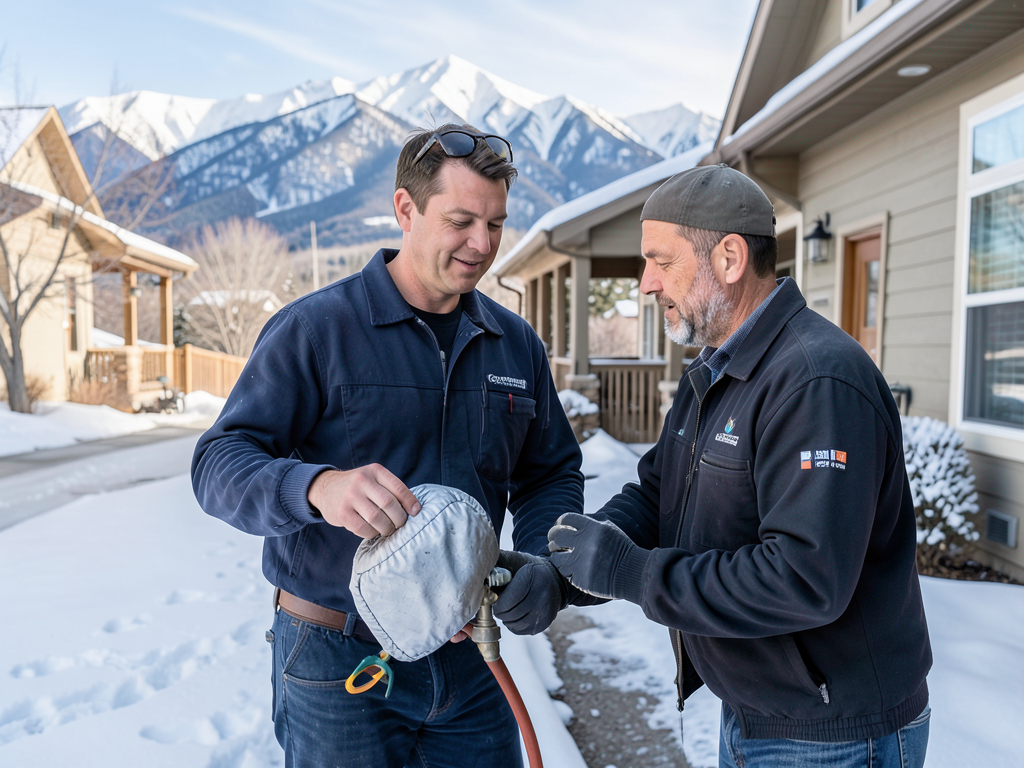
How to Winterize Your Outdoor Faucets Before the First Cottonwood Heights Freeze
Cottonwood Heights sits at a higher elevation than downtown Salt Lake City, which means your outdoor faucets face freeze risks weeks earlier than properties in the valley. The combination of early cold snaps and the freeze-thaw cycles common along the Wasatch Front can cause water trapped in your outdoor plumbing to expand and burst pipes, leading to flooded basements and expensive repairs. Taking 30 minutes now to winterize your hose bibs can save you thousands in water damage cleanup and plumbing repairs. EPA winterization guidelines.
The first step is understanding whether you have frost-free or standard spigots. Most homes built after 2000 in Cottonwood Heights have frost-free hose bibs, but many older properties near Highland Drive and the Cottonwood Mall area still use standard valves that require complete drainage. You can identify a frost-free spigot by looking for a long stem that extends into your home’s wall, with the actual shut-off valve located inside where it stays warm. Expert Drain Cleaning in Sandy UT for Stubborn Clogs.
Step-by-Step: DIY Hose Bib Winterization
Start by disconnecting all garden hoses and spray nozzles from your outdoor faucets. Even a small amount of water left in a connected hose can freeze and back up into your plumbing. Drain the hoses completely and store them indoors or in a shed where they won’t be exposed to freezing temperatures. Best Water Softener Installation Services in Salt Lake City to Fight Hard Water.
Locate your interior shut-off valves, which are typically found in basements or crawl spaces along exterior walls. In Cottonwood Heights homes, these valves are often near the water meter or in utility closets. Turn the valve clockwise to shut off water supply to the outdoor faucet. Then open the outdoor spigot to drain any remaining water in the line. Leave it open for several hours to ensure complete drainage. Water Main Leak Detection and Repair in Holladay.
For standard spigots, you’ll need to remove the bleeder cap on the shut-off valve inside your home to allow water to drain completely. Place a small bucket underneath to catch the water. Once draining stops, replace the cap and close the outdoor faucet.
Install insulated faucet covers over each outdoor spigot. These foam covers cost about $10 each and provide an extra layer of protection against wind and cold. Secure them tightly according to the manufacturer’s instructions. For added protection in Cottonwood Heights’ harsh winters, consider wrapping the covered faucet with an old towel or blanket before installing the cover.
Identifying Your System: Frost-Free vs. Standard Spigots
Frost-free hose bibs have a critical design advantage: the shut-off valve is located about 10-12 inches inside your home’s wall, where it stays above freezing temperatures. When you turn off a frost-free spigot, the water drains out of the exposed portion, leaving no water to freeze. However, this only works if you disconnect your hoses and allow proper drainage.
Standard spigots keep the shut-off valve outside your home’s insulation barrier. These require complete winterization because any water left in the pipe can freeze and expand, causing the pipe to split along its length. Many mid-century ramblers in the Cottonwood Heights area still have these older-style valves, particularly in neighborhoods developed before 1980.
To test your system, turn off the interior shut-off valve in late fall, then go outside and open the outdoor faucet. If water continues to flow, you have a standard spigot that needs complete winterization. If water stops immediately, you likely have a frost-free system that still needs hose disconnection and faucet covering.
What to Do If Your Faucet Is Already Frozen
If you discover a frozen outdoor faucet during a Cottonwood Heights cold snap, immediate action can prevent catastrophic damage. First, locate your main water shut-off valve, typically found where the water line enters your home near the front foundation. Turn it off completely to prevent water from flooding your basement if the pipe bursts.
Never use an open flame or propane torch to thaw a frozen pipe. This creates a severe fire hazard and can cause the water to flash to steam, potentially causing the pipe to explode. Instead, use a hair dryer on its lowest heat setting, moving it slowly along the exposed pipe. Start from the faucet end and work toward the interior wall.
Check for signs of leaks once the pipe thaws. Look for water stains on walls, ceilings, or floors near the frozen area. Listen for hissing sounds that might indicate a small crack. If you suspect damage, call a professional immediately. A small crack can release hundreds of gallons of water before you notice visible signs.
Professional plumbers use thermal imaging cameras to detect hidden leaks behind walls and moisture meters to identify water accumulation in building materials. These diagnostic tools can locate problems before they cause major damage, potentially saving you from extensive water damage restoration.
Professional Winterization Services in Cottonwood Heights
While DIY winterization works for most homeowners, professional services offer comprehensive protection for complex systems. Crestline Plumbing provides complete winterization that includes checking for backflow preventers, inspecting secondary water systems common in newer Cottonwood Heights developments, and testing for existing leaks that could worsen during winter. Reliable Plumbing Repair for Historic Homes in The Avenues.
Professional winterization typically includes pressure testing your outdoor plumbing system to identify weak points before they fail. Technicians can also install freeze-proof shut-off valves and upgrade older standard spigots to frost-free models, providing long-term protection against Utah’s harsh winters.
For properties with extensive landscaping irrigation, professional blowout services use compressed air to clear water from underground pipes and sprinkler heads. This prevents freeze damage to expensive irrigation components and avoids the costly repairs that often occur when sprinkler systems fail during spring startups.
Call (385) 406-8899 today to schedule your professional winterization service. Our technicians understand the specific challenges of Cottonwood Heights’ elevation and can provide targeted solutions that protect your property throughout the winter months.
Secondary Water Systems and Winterization
Many newer developments in Cottonwood Heights use secondary water systems for irrigation, separate from the culinary water supply. These systems require different winterization procedures because they often have larger pipes and more complex valve arrangements. Secondary water typically comes from mountain streams and reservoirs, making it more susceptible to freezing than treated culinary water.
Secondary water systems usually have a main shut-off valve located near the street or in a valve box in your yard. This valve controls water to all outdoor irrigation, including sprinklers and hose bibs connected to the secondary system. You must locate and shut off this valve before winter arrives.
After shutting off the main valve, open all irrigation valves and sprinkler heads to drain water from the system. Many homeowners use compressed air to blow out remaining water from underground pipes, a process that requires specific pressure settings to avoid damaging pipes or fittings. Incorrect blowout pressure can actually cause more damage than leaving water in the pipes.
Secondary water systems in Cottonwood Heights often have backflow preventers that require special attention. These devices prevent contaminated water from flowing back into the municipal supply but can trap water that freezes and causes damage. Professional winterization includes proper treatment of these components according to Utah State Construction and Fire Codes.
Common Winterization Mistakes to Avoid
Many homeowners make critical errors during DIY winterization that leave their plumbing vulnerable. One common mistake is assuming frost-free spigots don’t need any winterization. While frost-free designs are more resistant to freezing, they still require hose disconnection and faucet covering to function properly.
Another frequent error is forgetting about outdoor kitchen sinks, bar faucets, or hot tub fill spigots. These additional water sources often get overlooked during winterization, yet they’re just as vulnerable to freezing as standard hose bibs. Make a complete inventory of all outdoor water sources before starting your winterization process. Draper Kitchen and Bathroom Remodeling Plumbing Experts.
Some homeowners install faucet covers but don’t actually shut off the interior water supply. The covers provide minimal protection against extended freezing temperatures. Without shutting off the water supply and draining the line, your plumbing remains at risk even with covers installed.
Timing is also crucial. Waiting until after the first freeze to winterize your faucets is too late. By the time you notice freezing temperatures, water may already be trapped in your pipes and beginning to expand. Start your winterization process in early October to stay ahead of Cottonwood Heights’ variable fall weather.
Emergency Response When Pipes Burst
Despite your best prevention efforts, pipes can still burst during extreme cold snaps. If you discover water leaking from an outdoor faucet or notice water damage inside your home, immediate action is critical. Every minute of delay increases the extent of water damage and the cost of repairs.
First, shut off your main water supply immediately. This valve is typically located where the water line enters your home, often in a basement utility area or near the water meter. Turning off this valve stops additional water from flowing into damaged pipes and flooding your home.
Next, call a professional plumber who offers 24/7 emergency service. Water damage restoration becomes significantly more expensive if you wait until regular business hours. Look for plumbers who can respond within 60 minutes and have experience with the specific plumbing configurations common in Cottonwood Heights homes.
While waiting for help to arrive, begin removing valuable items from the affected area. Move furniture, electronics, and important documents to dry areas of your home. Use towels to contain spreading water and prevent it from damaging flooring or seeping into adjacent rooms.
Document the damage with photos and videos for insurance purposes. Most homeowner’s insurance policies cover sudden pipe bursts, but they require evidence of the damage and prompt notification. Keep receipts for any emergency repairs or water damage mitigation services you arrange.
Cost Comparison: Prevention vs. Emergency Repair
The financial difference between prevention and emergency response is substantial. A complete DIY winterization costs about $30-50 for materials like faucet covers and basic tools. Professional winterization services typically range from $100-200, depending on the complexity of your plumbing system and the number of outdoor water sources.
In contrast, emergency pipe repair after a burst can cost $500-2,000 just for the plumbing work, not including water damage restoration. Water damage cleanup averages $3-5 per square foot, meaning a 200-square-foot flooded basement could cost $600-1,000 to dry and restore. If mold develops, remediation costs can exceed $5,000.
Beyond direct repair costs, you’ll face indirect expenses like temporary housing if flooding makes your home uninhabitable, replacement of damaged personal belongings, and potential increases in insurance premiums after filing a claim. The total cost of a single burst pipe incident often exceeds $10,000 when all factors are considered.
Investing in proper winterization is clearly the more economical choice. The $100-200 spent on professional services or the $30-50 for DIY materials represents less than 5% of the potential cost of emergency repairs and water damage restoration.
Local Climate Considerations for Cottonwood Heights
Cottonwood Heights experiences unique weather patterns due to its elevation and proximity to Big Cottonwood Canyon. The area often sees temperature drops of 15-20 degrees compared to downtown Salt Lake City, with first freezes occurring as early as mid-October. The canyon winds can accelerate cooling and create wind chill effects that make freezing more likely.
The freeze-thaw cycles common in Cottonwood Heights are particularly damaging to plumbing. Water expands about 9% when it freezes, and this expansion can exert over 100,000 pounds per square inch of pressure on pipes. When temperatures fluctuate above and below freezing, water repeatedly freezes and thaws, gradually weakening pipe joints and creating micro-fractures.
Soil conditions in Cottonwood Heights also affect plumbing vulnerability. The area’s clay soils expand and contract with moisture changes, which can shift underground pipes and create stress points at connections. This soil movement, combined with freezing temperatures, increases the likelihood of pipe failures at joints and fittings.
Understanding these local factors helps explain why standard winterization procedures may need modification for Cottonwood Heights properties. The earlier freeze dates mean you should complete winterization 2-3 weeks before the typical first freeze date for the Salt Lake Valley. The wind exposure means faucet covers need to be more secure and provide better insulation than covers used in more sheltered areas.
Long-term Solutions for Plumbing Protection
While seasonal winterization is essential, some homeowners opt for permanent plumbing upgrades that eliminate the need for annual winterization procedures. Replacing standard spigots with frost-free models is one of the most effective long-term solutions, particularly for older Cottonwood Heights homes with vulnerable plumbing configurations.
Frost-free hose bibs with built-in vacuum breakers provide both freeze protection and backflow prevention in a single unit. These fixtures extend the shut-off valve deeper into your home’s warm envelope and include anti-siphon features that meet current plumbing codes. Installation costs typically range from $150-300 per fixture, including parts and labor.
For properties with extensive outdoor plumbing, consider installing heat trace cable on vulnerable pipes. These electrically heated cables maintain pipe temperatures above freezing even during extreme cold snaps. Modern heat trace systems include thermostatic controls that activate only when temperatures approach freezing, minimizing energy consumption.
Another option is rerouting plumbing lines away from exterior walls or adding insulation to protect vulnerable pipes. This approach works well for basement plumbing where pipes run along foundation walls. Proper insulation can maintain temperatures above freezing even when outdoor temperatures drop significantly below zero.
Call (385) 406-8899 to schedule a plumbing assessment and learn which long-term solutions would best protect your specific property. Our technicians can evaluate your current plumbing configuration and recommend upgrades that provide year-round protection against freezing damage.
Maintenance Schedule for Year-Round Protection
Proper plumbing protection requires attention throughout the year, not just during fall winterization. Create a maintenance schedule that includes quarterly inspections of outdoor plumbing fixtures, annual testing of shut-off valves, and seasonal preparation for temperature extremes.
Spring maintenance should include checking for damage that occurred during winter, testing all outdoor faucets for proper operation, and inspecting for leaks around hose bib connections. This is also the time to repair any damage discovered during winterization or to upgrade vulnerable fixtures before the next cold season.
Summer maintenance focuses on identifying and repairing small leaks before they become major problems. Check for dripping faucets, inspect hose connections for wear, and ensure all outdoor plumbing fixtures operate smoothly. Address any issues promptly to prevent water waste and avoid emergency repairs during peak usage seasons.
Fall maintenance begins the winterization process. Start checking weather forecasts in early October and begin winterization procedures when temperatures consistently drop below 40 degrees at night. This proactive approach ensures you complete winterization before the first hard freeze hits Cottonwood Heights.
Winter maintenance involves monitoring your plumbing during cold snaps. Check outdoor faucets periodically for signs of freezing, monitor indoor areas near exterior walls for cold spots that might indicate vulnerable pipes, and be prepared to take emergency action if temperatures drop significantly below normal.
Consistent year-round attention to your plumbing system prevents most emergencies and extends the life of your fixtures and pipes. It also helps you identify patterns in your specific property’s vulnerability, allowing you to implement targeted solutions that address your unique challenges.
Professional Assessment Benefits
A professional plumbing assessment provides insights that DIY inspections often miss. Licensed plumbers use specialized tools like thermal imaging cameras to detect temperature variations that indicate vulnerable pipes, moisture meters to identify hidden leaks, and pressure testing equipment to evaluate system integrity.
Professional assessments also consider factors specific to your property’s construction and location. A plumber familiar with Cottonwood Heights can identify common failure points in local home designs, recognize signs of soil movement that might affect underground plumbing, and recommend solutions tailored to your specific situation.
During an assessment, technicians can evaluate your entire plumbing system, not just the outdoor components. They can identify potential cross-connections between systems, check for code compliance issues, and recommend upgrades that improve both safety and efficiency. This comprehensive approach often reveals problems that would otherwise go unnoticed until they cause major damage.
Professional plumbers also stay current with building code requirements and can ensure your plumbing modifications meet all local regulations. This is particularly important for older Cottonwood Heights homes that may have outdated plumbing configurations or non-compliant installations that need updating.
Schedule your professional assessment today by calling (385) 406-8899. Our experienced technicians can provide the peace of mind that comes from knowing your plumbing system is protected against winter’s challenges and prepared for year-round reliability.
Frequently Asked Questions
When should I winterize my outdoor faucets in Cottonwood Heights?
Begin winterization procedures in early October, or when nighttime temperatures consistently drop below 40 degrees. Cottonwood Heights experiences earlier freezes than the Salt Lake Valley due to its higher elevation, so don’t wait until after the first hard freeze.
How can I tell if my outdoor faucet is frost-free?
Frost-free spigots have a long stem that extends into your home’s wall, with the shut-off valve located about 10-12 inches inside where it stays warm. Standard spigots keep the valve outside your home’s insulation. If you’re unsure, have a professional plumber inspect your system.
What happens if I forget to winterize my outdoor faucets?
Forgotten winterization can lead to frozen pipes that burst and cause extensive water damage. A single burst pipe can release hundreds of gallons of water, flooding basements and causing thousands of dollars in damage to walls, flooring, and personal belongings.
Can I use heat tape on my outdoor faucets?
Heat tape can provide additional protection for vulnerable pipes, but it must be installed correctly and used with proper insulation. Self-regulating heat tape designed for outdoor use is safest. Never use open flame or propane torches to thaw frozen pipes.
How much does professional winterization cost?
Professional winterization typically costs $100-200 for a standard home, depending on the number of outdoor water sources and system complexity. This investment is minimal compared to the potential cost of emergency repairs and water damage restoration from burst pipes.
What should I do if I discover a frozen pipe?
Immediately shut off your main water supply to prevent flooding if the pipe bursts. Never use open flame to thaw pipes. Use a hair dryer on low heat, starting from the faucet end. If you suspect damage, call a professional plumber right away.
Do I need to winterize secondary water systems differently?
Yes, secondary water systems require locating and shutting off the main valve near the street or in a yard valve box. These systems often have larger pipes and more complex valve arrangements that need specific winterization procedures to prevent freeze damage. For more information, visit Uniform Plumbing Code standards.
{
“@context”: “https://schema.org”,
“@type”: “BlogPosting”,
“headline”: “How to Winterize Your Outdoor Faucets Before the First Cottonwood Heights Freeze”,
“description”: “Learn how to protect your outdoor faucets from Cottonwood Heights’ early freezes. Our step-by-step guide prevents burst pipes and costly water damage.”,
“wordCount”: 3128,
“datePublished”: “2026-03-06T15:48:00.000Z”,
“dateModified”: “2026-03-06T15:48:00.000Z”,
“inLanguage”: “en-US”,
“mainEntityOfPage”: {
“@type”: “WebPage”,
“@id”: “https://crestlineplumbingsaltlakecity.com”
},
“publisher”: {
“@type”: “LocalBusiness”,
“name”: “Crestline Plumbing Salt Lake City”,
“url”: “https://crestlineplumbingsaltlakecity.com”
},
“author”: {
“@type”: “Organization”,
“name”: “Crestline Plumbing Salt Lake City”,
“url”: “https://crestlineplumbingsaltlakecity.com”
},
“image”: {
“@type”: “ImageObject”,
“url”: “https://crestlineplumbingsaltlakecity.com/wp-content/uploads/2026/03/how-to-winterize-your-outdoor-faucets-before-the-f-1.png”
}
}
{
“@context”: “https://schema.org”,
“@type”: “Plumber”,
“name”: “Crestline Plumbing Salt Lake City”,
“url”: “https://crestlineplumbingsaltlakecity.com”,
“address”: {
“@type”: “PostalAddress”,
“addressLocality”: “Salt Lake City”
},
“areaServed”: {
“@type”: “City”,
“name”: “Salt Lake City”
}
}
{
“@context”: “https://schema.org”,
“@type”: “FAQPage”,
“mainEntity”: [
{
“@type”: “Question”,
“name”: “When should I winterize my outdoor faucets in Cottonwood Heights?”,
“acceptedAnswer”: {
“@type”: “Answer”,
“text”: “Begin winterization procedures in early October, or when nighttime temperatures consistently drop below 40 degrees. Cottonwood Heights experiences earlier freezes than the Salt Lake Valley due to its higher elevation, so don’t wait until after the first hard freeze.”
}
},
{
“@type”: “Question”,
“name”: “How can I tell if my outdoor faucet is frost-free?”,
“acceptedAnswer”: {
“@type”: “Answer”,
“text”: “Frost-free spigots have a long stem that extends into your home’s wall, with the shut-off valve located about 10-12 inches inside where it stays warm. Standard spigots keep the valve outside your home’s insulation. If you’re unsure, have a professional plumber inspect your system.”
}
},
{
“@type”: “Question”,
“name”: “What happens if I forget to winterize my outdoor faucets?”,
“acceptedAnswer”: {
“@type”: “Answer”,
“text”: “Forgotten winterization can lead to frozen pipes that burst and cause extensive water damage. A single burst pipe can release hundreds of gallons of water, flooding basements and causing thousands of dollars in damage to walls, flooring, and personal belongings.”
}
},
{
“@type”: “Question”,
“name”: “Can I use heat tape on my outdoor faucets?”,
“acceptedAnswer”: {
“@type”: “Answer”,
“text”: “Heat tape can provide additional protection for vulnerable pipes, but it must be installed correctly and used with proper insulation. Self-regulating heat tape designed for outdoor use is safest. Never use open flame or propane torches to thaw frozen pipes.”
}
},
{
“@type”: “Question”,
“name”: “How much does professional winterization cost?”,
“acceptedAnswer”: {
“@type”: “Answer”,
“text”: “Professional winterization typically costs $100-200 for a standard home, depending on the number of outdoor water sources and system complexity. This investment is minimal compared to the potential cost of emergency repairs and water damage restoration from burst pipes.”
}
},
{
“@type”: “Question”,
“name”: “What should I do if I discover a frozen pipe?”,
“acceptedAnswer”: {
“@type”: “Answer”,
“text”: “Immediately shut off your main water supply to prevent flooding if the pipe bursts. Never use open flame to thaw pipes. Use a hair dryer on low heat, starting from the faucet end. If you suspect damage, call a professional plumber right away.”
}
},
{
“@type”: “Question”,
“name”: “Do I need to winterize secondary water systems differently?”,
“acceptedAnswer”: {
“@type”: “Answer”,
“text”: “Yes, secondary water systems require locating and shutting off the main valve near the street or in a yard valve box. These systems often have larger pipes and more complex valve arrangements that need specific winterization procedures to prevent freeze damage. For more information, visit Uniform Plumbing Code standards.”
}
}
]
}
{
“@context”: “https://schema.org”,
“@type”: “BreadcrumbList”,
“itemListElement”: [
{
“@type”: “ListItem”,
“position”: 1,
“name”: “Home”,
“item”: “https://crestlineplumbingsaltlakecity.com”
},
{
“@type”: “ListItem”,
“position”: 2,
“name”: “Blog”,
“item”: “https://crestlineplumbingsaltlakecity.com/blog”
},
{
“@type”: “ListItem”,
“position”: 3,
“name”: “How to Winterize Your Outdoor Faucets Before the First Cottonwood Heights Freeze”
}
]
}
{
“@context”: “https://schema.org”,
“@type”: “Service”,
“serviceType”: “Plumbing”,
“provider”: {
“@type”: “LocalBusiness”,
“name”: “Crestline Plumbing Salt Lake City”,
“url”: “https://crestlineplumbingsaltlakecity.com”
},
“areaServed”: {
“@type”: “City”,
“name”: “Salt Lake City”
},
“description”: “Learn how to protect your outdoor faucets from Cottonwood Heights’ early freezes. Our step-by-step guide prevents burst pipes and costly water damage.”
}