
How to Check if Your Central City Home Still Has Lead Water Service Lines
If your Central City home was built before 1986, there’s a significant chance your water service line contains lead. This is more than just a plumbing concern—it’s a public health issue that affects thousands of older homes in Salt Lake City’s historic neighborhoods. Lead exposure through drinking water can cause serious health problems, especially for children and pregnant women. Salt Lake City Public Utilities Lead Service Line Information.
The good news is you can identify lead pipes yourself using simple tests. This guide walks you through exactly what to look for, where to check, and what steps to take if you discover lead in your home’s water system. Best Water Softener Installation Services in Salt Lake City to Fight Hard Water.
Why Lead Pipes Were Used in Central City Homes
Lead was the preferred material for water service lines from the late 1800s through the mid-1980s because it’s soft, easy to bend, and resistant to pinhole leaks. Many Central City homes, particularly those built before the Safe Drinking Water Act amendments of 1986, still have these pipes hidden underground or inside walls. Water Main Leak Detection and Repair in Holladay.
Salt Lake City’s oldest neighborhoods—including areas near Liberty Park, the University District, and parts of The Avenues—are most likely to have lead service lines. The city’s Department of Public Utilities estimates that hundreds of properties still have lead pipes on the private side of the water meter. EPA Lead and Copper Rule Revisions.
The Two Simple Tests to Identify Lead Pipes
Before you start, you’ll need to locate your main water shutoff valve and the pipe where water enters your home. This is typically in your basement, crawl space, or near the front of your house where the water meter is located. Water Stains on Ceiling or Walls.
The Scratch Test
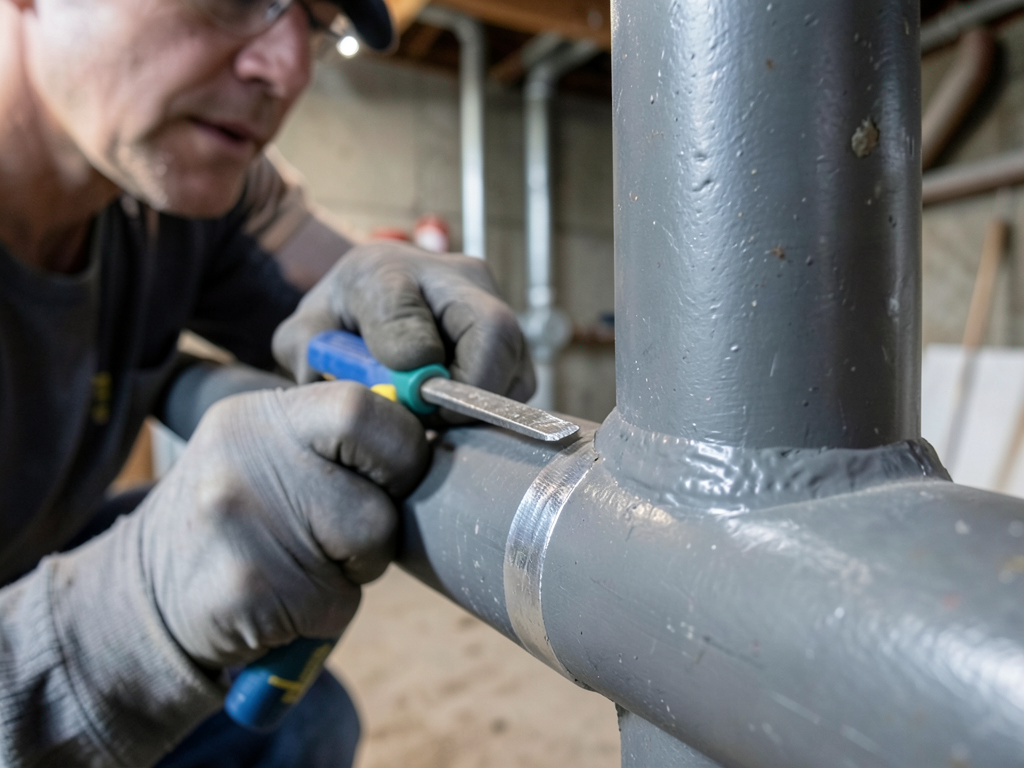
Lead pipes have a dull gray color and are surprisingly soft. To test, use a coin or the edge of a key to gently scratch the pipe’s surface. If the scratch reveals a shiny, silver-colored metal underneath, you likely have lead. Lead is so soft that even moderate pressure will leave a mark.. Read more about Managing High Water Pressure in Downtown Salt Lake City Condos.
Copper pipes, which are safe, will show a reddish-brown color when scratched. Galvanized steel pipes will be magnetic and show a dark gray color. Lead will not be magnetic.
The Magnet Test
This test helps rule out other materials. Lead is not magnetic, so a refrigerator magnet won’t stick to it. If your magnet sticks firmly to the pipe, you have galvanized steel, not lead. If the magnet doesn’t stick and the scratch test shows a soft, shiny surface, you’re dealing with lead.
Many homes have mixed piping systems where the visible section is copper but the underground service line is lead. You may need to check where the pipe enters your home from outside.
Where to Look for Lead Pipes in Your Home
Start at your main water shutoff valve and trace the pipe backward. Lead pipes are most commonly found in these locations:
- The pipe entering your basement or crawl space from the water meter
- Pipes connected to the main shutoff valve
- Visible pipes in unfinished areas of your basement
- The section where the city’s water main connects to your private service line
Lead pipes often have a distinctive appearance: they’re dull gray, soft to the touch, and may have a slightly bumpy or irregular surface. They’re typically smaller in diameter than modern copper pipes.
Understanding Lead Service Line Ownership in Salt Lake City
In Salt Lake City, the water service line is divided into two sections. The public side runs from the water main in the street to your property line. The private side runs from your property line to your home.
The Salt Lake City Department of Public Utilities maintains an inventory of known lead service lines and has been replacing public-side lead pipes. However, homeowners are responsible for replacing the private-side lead pipes.
According to the EPA’s Lead and Copper Rule Revisions (LCRR), implemented in 2021, water utilities must create and maintain service line inventories. Salt Lake City Public Utilities has mapped many known lead lines, but gaps remain in the data.
Health Risks of Lead in Drinking Water
Lead exposure through drinking water can cause developmental delays in children, reduced IQ, attention problems, and physical growth issues. In adults, it can lead to kidney problems, high blood pressure, and reproductive issues.
The risk is highest in homes with lead service lines because lead can leach into water, especially when water sits in pipes for several hours. Hot water increases leaching rates, so never use hot tap water for cooking or mixing baby formula.
Salt Lake City’s water chemistry is generally neutral, which helps reduce lead leaching compared to more acidic water supplies. However, any amount of lead exposure is considered unsafe by the EPA.
What to Do If You Find Lead Pipes
If testing confirms you have lead service lines, you have several options:
- Contact Salt Lake City Public Utilities to report your lead pipe and request information about their replacement programs
- Install NSF-certified water filters that remove lead at your kitchen tap
- Run cold water for 30 seconds before using it for drinking or cooking
- Consider professional replacement of your private-side lead service line
Professional replacement involves excavating the old lead pipe and installing new copper or plastic piping. This typically costs between $3,000 and $8,000 depending on the length of pipe and accessibility.
Professional Lead Pipe Replacement Process
Professional plumbers follow strict EPA guidelines for lead-safe work practices. The process includes:
- Isolating the work area to prevent lead dust spread
- Using wet methods to control dust during cutting and removal
- Proper disposal of lead-containing materials at certified facilities
- Post-replacement cleaning and clearance testing
Utah plumbing code requires that any replacement work meet current standards, typically using Type L or Type K copper tubing for water service lines. Reliable Plumbing Repair for Historic Homes in The Avenues.
Central City Neighborhoods Most at Risk
Based on construction dates and Salt Lake City’s infrastructure data, these Central City neighborhoods have the highest concentration of homes likely to have lead service lines:. Read more about Why Your Central City Sink Has Blue Stains (And How to Stop the Corrosion).
| Neighborhood | Typical Construction Period | Lead Risk Level |
|---|---|---|
| Liberty Park Area | 1900-1950 | High |
| University District | 1900-1970 | High |
| Central City | 1890-1960 | High |
| East Central | 1920-1970 | Medium-High |
Homes in these areas often have additional plumbing concerns due to their age, including galvanized steel supply lines, cast iron drain pipes, and outdated fixtures. Expert Drain Cleaning in Sandy UT for Stubborn Clogs.
Financial Assistance and Replacement Programs
Salt Lake City occasionally offers financial assistance for lead service line replacement, particularly for low-income homeowners. The EPA also provides grants to states for lead line replacement programs.
Homeowners should check with Salt Lake City Public Utilities about current programs. Some homeowners’ insurance policies may cover partial costs if lead replacement is part of a larger plumbing emergency repair.
DIY Testing vs. Professional Inspection
While the scratch and magnet tests are reliable for initial identification, professional plumbers use additional methods:
| Test Method | Accuracy | Cost | Best For |
|---|---|---|---|
| Scratch Test | Good | Free | Initial screening |
| Magnet Test | Good | Free | Ruling out steel | Professional Inspection | Excellent | $150-300 | Full assessment |
| XRF Analysis | Excellent | $200-400 | Definitive identification |
Professional inspections can also identify other aging plumbing issues that might need attention during lead replacement work.
Preventing Lead Exposure While Planning Replacement
If you discover lead pipes but aren’t ready for immediate replacement, take these precautions:
- Use only cold water for drinking and cooking
- Install and maintain NSF-certified lead-removing water filters
- Clean faucet aerators regularly to remove lead particles
- Test your water for lead through certified laboratories
Water testing kits are available through the Utah Department of Environmental Quality, but professional testing provides more accurate results.
Why Acting Now Matters
Lead service line replacement is not just about current health—it’s about preventing future liability. As regulations tighten and public awareness grows, homeowners with known lead pipes may face increased scrutiny from buyers, inspectors, and even local authorities.
Additionally, lead pipe replacement often reveals other aging infrastructure issues that are easier to address during the same excavation work, potentially saving money in the long run.
Central City’s older homes are architectural treasures, but their aging infrastructure requires proactive maintenance. Lead pipe replacement is an investment in your family’s health and your home’s value.
Frequently Asked Questions
How accurate are the DIY lead pipe tests?
The scratch and magnet tests are quite reliable for initial screening. The scratch test identifies lead’s softness, while the magnet test rules out steel. For definitive confirmation, professional testing using XRF analysis provides the most accurate results.
Can I replace just part of my lead service line?
Partial replacement is possible but not recommended. When lead pipes are cut, the disturbance can cause increased lead leaching from the remaining lead sections. Complete replacement is safer and more effective at eliminating lead exposure.
How long does lead pipe replacement take?
Most residential lead service line replacements take 1-2 days. The process includes excavation, pipe removal, new pipe installation, connection to the water main, and restoration of landscaping. Weather and accessibility can affect timing.
Will my water be shut off during replacement?
Yes, water service must be interrupted during the replacement process. Most plumbers can complete the work within 4-8 hours of water shutoff time, minimizing inconvenience to your household.
Take Action Today
Lead in your drinking water is a serious health concern that requires prompt attention. If you’ve identified lead pipes in your Central City home or suspect you might have them, don’t wait to take action.
Call (385) 406-8899 today to schedule a professional inspection. Our experienced plumbers can confirm whether you have lead service lines, explain your replacement options, and provide a clear path forward to protect your family’s health.
Pick up the phone and call (385) 406-8899 before the next storm hits. Lead pipe replacement is an investment in your family’s health that pays dividends for years to come.
{
“@context”: “https://schema.org”,
“@type”: “BlogPosting”,
“headline”: “How to Check if Your Central City Home Still Has Lead Water Service Lines”,
“description”: “Learn how to identify lead pipes in your Central City home using DIY tests. Salt Lake City plumber explains safety risks, identification methods, and replacement options.”,
“wordCount”: 1670,
“datePublished”: “2026-05-17T12:36:00.000Z”,
“dateModified”: “2026-05-17T12:36:00.000Z”,
“inLanguage”: “en-US”,
“mainEntityOfPage”: {
“@type”: “WebPage”,
“@id”: “https://crestlineplumbingsaltlakecity.com”
},
“publisher”: {
“@type”: “LocalBusiness”,
“name”: “Crestline Plumbing Salt Lake City”,
“url”: “https://crestlineplumbingsaltlakecity.com”
},
“author”: {
“@type”: “Organization”,
“name”: “Crestline Plumbing Salt Lake City”,
“url”: “https://crestlineplumbingsaltlakecity.com”
},
“image”: {
“@type”: “ImageObject”,
“url”: “https://crestlineplumbingsaltlakecity.com/wp-content/uploads/2026/03/how-to-check-if-your-central-city-home-still-has-l-1.png”
}
}
{
“@context”: “https://schema.org”,
“@type”: “Plumber”,
“name”: “Crestline Plumbing Salt Lake City”,
“url”: “https://crestlineplumbingsaltlakecity.com”,
“address”: {
“@type”: “PostalAddress”,
“addressLocality”: “Salt Lake City”
},
“areaServed”: {
“@type”: “City”,
“name”: “Salt Lake City”
}
}
{
“@context”: “https://schema.org”,
“@type”: “FAQPage”,
“mainEntity”: [
{
“@type”: “Question”,
“name”: “How accurate are the DIY lead pipe tests?”,
“acceptedAnswer”: {
“@type”: “Answer”,
“text”: “The scratch and magnet tests are quite reliable for initial screening. The scratch test identifies lead’s softness, while the magnet test rules out steel. For definitive confirmation, professional testing using XRF analysis provides the most accurate results.”
}
},
{
“@type”: “Question”,
“name”: “Can I replace just part of my lead service line?”,
“acceptedAnswer”: {
“@type”: “Answer”,
“text”: “Partial replacement is possible but not recommended. When lead pipes are cut, the disturbance can cause increased lead leaching from the remaining lead sections. Complete replacement is safer and more effective at eliminating lead exposure.”
}
},
{
“@type”: “Question”,
“name”: “How long does lead pipe replacement take?”,
“acceptedAnswer”: {
“@type”: “Answer”,
“text”: “Most residential lead service line replacements take 1-2 days. The process includes excavation, pipe removal, new pipe installation, connection to the water main, and restoration of landscaping. Weather and accessibility can affect timing.”
}
}
]
}
{
“@context”: “https://schema.org”,
“@type”: “BreadcrumbList”,
“itemListElement”: [
{
“@type”: “ListItem”,
“position”: 1,
“name”: “Home”,
“item”: “https://crestlineplumbingsaltlakecity.com”
},
{
“@type”: “ListItem”,
“position”: 2,
“name”: “Blog”,
“item”: “https://crestlineplumbingsaltlakecity.com/blog”
},
{
“@type”: “ListItem”,
“position”: 3,
“name”: “How to Check if Your Central City Home Still Has Lead Water Service Lines”
}
]
}
{
“@context”: “https://schema.org”,
“@type”: “Service”,
“serviceType”: “Plumbing”,
“provider”: {
“@type”: “LocalBusiness”,
“name”: “Crestline Plumbing Salt Lake City”,
“url”: “https://crestlineplumbingsaltlakecity.com”
},
“areaServed”: {
“@type”: “City”,
“name”: “Salt Lake City”
},
“description”: “Learn how to identify lead pipes in your Central City home using DIY tests. Salt Lake City plumber explains safety risks, identification methods, and replacement options.”
}