
Connecting Your West Valley City Sprinkler System to a Secondary Water Connection
Utah homeowners in West Valley City face a unique challenge when it comes to keeping their lawns green. Secondary water—non-potable irrigation water delivered through a separate distribution system—offers significant cost savings compared to culinary water. But connecting your sprinkler system to this secondary supply requires understanding local regulations, proper backflow prevention, and specific installation requirements that differ from standard plumbing work. Best Water Softener Installation Services in Salt Lake City to Fight Hard Water.
West Valley City sits in the Jordan Valley Water Conservancy District service area, where secondary water is available to many residential properties. This system uses untreated water from rivers, canals, and reservoirs, making it unsuitable for drinking but perfect for irrigation. The key difference is that this water travels through completely separate pipes from your home’s drinking water supply, preventing any cross-contamination. Water Main Leak Detection and Repair in Holladay.
Before you begin any secondary water connection project, you need to verify that your property actually has access to secondary water service. Not all West Valley City neighborhoods are served by the secondary system. Properties in newer developments or those located in specific areas may only have culinary water available. Contact Jordan Valley Water Conservancy District directly or check their online service area maps to confirm availability at your address. Water Stains on Ceiling or Walls.
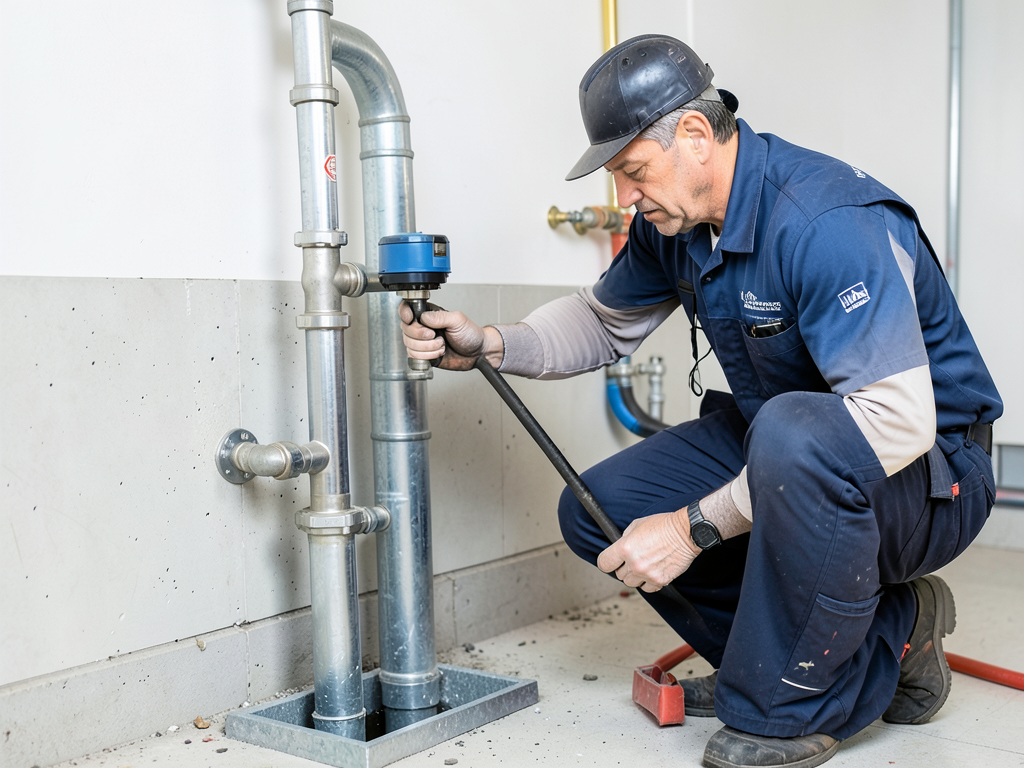
The installation process involves tapping into the secondary water main, installing proper shut-off valves, and connecting to your existing sprinkler system. This work must be performed by a licensed plumber familiar with Utah’s cross-connection control requirements. The most critical component is the backflow prevention assembly, which stops any possibility of contaminated water flowing backward into the culinary water system.
Secondary water connections in West Valley City must comply with both state plumbing codes and local water district regulations. The installation requires permits from the city and inspections to ensure everything meets safety standards. Working with an experienced local plumber ensures your system is installed correctly the first time, avoiding costly mistakes and potential water contamination issues. Reliable Plumbing Repair for Historic Homes in The Avenues.
Understanding Secondary Water vs. Culinary Water in Utah
Secondary water and culinary water serve completely different purposes in Utah’s water management system. Culinary water comes from treated sources like mountain springs, wells, and surface water that undergoes filtration and disinfection. This water meets strict drinking water standards and flows through pipes that run directly into your home for all indoor uses.
Secondary water, on the other hand, is untreated surface water diverted from rivers, canals, and reservoirs. This water contains sediment, organic matter, and sometimes agricultural runoff. While perfectly safe for watering lawns and gardens, it would make you sick if consumed. The two systems must remain completely separate to protect public health.
In West Valley City, the secondary water system operates on a seasonal basis, typically from April through October. During winter months, the system shuts down to prevent freezing damage to the infrastructure. This means your sprinkler system using secondary water will also need to be winterized and shut off during colder months.
The cost savings can be substantial. Secondary water rates in the Jordan Valley Water Conservancy District are significantly lower than culinary water rates—often 50-70% less per gallon. For a typical quarter-acre lot, this difference can save hundreds of dollars per watering season. However, these savings come with the responsibility of proper system maintenance and compliance with all safety regulations.
Secondary water quality varies throughout the season. Early spring water often contains higher sediment loads from snowmelt runoff, while late summer water may have more algae growth. This variability means your sprinkler system needs proper filtration to prevent clogging of sprinkler heads and damage to system components.
Utah Secondary Water Metering Requirements (SB 251)
Utah’s legislature passed Senate Bill 251 in 2019, creating a statewide mandate for secondary water metering. This law requires all secondary water connections to have meters installed by 2030, with the goal of promoting water conservation and providing accurate usage data to water districts and property owners.
The metering requirement applies to all new secondary water connections installed after July 2021, and existing connections must be retrofitted with meters by the 2030 deadline. In West Valley City, this means any new sprinkler system installation or secondary water tap-in must include a meter as part of the initial installation.
Jordan Valley Water Conservancy District has already begun implementing the metering program. They offer several meter options, including basic mechanical meters and advanced smart meters that provide real-time usage data through mobile apps. Smart meters allow you to monitor your water consumption patterns, detect leaks early, and optimize your watering schedule for maximum efficiency.
The installation of a secondary water meter typically costs between $300-600, depending on the meter type and installation complexity. Some water districts offer rebates or incentives for early adoption of smart metering technology. The meters are typically installed on the service line between the main and your property’s shut-off valve.
Metering provides several benefits beyond regulatory compliance. You’ll have accurate data on your actual water usage, which helps with budgeting and identifying potential problems. Many smart meters can detect unusual usage patterns that might indicate a leak or malfunctioning sprinkler valve, potentially saving you money on wasted water.
Failure to comply with the metering requirements can result in penalties or service interruptions. Water districts are working with property owners to ensure smooth transitions, but the deadline is firm. Planning your secondary water connection now, with metering included, ensures you’re ahead of the compliance curve.
Our Installation Process: From Main Line to Irrigation
Connecting your sprinkler system to secondary water requires a systematic approach that begins with locating the main line and ends with system testing. Our licensed plumbers follow a proven process that ensures code compliance and long-term reliability.
The first step involves locating the secondary water main on your property or in the right-of-way. This may require coordination with Jordan Valley Water Conservancy District to identify the exact location of the service line. We use specialized locating equipment to pinpoint underground utilities and avoid damaging existing infrastructure during excavation.
Once the main line is located, we excavate to expose it safely. The tapping process involves using a corporation stop valve, which allows us to create a connection without shutting off water to other properties. This specialized tool drills into the main while maintaining system pressure, then installs a valve that can be closed for future service.
After the tap is complete, we install a full-port ball valve as your primary shut-off. This valve provides reliable on/off control and should be easily accessible for emergency shut-off if needed. From there, we run the service line to your property line, typically using Schedule 40 PVC pipe rated for non-potable water service.
The next critical component is the backflow prevention assembly. Utah plumbing code requires a reduced pressure principle (RPZ) assembly for secondary water connections. This device contains two check valves and a relief valve that prevent any backward flow of contaminated water into the culinary system. The RPZ must be installed above ground in an accessible location with adequate drainage for the relief valve discharge. Expert Drain Cleaning in Sandy UT for Stubborn Clogs.
We then connect the RPZ to your existing sprinkler system manifold or install a new one if needed. This includes pressure testing all connections, installing proper unions for future service, and ensuring all valves operate correctly. The final step involves flushing the system to remove any debris from installation and testing all zones for proper operation.
Throughout the process, we coordinate with West Valley City building department for required permits and inspections. The city requires inspections at several stages: after excavation, after backflow installation, and upon final completion. These inspections ensure your system meets all safety and code requirements.
Our installation typically takes 2-3 days from start to finish, depending on weather conditions and the complexity of your property layout. We provide detailed documentation of the work performed, including as-built drawings showing the location of all underground components for future reference.
Backflow Prevention & Safety Standards
Backflow prevention is the most critical safety component of any secondary water connection. Without proper protection, contaminated secondary water could flow backward into your home’s drinking water supply through cross-connections, creating serious health hazards for you and your neighbors.
Utah Administrative Code R309-105 mandates specific backflow prevention requirements for secondary water connections. For residential irrigation systems, this means installing a reduced pressure principle assembly (RPZ). The RPZ is the most reliable type of backflow preventer because it provides protection even if one check valve fails or if supply pressure drops suddenly.
The RPZ assembly contains two independently operating check valves with a pressure differential relief valve between them. Under normal operation, the relief valve remains closed because pressure between the check valves stays below supply pressure. If either check valve fails or supply pressure drops, the relief valve opens to atmosphere, preventing backflow and providing a visual indication of a problem.
Proper installation height is crucial for RPZ operation. The assembly must be installed at least 12 inches above the highest downstream piping to ensure proper drainage through the relief valve. In West Valley City’s flat terrain, this often means installing the RPZ on a raised platform or stand to achieve the required elevation.. Read more about Why a French Drain Is the Best Solution for Soggy Sandy Backyards.
Annual testing by a certified backflow prevention assembly tester is required by both state law and local water districts. The tester verifies that both check valves hold pressure and that the relief valve operates correctly. Testing typically costs $50-100 and must be performed by someone with specific certification from the Utah Department of Environmental Quality.
Backflow preventers can occasionally discharge water through the relief valve, especially during system startup or pressure fluctuations. This discharge must be properly managed with an approved drain line that directs water away from the foundation and any walkways. We install these drain lines to ensure safe operation without creating slip hazards or water damage.
Maintenance of your backflow preventer includes winterization to prevent freeze damage. The internal components contain water that can freeze and crack the assembly if not properly drained. Our winterization service includes shutting off the supply valve, relieving pressure, and draining all water from the assembly.
Cost Factors for Secondary Water Connection in SLC
Several factors influence the total cost of connecting your sprinkler system to secondary water in West Valley City. Understanding these variables helps you budget accurately and avoid surprises during the installation process.
Distance from the secondary water main is often the biggest cost factor. Properties located far from the main line require more excavation, longer pipe runs, and additional materials. In West Valley City, lot sizes vary significantly, with some properties requiring 100+ feet of service line while others may be within 20 feet of the main.
Soil conditions affect both labor and equipment requirements. West Valley City has a mix of soil types, from sandy areas near the Jordan River to clay-heavy soils in other parts of the city. Rocky soil or areas with buried debris can significantly slow excavation and increase labor costs. Clay soils also tend to be more difficult to work with when wet.
Permit fees vary by jurisdiction. West Valley City charges building permit fees based on the project scope, typically ranging from $50-200 for secondary water connections. The Jordan Valley Water Conservancy District may also charge connection fees, which can range from $100-300 depending on the size of the service line and meter requirements.
The type of backflow prevention assembly affects both initial cost and long-term maintenance. A standard RPZ assembly costs $150-300, while smart-enabled models with built-in meters can cost $400-600. The more expensive models provide usage data and leak detection capabilities that may save money over time.
Property accessibility impacts installation costs. Homes with limited access for equipment, mature landscaping that needs protection, or underground utilities that require careful navigation may increase labor costs. We conduct a site assessment before providing a firm quote to identify any potential complications.
Additional components like valve boxes, unions for serviceability, and proper drainage for the backflow preventer add to the total cost but are essential for code compliance and long-term reliability. These items typically add $100-200 to the project but prevent much more expensive repairs later.
Seasonal timing can affect pricing. Spring and early summer are peak seasons for irrigation work, which may result in higher prices and longer wait times. Scheduling your installation during off-peak months can sometimes result in better pricing and faster service.
Based on recent projects in West Valley City, total costs for secondary water connections typically range from $1,500-3,500 for standard residential installations. This includes all permits, materials, labor, and testing. Complex installations with long runs or difficult conditions can exceed $4,000.
Maintenance Requirements for Secondary Water Systems
Secondary water systems require specific maintenance to ensure reliable operation and protect your investment. The untreated nature of secondary water means your system faces challenges that don’t exist with culinary water, including sediment buildup, algae growth, and seasonal quality variations.
Filter maintenance is crucial for secondary water systems. Most installations include a sediment filter on the service line to protect the backflow preventer and sprinkler heads from clogging. These filters need cleaning every 2-4 weeks during peak season, with frequency depending on water quality and usage. A clogged filter reduces system pressure and can damage components.
Sprinkler head maintenance becomes more important with secondary water. The sediment and organic matter in the water can accumulate in nozzle openings, causing uneven spray patterns or complete blockages. We recommend checking and cleaning all sprinkler heads at the beginning of each season and inspecting them monthly during use.
Valve maintenance includes checking for leaks, ensuring proper operation, and cleaning valve diaphragms that can become clogged with sediment. Automatic valves should be tested at the start of each season to verify they open and close correctly. Stuck valves can waste significant water or prevent proper system operation.
Backflow preventer testing must be performed annually by a certified tester. This testing verifies that the check valves maintain proper pressure differentials and that the relief valve operates correctly. Many homeowners schedule this testing in early spring before the watering season begins, ensuring the system is ready when needed.
Winterization is essential for protecting your secondary water system from freeze damage. This process involves shutting off the supply valve, opening all manual valves, and using compressed air to blow out any remaining water from the lines. Even small amounts of water left in the system can freeze, expand, and crack pipes or damage the backflow preventer.
Pressure regulation may be necessary depending on your system design. Secondary water systems often operate at higher pressures than ideal for residential sprinklers. Installing a pressure-reducing valve protects your system components from excessive pressure that could cause premature failure or inefficient operation.
System monitoring helps catch problems early. Smart meters and controllers can alert you to unusual usage patterns that might indicate leaks or malfunctioning valves. Even without smart technology, regular visual inspections of your landscape can reveal problems like overly wet or dry areas that suggest system issues.
Long-term maintenance includes replacing worn components before they fail. Common replacement items include valve diaphragms every 5-7 years, filter cartridges annually, and sprinkler heads every 8-10 years depending on water quality and usage. Proactive replacement prevents system failures during peak watering season.
Common Secondary Water Issues and Troubleshooting
Even well-installed secondary water systems can develop problems over time. Understanding common issues and their solutions helps you maintain system reliability and avoid costly emergency repairs.
Low water pressure is one of the most frequent complaints with secondary water systems. This can result from clogged filters, partially closed valves, or excessive demand on the system during peak hours. Start troubleshooting by checking the filter—if it’s dirty, cleaning it often restores normal pressure. If the filter is clean, verify that all valves are fully open and check for any visible leaks.
Sediment clogging affects sprinkler heads, valves, and filters. Secondary water naturally contains suspended particles that settle out or get trapped in small passages. Symptoms include reduced spray distance, uneven coverage, or complete blockages. Regular filter maintenance prevents most sediment issues, but stubborn clogs may require removing and cleaning individual components.
Backflow preventer discharge can alarm homeowners who aren’t familiar with these devices. Small amounts of water dripping from the relief valve during system operation are normal, as the valve maintains pressure differentials. However, continuous or heavy discharge indicates a problem requiring testing and possible repair. Never plug or cap the relief valve discharge line.
Valve failure can manifest as zones that won’t turn on, won’t turn off, or cycle erratically. Sediment can prevent valves from seating properly, while worn diaphragms may cause internal leaks. Start diagnosis by checking for obvious obstructions, then test valve operation manually. Some problems can be resolved by cleaning, while others require component replacement.
Water quality fluctuations throughout the season affect system performance. Spring runoff often carries high sediment loads, while late-season water may have more biological growth. These variations can cause temporary performance issues that resolve as water quality improves. Installing a larger capacity filter or using finer nozzles during problematic periods can help manage these fluctuations.
Cross-connection concerns arise when modifications are made to plumbing systems. Any connection between secondary and culinary water systems creates a serious health hazard. Common mistakes include using secondary water supply pipes for outdoor sinks or improperly installed hose connections. Always verify that any modifications maintain complete separation between the two systems.. Read more about Upgrading to Frost-Proof Outdoor Faucets for Your Highland Park Garden.
Freeze damage occurs when systems aren’t properly winterized. Even in West Valley City’s relatively mild climate, nighttime temperatures regularly drop below freezing during late fall and winter. Damage from a single freeze event can crack pipes, destroy backflow preventers, and require extensive repairs. Proper winterization costs far less than repairing freeze damage.
Electrical control issues affect automatic systems. Sprinkler controllers can fail due to power surges, age, or programming errors. Symptoms include zones that don’t operate as scheduled or systems that won’t respond to manual commands. Most controller problems can be resolved through troubleshooting or simple component replacement without affecting the water supply components.
Benefits of Professional Installation vs. DIY
While some homeowners consider installing secondary water connections themselves, professional installation offers significant advantages in terms of code compliance, system reliability, and long-term cost savings.
Code compliance represents the most critical difference between professional and DIY installation. Utah plumbing codes and local water district regulations contain specific requirements for secondary water connections that many homeowners don’t know. A licensed plumber understands these requirements and ensures your installation meets all legal standards, preventing potential fines or mandatory rework.
Proper backflow prevention installation requires specialized knowledge and tools. The RPZ assembly must be installed at the correct elevation, with proper drainage for the relief valve, and accessible for annual testing. Incorrect installation can create serious health hazards and may void the device’s warranty. Professional installers have the experience to handle these critical details correctly.
Permit acquisition and inspection coordination can be challenging for DIY installers. West Valley City and Jordan Valley Water Conservancy District both require permits for secondary water connections. The process involves submitting plans, paying fees, and scheduling inspections at specific stages. Professional plumbers handle this paperwork and coordination as part of their service.
Underground utility location is crucial for safe excavation. Striking a buried gas line, electrical conduit, or communication cable can cause serious injury, service outages, or expensive repairs. Professional plumbers use locating equipment and follow established procedures to identify and avoid these hazards. DIY excavators often rely solely on utility marking services, which may not show all underground features.
System design expertise ensures your irrigation system operates efficiently. Professional installers consider factors like water pressure, flow rates, zone sizing, and coverage patterns when connecting to secondary water. This expertise prevents problems like inadequate coverage, pressure losses, or inefficient water use that often plague DIY installations.
Warranty protection provides peace of mind that DIY installations can’t match. Professional installations typically include warranties on both labor and materials. If problems develop, you have recourse through the installer. DIY installations leave you responsible for all repairs and corrections if something goes wrong.
Time and equipment considerations often surprise DIY installers. Professional plumbers have specialized tools for tapping mains, locating utilities, and making proper connections. They also complete installations much faster than most homeowners can, often finishing in a day what might take a DIYer a weekend or longer.
Long-term reliability favors professional installation. The combination of proper materials, correct techniques, and experienced troubleshooting results in systems that operate reliably for years with minimal maintenance. DIY installations often develop problems within the first year that require professional correction anyway.
Frequently Asked Questions
Is secondary water safe for my lawn and garden?
Yes, secondary water is perfectly safe for irrigation use. While it’s not treated for drinking, it won’t harm your plants, grass, or soil. The water comes from the same sources as many rivers and streams that naturally water landscapes. The main concern is keeping it separate from your drinking water supply through proper backflow prevention.
How much can I save by switching to secondary water?
Savings vary based on your water usage and local rates, but most homeowners save 50-70% on their outdoor watering costs. For a typical quarter-acre lot, this can mean $200-400 in savings per watering season. The exact amount depends on your irrigation needs, local water rates, and how efficiently your system operates.
Do I need a permit to connect to secondary water?
Yes, you need permits from both West Valley City and Jordan Valley Water Conservancy District. The city requires a building permit for the connection work, and the water district must approve the service tap. Professional plumbers handle all permit acquisition and ensure your installation passes required inspections.
What happens if my backflow preventer is discharging water?
Some discharge during system operation is normal, as the relief valve maintains proper pressure differentials. However, continuous or heavy discharge indicates a problem requiring testing. Never plug or cap the discharge line, as this could create a dangerous cross-connection. Contact a certified backflow tester to diagnose and repair the issue.
Can I install a secondary water connection myself?
While technically possible, DIY installation is not recommended due to code compliance requirements, backflow prevention complexity, and permit processes. Professional installation ensures your system meets all safety standards and operates reliably. The cost difference is often minimal compared to the risks of improper installation.
When should I winterize my secondary water system?
Winterize your system before the first hard freeze, typically in late October or early November in West Valley City. The process involves shutting off the supply valve, relieving pressure, and blowing out all water from the lines and backflow preventer. Professional winterization prevents costly freeze damage and ensures your system is ready for spring.
How often should I have my backflow preventer tested?
Utah law requires annual testing by a certified backflow prevention assembly tester. Many homeowners schedule this testing in early spring before the watering season begins. The tester verifies that both check valves and the relief valve operate correctly, ensuring your system provides proper protection against cross-contamination.
What if my property isn’t currently served by secondary water?
Not all West Valley City properties have secondary water available. Contact Jordan Valley Water Conservancy District to verify service availability at your address. If secondary water isn’t currently available, you may still be able to connect in the future as the district expands service, or you might need to explore alternatives like water-efficient landscaping or culinary water for irrigation.
How long does installation take?
Standard residential installations typically take 2-3 days from start to finish. This includes obtaining permits, excavation, making the connection, installing the backflow preventer, connecting to your sprinkler system, and passing inspections. Complex installations or those with difficult access may take longer.
What maintenance does a secondary water system require?
Key maintenance tasks include cleaning sediment filters every 2-4 weeks during use, checking and cleaning sprinkler heads monthly, testing the backflow preventer annually, and winterizing the system each fall. Smart controllers and meters can help monitor system performance and alert you to potential problems early.
Will secondary water stain my concrete or siding?
Secondary water can cause staining on concrete, siding, and other surfaces, especially during the first few minutes of system operation when sediment is most concentrated. This staining is primarily aesthetic and doesn’t indicate a system problem. Using proper sprinkler head adjustment and avoiding overspray on buildings can minimize staining issues.
What’s the difference between an RPZ and other backflow preventers?
For residential secondary water connections, Utah code requires a reduced pressure principle assembly (RPZ). This provides the highest level of protection because it includes a relief valve that dumps to atmosphere if either check valve fails. Other types like double check valves don’t provide this fail-safe protection and aren’t approved for secondary water connections.
Get Your Secondary Water Connection Started Today
Connecting your West Valley City sprinkler system to secondary water is a smart investment that pays for itself through reduced water bills while ensuring compliance with all local regulations. The process involves more than just tapping into a water line—it requires understanding Utah’s specific requirements, proper backflow prevention, and careful installation techniques that protect both your property and public health.
Our licensed plumbers have extensive experience with secondary water connections throughout the Salt Lake Valley, including West Valley City and the surrounding areas served by Jordan Valley Water Conservancy District. We handle everything from permit acquisition to final inspection, ensuring your system meets all code requirements and operates reliably for years to come.
Don’t wait until peak season when demand is highest and wait times are longest. Contact us now to schedule your secondary water connection. We’ll assess your property, explain your options, and provide a clear, upfront quote with no hidden fees. Our installations include all necessary permits, proper backflow prevention, and complete system testing to ensure everything works correctly.
Ready to start saving on your water bills while maintaining a beautiful landscape? Call (385) 406-8899 today to schedule your secondary water connection consultation. Our team is standing by to answer your questions and help you join the thousands of Utah homeowners who have already made the switch to secondary water irrigation.
Pick up the phone and call (385) 406-8899 before the next watering season begins. Every week you wait is more money spent on culinary water that could be saved with a properly installed secondary water system. Don’t let another season go by paying premium rates for water your lawn doesn’t need to drink.
Additional Resources
For more information about secondary water service in your area, visit these official resources:
- Jordan Valley Water Conservancy District – Service area maps, rates, and contact information
- Utah Department of Environmental Quality – Backflow prevention certification and regulations
- West Valley City Building Department – Permit information and inspection scheduling
Understanding your options and working with qualified professionals ensures your secondary water connection provides years of reliable service while keeping your landscape healthy and your water bills under control.
{
“@context”: “https://schema.org”,
“@type”: “BlogPosting”,
“headline”: “Connecting Your West Valley City Sprinkler System to a Secondary Water Connection”,
“description”: “Learn how to connect your West Valley City sprinkler system to secondary water, meet Utah’s SB 251 metering requirements, and ensure safe, code-compliant irrigation installation.”,
“wordCount”: 4528,
“datePublished”: “2026-05-19T15:42:00.000Z”,
“dateModified”: “2026-05-19T15:42:00.000Z”,
“inLanguage”: “en-US”,
“mainEntityOfPage”: {
“@type”: “WebPage”,
“@id”: “https://crestlineplumbingsaltlakecity.com”
},
“publisher”: {
“@type”: “LocalBusiness”,
“name”: “Crestline Plumbing Salt Lake City”,
“url”: “https://crestlineplumbingsaltlakecity.com”
},
“author”: {
“@type”: “Organization”,
“name”: “Crestline Plumbing Salt Lake City”,
“url”: “https://crestlineplumbingsaltlakecity.com”
},
“image”: {
“@type”: “ImageObject”,
“url”: “https://crestlineplumbingsaltlakecity.com/wp-content/uploads/2026/03/connecting-your-west-valley-city-sprinkler-system-1.png”
}
}
{
“@context”: “https://schema.org”,
“@type”: “Plumber”,
“name”: “Crestline Plumbing Salt Lake City”,
“url”: “https://crestlineplumbingsaltlakecity.com”,
“address”: {
“@type”: “PostalAddress”,
“addressLocality”: “Salt Lake City”
},
“areaServed”: {
“@type”: “City”,
“name”: “Salt Lake City”
}
}
{
“@context”: “https://schema.org”,
“@type”: “FAQPage”,
“mainEntity”: [
{
“@type”: “Question”,
“name”: “Is secondary water safe for my lawn and garden?”,
“acceptedAnswer”: {
“@type”: “Answer”,
“text”: “Yes, secondary water is perfectly safe for irrigation use. While it’s not treated for drinking, it won’t harm your plants, grass, or soil. The water comes from the same sources as many rivers and streams that naturally water landscapes. The main concern is keeping it separate from your drinking water supply through proper backflow prevention.”
}
},
{
“@type”: “Question”,
“name”: “How much can I save by switching to secondary water?”,
“acceptedAnswer”: {
“@type”: “Answer”,
“text”: “Savings vary based on your water usage and local rates, but most homeowners save 50-70% on their outdoor watering costs. For a typical quarter-acre lot, this can mean $200-400 in savings per watering season. The exact amount depends on your irrigation needs, local water rates, and how efficiently your system operates.”
}
},
{
“@type”: “Question”,
“name”: “Do I need a permit to connect to secondary water?”,
“acceptedAnswer”: {
“@type”: “Answer”,
“text”: “Yes, you need permits from both West Valley City and Jordan Valley Water Conservancy District. The city requires a building permit for the connection work, and the water district must approve the service tap. Professional plumbers handle all permit acquisition and ensure your installation passes required inspections.”
}
},
{
“@type”: “Question”,
“name”: “What happens if my backflow preventer is discharging water?”,
“acceptedAnswer”: {
“@type”: “Answer”,
“text”: “Some discharge during system operation is normal, as the relief valve maintains proper pressure differentials. However, continuous or heavy discharge indicates a problem requiring testing. Never plug or cap the discharge line, as this could create a dangerous cross-connection. Contact a certified backflow tester to diagnose and repair the issue.”
}
},
{
“@type”: “Question”,
“name”: “Can I install a secondary water connection myself?”,
“acceptedAnswer”: {
“@type”: “Answer”,
“text”: “While technically possible, DIY installation is not recommended due to code compliance requirements, backflow prevention complexity, and permit processes. Professional installation ensures your system meets all safety standards and operates reliably. The cost difference is often minimal compared to the risks of improper installation.”
}
},
{
“@type”: “Question”,
“name”: “When should I winterize my secondary water system?”,
“acceptedAnswer”: {
“@type”: “Answer”,
“text”: “Winterize your system before the first hard freeze, typically in late October or early November in West Valley City. The process involves shutting off the supply valve, relieving pressure, and blowing out all water from the lines and backflow preventer. Professional winterization prevents costly freeze damage and ensures your system is ready for spring.”
}
},
{
“@type”: “Question”,
“name”: “How often should I have my backflow preventer tested?”,
“acceptedAnswer”: {
“@type”: “Answer”,
“text”: “Utah law requires annual testing by a certified backflow prevention assembly tester. Many homeowners schedule this testing in early spring before the watering season begins. The tester verifies that both check valves and the relief valve operate correctly, ensuring your system provides proper protection against cross-contamination.”
}
},
{
“@type”: “Question”,
“name”: “How long does installation take?”,
“acceptedAnswer”: {
“@type”: “Answer”,
“text”: “Standard residential installations typically take 2-3 days from start to finish. This includes obtaining permits, excavation, making the connection, installing the backflow preventer, connecting to your sprinkler system, and passing inspections. Complex installations or those with difficult access may take longer.”
}
},
{
“@type”: “Question”,
“name”: “What maintenance does a secondary water system require?”,
“acceptedAnswer”: {
“@type”: “Answer”,
“text”: “Key maintenance tasks include cleaning sediment filters every 2-4 weeks during use, checking and cleaning sprinkler heads monthly, testing the backflow preventer annually, and winterizing the system each fall. Smart controllers and meters can help monitor system performance and alert you to potential problems early.”
}
},
{
“@type”: “Question”,
“name”: “Will secondary water stain my concrete or siding?”,
“acceptedAnswer”: {
“@type”: “Answer”,
“text”: “Secondary water can cause staining on concrete, siding, and other surfaces, especially during the first few minutes of system operation when sediment is most concentrated. This staining is primarily aesthetic and doesn’t indicate a system problem. Using proper sprinkler head adjustment and avoiding overspray on buildings can minimize staining issues.”
}
},
{
“@type”: “Question”,
“name”: “What’s the difference between an RPZ and other backflow preventers?”,
“acceptedAnswer”: {
“@type”: “Answer”,
“text”: “For residential secondary water connections, Utah code requires a reduced pressure principle assembly (RPZ). This provides the highest level of protection because it includes a relief valve that dumps to atmosphere if either check valve fails. Other types like double check valves don’t provide this fail-safe protection and aren’t approved for secondary water connections.”
}
}
]
}
{
“@context”: “https://schema.org”,
“@type”: “BreadcrumbList”,
“itemListElement”: [
{
“@type”: “ListItem”,
“position”: 1,
“name”: “Home”,
“item”: “https://crestlineplumbingsaltlakecity.com”
},
{
“@type”: “ListItem”,
“position”: 2,
“name”: “Blog”,
“item”: “https://crestlineplumbingsaltlakecity.com/blog”
},
{
“@type”: “ListItem”,
“position”: 3,
“name”: “Connecting Your West Valley City Sprinkler System to a Secondary Water Connection”
}
]
}
{
“@context”: “https://schema.org”,
“@type”: “Service”,
“serviceType”: “Plumbing”,
“provider”: {
“@type”: “LocalBusiness”,
“name”: “Crestline Plumbing Salt Lake City”,
“url”: “https://crestlineplumbingsaltlakecity.com”
},
“areaServed”: {
“@type”: “City”,
“name”: “Salt Lake City”
},
“description”: “Learn how to connect your West Valley City sprinkler system to secondary water, meet Utah’s SB 251 metering requirements, and ensure safe, code-compliant irrigation installation.”
}