
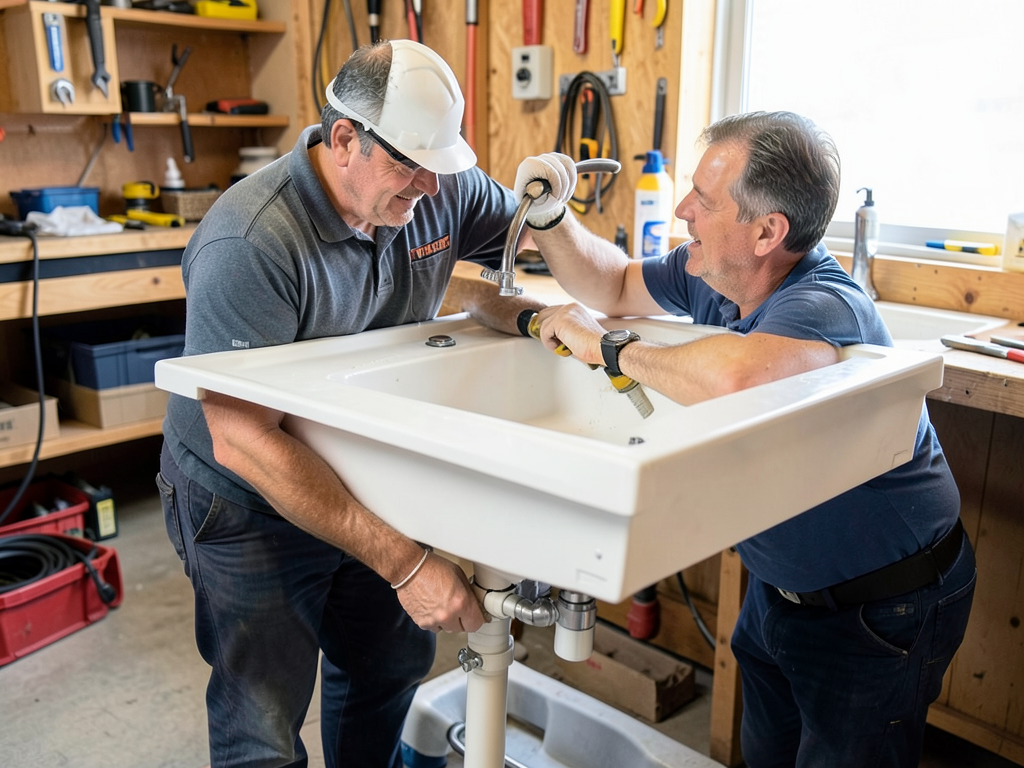
Adding a Utility Sink to Your West Valley City Garage or Workshop
Adding a utility sink to your West Valley City garage or workshop transforms the space into a true multi-purpose area. Whether you need a spot to clean gardening tools, wash pets, or handle messy projects, a garage sink brings convenience right where you need it. But in Utah’s climate, proper installation requires more than just running pipes—it demands code compliance, freeze protection, and professional expertise to ensure your investment lasts through every season. Utah State Construction and Fire Codes.
Why West Valley City Homeowners Choose Garage Utility Sinks
West Valley City residents often use their garages as workshops, hobby spaces, or even secondary living areas. A utility sink provides a dedicated cleaning station for paint brushes, automotive parts, or muddy boots without tracking mess into your home. The area’s mix of newer developments and established neighborhoods means plumbing challenges vary—from retrofitting older homes to integrating with modern garage builds. Reliable Plumbing Repair for Historic Homes in The Avenues.
Understanding Your Garage’s Plumbing Infrastructure
Before installing a utility sink, you need to assess your garage’s existing plumbing layout. Most West Valley City garages sit on concrete slabs, which means running new water lines requires either trenching through concrete or accessing plumbing from an adjacent wall. The main water supply line and sewer stack location dramatically affect installation complexity and cost. Best Water Softener Installation Services in Salt Lake City to Fight Hard Water.
Water pressure in West Valley City typically ranges from 40-80 PSI, adequate for most utility sink applications. However, the area’s hard water—rich in calcium and magnesium—can cause mineral buildup in faucets and supply lines over time. Installing a point-of-use water softener or choosing fixtures rated for hard water conditions helps prevent premature wear. Water Main Leak Detection and Repair in Holladay.
Step-by-Step Garage Utility Sink Installation Process
- Plan the Layout
Determine the optimal location for your sink, considering proximity to existing water lines, drainage, and workspace functionality. Measure distances to main plumbing stacks to estimate material needs. Expert Drain Cleaning in Sandy UT for Stubborn Clogs.
- Obtain Necessary Permits
West Valley City requires plumbing permits for new fixture installations. Contact the city’s building department to submit plans and schedule inspections. This ensures your installation meets Utah State Construction and Fire Codes. EPA WaterSense program.
- Prepare the Site
Clear the installation area and protect surrounding surfaces. If running lines through concrete, use proper safety equipment and dust control measures. Mark cut lines precisely before any demolition work.. Read more about Why You Need an Air Gap for Your New Millcreek Dishwasher Installation.
- Install Water Supply Lines
Run hot and cold PEX or copper lines from your main water supply to the sink location. Use appropriate fittings and support brackets. Install shut-off valves at the source for emergency control. Water Stains on Ceiling or Walls.
- Set Up Drainage System
Connect the sink drain to your home’s main sewer line using proper slope and venting. Install a P-trap to prevent sewer gases from entering your garage. Ensure the drain line maintains a minimum 1/4-inch per foot slope toward the main stack.
- Install Vent Stack
Proper venting prevents slow drainage and gurgling sounds. Connect to an existing vent or install a new vent stack that extends through the roof. This step is critical for code compliance and system performance.
- Mount the Sink
Secure the utility tub to the wall or floor using manufacturer-recommended hardware. Level the sink and connect supply lines and drain assembly. Test all connections for leaks before final installation.
- Winterize the Installation
Apply pipe insulation to all exposed lines. Install heat tape on pipes in unheated areas. Consider a frost-free hose bib if you plan to use a garden hose connection. Test the system before winter arrives.
West Valley City-Specific Plumbing Considerations
West Valley City’s climate creates unique challenges for garage plumbing. Winter temperatures regularly drop below freezing, making pipe insulation and freeze protection essential. The area’s soil composition—primarily clay with high alkalinity—can affect underground plumbing if you need to run exterior drain lines.
Local building codes require specific materials and installation methods. Utah State Construction and Fire Codes mandate that all new plumbing installations use materials rated for the local climate. For garage applications, this often means PEX piping for its freeze resistance or copper with proper insulation.
Water quality in West Valley City affects fixture longevity. The high mineral content means you’ll need to clean aerators and faucet screens more frequently. Consider installing a sediment filter on the cold water line to your utility sink to reduce maintenance.
Choosing the Right Utility Sink for Your Garage
Utility sinks come in various materials and configurations. For garage use, durability matters more than aesthetics. Heavy-duty polypropylene tubs resist chemicals and impacts, while stainless steel offers superior durability and easier cleaning. Consider these factors when selecting your sink:
| Material | Pros | Cons | Best For |
|---|---|---|---|
| Polypropylene | Lightweight, chemical resistant, affordable | Less durable, can stain | General cleaning, gardening |
| Stainless Steel | Durable, easy to clean, professional look | Expensive, can dent | Heavy-duty use, automotive work |
| Porcelain | Classic appearance, smooth surface | Brittle, expensive to repair | Finished garage spaces |
Size matters too. Standard utility tubs range from 10 to 20 gallons. For most garage applications, a 15-gallon sink provides adequate capacity without overwhelming the space. Consider the depth—deeper sinks (12-15 inches) handle larger items but require more bending to use.
Hot Water Options for Your Garage Sink
Hot water availability transforms a utility sink from basic to versatile. You have several options for providing hot water to your garage installation:
- Extend from Home System – Run a dedicated hot water line from your home’s water heater. This works well if your garage is close to the house and you need consistent hot water.
- Point-of-Use Heater – Install a small electric or gas tankless heater near the sink. This provides instant hot water without running long supply lines.
- Mixing Valve – If you only need warm water occasionally, install a mixing valve that combines hot and cold water at the faucet.
For West Valley City’s climate, point-of-use heaters often make the most sense. They provide hot water quickly and can be sized specifically for your sink’s usage patterns. Electric models are simpler to install, while gas units offer faster recovery for heavy use.
Winterization: Protecting Your Investment
Utah winters pose serious risks to garage plumbing. When temperatures drop below 20°F, standing water in pipes can freeze and cause bursts. Proper winterization protects your investment and prevents costly repairs.
Start with pipe insulation. Use foam pipe insulation sleeves on all exposed supply lines. For added protection in extremely cold areas, wrap pipes with heat tape before insulating. Heat tape contains a heating element that activates when temperatures approach freezing.
Install a dedicated shut-off valve for your garage sink supply lines. Before the first hard freeze, turn off the water supply and open the sink faucets to drain any remaining water. This simple step prevents freeze damage even if your insulation fails.. Read more about The Pros and Cons of Touchless vs Manual Faucets for High Traffic Kitchens in Draper.
Consider the location carefully. If your garage is uninsulated, placing the sink on an interior wall or near a heat source reduces freeze risk. Some homeowners install small electric heaters near the plumbing during extreme cold spells.
Cost Factors for Garage Utility Sink Installation
Installation costs vary based on several factors specific to your West Valley City home:
| Factor | Cost Impact | Notes |
|---|---|---|
| Distance to Main Plumbing | High | Each additional foot of pipe adds material and labor costs |
| Concrete Cutting Required | High | Breaking through concrete slabs is labor-intensive and dusty |
| Vent Installation | Medium | May require roof penetration and flashing |
| Freeze Protection | Medium | Heat tape and insulation add to material costs |
| Permit Fees | Low | West Valley City charges $50-150 for plumbing permits |
Basic installations in garages with accessible plumbing might cost $800-1,200. Complex projects requiring concrete work or extensive new piping can exceed $2,500. Always get multiple quotes and verify that contractors are licensed and insured for Utah work.
Common Mistakes to Avoid
DIY garage sink installations often fail due to these common errors:
- Improper Venting – Skipping the vent stack causes slow drainage and gurgling sounds. It also violates building codes.
- Inadequate Slope – Drain lines must slope at least 1/4 inch per foot toward the main stack. Flat or uphill runs cause backups.
- Missing P-Trap – Every drain needs a P-trap to block sewer gases. This is non-negotiable for code compliance.
- Insufficient Freeze Protection – Utah winters are too harsh for basic insulation alone. Heat tape or shut-off valves are essential.
- Wrong Pipe Materials – Using indoor-rated materials for garage applications leads to premature failure.
Professional vs. DIY Installation
Deciding between professional installation and DIY depends on your plumbing experience and project complexity. Simple installations where plumbing is readily accessible might suit experienced DIYers. However, most garage sink projects benefit from professional expertise.
Professionals bring several advantages: they understand local codes, have proper tools for concrete work, can handle unexpected issues like old galvanized pipes, and provide warranties on their work. They also handle permit acquisition and inspections, ensuring your installation passes code review.
For West Valley City residents, local plumbers understand the specific challenges of Utah’s climate and building practices. They know which materials perform best in local conditions and can recommend freeze protection strategies based on your garage’s specific layout.
Maintenance Tips for Your New Garage Sink
Once installed, proper maintenance keeps your utility sink functioning well for years:
- Clean Strainers Regularly – Remove debris from sink strainers to prevent clogs and maintain good drainage.
- Check for Leaks – Inspect supply lines and drain connections quarterly for signs of moisture or corrosion.
- Flush the System – Run hot and cold water through the sink monthly to keep traps full and prevent sewer gas entry.
- Winterize Annually – Before freezing weather arrives, drain the system if you won’t use it during winter months.
- Address Hard Water – Clean faucet aerators and shower heads regularly to prevent mineral buildup from West Valley City’s hard water.
Ready to Add a Utility Sink to Your Garage?
Adding a utility sink to your West Valley City garage or workshop is a smart investment that adds functionality and convenience to your home. Whether you’re planning a complete garage remodel or just need a dedicated cleaning station, proper installation ensures years of trouble-free use.
Don’t let Utah’s challenging climate or complex building codes discourage you. Professional plumbers familiar with West Valley City’s specific requirements can guide you through the process, from initial planning through final inspection.
Call (385) 406-8899 today to schedule your consultation. Our experienced team will assess your garage’s plumbing infrastructure, provide a detailed quote, and handle all permitting requirements. We’ll help you choose the right sink for your needs and ensure proper freeze protection for Utah’s harsh winters.
Pick up the phone and call (385) 406-8899 before the next storm hits. Don’t wait until freezing temperatures arrive to discover your garage plumbing isn’t ready for Utah’s winter. Professional installation now prevents emergency repairs later.
Frequently Asked Questions
How long does garage utility sink installation take?
Most installations require 1-2 days for a straightforward project. Complex installations involving concrete cutting or extensive new plumbing may take 3-4 days including permit processing and inspections.
Do I need a permit for a garage utility sink in West Valley City?
Yes, West Valley City requires plumbing permits for new fixture installations. The permit process ensures your installation meets Utah State Construction and Fire Codes and passes inspection.
Can I install a utility sink in a detached garage?
Yes, but it’s more complex. You’ll need to run water and drain lines underground from your house to the detached garage, which requires excavation and proper burial depth to prevent freezing.
What’s the best material for a garage utility sink?
For garage use, heavy-duty polypropylene or stainless steel offer the best durability. Polypropylene resists chemicals and impacts while stainless steel provides superior longevity and easier cleaning.
How do I prevent my garage sink pipes from freezing?
Combine pipe insulation with heat tape on exposed lines. Install a shut-off valve to drain the system during extreme cold. Consider the sink’s location—interior walls are less prone to freezing than exterior walls.
Can I connect my garage sink to a greywater system?
Greywater systems are possible but require specific permits and must meet local regulations. Most utility sinks drain to the main sewer system to ensure proper waste treatment.
{
“@context”: “https://schema.org”,
“@type”: “BlogPosting”,
“headline”: “Adding a Utility Sink to Your West Valley City Garage or Workshop”,
“description”: “Planning a garage utility sink in West Valley City? Learn SLC-specific plumbing codes, winterization tips, and professional installation costs for your workshop or garage.”,
“wordCount”: 2053,
“datePublished”: “2026-06-04T15:52:00.000Z”,
“dateModified”: “2026-06-04T15:52:00.000Z”,
“inLanguage”: “en-US”,
“mainEntityOfPage”: {
“@type”: “WebPage”,
“@id”: “https://crestlineplumbingsaltlakecity.com”
},
“publisher”: {
“@type”: “LocalBusiness”,
“name”: “Crestline Plumbing Salt Lake City”,
“url”: “https://crestlineplumbingsaltlakecity.com”
},
“author”: {
“@type”: “Organization”,
“name”: “Crestline Plumbing Salt Lake City”,
“url”: “https://crestlineplumbingsaltlakecity.com”
},
“image”: {
“@type”: “ImageObject”,
“url”: “https://crestlineplumbingsaltlakecity.com/wp-content/uploads/2026/03/adding-a-utility-sink-to-your-west-valley-city-gar-1.png”
}
}
{
“@context”: “https://schema.org”,
“@type”: “Plumber”,
“name”: “Crestline Plumbing Salt Lake City”,
“url”: “https://crestlineplumbingsaltlakecity.com”,
“address”: {
“@type”: “PostalAddress”,
“addressLocality”: “Salt Lake City”
},
“areaServed”: {
“@type”: “City”,
“name”: “Salt Lake City”
}
}
{
“@context”: “https://schema.org”,
“@type”: “FAQPage”,
“mainEntity”: [
{
“@type”: “Question”,
“name”: “Ready to Add a Utility Sink to Your Garage?”,
“acceptedAnswer”: {
“@type”: “Answer”,
“text”: “Adding a utility sink to your West Valley City garage or workshop is a smart investment that adds functionality and convenience to your home. Whether you’re planning a complete garage remodel or just need a dedicated cleaning station, proper installation ensures years of trouble-free use.”
}
},
{
“@type”: “Question”,
“name”: “How long does garage utility sink installation take?”,
“acceptedAnswer”: {
“@type”: “Answer”,
“text”: “Most installations require 1-2 days for a straightforward project. Complex installations involving concrete cutting or extensive new plumbing may take 3-4 days including permit processing and inspections.”
}
},
{
“@type”: “Question”,
“name”: “Do I need a permit for a garage utility sink in West Valley City?”,
“acceptedAnswer”: {
“@type”: “Answer”,
“text”: “Yes, West Valley City requires plumbing permits for new fixture installations. The permit process ensures your installation meets Utah State Construction and Fire Codes and passes inspection.”
}
},
{
“@type”: “Question”,
“name”: “Can I install a utility sink in a detached garage?”,
“acceptedAnswer”: {
“@type”: “Answer”,
“text”: “Yes, but it’s more complex. You’ll need to run water and drain lines underground from your house to the detached garage, which requires excavation and proper burial depth to prevent freezing.”
}
},
{
“@type”: “Question”,
“name”: “What’s the best material for a garage utility sink?”,
“acceptedAnswer”: {
“@type”: “Answer”,
“text”: “For garage use, heavy-duty polypropylene or stainless steel offer the best durability. Polypropylene resists chemicals and impacts while stainless steel provides superior longevity and easier cleaning.”
}
},
{
“@type”: “Question”,
“name”: “How do I prevent my garage sink pipes from freezing?”,
“acceptedAnswer”: {
“@type”: “Answer”,
“text”: “Combine pipe insulation with heat tape on exposed lines. Install a shut-off valve to drain the system during extreme cold. Consider the sink’s location—interior walls are less prone to freezing than exterior walls.”
}
},
{
“@type”: “Question”,
“name”: “Can I connect my garage sink to a greywater system?”,
“acceptedAnswer”: {
“@type”: “Answer”,
“text”: “Greywater systems are possible but require specific permits and must meet local regulations. Most utility sinks drain to the main sewer system to ensure proper waste treatment.”
}
}
]
}
{
“@context”: “https://schema.org”,
“@type”: “HowTo”,
“name”: “How to Install a Garage Utility Sink”,
“step”: [
{
“@type”: “HowToStep”,
“position”: 1,
“name”: “Plan the Layout”,
“text”: “Determine the optimal location for your sink, considering proximity to existing water lines, drainage, and workspace functionality. Measure distances to main plumbing stacks to estimate material needs. Expert Drain Cleaning in Sandy UT for Stubborn Clogs.”
},
{
“@type”: “HowToStep”,
“position”: 2,
“name”: “Obtain Necessary Permits”,
“text”: “West Valley City requires plumbing permits for new fixture installations. Contact the city’s building department to submit plans and schedule inspections. This ensures your installation meets Utah State Construction and Fire Codes. EPA WaterSense program.”
},
{
“@type”: “HowToStep”,
“position”: 3,
“name”: “Prepare the Site”,
“text”: “Clear the installation area and protect surrounding surfaces. If running lines through concrete, use proper safety equipment and dust control measures. Mark cut lines precisely before any demolition work.”
},
{
“@type”: “HowToStep”,
“position”: 4,
“name”: “Install Water Supply Lines”,
“text”: “Run hot and cold PEX or copper lines from your main water supply to the sink location. Use appropriate fittings and support brackets. Install shut-off valves at the source for emergency control. Water Stains on Ceiling or Walls.”
},
{
“@type”: “HowToStep”,
“position”: 5,
“name”: “Set Up Drainage System”,
“text”: “Connect the sink drain to your home’s main sewer line using proper slope and venting. Install a P-trap to prevent sewer gases from entering your garage. Ensure the drain line maintains a minimum 1/4-inch per foot slope toward the main stack.”
},
{
“@type”: “HowToStep”,
“position”: 6,
“name”: “Install Vent Stack”,
“text”: “Proper venting prevents slow drainage and gurgling sounds. Connect to an existing vent or install a new vent stack that extends through the roof. This step is critical for code compliance and system performance.”
},
{
“@type”: “HowToStep”,
“position”: 7,
“name”: “Mount the Sink”,
“text”: “Secure the utility tub to the wall or floor using manufacturer-recommended hardware. Level the sink and connect supply lines and drain assembly. Test all connections for leaks before final installation.”
},
{
“@type”: “HowToStep”,
“position”: 8,
“name”: “Winterize the Installation”,
“text”: “Apply pipe insulation to all exposed lines. Install heat tape on pipes in unheated areas. Consider a frost-free hose bib if you plan to use a garden hose connection. Test the system before winter arrives.”
}
],
“image”: “https://crestlineplumbingsaltlakecity.com/wp-content/uploads/2026/03/adding-a-utility-sink-to-your-west-valley-city-gar-1.png”
}
{
“@context”: “https://schema.org”,
“@type”: “BreadcrumbList”,
“itemListElement”: [
{
“@type”: “ListItem”,
“position”: 1,
“name”: “Home”,
“item”: “https://crestlineplumbingsaltlakecity.com”
},
{
“@type”: “ListItem”,
“position”: 2,
“name”: “Blog”,
“item”: “https://crestlineplumbingsaltlakecity.com/blog”
},
{
“@type”: “ListItem”,
“position”: 3,
“name”: “Adding a Utility Sink to Your West Valley City Garage or Workshop”
}
]
}
{
“@context”: “https://schema.org”,
“@type”: “Service”,
“serviceType”: “Plumbing”,
“provider”: {
“@type”: “LocalBusiness”,
“name”: “Crestline Plumbing Salt Lake City”,
“url”: “https://crestlineplumbingsaltlakecity.com”
},
“areaServed”: {
“@type”: “City”,
“name”: “Salt Lake City”
},
“description”: “Planning a garage utility sink in West Valley City? Learn SLC-specific plumbing codes, winterization tips, and professional installation costs for your workshop or garage.”
}