
Choosing between Layton’s culinary and secondary water systems can save you money on irrigation but comes with serious plumbing risks if not installed correctly. Secondary water is non-potable irrigation water delivered through separate purple pipes by the Weber Basin Water Conservancy District. While it costs less per gallon than culinary water, it requires specialized backflow prevention to prevent contamination of your drinking water supply. This guide breaks down everything Layton homeowners need to know about dual water systems, from seasonal schedules to the specific cross-connection dangers that make professional installation critical. Weber Basin Water Conservancy District.
Understanding Layton’s Dual Water System: Culinary vs. Secondary
Layton operates a dual water system where culinary water serves indoor needs and secondary water handles outdoor irrigation. The Weber Basin Water Conservancy District manages secondary water delivery to most Davis County residents, including Layton. Secondary water comes from rivers, canals, and reservoirs, making it significantly cheaper than treated culinary water but also unfiltered and potentially contaminated with sediment, bacteria, and agricultural runoff. Best Water Softener Installation Services in Salt Lake City to Fight Hard Water.
The two systems use completely separate infrastructure. Secondary water travels through purple pipes that are clearly marked and maintained by the district. Culinary water flows through standard pipes and undergoes extensive treatment to meet EPA drinking water standards. Many Layton homes built since the 1990s have both systems available, though some older properties only have culinary water service. Water Main Leak Detection and Repair in Holladay.

Image Description: Purple secondary water pipe infrastructure showing clear color coding and district markings beside standard white culinary water pipes at a Layton residential service connection. Water Stains on Ceiling or Walls.
What is Culinary Water? (The Gold Standard)
Culinary water in Layton comes from deep wells, mountain springs, and treated surface water sources managed by Layton City Public Works. This water undergoes rigorous filtration, disinfection, and testing to meet or exceed EPA Safe Drinking Water Act standards. It’s safe for drinking, cooking, bathing, and all indoor household uses.
The treatment process removes bacteria, viruses, sediment, and harmful chemicals. Layton’s culinary water typically has a hardness level between 8-12 grains per gallon, which is considered moderately hard but still within acceptable drinking water standards. The city adds chlorine for disinfection and fluoride for dental health, following Utah Department of Environmental Quality guidelines. Utah Department of Environmental Quality.
Culinary water costs more per gallon because of the extensive treatment and infrastructure required. Layton residents pay tiered rates based on usage, with higher consumption leading to higher per-gallon costs. This pricing structure encourages conservation while ensuring reliable service for essential indoor needs. Reliable Plumbing Repair for Historic Homes in The Avenues.
What is Secondary Water? (The Layton Irrigation Special)
Secondary water is untreated irrigation water delivered through a separate pressurized distribution system. In Layton, this water primarily comes from the Davis & Weber Counties Canal Company canals and Weber Basin reservoirs. It’s specifically designated for outdoor use only and contains sediment, organic matter, and sometimes agricultural chemicals from upstream sources.
The secondary system operates seasonally, typically from mid-April through mid-October, depending on weather conditions and water availability. During the off-season, the district drains and maintains the infrastructure. Secondary water pressure varies throughout the system and can be affected by elevation, distance from pumping stations, and daily demand patterns. Expert Drain Cleaning in Sandy UT for Stubborn Clogs.
This water is not safe for human consumption, pet drinking, or any indoor use. It can contain E. coli bacteria, giardia cysts, and other pathogens that standard household filters cannot remove. The high sediment content can also clog sprinkler heads and drip emitters, requiring more frequent maintenance than culinary water irrigation systems.
Culinary vs. Secondary Water: Side-by-Side Comparison
| Feature | Culinary Water | Secondary Water |
|---|---|---|
| Source | Deep wells, springs, treated surface water | Canals, reservoirs, agricultural runoff |
| Treatment | Full filtration, disinfection, EPA standards | None – raw irrigation water |
| Cost per 1000 gallons | $3.50 – $5.00 (tiered) | $0.50 – $1.00 (flat seasonal rate) |
| Availability | Year-round | April 15 – October 15 (typical) |
| Pressure | 40-60 PSI (consistent) | 20-50 PSI (variable) |
| Safety for Plants | Excellent | Excellent |
| Safety for Humans | Safe for all uses | Outdoor use only – dangerous if ingested |
Why Cross-Connection Is a Major Plumbing Risk in Davis County
Cross-connection occurs when secondary water accidentally mixes with your culinary water supply, creating a serious health hazard. This can happen through faulty plumbing, damaged backflow preventers, or improper system modifications. When cross-connection occurs, contaminated irrigation water enters your home’s drinking water pipes, potentially exposing your family to harmful bacteria and chemicals.
Utah State Plumbing Code requires all properties with secondary water service to install approved backflow prevention assemblies. In Layton, the most common requirement is a Reduced Pressure Zone (RPZ) valve, which provides the highest level of protection against backflow. These devices must be tested annually by certified technicians to ensure they function correctly.
Common cross-connection scenarios include: underground pipe damage allowing mixing, improper hose connections, failed check valves, and DIY plumbing modifications. Even a small cross-connection can contaminate your entire home’s water supply. Symptoms might include unusual taste, odor, or discoloration, but contamination often goes undetected until someone becomes ill.
The Utah Department of Environmental Quality mandates immediate correction of any cross-connection violations. Layton City Public Works can shut off your water service until proper backflow prevention is installed and tested. Fines for non-compliance can exceed $500, and you remain liable for any health issues caused by contamination.
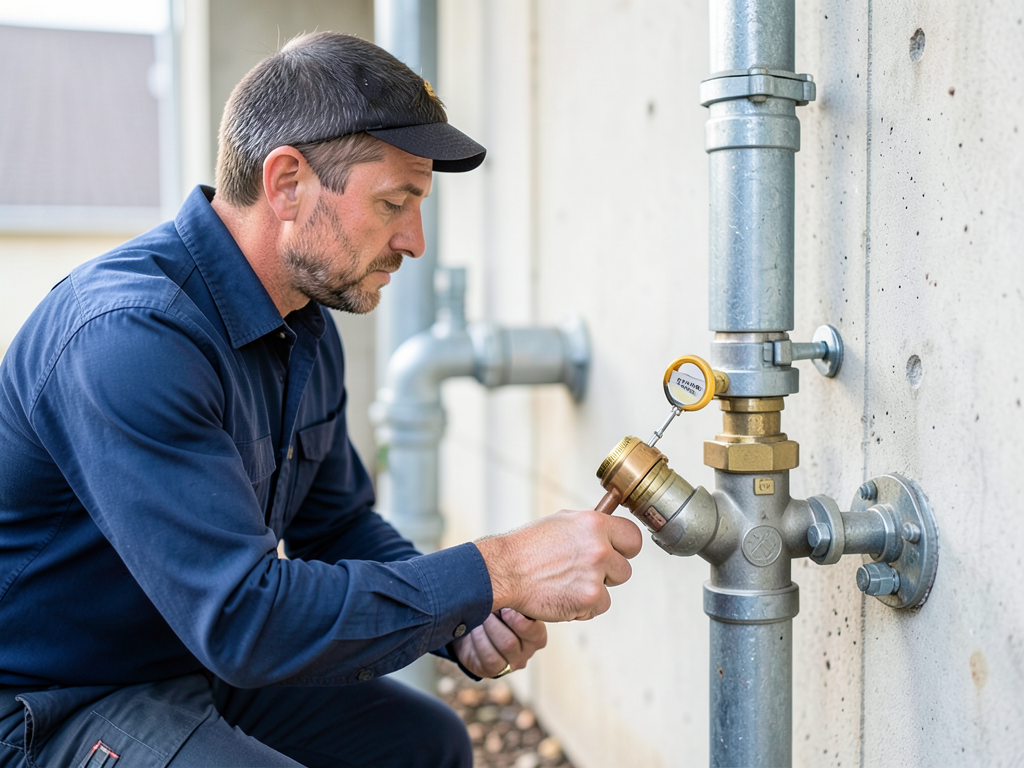
Image Description: Technician installing a Reduced Pressure Zone (RPZ) backflow preventer valve on a secondary water line, showing proper mounting and test port configuration.
Layton City Secondary Water Schedules and Regulations
Layton’s secondary water system follows a strict seasonal schedule managed by the Weber Basin Water Conservancy District. The typical season runs from April 15 through October 15, though these dates can shift based on snowpack levels, reservoir capacity, and drought conditions. The district announces exact start and end dates each spring based on water availability.
During the season, water is delivered on a rotational schedule to balance system pressure and ensure adequate supply for all users. Some areas receive water during daytime hours while others get nighttime service. Layton residents receive notification of their specific watering windows through the city’s notification system or can check online schedules.
Utah House Bill 242, passed in 2020, requires secondary water providers to install meters on all connections by 2030. Layton is implementing this requirement in phases, with older neighborhoods being upgraded first. Metered service allows for more accurate billing and helps identify system leaks and inefficiencies.
The city enforces water conservation measures during drought periods, which may include restricted watering days, time-of-day limitations, and higher rates for excessive use. Violating these restrictions can result in fines and mandatory compliance meetings with city officials. Smart irrigation controllers that adjust to weather conditions are strongly encouraged.
When to Call a Professional: Secondary Water Maintenance and Metering
Secondary water systems require specialized knowledge that most general plumbers lack. The high sediment content, variable pressure, and cross-connection risks make DIY modifications dangerous. Professional installation ensures your system meets all Davis County health department requirements and functions reliably throughout the irrigation season.
Warning signs that indicate you need professional help include: water pressure drops, discolored output, system leaks, failed backflow preventer tests, or if you’re planning to install or modify irrigation equipment. A licensed Utah plumber familiar with secondary water systems can diagnose problems quickly and recommend code-compliant solutions.
Annual maintenance should include backflow preventer testing, filter cleaning or replacement, pressure regulator adjustment, and system inspection for freeze damage or wear. Many Layton homeowners schedule this service in early spring before the season starts. Professional maintenance can prevent costly emergency repairs and ensure your system operates efficiently.
If you’re considering switching from culinary to secondary water for irrigation, a professional assessment is essential. Not all properties have secondary water available at the property line, and the connection process involves permits, inspections, and coordination with multiple agencies. The cost savings on your water bill must be weighed against installation expenses and ongoing maintenance.
Call (385) 406-8899 today to schedule your secondary water system inspection or to discuss converting your irrigation to the more economical secondary water supply. Our Layton-based technicians understand the specific requirements of Weber Basin’s system and can ensure your installation meets all local codes and safety standards.
Frequently Asked Questions
Can I use secondary water for my vegetable garden or fruit trees?
Secondary water is not recommended for edible plants because it may contain harmful bacteria, chemicals, or pathogens that can contaminate your produce. While many Layton residents use it for lawns and ornamental plants, culinary water is safer for anything you plan to eat. If you must use secondary water on edibles, apply it only to the soil, never to plant foliage, and wash all produce thoroughly with culinary water before consumption.
What happens if my backflow preventer fails during the season?
A failed backflow preventer creates an immediate cross-connection risk. You’ll need to shut off your secondary water supply and contact a certified backflow technician immediately. Layton City may shut off your service until repairs are completed and tested. Annual testing is required by law, and failure to maintain your device can result in fines and liability for any contamination that occurs.
How do I know if my home has secondary water available?
Check with Layton City Public Works or the Weber Basin Water Conservancy District. They maintain maps showing which properties have secondary water infrastructure. You can also look for purple pipes entering your home or irrigation system. If you’re unsure, a professional plumber can inspect your service connection and determine what’s available at your property line.
Is secondary water safe for pressure washing my house or filling a pool?
No. Secondary water should never be used for any indoor or human-contact applications. Pressure washing can create aerosols that may be inhaled, and filling pools with contaminated water creates serious health risks. Always use culinary water for these applications. Using secondary water for prohibited purposes can result in fines and mandatory system inspections.
What maintenance does a secondary water system need?
Secondary water systems require annual professional maintenance including backflow preventer testing, filter cleaning or replacement, pressure regulator adjustment, and system inspection. The high sediment content means filters clog more frequently than with culinary water. You should also winterize your system properly each fall to prevent freeze damage to pipes and valves.
- Shut Off Main Valve
Locate and close the secondary water shut-off valve, typically near your water meter or where the purple pipe enters your property.
- Drain All Lines
Open all irrigation system valves and drain plugs to remove water from pipes, preventing freeze damage during winter months.
- Protect Backflow Preventer
Insulate or remove your backflow preventer assembly and store it in a heated area to prevent freeze cracking of internal components.
- Schedule Spring Startup
Contact a professional in early spring to inspect, test, and restart your system before the Weber Basin season begins.
Understanding Layton’s dual water system helps you make informed decisions about your landscape irrigation while protecting your family’s health. Secondary water offers significant cost savings for outdoor watering but requires proper installation, maintenance, and awareness of the risks. Don’t take chances with cross-connection or DIY modifications that could contaminate your drinking water.
Ready to upgrade your irrigation system or need professional secondary water service? Call (385) 406-8899 now to speak with Layton’s secondary water specialists. We’ll ensure your system meets all Davis County requirements and operates safely throughout the irrigation season.