menu

Backflow Prevention & Testing in Salt Lake City – Annual Certification & Full Compliance Management

Protect your water supply with comprehensive backflow assembly testing and certification services that keep your property compliant with Salt Lake City municipal codes and Utah state regulations year-round.

Slider Image 1
Slider Image 2
Slider Image 3
Slider Image 4
Slider Image 5
Slider Image 7
Slider Image 8
Slider Image 9
Slider Image 10
Slider Image 11

Why Salt Lake City Properties Face Strict Backflow Prevention Requirements

Salt Lake City's municipal water system serves over 200,000 residents across diverse elevations, from the valley floor at 4,200 feet to the foothills reaching 5,000 feet. This elevation variance creates significant pressure differentials in water lines that increase backflow risk. When pressure drops suddenly, due to main breaks or heavy irrigation demand during our hot, dry summers, contaminated water can reverse flow into the clean supply.

The Salt Lake City Department of Public Utilities enforces mandatory annual backflow certification for all commercial properties, multi-family buildings, and any residential property with irrigation systems, fire suppression equipment, or auxiliary water sources. Properties in areas like Sugar House, The Avenues, and downtown commercial districts face particular scrutiny due to aging infrastructure and dense development patterns.

A backflow preventer inspection verifies that your device functions correctly under real-world pressure conditions. Backflow assembly testing measures critical components like check valves, relief valves, and air inlet valves to confirm they seal properly and respond to pressure changes. Annual backflow certification documentation must be filed with the city by the deadline, or you risk service disconnection and fines starting at $250.

The backflow device testing process also identifies wear patterns common to our climate. Salt Lake City's temperature swings from below zero in winter to over 100 degrees in summer cause thermal expansion and contraction that degrades rubber components faster than in moderate climates. Hard water with high mineral content accelerates valve seat corrosion. These local conditions make backflow prevention compliance an active maintenance requirement, not a one-time installation.

Why Salt Lake City Properties Face Strict Backflow Prevention Requirements
Our Backflow Testing Methodology and Equipment Standards

Our Backflow Testing Methodology and Equipment Standards

Crestline Plumbing Salt Lake City uses calibrated differential pressure test kits that meet American Water Works Association standards for backflow preventer inspection. Our technicians hold Utah-specific backflow tester certification through the Utah Department of Environmental Quality, which requires passing both written and practical examinations on double check valve assemblies, reduced pressure zone devices, and pressure vacuum breakers.

The backflow assembly testing process begins with a visual inspection of the device housing, test cocks, and relief valve discharge point. We document the manufacturer, model number, and serial number to verify the assembly matches city records. Each test cock is opened to flush debris that accumulates in the line, then we attach calibrated test gauges to measure differential pressure across the check valves.

For reduced pressure zone assemblies, we test the relief valve opening point, typically set to activate at 2 PSI differential. The first check valve must maintain at least 5 PSI differential, and the second check must hold 1 PSI minimum. We document actual readings, not just pass or fail marks, so you have a baseline for future comparisons. This data reveals degradation trends before complete failure occurs.

After completing measurements, we cycle all valves multiple times to verify consistent performance. Gate valves and ball valves upstream and downstream of the assembly are exercised to prevent seizure. We verify the relief valve discharge line terminates in a visible location with proper air gap separation, as required by Utah plumbing code. The entire backflow device testing sequence takes 30 to 45 minutes per assembly, depending on configuration and accessibility. We never rush inspections to meet quotas.

How We Handle Your Annual Certification From Start to Finish

Backflow Prevention & Testing in Salt Lake City – Annual Certification & Full Compliance Management
01

Scheduling and Pre-Test Verification

We contact you 60 days before your certification expires to schedule backflow assembly testing during your preferred time window. Our system tracks every device registered to your address through Salt Lake City records. We verify site access requirements, locate test equipment storage, and confirm the number of assemblies requiring testing. For commercial properties with multiple zones, we coordinate with facility managers to test assemblies during low-demand periods and minimize disruption to operations.
02

On-Site Testing and Documentation

Our technician arrives with calibrated test equipment and photographically documents each assembly before testing. We perform the complete differential pressure test sequence, record all measurements on Utah Department of Environmental Quality approved forms, and tag each device with test date and tester ID. If an assembly fails, we provide detailed failure notes, explain required repairs, and photograph the defective components. You receive immediate notification of any failures that require correction before certification can be issued.
03

Filing and Compliance Confirmation

We electronically submit your backflow prevention compliance documentation directly to Salt Lake City Department of Public Utilities within 48 hours of testing. You receive copies of all test reports, certification documents, and photographic records for your property files. We maintain duplicate records for seven years to support future inspections, property sales, or insurance claims. If repairs are needed, we track the corrective work and retest at no additional trip charge once repairs are complete and certified.

Why Salt Lake City Property Owners Choose Local Backflow Specialists

Backflow prevention compliance in Salt Lake City requires specific knowledge of municipal water system characteristics and local code amendments that differ from state minimums. The city's water supply originates from multiple sources including Big Cottonwood Canyon, Little Cottonwood Canyon, and local wells, creating variable water chemistry across service zones. Properties in the northeast bench areas receive canyon water with low mineral content and near-neutral pH, while valley floor properties often receive blended water with higher hardness levels. These chemistry differences affect corrosion rates and valve component lifespan.

Salt Lake City adopted stricter backflow device testing standards than surrounding municipalities following contamination incidents in the early 2000s. Commercial kitchens require reduced pressure zone assemblies where double check valves suffice in other cities. Any property with secondary water connections must install testable backflow prevention, even for landscape irrigation. Medical facilities, dental offices, and veterinary clinics face additional requirements for containment-style protection on all cross-connection points.

Crestline Plumbing Salt Lake City maintains updated records of every code amendment and variance granted in Sugar House, Capitol Hill, Central City, and Poplar Grove neighborhoods. We know which properties received grandfathered exemptions and when those exemptions expire. Our technicians recognize the specific backflow preventer models installed throughout the valley since the 1980s, including discontinued units that require adapter fittings for modern test equipment.

We respond to annual backflow certification requests within three business days during peak season from March through June, when most certifications cluster before summer irrigation startup. Our scheduling system prioritizes properties with approaching deadlines to prevent service disconnection. For property management companies overseeing multiple buildings, we provide consolidated reporting and track certification status across entire portfolios through a single point of contact.

What Property Owners Should Know About the Testing Process

Testing Timeline and Availability

Standard backflow preventer inspection appointments are scheduled Monday through Friday between 7 AM and 5 PM, with Saturday availability during peak certification season from April through July. Single device testing takes 30 to 45 minutes from arrival to completion. Properties with multiple assemblies require additional time based on device count and accessibility. We test devices in sequence to maintain water service to occupied areas. Emergency testing for failed devices during city inspections or property transfers can be arranged within 24 hours. We coordinate with Salt Lake City Public Utilities to expedite filing for time-sensitive situations.

What the Inspection Covers

Your backflow assembly testing includes complete evaluation of all testable components. We measure check valve tightness, relief valve opening point, and pressure differential across the assembly under static and flowing conditions. The inspection verifies proper installation orientation, adequate clearance for testing and maintenance, and compliant discharge termination. We document the condition of test cocks, isolation valves, and pressure relief valve discharge piping. Properties with outdoor installations receive additional evaluation of freeze protection measures, enclosure condition, and drainage adequacy. You receive a detailed report with actual pressure readings, component conditions, and photographs of any deficiencies requiring correction before certification.

Certification and Compliance Results

Passing devices receive immediate Utah Department of Environmental Quality certification filed electronically with Salt Lake City within two business days. You receive three copies of the signed test report, one for your records, one for posting near the device, and one for property files. The certification remains valid for exactly one year from the test date. Failed devices receive a detailed failure report specifying which components failed and the measured values that fell outside acceptable ranges. We provide cost estimates for repair or replacement and can coordinate the corrective work. Retesting after repairs is included in the original service call cost when scheduled within 30 days.

Ongoing Maintenance Recommendations

Annual backflow certification meets minimum legal requirements but does not eliminate mid-year failure risk. We recommend quarterly visual inspections of relief valve discharge points to verify they remain clear and show no continuous weeping, which indicates check valve leakage. Commercial properties with high-volume water use benefit from six-month testing intervals to catch degradation early. We offer maintenance agreements that include reminder scheduling, priority appointment access, and discounted testing rates for multi-device properties. Properties with aging assemblies over 10 years old should budget for replacement, as repair parts often cost more than new device installation. We maintain service records that track performance trends and predict replacement timing.

Frequently Asked Questions

You Have Questions,
We Have Answers

What is backflow prevention testing? +

Backflow prevention testing checks if your device stops contaminated water from flowing backward into the clean water supply. A certified tester uses specialized gauges to measure pressure differentials and valve function. They verify each component works correctly to prevent cross-connections. In Salt Lake City, the test ensures your device meets local water quality standards. The tester documents results and submits them to the city. If the device fails, you need repairs before it can pass inspection. This annual test protects both your property and the municipal water system from contamination hazards.

Is backflow testing really necessary? +

Yes. Backflow testing is legally required in Salt Lake City for properties with irrigation systems, commercial buildings, and cross-connection hazards. Utah state plumbing code mandates annual testing to protect public water supply from contamination. Without testing, you risk fines from the city and potential water shutoff. More importantly, a failed backflow preventer can allow fertilizers, pesticides, or chemicals to enter your drinking water. The test confirms your device functions properly. Salt Lake City tracks compliance through its water department. Skipping this requirement puts you out of compliance and endangers community health.

Can I test my own backflow preventer? +

No. Utah requires a state-certified backflow prevention assembly tester to perform the inspection. You cannot legally test your own device. The tester must hold current certification through an approved program and use calibrated test equipment. They submit official paperwork to Salt Lake City on your behalf. DIY testing does not meet compliance requirements. The certification process involves training on cross-connection control, hydraulics, and specific testing procedures. Only certified professionals can identify subtle failures that compromise water safety. Attempting your own test wastes time because the city will not accept uncertified results.

Do all plumbers do backflow testing? +

No. Backflow testing requires specialized certification beyond a standard plumbing license. Many plumbers in Salt Lake City do not hold backflow tester certification. The tester must complete specific training and maintain calibrated test equipment. Some plumbing companies employ certified testers on staff, but not all do. Before hiring, verify the technician holds current Utah backflow prevention assembly tester certification. Ask to see credentials. A licensed plumber can install or repair backflow devices, but only a certified tester can perform the annual compliance test and submit results to the city.

What happens if I don't do backflow testing? +

You face multiple consequences. Salt Lake City can fine you for non-compliance with cross-connection control ordinances. The water department may send violation notices and eventually disconnect your water service until you comply. Your insurance may deny claims related to water contamination if testing is overdue. More critically, an untested backflow preventer may fail without warning, allowing sewage, chemicals, or irrigation water to contaminate your drinking water. If your device causes public water supply contamination, you face serious liability. Annual testing costs far less than fines, water shutoffs, or health hazards.

Why is backflow testing so expensive? +

The cost reflects specialized certification, calibrated equipment, insurance requirements, and compliance documentation. Certified testers invest in annual recertification, expensive test gauges that require yearly calibration, and liability coverage. They also handle paperwork submission to Salt Lake City. The tester must spend time traveling to your property, performing the multi-point inspection, and filing official reports. Equipment maintenance alone runs hundreds annually. You pay for expertise that protects public health. Compared to potential fines, water shutoff costs, or contamination liability, the testing fee provides significant value. Most Salt Lake City properties pay between competitive local rates.

Do all houses have a backflow valve? +

Not always. Single-family homes without irrigation systems or cross-connections typically do not require backflow preventers. However, Salt Lake City requires them on properties with sprinkler systems, pools, or chemical injection systems. Commercial buildings almost always need backflow prevention due to higher contamination risks. If your home has a well, fire suppression system, or boiler, you likely need one. The city determines requirements based on hazard level. During plumbing inspections or water meter installations, officials identify properties needing backflow devices. Check with Salt Lake City water department if you are unsure about your property.

How much does it cost to test a backflow device? +

Testing costs vary based on device type, location accessibility, and property complexity. Simple residential tests typically cost less than commercial multi-device properties. The price includes the certified tester's time, equipment use, and filing paperwork with Salt Lake City. Remote locations or difficult access points increase costs. You pay for expertise, not just time. Some companies offer discounts for multiple devices tested simultaneously. Costs reflect the specialized nature of the work and regulatory compliance requirements. Avoid choosing based solely on price. Improper testing leads to compliance issues and potential retest fees. Request quotes from certified testers in the Salt Lake City area.

How long does a water backflow test take? +

Most residential backflow tests take 15 to 30 minutes. The tester connects gauges, checks valve operation, measures pressure differentials, and documents results. Accessible outdoor devices test faster than basement installations. Commercial properties with multiple assemblies take longer. If the device fails, additional time is needed for repairs and retesting. The tester must also complete paperwork for Salt Lake City submission. Complex systems or corroded fittings extend testing time. Schedule the appointment when you can provide property access. The tester needs clear access to the device and water shutoff valves. Quick tests depend on device condition and location accessibility.

Do all states require backflow testing? +

No. Requirements vary significantly by state and municipality. Utah mandates backflow testing for cross-connection hazards, and Salt Lake City enforces strict compliance. Some states have no statewide requirements, leaving decisions to local water districts. Western states with water scarcity concerns typically have stricter rules. Eastern states may have looser regulations. Even within Utah, testing frequency and device types vary by jurisdiction. Salt Lake City follows Utah plumbing code and adds local ordinances. If you relocate, check local requirements immediately. Federal law does not mandate testing, so compliance depends entirely on state and local regulations governing your property location.

How Salt Lake City's Water System Complexity Affects Backflow Risk

Salt Lake City operates two separate water systems that increase backflow prevention complexity compared to single-source municipalities. The culinary water system delivers treated drinking water from canyon sources and wells, while the secondary water system distributes untreated irrigation water from the Jordan River and local canals. Properties with access to both systems must install testable backflow devices on each connection point to prevent cross-contamination. The pressure differential between these systems varies by elevation and seasonal demand, creating dynamic backflow risk that static devices may not adequately control. Areas east of 1300 East receive higher canyon water pressure that can overcome inadequate backflow prevention during system transients. The valley floor's lower elevation and blended water sources create different pressure profiles requiring specific device sizing.

Salt Lake City Department of Public Utilities maintains a public registry of certified backflow testers and requires all annual backflow device testing to be performed by Utah-licensed professionals using calibrated equipment. The city audits submitted test reports and physically inspects a percentage of certified devices each year to verify compliance. Properties found with falsified certifications or non-functional devices face immediate service disconnection and potential legal action. Crestline Plumbing Salt Lake City holds current certification through the Utah Department of Environmental Quality and maintains equipment calibration records available for audit. Our test reports include serial numbers for the specific gauge set used, creating full traceability. We have never had a certification challenged or rejected by city inspectors.
Plumbing Services in The Salt Lake City Area

We are proud to be a locally owned and operated business, dedicated to serving the entire Salt Lake City area and surrounding communities. Use the map below to pinpoint our location or to better understand our full service coverage across the region. If you need immediate assistance or would like to confirm that your home or business is within our guaranteed service area, please call our office directly—our warm, professional team is always ready to dispatch an expert to your location quickly.

Address:
Crestline Plumbing Salt Lake City, 222 S Main St, Salt Lake City, UT, 84101

Additional Services We Offer

Our news updates

Latest Articles & News from The Blogs

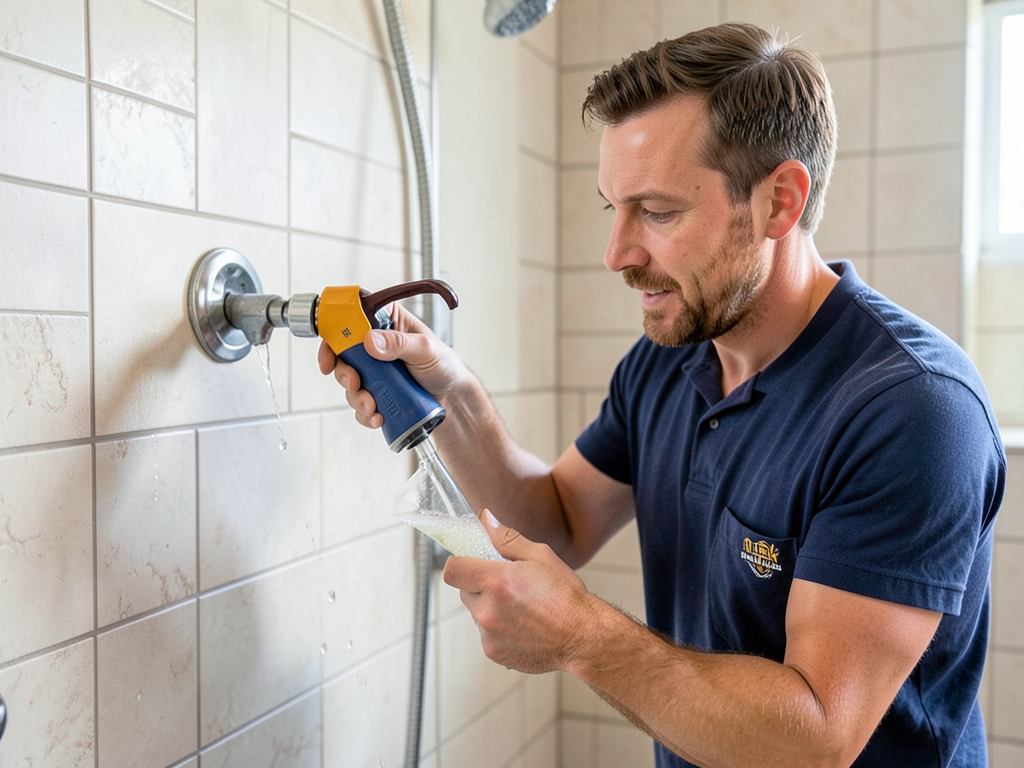
Removing White Crusty Buildup from Your Showerheads and Faucets White crusty buildup on your showerheads and faucets isn’t just an…

Removing White Crusty Buildup from Your Showerheads and Faucets

Removing White Crusty Buildup from Your Showerheads and Faucets White crusty buildup on your showerheads and faucets isn’t just an…

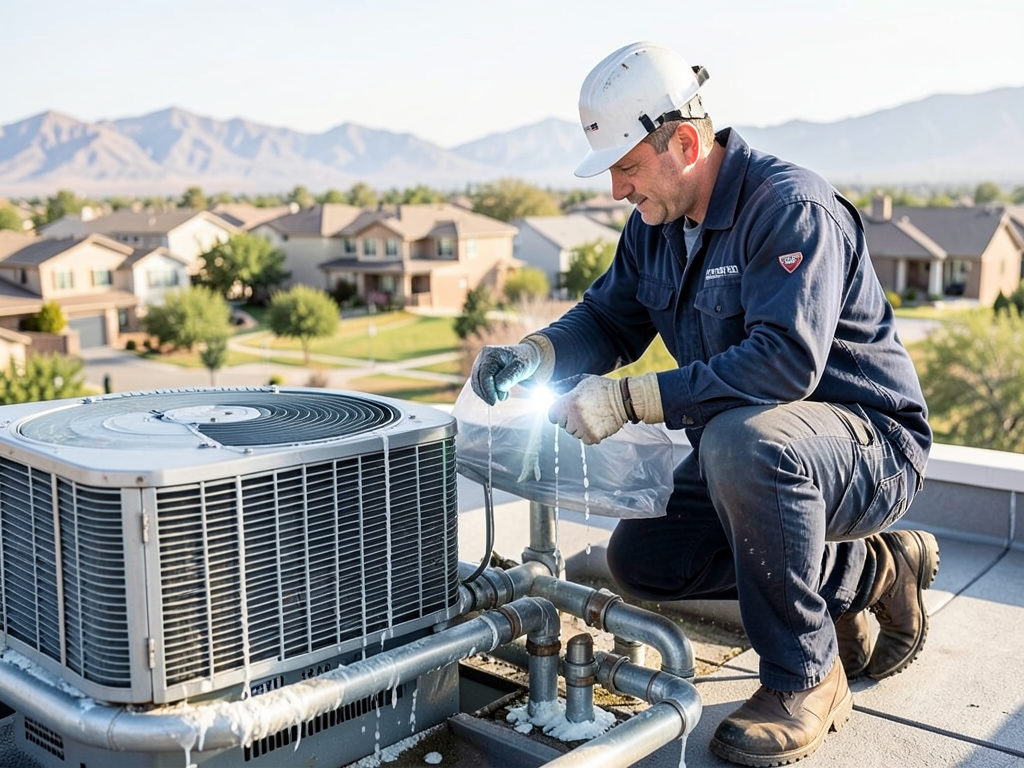
What to Do When Your Swamp Cooler Starts Leaking on Your Roof

What to Do When Your Swamp Cooler Starts Leaking on Your Roof A swamp cooler leaking onto your roof creates…

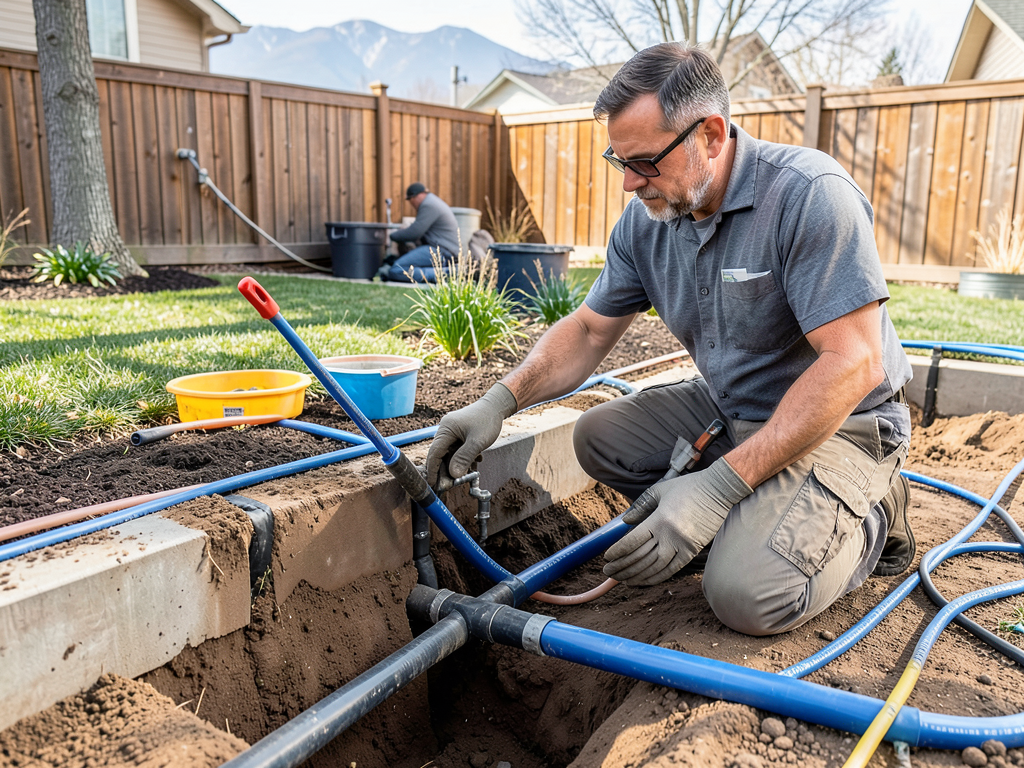
How to Prepare Your Outdoor Kitchen for a Salt Lake City Summer

How to Prepare Your Outdoor Kitchen for a Salt Lake City Summer Your outdoor kitchen needs more than just a…

Contact Us

Salt Lake City enforces strict compliance deadlines for backflow prevention testing. Late certifications result in service disconnection and reconnection fees. Call Crestline Plumbing Salt Lake City at (385) 406-8899 to schedule your inspection this week and avoid penalties.