menu

Emergency Basement Flooding Pump-Out in Salt Lake City – Fast Water Extraction to Stop Structural Damage

When your basement floods, every minute counts. Our emergency basement water removal crews arrive fast across Salt Lake City with industrial pump equipment to extract standing water, prevent foundation damage, and protect your home from mold before it takes hold.

Slider Image 1
Slider Image 2
Slider Image 3
Slider Image 4
Slider Image 5
Slider Image 7
Slider Image 8
Slider Image 9
Slider Image 10
Slider Image 11

Why Salt Lake City Basements Flood and Why Speed Matters

You walk downstairs and your feet hit cold water. Panic sets in. Your basement is flooded.

Salt Lake City sits in a valley with a high water table fed by snowmelt from the Wasatch Range. When spring runoff peaks or sudden rainstorms hit, groundwater pressure builds fast. Older homes near the Jordan River or in neighborhoods like Sugar House and Liberty Wells face hydrostatic pressure that cracks foundation walls and overwhelms sump pumps. Clay-heavy soil expands when wet, pushing water through basement seams. One failed sump pump or overwhelmed storm drain can dump hundreds of gallons into your space in hours.

Standing water does not wait. It seeps into drywall, warps floor joists, shorts electrical panels, and breeds mold within 24 to 48 hours. Emergency basement water removal is not about convenience. It is about stopping structural damage and protecting your family's health. The longer water sits, the more you pay later.

Whether you are dealing with a broken water main, sewer backup, or flash flood runoff, you need a flooded basement extraction service that responds now. Not tomorrow. Not in a few hours. Now. Our emergency flood pumping crews deploy across Salt Lake City with truck-mounted extractors, submersible pumps, and moisture detection equipment to pull water fast and assess hidden damage before it compounds.

If your basement is flooding right now, stop reading and call. If you are preparing for the next storm or sump failure, keep reading to understand what professional basement water pump out service involves and why local response time is everything.

Why Salt Lake City Basements Flood and Why Speed Matters
How We Extract Water and Protect Your Basement from Further Damage

How We Extract Water and Protect Your Basement from Further Damage

Emergency basement water removal is not just pumping water out and walking away. That approach leaves you vulnerable to secondary damage and repeat flooding.

We arrive with truck-mounted extractors capable of removing thousands of gallons per hour. For deep water, we deploy gas-powered submersible pumps that handle debris and sludge without clogging. We position discharge hoses away from your foundation to prevent recirculation. You do not want pumped water seeping back through foundation cracks or window wells.

Once bulk water is gone, we use commercial wet vacuums to extract water trapped in carpet padding, subfloor gaps, and wall cavities. Standard shop vacs cannot generate the suction needed to pull water from porous materials. Our extractors generate enough vacuum force to remove moisture you cannot see but will smell in three days.

We scan walls and floors with infrared moisture meters and thermal cameras to map hidden water migration. Water travels through stud cavities and insulation behind drywall. If we miss a wet zone, mold colonizes there first. We document moisture levels in real time so you know exactly what is saturated and what is safe.

If the flood involved sewage, we treat affected areas with antimicrobial agents and remove contaminated materials that cannot be sanitized. Gray water from washing machines or clean water from supply lines can often be mitigated. Black water from sewer backups requires full removal of porous materials and professional disinfection.

We also identify why the flood happened. Failed sump pump? Cracked foundation? Overwhelmed floor drain? We tell you the cause so you can fix the root problem, not just the symptom. Our flooded basement water removal services stop the immediate crisis and give you a roadmap to prevent the next one.

What Happens When You Call for Emergency Flood Pumping

Emergency Basement Flooding Pump-Out in Salt Lake City – Fast Water Extraction to Stop Structural Damage
01

Immediate Dispatch and Assessment

When you call, we dispatch a crew immediately with truck-mounted extractors and portable pumps. You tell us the water depth, location, and suspected source. We arrive prepared for the worst. Our first action on-site is a safety check for electrical hazards and structural integrity. We shut off power to affected circuits if needed, then begin rapid water extraction using the highest-capacity equipment for your situation.
02

Water Extraction and Moisture Mapping

We remove standing water first with submersible pumps or truck-mounted extraction units, depending on volume. Then we switch to wet vacuums for residual moisture in carpet, padding, and subflooring. We use infrared scanners to detect hidden moisture in walls and insulation. We document moisture levels with digital meters so you have a baseline for drying progress. This prevents guesswork and stops mold before it starts.
03

Damage Documentation and Next Steps

After extraction, we photograph affected areas and provide a written moisture report for insurance claims. We explain what materials can be dried and what must be removed. We identify the flood source and recommend permanent fixes, whether that means sump pump replacement, foundation repair, or backflow valve installation. You get a clear action plan to restore your basement and prevent future flooding. We can coordinate drying equipment rental or connect you with restoration specialists if needed.

Why Salt Lake City Homeowners Trust Local Expertise for Basement Flooding

When your basement floods at 2 a.m., you need a crew that knows Salt Lake City geography and can navigate quickly from Millcreek to Rose Park to Cottonwood Heights. You need technicians who understand how Wasatch snowmelt affects groundwater pressure and when spring runoff typically overwhelms older drainage systems.

Crestline Plumbing Salt Lake City operates locally with crews stationed across the valley. We do not dispatch from Provo or Ogden. We are already in your neighborhood. That means faster response when minutes matter.

We have worked in homes built in the 1920s with stone foundations and modern builds with engineered sump systems. We know which neighborhoods have high water tables, which subdivisions have poor grading, and which streets flood first during heavy rain. That local knowledge helps us diagnose your flood cause faster and recommend solutions that actually work for Salt Lake City soil and climate conditions.

We also understand local building codes and permit requirements if your flood damaged structural components. If you need foundation work, sump pump upgrades, or backflow prevention devices, we can guide you through city inspection processes and connect you with qualified contractors who meet Salt Lake City standards.

You also get transparency. We explain what we find, why it happened, and what you need to fix permanently. No scare tactics. No upselling services you do not need. Just honest assessment from technicians who live and work in this valley and have seen every type of basement flood scenario Salt Lake City can throw at you.

When your basement is underwater, you need a flooded basement extraction service that responds fast and works smart. That is what local expertise delivers.

What You Can Expect from Our Emergency Basement Water Removal Service

24/7 Emergency Response Time

We dispatch crews around the clock, every day of the year. Basements do not flood on a schedule. When you call our emergency line, you reach a live person who dispatches a crew immediately. Our average response time across Salt Lake City is under 90 minutes, often much faster depending on your location and crew availability. We arrive with all necessary extraction equipment on the first trip. No need to schedule a follow-up visit to bring the right tools. We understand that every hour water sits increases damage, so we prioritize speed without sacrificing thoroughness.

Thorough Damage Assessment and Documentation

After we extract the water, we conduct a detailed moisture assessment using thermal imaging and digital hygrometers. We document all affected areas with photos and written reports that clearly explain moisture levels, damaged materials, and recommended next steps. This documentation is critical if you plan to file an insurance claim. We provide you with a full report you can submit directly to your insurer. We also explain what caused the flood so you can address the root issue, whether that is a failed sump pump, foundation crack, or overwhelmed drainage system.

Complete Water Extraction and Moisture Removal

You get industrial-grade water extraction that removes standing water and residual moisture trapped in porous materials. We do not just pump out visible water and call it done. We extract moisture from carpet padding, subflooring, wall cavities, and insulation using high-powered wet vacuums and commercial extractors. We verify dryness with moisture meters before we leave so you know exactly what is dry and what needs further attention. This thoroughness prevents mold growth and secondary damage that appear weeks later when cheaper services miss hidden moisture.

Prevention Guidance and Long-Term Solutions

Emergency extraction stops the immediate crisis, but you need a plan to prevent the next flood. We identify the failure point and recommend permanent fixes. That might include sump pump replacement, battery backup installation, foundation sealing, backflow valve installation, or grading corrections. We explain what will actually solve your problem based on your home's age, location, and drainage setup. We do not push services you do not need, but we do give you honest guidance about what will fail again if left unaddressed. Prevention is cheaper than repeat flood damage.

Frequently Asked Questions

You Have Questions,
We Have Answers

How to pump water out of a flooded basement? +

Turn off the power to your basement at the breaker box to prevent electrocution. If water is still entering, identify the source and stop it if safe. Use a submersible pump for deep water or a wet-dry vacuum for smaller amounts. Start pumping from the deepest point, working outward. In Salt Lake City, rapid snowmelt or sudden spring storms can overwhelm drainage systems. Pump slowly to avoid foundation stress. If water depth exceeds six inches or you face sewage contamination, call emergency pump-out specialists immediately. Time matters. Standing water causes structural damage and mold growth within 24 hours.

How much does it cost to pump out a flooded basement? +

Pump-out costs depend on water volume, contamination level, and access difficulty. Basic clean water removal for a 1,000-square-foot basement typically ranges from a few hundred to over a thousand dollars. Sewage-contaminated water costs more due to hazardous material handling. Emergency 24-hour service carries premium rates but prevents expensive secondary damage. Salt Lake City's clay soil composition can complicate foundation issues after flooding, increasing total restoration costs. Most professionals offer free emergency assessments. Focus on speed over cost. Delays multiply damage exponentially. Ask about insurance billing assistance and get a detailed written estimate before work begins.

How long does it take to pump water out of a basement? +

Pump time varies by water depth and equipment capacity. A standard submersible pump removes 2,000 to 3,000 gallons per hour. For a typical flooded basement with four feet of standing water, expect three to six hours of active pumping. Deeper flooding or limited pump access extends this timeline. In Salt Lake City, basements near the Jordan River or areas with high water tables may refill during pumping, requiring constant monitoring. Professional crews use multiple high-capacity pumps to accelerate removal. Never rush the process. Pumping too fast can cause foundation walls to collapse inward due to external soil pressure.

What do you use to pump water out of a basement? +

Submersible pumps handle deep standing water. These pumps sit underwater and push water through discharge hoses. Utility pumps work for moderate flooding up to 18 inches. Wet-dry shop vacuums remove shallow water under two inches. Professionals use truck-mounted extractors for contaminated water or large-scale flooding. In Salt Lake City, where spring runoff and aging infrastructure cause sudden basement floods, submersible pumps with automatic float switches provide the best emergency response. Sump pumps prevent flooding but do not remove existing water effectively. Always use pumps rated for the contamination level. Sewage requires specialized equipment and protective protocols.

How do I get 2 inches of water out of my basement? +

Two inches of water causes significant damage despite appearing manageable. Use a wet-dry vacuum for spot removal or a utility pump with a low-profile intake for faster results. Start at the lowest point and work toward the sump pit if you have one. Remove furniture and belongings immediately. Salt Lake City's dry climate helps, but mold still develops within 24 hours in damp concrete. After pumping, run dehumidifiers and fans to dry subflooring and wall cavities. Do not ignore shallow flooding. Two inches equals roughly 125 gallons per 1,000 square feet. Inspect for foundation cracks that allowed entry.

What to do immediately after a basement flood? +

Safety first. Turn off electricity to the basement. Do not enter if water touches electrical outlets or the furnace. Stop the water source if possible. Document everything with photos for insurance before removing water. Move valuables to dry areas. Call emergency pump-out services for contaminated water or depths exceeding six inches. In Salt Lake City, flash flooding from mountain runoff can carry sediment and debris. Start pumping as soon as safe. Remove standing water within 24 hours to prevent mold and structural damage. Contact your insurance company immediately. Quick action saves thousands in restoration costs and protects your family's health.

Will insurance pay for a flooded basement? +

Standard homeowners insurance covers sudden internal failures like burst pipes or water heater leaks. It does not cover groundwater seepage, sewer backups, or surface water flooding unless you purchased separate endorsements. In Salt Lake City, spring snowmelt flooding requires specific coverage. Review your policy immediately. Sump pump failure coverage exists as an add-on. Flood insurance through FEMA covers rising water from external sources but requires a 30-day waiting period. Document all damage with photos and timestamps. File claims fast. Insurers often deny claims for delayed reporting or improper emergency mitigation. Keep all pump-out receipts for reimbursement.

Do plumbers fix flooded basements? +

Yes. Licensed plumbers handle basement flooding caused by plumbing failures like burst supply lines, drain backups, or water heater ruptures. They identify leak sources, stop water flow, and perform emergency pump-out services. In Salt Lake City, aging cast iron drain lines in older neighborhoods near the Avenues frequently fail, causing sudden basement floods. Plumbers also repair broken sump pumps and install backwater valves to prevent sewer backups during heavy storms. For flooding from external groundwater or foundation issues, you may need waterproofing specialists after initial pump-out. Choose licensed professionals familiar with Salt Lake City's unique soil conditions and plumbing codes.

Does insurance cover basement flooding from a sump pump? +

Standard homeowners insurance usually covers sump pump failure if you purchased the endorsement, which costs around $50 annually. This covers pump mechanical failure, not power outages or overwhelmed capacity during extreme weather. Salt Lake City's rapid spring thaw can overload systems. Coverage limits apply, often capping at $5,000 to $10,000. Flood insurance does not cover sump pump failure. It only covers rising external water. Read your policy exclusions. Some insurers deny claims if you failed to maintain the pump or lacked a battery backup system. Keep maintenance records. Install water alarms. Document the failure immediately with photos.

How likely is mold after water damage? +

Mold spores begin colonizing within 24 to 48 hours after water exposure. If your basement stays wet beyond this window, expect mold growth on drywall, insulation, carpet, and stored items. In Salt Lake City's semi-arid climate, residents often underestimate mold risk, but basements create humid microclimates. Contaminated water from sewers or flooding accelerates growth. Porous materials like drywall may require removal even after drying. Black mold poses serious health risks. After pump-out, dry everything within 72 hours using industrial dehumidifiers and air movers. Inspect hidden spaces behind walls. Musty odors signal hidden mold. Professional remediation prevents long-term health problems.

How Salt Lake City's Snowmelt and Clay Soil Create Basement Flooding Risks

Salt Lake City sits at the base of the Wasatch Range, where spring snowmelt sends massive volumes of water into the valley. The Jordan River and its tributaries rise quickly during runoff season, raising the water table and increasing hydrostatic pressure against basement foundations. Older neighborhoods near the river, including Sugar House, Liberty Wells, and parts of South Salt Lake, face the highest flood risk. Add heavy clay soil that expands when saturated, and you get foundation cracks, overwhelmed sump pumps, and water seeping through basement walls faster than drainage systems can handle.

Local plumbing companies understand these seasonal flood patterns and know which homes are most vulnerable. Crestline Plumbing Salt Lake City has worked in every neighborhood from the Avenues to Daybreak, and we recognize how local topography, soil composition, and aging infrastructure affect basement flooding. We know which sump pump systems fail first, which foundations crack under pressure, and which drainage solutions actually work in Salt Lake City conditions. That local knowledge helps us extract water faster and recommend fixes that prevent repeat flooding, not just temporary patches that fail next spring.

Plumbing Services in The Salt Lake City Area

We are proud to be a locally owned and operated business, dedicated to serving the entire Salt Lake City area and surrounding communities. Use the map below to pinpoint our location or to better understand our full service coverage across the region. If you need immediate assistance or would like to confirm that your home or business is within our guaranteed service area, please call our office directly—our warm, professional team is always ready to dispatch an expert to your location quickly.

Address:
Crestline Plumbing Salt Lake City, 222 S Main St, Salt Lake City, UT, 84101

Additional Services We Offer

Our news updates

Latest Articles & News from The Blogs

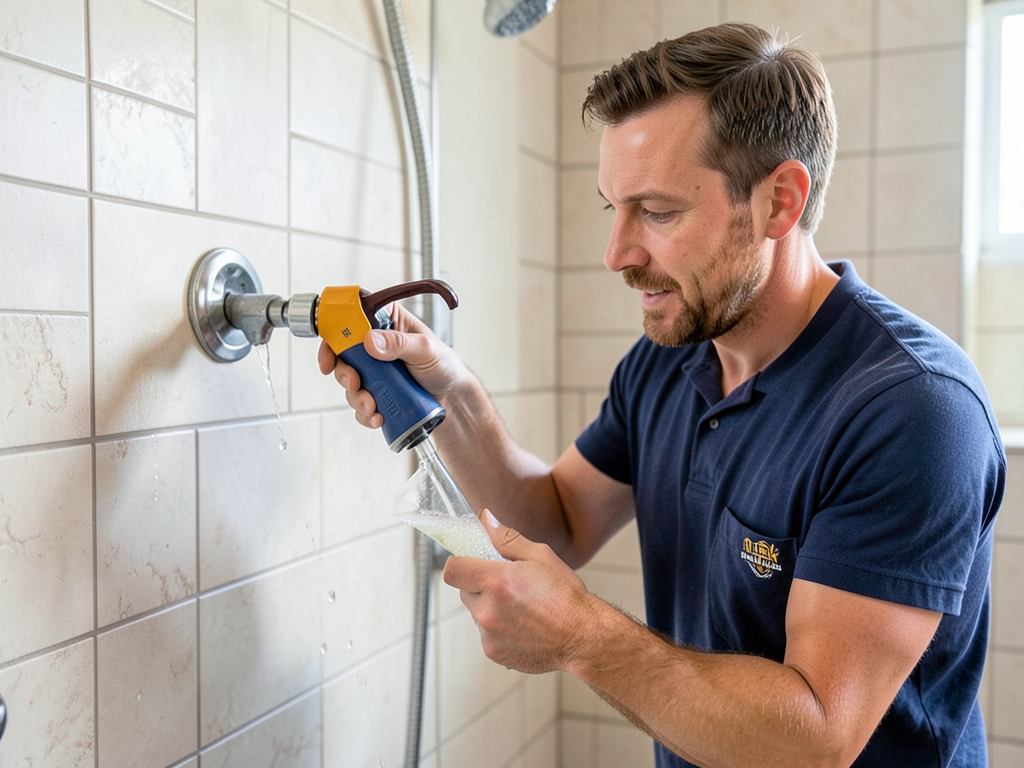
Removing White Crusty Buildup from Your Showerheads and Faucets White crusty buildup on your showerheads and faucets isn’t just an…

Removing White Crusty Buildup from Your Showerheads and Faucets

Removing White Crusty Buildup from Your Showerheads and Faucets White crusty buildup on your showerheads and faucets isn’t just an…

What to Do When Your Swamp Cooler Starts Leaking on Your Roof

What to Do When Your Swamp Cooler Starts Leaking on Your Roof A swamp cooler leaking onto your roof creates…

How to Prepare Your Outdoor Kitchen for a Salt Lake City Summer

How to Prepare Your Outdoor Kitchen for a Salt Lake City Summer Your outdoor kitchen needs more than just a…

Contact Us

Every minute you wait, water spreads deeper into walls, insulation, and subflooring. Call Crestline Plumbing Salt Lake City now at (385) 406-8899 for immediate dispatch. Our emergency basement water removal crews are standing by 24/7 with industrial extraction equipment to stop the damage and protect your home.