menu

Benefits of Water Softeners in Salt Lake City – Protect Your Plumbing and Save Money on Repairs

Discover how water softening systems reduce pipe corrosion, extend appliance life, and lower your monthly utility bills in Salt Lake City's hard water environment.

Slider Image 1
Slider Image 2
Slider Image 3
Slider Image 4
Slider Image 5
Slider Image 7
Slider Image 8
Slider Image 9
Slider Image 10
Slider Image 11

Why Salt Lake City Homeowners Battle Hard Water Damage Every Day

Salt Lake City sits in a geographic bowl fed by mineral-rich groundwater from the Wasatch Range. This mountain runoff picks up calcium, magnesium, and iron as it filters through ancient limestone deposits before reaching your home. The result? Some of the hardest water in Utah, with mineral concentrations routinely exceeding 15 grains per gallon in neighborhoods like Sugarhouse, Rose Park, and Capitol Hill.

You see the evidence on your showerheads, where white scale builds up in weeks. Your water heater struggles to maintain temperature because sediment coats the heating elements. Dishwashers leave spots on glassware. Soap refuses to lather properly. Clothes come out of the washing machine stiff and dull.

The advantages of water softening systems become clear when you understand what hard water does to your plumbing infrastructure. Every gallon of untreated water deposits microscopic mineral particles inside your pipes. Over years, this buildup narrows the diameter of copper and PEX lines, reducing water pressure and creating blockage points. Water heaters fail prematurely because scale insulates the tank from the heating element, forcing the system to work harder and consume more energy.

The pros of water softeners extend beyond convenience. Soft water prevents the chemical reactions that cause pinhole leaks in copper piping. It stops the galvanic corrosion that destroys water heater anode rods. Most importantly, it eliminates the conditions that lead to expensive emergency repairs at 2 a.m. when a corroded pipe finally ruptures behind your drywall.

Understanding the reasons to install a water softener starts with recognizing that hard water treatment is not cosmetic. It is structural maintenance that protects your most expensive investment.

Why Salt Lake City Homeowners Battle Hard Water Damage Every Day
How Ion Exchange Technology Transforms Your Water Chemistry

How Ion Exchange Technology Transforms Your Water Chemistry

Water softening works through ion exchange, a chemical process that swaps hardness minerals for sodium or potassium ions. The system uses a resin tank filled with thousands of small polymer beads coated with sodium ions. When hard water flows through this resin bed, calcium and magnesium ions bind to the beads while sodium ions release into the water stream.

This exchange happens at the molecular level. Each resin bead can capture multiple hardness ions before reaching saturation. Once the resin bed becomes loaded with calcium and magnesium, the system initiates a regeneration cycle. During regeneration, a concentrated brine solution flushes through the resin tank, reversing the ion exchange process. Sodium from the salt replaces the captured hardness minerals, which flush to your drain line. The system then rinses the excess salt and returns to service mode.

The advantages of soft water appear immediately in your plumbing system. Soap molecules bond more effectively without competing against calcium ions, creating better lather and cleaning power. Water heaters operate at peak thermal efficiency because heat transfers directly through clean tank walls instead of penetrating through insulating scale layers. Appliances like dishwashers and washing machines use less detergent and energy to achieve the same cleaning results.

Crestline Plumbing Salt Lake City installs demand-initiated regeneration systems that monitor actual water usage rather than operating on fixed time schedules. These smart controllers track the volume of water processed and trigger regeneration only when the resin bed approaches capacity. This approach minimizes salt consumption and reduces wastewater discharge compared to older timer-based units.

The hard water treatment benefits compound over years. Your plumbing infrastructure maintains full diameter. Fixtures stay clean. Appliances reach their expected service life instead of failing early from mineral accumulation.

What Happens During Your Water Softener Installation

Benefits of Water Softeners in Salt Lake City – Protect Your Plumbing and Save Money on Repairs
01

Water Quality Analysis

We test your incoming water supply to measure total hardness, iron content, and pH levels. This analysis determines the correct resin capacity and regeneration frequency for your household water consumption. We also check your existing plumbing configuration to identify the optimal installation point where the softener treats all water lines except outdoor hose bibs and irrigation systems that do not require conditioning.
02

System Sizing and Placement

Based on your water test results and daily usage patterns, we calculate the grain capacity needed to serve your home between regeneration cycles. We position the softener near your water heater for convenient drain access and install a bypass valve that allows you to isolate the system for maintenance. We ensure adequate clearance for salt loading and verify that your electrical outlet meets code requirements for the control valve.
03

Testing and Calibration

After connecting supply lines and drain discharge, we program the control head with your specific water hardness level and household size. We run a manual regeneration cycle to confirm proper brine draw and backwash function. We test treated water at multiple fixtures to verify softness levels and adjust the system settings if needed. You receive documentation showing before and after hardness readings plus maintenance instructions for optimal performance.

Why Local Plumbing Knowledge Matters for Water Softener Success

Salt Lake City's water supply varies dramatically depending on your neighborhood and source. Homes served by Salt Lake City Department of Public Utilities draw from a blend of mountain snowmelt and deep wells. Areas near Millcreek and Cottonwood rely more heavily on groundwater with higher mineral concentrations. This geographic variation means a water softener sized for a home in Avenues might underperform in Taylorsville.

Local building codes also dictate specific installation requirements. Salt Lake City requires backflow prevention on water softener drain lines to protect the municipal sewer system. The 2021 Utah Plumbing Code mandates that brine discharge cannot connect directly to a sewage ejector pit. Softener installations in basements below the sewer line need a condensate pump to lift wastewater to the drain system. These technical requirements are not obvious to homeowners or out-of-area contractors.

Understanding local water chemistry prevents common installation mistakes. Salt Lake City water contains dissolved oxygen that accelerates corrosion when combined with softened water in older galvanized steel pipes. Homes built before 1960 often need additional corrosion inhibitors or complete repiping before softener installation provides full benefits. We evaluate your existing plumbing materials during the initial consultation to prevent creating new problems while solving old ones.

The advantages of water softening systems multiply when the equipment matches your specific supply conditions. Oversized units waste salt and water during unnecessary regeneration cycles. Undersized systems run constantly and never fully remove hardness minerals. Crestline Plumbing Salt Lake City measures actual water hardness at your tap rather than relying on citywide averages that may not reflect your individual service line.

We also understand how altitude and temperature affect system performance. Water pressure in Salt Lake City fluctuates based on elevation differences across the valley. Homes in the Foothill neighborhoods at 5,000 feet experience different flow rates than properties near the Jordan River at 4,200 feet. Proper softener sizing accounts for these pressure variations to maintain consistent water quality throughout your home.

What You Can Expect from Professional Water Softener Service

Installation Timeline and Coordination

Most residential water softener installations complete in four to six hours. We schedule appointments that fit your availability and minimize disruption to your daily routine. You will experience a water shutoff lasting 60 to 90 minutes during the actual connection phase. We coordinate with your schedule to avoid conflicts with laundry, cooking, or shower times. Same-day service is available for urgent situations where hard water is actively damaging new appliances or causing immediate plumbing problems.

Comprehensive Water Testing and Analysis

Your installation begins with laboratory-grade testing that measures more than basic hardness levels. We check for iron bacteria, manganese, and sulfates that require pre-treatment before softening. We analyze total dissolved solids to determine if your water needs additional filtration beyond softening. We test pH levels that affect how aggressively soft water interacts with your existing pipes. This diagnostic phase ensures we recommend the correct treatment system for your specific water chemistry rather than installing generic equipment.

Immediate Results and Performance Verification

You will notice differences in water quality within hours of system activation. Soap lathers more easily. Dishes dry without spots. Skin and hair feel different after showering because soap rinses completely instead of bonding with mineral residue. We verify performance by testing treated water at your kitchen sink and shower to confirm hardness levels drop below two grains per gallon. We document baseline readings so you can track long-term system efficiency and schedule maintenance before problems develop.

Ongoing Maintenance and Support

Water softeners require minimal maintenance when installed correctly. You add salt to the brine tank every four to eight weeks depending on water usage and system size. Annual service includes cleaning the resin bed, inspecting the control valve, and testing brine concentration. We offer maintenance plans that include scheduled salt delivery and automatic system checkups. If you notice changes in water quality, reduced water pressure, or salt bridging in the brine tank, we respond quickly to diagnose and correct the issue before it affects your plumbing system.

Frequently Asked Questions

You Have Questions,
We Have Answers

What are the advantages of having a water softener? +

Water softeners remove calcium and magnesium minerals that cause hard water damage. You get longer appliance life because scale buildup stops forming inside water heaters, dishwashers, and washing machines. Soap and detergent work better, cutting your usage by up to 50 percent. Your skin and hair feel softer after showering. Fixtures stay cleaner without white crusty deposits. In Salt Lake City, where hard water levels often exceed 15 grains per gallon, softened water protects your plumbing system from premature failure and reduces maintenance costs significantly over time.

What are the downsides of a water softener? +

Water softeners add sodium through the ion exchange process, which may concern people on low-sodium diets. The system requires regular salt refills and maintenance. Softened water feels slippery, which some people dislike. Initial installation costs range from equipment purchase to professional setup. The unit needs electricity to operate and uses water during regeneration cycles. You lose beneficial minerals like calcium and magnesium that contribute to dietary intake. Some communities restrict salt-based softeners due to environmental concerns about chloride discharge into wastewater systems.

Is it healthier to drink hard or soft water? +

Hard water contains calcium and magnesium minerals that provide dietary benefits. Soft water removes these minerals but adds sodium. Neither option poses significant health risks for most people. Hard water may contribute small amounts to your daily mineral intake, but you get far more from food. The sodium added during softening is minimal, typically 12 to 50 milligrams per eight-ounce glass, depending on initial hardness. People with hypertension or sodium restrictions should consult their doctor. In Salt Lake City, where hard water is standard, many residents install a softener while keeping one hard water tap for drinking.

Does water softener have health benefits? +

Water softeners reduce skin irritation by removing hard minerals that dry out your skin. Softened water helps soap rinse cleanly, preventing residue that clogs pores or worsens eczema. Your hair may feel smoother because shampoo works better without mineral interference. Reduced soap scum means fewer harsh chemicals needed for cleaning, improving indoor air quality. However, softeners remove beneficial minerals and add sodium, which may concern people with heart conditions. The health benefits focus more on skin comfort and reduced chemical exposure than direct nutritional advantages. Many Salt Lake City residents report improved skin conditions after installation.

What are the signs that you need a water softener? +

Watch for white scale buildup on faucets, showerheads, and inside your coffee maker. Your dishes and glassware show spots or cloudy film after washing. Soap and shampoo do not lather well, requiring more product. Your skin feels dry and itchy after showering. Water-using appliances fail prematurely or run inefficiently. Laundry comes out stiff and dingy. You notice reduced water pressure as mineral deposits clog pipes. In Salt Lake City homes, hard water staining appears quickly on fixtures. If you see any combination of these signs, test your water hardness immediately.

Who should not drink softened water? +

People on sodium-restricted diets should avoid softened water or choose potassium-based systems instead. Those with severe hypertension or congestive heart failure need to limit sodium intake carefully. Infants under six months should not drink softened water for formula preparation because their kidneys cannot process excess sodium efficiently. Pregnant women with pregnancy-related high blood pressure may need to avoid softened water. People with kidney disease require medical guidance before consuming softened water regularly. Keep at least one hard water tap for drinking, or install a reverse osmosis system for sodium-free drinking water.

Why are states banning water softeners? +

States restrict salt-based water softeners because chloride discharge harms aquatic ecosystems and complicates wastewater treatment. The regeneration cycle flushes sodium chloride into sewer systems, increasing salinity in rivers and groundwater. Treatment plants cannot remove chlorides effectively, making water reuse difficult. California and Texas have enacted regulations in specific areas. Some municipalities ban softeners entirely, while others require high-efficiency models or mandate alternative systems like potassium chloride. Utah has fewer restrictions statewide, but Salt Lake City encourages water conservation practices. These bans target environmental protection, not health concerns.

Why do people not like water softeners? +

The slippery feel of softened water makes some people uncomfortable. They perceive it as soapy or artificial, even though it simply allows soap to rinse cleanly. The ongoing cost of salt and maintenance feels burdensome. Some dislike losing the mineral taste they grew up with. Others worry about sodium content or environmental impact. The initial installation expense deters budget-conscious homeowners. In older Salt Lake City neighborhoods, residents accustomed to hard water sometimes reject the change. Personal preference plays a large role. Once adjusted, most people appreciate reduced cleaning time and appliance longevity.

Do water softeners make your water bill go up? +

Water softeners do not increase your household water consumption. Your usage stays the same. However, the softener itself uses water during regeneration cycles, typically 25 to 65 gallons every few days depending on system size and water hardness. This adds a small amount to your monthly bill. In Salt Lake City, where water costs average around $40 monthly, regeneration might add $2 to $5. You may actually save money because efficient appliances use less energy and last longer. Reduced soap and detergent costs offset regeneration water usage for most households.

Can you brush your teeth with softened water? +

Yes, you can brush your teeth with softened water safely. The sodium content is minimal and poses no risk during tooth brushing. You rinse and spit, swallowing very little. Softened water actually helps toothpaste foam better and rinse cleanly. No residue remains on your teeth or gums. Children and adults can use softened water for oral hygiene without concern. If you have severe sodium restrictions from a medical condition, consult your doctor, but standard tooth brushing presents negligible sodium exposure. Many Salt Lake City homes use softened water throughout the entire house without dental health issues.

How Salt Lake City's Mountain Water Creates Unique Softening Challenges

Water flowing from the Wasatch Range carries dissolved minerals that accumulate during the spring snowmelt season. April through June brings the highest hardness levels as runoff percolates through limestone formations in Big Cottonwood and Little Cottonwood Canyons. This seasonal variation means your water softener must handle mineral concentrations that fluctuate between 12 and 18 grains per gallon depending on the month. Homes drawing from wells near the Traverse Mountains face different challenges, with iron content reaching levels that require specialized resin formulations. The advantages of water softening systems become critical in Salt Lake City because standard municipal treatment does not remove hardness minerals, leaving that responsibility to individual property owners.

Salt Lake City building inspectors enforce strict compliance with the Utah Plumbing Code, which includes specific provisions for water treatment equipment. Softener installations require accessible shutoff valves, proper drain line sizing, and adequate clearance for maintenance access. Crestline Plumbing Salt Lake City maintains current licensing with the Utah Division of Occupational and Professional Licensing and stays updated on code revisions that affect water softener installations. We pull permits when required and coordinate inspections to ensure your system meets all regulatory standards. This local knowledge prevents the compliance issues that arise when national chain installers attempt to apply generic procedures to Utah-specific requirements.
Plumbing Services in The Salt Lake City Area

We are proud to be a locally owned and operated business, dedicated to serving the entire Salt Lake City area and surrounding communities. Use the map below to pinpoint our location or to better understand our full service coverage across the region. If you need immediate assistance or would like to confirm that your home or business is within our guaranteed service area, please call our office directly—our warm, professional team is always ready to dispatch an expert to your location quickly.

Address:
Crestline Plumbing Salt Lake City, 222 S Main St, Salt Lake City, UT, 84101

Additional Services We Offer

Our news updates

Latest Articles & News from The Blogs

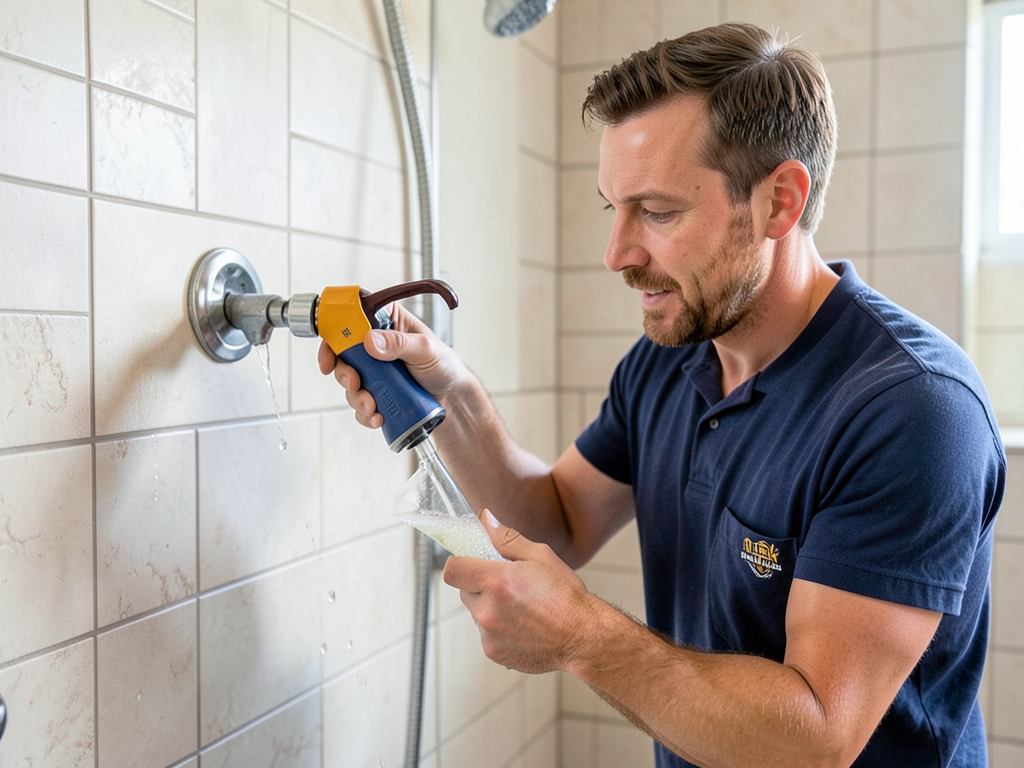
Removing White Crusty Buildup from Your Showerheads and Faucets White crusty buildup on your showerheads and faucets isn’t just an…

Removing White Crusty Buildup from Your Showerheads and Faucets

Removing White Crusty Buildup from Your Showerheads and Faucets White crusty buildup on your showerheads and faucets isn’t just an…

What to Do When Your Swamp Cooler Starts Leaking on Your Roof

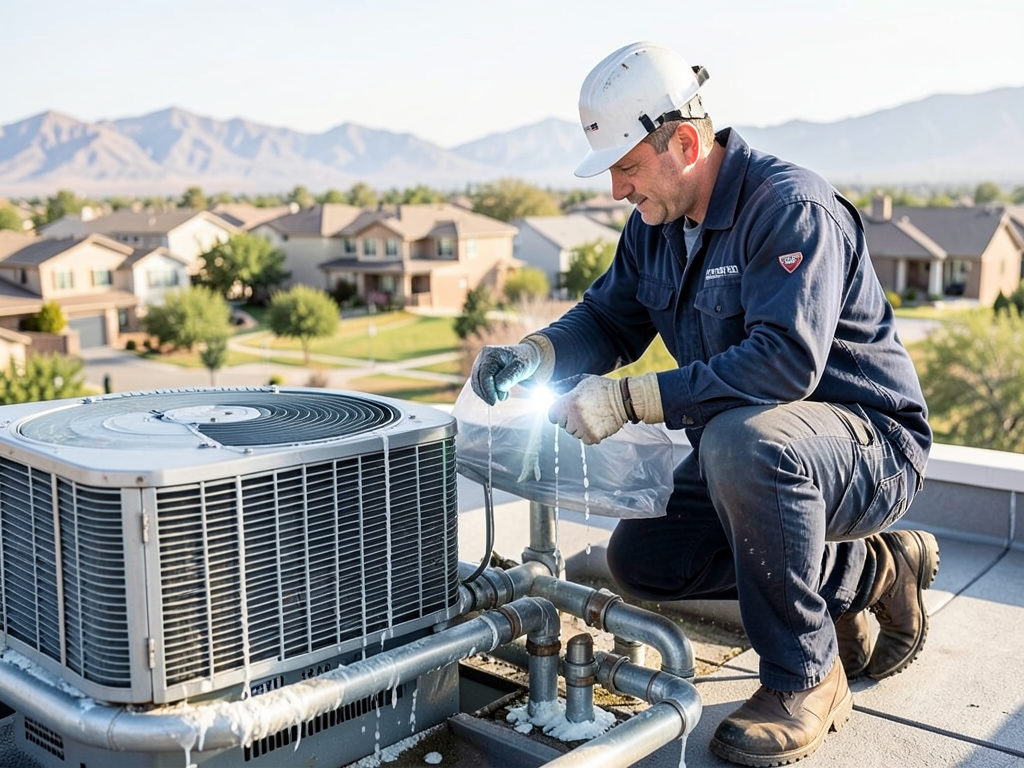
What to Do When Your Swamp Cooler Starts Leaking on Your Roof A swamp cooler leaking onto your roof creates…

How to Prepare Your Outdoor Kitchen for a Salt Lake City Summer

How to Prepare Your Outdoor Kitchen for a Salt Lake City Summer Your outdoor kitchen needs more than just a…

Contact Us

Call (385) 406-8899 now to schedule your free water quality analysis. We test your water, explain your options, and provide transparent recommendations based on your home's specific needs. Stop fighting hard water damage and start protecting your plumbing investment.