menu

Commercial Kitchen Plumbing in Salt Lake City | Minimize Downtime with Industrial-Grade Solutions

Protect your restaurant's operations with commercial kitchen plumbing built for high-volume food service environments. We deliver rapid response, code-compliant installations, and preventive maintenance that keeps your business running without costly interruptions.

Slider Image 1
Slider Image 2
Slider Image 3
Slider Image 4
Slider Image 5
Slider Image 7
Slider Image 8
Slider Image 9
Slider Image 10
Slider Image 11

Why Commercial Kitchens in Salt Lake City Face Unique Plumbing Demands

Salt Lake City's hard water and temperature swings create aggressive operating conditions for food service plumbing. The valley's high mineral content accelerates scale buildup in dish machines, ice makers, and boiler systems. During winter, freeze risk increases in exterior grease interceptors and uninsulated supply lines. You cannot afford equipment failure during peak hours.

Industrial kitchen plumbing operates under extreme stress. Multi-compartment sinks, pre-rinse spray valves, and commercial dishwashers cycle thousands of gallons daily. Grease accumulation in drain lines becomes a health code violation and fire hazard if not properly managed. Restaurant plumbing services require specialized knowledge of backflow prevention, thermostatic mixing valves, and grease trap sizing based on meal volume.

Salt Lake City enforces strict Title 15 health codes for food service facilities. Your plumbing must maintain separation between potable water and wastewater systems. Cross-connection violations trigger immediate closure. Commercial kitchen plumber expertise ensures compliance with local health department inspections and reduces liability exposure.

Inadequate drainage capacity causes floor flooding during rush periods. Undersized grease interceptors overflow and contaminate the building's main sewer line. Professional kitchen plumbing design accounts for peak flow rates, proper venting, and accessible cleanouts that prevent these operational disasters. You need infrastructure that supports growth without constant retrofit costs.

Why Commercial Kitchens in Salt Lake City Face Unique Plumbing Demands
How We Engineer Commercial Kitchen Plumbing for Maximum Uptime

How We Engineer Commercial Kitchen Plumbing for Maximum Uptime

We start with a load calculation based on your menu type and projected covers per shift. Different operations demand different infrastructure. A high-volume fast casual restaurant generates more wastewater than a fine dining establishment. We size drain lines, grease interceptors, and water heaters to match your actual usage patterns, not generic estimates.

Our installations use schedule 40 steel or XH cast iron for drain waste vent systems in commercial applications. PVC degrades under repeated exposure to boiling water and caustic chemicals. We install proper pitch on all horizontal runs to prevent grease accumulation and ensure gravity flow during peak discharge periods. Every cleanout is accessible without removing equipment.

We install thermostatic mixing valves at all hand sinks and prep areas to maintain 110-degree output temperature. This protects employees from scalding while meeting health code requirements. Backflow preventers on all equipment connections protect the potable water supply from contamination. We use brass ball valves with quarter-turn shutoffs so staff can isolate failed equipment without shutting down the entire kitchen.

Grease trap sizing follows the Plumbing-Drainage Institute's formula based on fixture unit count and retention time. Undersized traps require constant pumping and create compliance issues. We install exterior interceptors with traffic-rated lids and baffles that separate solids from liquid waste. Proper placement allows pump truck access without disrupting service. Our food service plumbing designs eliminate the emergency calls that cost you revenue.

What Happens During Your Commercial Kitchen Plumbing Project

Commercial Kitchen Plumbing in Salt Lake City | Minimize Downtime with Industrial-Grade Solutions
01

Site Assessment and Load Analysis

We walk your kitchen during operating hours to document equipment locations, existing supply lines, and drain connections. You explain your workflow and identify bottlenecks. We measure water pressure at the building main and calculate fixture unit demand based on your equipment schedule. This reveals capacity constraints before they cause problems. We photograph all existing plumbing and verify connections to city sewer and water mains.
02

Engineered Installation and Testing

We schedule work during your closed hours to avoid revenue loss. Our crews arrive with pre-fabricated assemblies to minimize installation time. We pressure test all supply lines at 150 PSI and run dye tests through drain systems to verify proper flow. Every connection is checked for leaks before we restore finishes. Equipment is reconnected and tested under full load conditions. We provide valve tags and operation instructions for your maintenance staff.
03

Inspection and Operational Handoff

We coordinate final inspection with Salt Lake Valley Health Department to obtain operational approval. You receive as-built drawings showing all valve locations, shutoff points, and cleanout access. We train your staff on emergency procedures and routine maintenance tasks. Your kitchen opens on schedule with fully functional plumbing infrastructure. We provide direct contact information for our commercial service team if issues arise during your ramp-up period.

Why Salt Lake City Restaurant Owners Choose Crestline Plumbing

We understand the economic pressure you face. Labor shortages, food costs, and thin margins leave no room for plumbing failures that shut down your operation. Restaurant plumbing services from Crestline Plumbing are designed around business continuity, not just code compliance.

Our technicians have installed plumbing in Salt Lake City kitchens from Sugar House to the Central Business District. We know the typical building infrastructure in older downtown buildings versus newer developments in Millcreek. We account for elevation changes between the valley floor and foothill properties that affect drainage and pressure requirements.

Salt Lake City's jurisdiction requires specific backflow prevention on all food service connections. We maintain current certification with the Utah Cross Connection Control Program. Our installations pass inspection the first time because we stay current with Title 15 revisions and local amendments that affect commercial kitchens.

We stock commercial-grade parts and equipment that match the brands you already use. When a dishwasher inlet valve fails on Saturday night, we carry the replacement. You do not wait until Monday for a parts order. Our service vehicles carry brass fittings, flexible connectors, and specialty tools for Hobart, Champion, and Salvajor equipment common in local restaurants.

Industrial kitchen plumbing requires coordination with your general contractor, hood installer, and gas fitters. We attend pre-construction meetings and provide rough-in drawings that prevent conflicts during build-out. You avoid change orders and schedule delays caused by trades working against each other.

What to Expect When You Partner with Crestline Plumbing

Rapid Response for Commercial Emergencies

We dispatch technicians within two hours for commercial kitchen emergencies. A backed-up floor drain or failed water heater during prep hours costs you hundreds in lost revenue per hour. Our commercial service team carries diagnostic equipment and common repair parts to resolve issues on the first visit. We arrive in unmarked vehicles if you prefer discretion. After-hours service is available for 24-hour operations. You receive a detailed service report with photographs documenting the failure cause and corrective action taken.

Comprehensive System Evaluation

Initial consultations include a full plumbing audit of your existing infrastructure. We test water pressure at each fixture, inspect grease trap condition, and evaluate drain line capacity. You receive a written report identifying code violations, capacity constraints, and equipment nearing end of life. We prioritize recommendations based on health code risk and failure probability. This assessment includes a scope of work with material specifications and labor estimates for budgeting purposes. No surprise costs appear mid-project.

Code-Compliant, Inspection-Ready Work

Every installation meets or exceeds Uniform Plumbing Code requirements and Salt Lake Valley Health Department standards. We pull permits, coordinate inspections, and provide stamped as-built drawings for your records. You receive documentation proving compliance if health inspectors question your plumbing during routine visits. Our work passes final inspection without corrections or callbacks. This protects your operating license and eliminates the risk of closure due to plumbing deficiencies. We guarantee workmanship and stand behind every connection we make.

Preventive Maintenance Programs

Scheduled maintenance prevents emergency failures that disrupt service. We offer quarterly inspections that include grease trap pumping coordination, drain line jetting, and backflow testing. Our technicians clean aerators, test pressure-reducing valves, and inspect exposed piping for corrosion. You receive advance notice of components approaching failure so replacements happen during planned downtime. Maintenance agreements include priority scheduling and discounted emergency service rates. This proactive approach extends equipment life and reduces total operating costs over your lease term.

Frequently Asked Questions

You Have Questions,
We Have Answers

What type of plumbing is used in commercial buildings? +

Commercial buildings use copper, CPVC, PEX, and cast iron pipe systems. Main water lines run copper or CPVC for potable water. Drain and waste lines use cast iron or Schedule 40 PVC for durability under heavy use. Commercial kitchens require grease traps, interceptors, and backflow preventers to meet code. Salt Lake City requires compliance with International Plumbing Code and local amendments. Cold climate considerations demand proper insulation and freeze protection for exposed lines. System sizing depends on fixture units, occupancy load, and equipment demand. Commercial installations need professional design to handle high flow rates and prevent costly downtime.

Are floor drains required in commercial kitchens? +

Yes. Salt Lake City enforces floor drain requirements in commercial kitchens under health and building codes. Floor drains prevent standing water, contain spills, and facilitate sanitation. You need drains near dishwashers, ice machines, prep sinks, and walk-in coolers. Minimum drain size is two inches with a P-trap. Grease-producing areas require connection to grease interceptors before entering the main sewer line. Proper slope toward drains prevents pooling and health code violations. Missing or improperly installed floor drains cause inspection failures and business shutdowns. Plan drain locations during buildout to avoid expensive retrofits.

How much does a commercial kitchen setup cost? +

This question focuses on overall kitchen setup rather than plumbing specifically. Commercial kitchen plumbing costs vary based on size, equipment count, and existing infrastructure. Factors include grease trap installation, backflow prevention devices, gas line connections, fixture count, and hot water system capacity. Salt Lake City permit fees and inspection requirements add to project costs. New construction offers more flexibility than tenant improvement projects in older buildings. Aging infrastructure downtown may require main line upgrades. Work with licensed commercial plumbers during design phase to budget appropriately and avoid change orders that delay your opening date.

What plumbing is needed for a kitchen? +

Commercial kitchens require hot and cold water supply lines, drainage systems, grease traps, gas lines for equipment, and backflow preventers. You need separate connections for three-compartment sinks, prep sinks, dishwashers, ice machines, and mop sinks. Install shut-off valves at each fixture for maintenance access. Adequate water pressure and volume matter for simultaneous equipment operation. Salt Lake City code requires RPZ backflow assemblies on certain connections. Size water heaters based on peak demand, not square footage. Commercial systems demand professional design to handle heavy use, prevent cross-contamination, and maintain code compliance during health inspections.

What is the 135 rule for plumbing? +

This rule does not apply to commercial plumbing systems. You may be thinking of residential design guidelines or electrical code. Commercial kitchen plumbing follows fixture unit calculations, pipe sizing charts, and flow rate requirements defined in the International Plumbing Code. Salt Lake City requires proper venting, trap sizing, and drainage slope based on fixture type and usage. Focus on grease interceptor sizing, hot water recovery rates, and backflow prevention rather than residential rules of thumb. Work with commercial plumbing professionals who understand health department requirements and high-volume kitchen demands.

What is the highest paid type of plumber? +

Commercial and industrial plumbers earn top wages in the trade. Union commercial plumbers in Salt Lake City command premium rates due to specialized knowledge of complex systems, code compliance, and project scale. Master plumbers with contractor licenses earn more through business ownership. Specialized fields like medical gas installation, process piping, and industrial maintenance pay well. Commercial work requires understanding plans, coordinating with general contractors, and managing liability on multi-million dollar projects. Experience with commercial kitchen systems, grease interceptors, and backflow certification increases earning potential. Hourly rates reflect expertise, licensing, insurance costs, and business overhead.

What is the 60 30 10 rule for kitchens? +

The 60-30-10 rule applies to interior design color distribution, not commercial kitchen plumbing or layout. This guideline suggests 60 percent dominant color, 30 percent secondary color, and 10 percent accent color for visual balance. Commercial kitchen design focuses on workflow efficiency, health code compliance, and operational function. Salt Lake City health departments prioritize sanitation, handwashing access, and proper drainage over aesthetic considerations. Focus on the kitchen work triangle, equipment placement, and plumbing infrastructure that supports your menu and volume. Color choices matter for branding but do not impact plumbing requirements or operational success.

What are the 5 C's of the kitchen? +

The five Cs refer to kitchen organization principles: Clear, Clean, Cook, Cold, and Containment. These guide workflow and food safety rather than plumbing specifications. Commercial plumbing supports these principles through proper handwashing stations, hot water availability, adequate drainage, and cold storage equipment connections. Salt Lake City health code requires handwashing sinks separate from prep sinks, accessible without crossing contamination zones. Your plumbing layout enables or hinders kitchen efficiency. Position water sources near high-use areas. Install floor drains where spills occur. Design plumbing infrastructure that supports your operational workflow and food safety protocols.

Can you use PVC in a commercial kitchen? +

Limited use. Schedule 40 PVC works for drain, waste, and vent lines in commercial kitchens but not for hot water supply. Salt Lake City code restricts PVC in areas exceeding 140 degrees. Dishwasher drains and equipment discharging hot water require metal pipe or special high-temperature PVC. CPVC handles higher temperatures for supply lines. Grease-bearing waste lines use cast iron or approved PVC with proper interceptors. Never use PVC for gas lines. Code compliance depends on application, temperature, and location. Your plumber selects appropriate materials based on equipment specifications and local inspector requirements.

What is the most expensive part of a commercial kitchen? +

Ventilation hoods and HVAC systems consume the largest portion of commercial kitchen budgets, not plumbing. Within plumbing scope, grease interceptors, hot water systems, and gas line installations cost the most. Large capacity water heaters or boiler systems require significant investment. Grease trap installation involves excavation, concrete work, and ongoing maintenance contracts. Backflow prevention assemblies and annual testing add costs. Salt Lake City permit fees and multiple inspection cycles increase project expenses. Tenant improvement projects in older buildings face higher costs due to infrastructure upgrades. Plan for contingencies when existing systems need replacement during renovation.

How Salt Lake City's Hard Water Impacts Restaurant Equipment Lifespan

Salt Lake Valley water contains 180 to 250 parts per million of dissolved minerals. This hardness level accelerates scale formation in boilers, steamers, and warewashing equipment. Commercial dishwashers develop spray arm blockages that reduce cleaning effectiveness and trigger health violations. Ice machines produce cloudy cubes and experience premature compressor failure when scale restricts water flow through evaporator plates. Professional kitchen plumbing installations in Salt Lake City require water treatment systems sized for commercial flow rates. Point-of-use softeners protect individual equipment while maintaining proper mineral balance for drinking water applications.

Crestline Plumbing maintains relationships with Salt Lake Valley Health Department inspectors and local building officials. We understand their specific interpretation of plumbing codes and their expectations during inspections. Our commercial kitchen plumber team has worked on projects throughout the valley, from restaurants in The Gateway to renovations in historic buildings on South Temple. This local knowledge means your installation meets both universal code requirements and the specific standards enforced in Salt Lake City. You avoid the costly rework that out-of-area contractors face when their installations fail inspection.
Plumbing Services in The Salt Lake City Area

We are proud to be a locally owned and operated business, dedicated to serving the entire Salt Lake City area and surrounding communities. Use the map below to pinpoint our location or to better understand our full service coverage across the region. If you need immediate assistance or would like to confirm that your home or business is within our guaranteed service area, please call our office directly—our warm, professional team is always ready to dispatch an expert to your location quickly.

Address:
Crestline Plumbing Salt Lake City, 222 S Main St, Salt Lake City, UT, 84101

Additional Services We Offer

Our news updates

Latest Articles & News from The Blogs

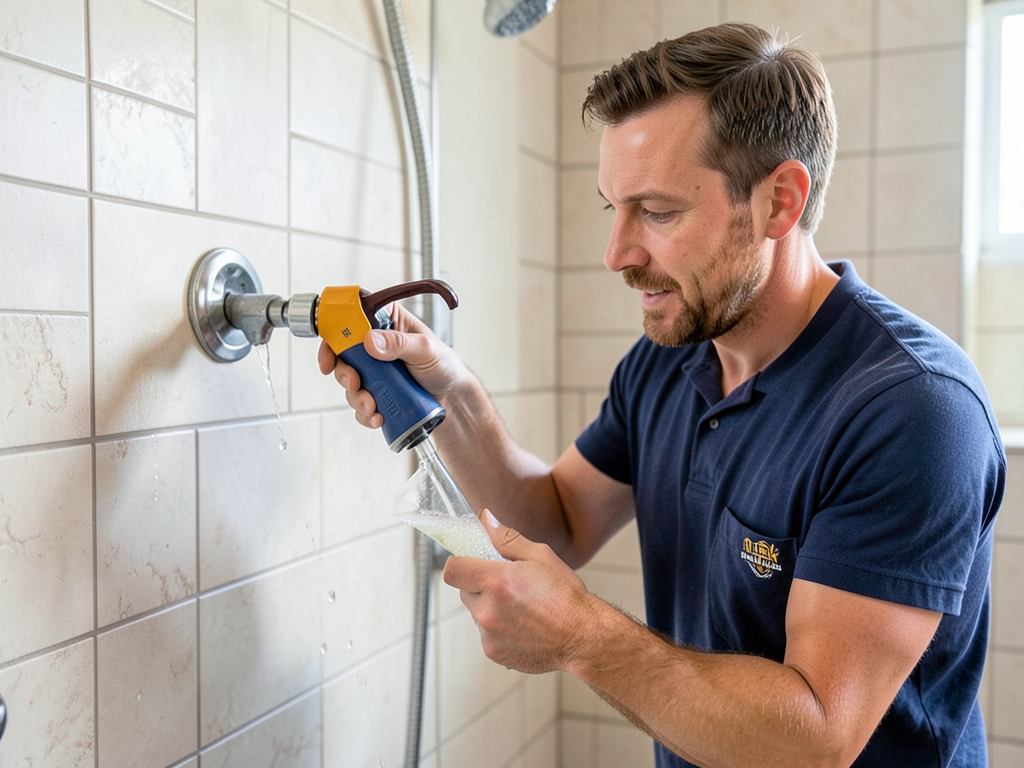
Removing White Crusty Buildup from Your Showerheads and Faucets White crusty buildup on your showerheads and faucets isn’t just an…

Removing White Crusty Buildup from Your Showerheads and Faucets

Removing White Crusty Buildup from Your Showerheads and Faucets White crusty buildup on your showerheads and faucets isn’t just an…

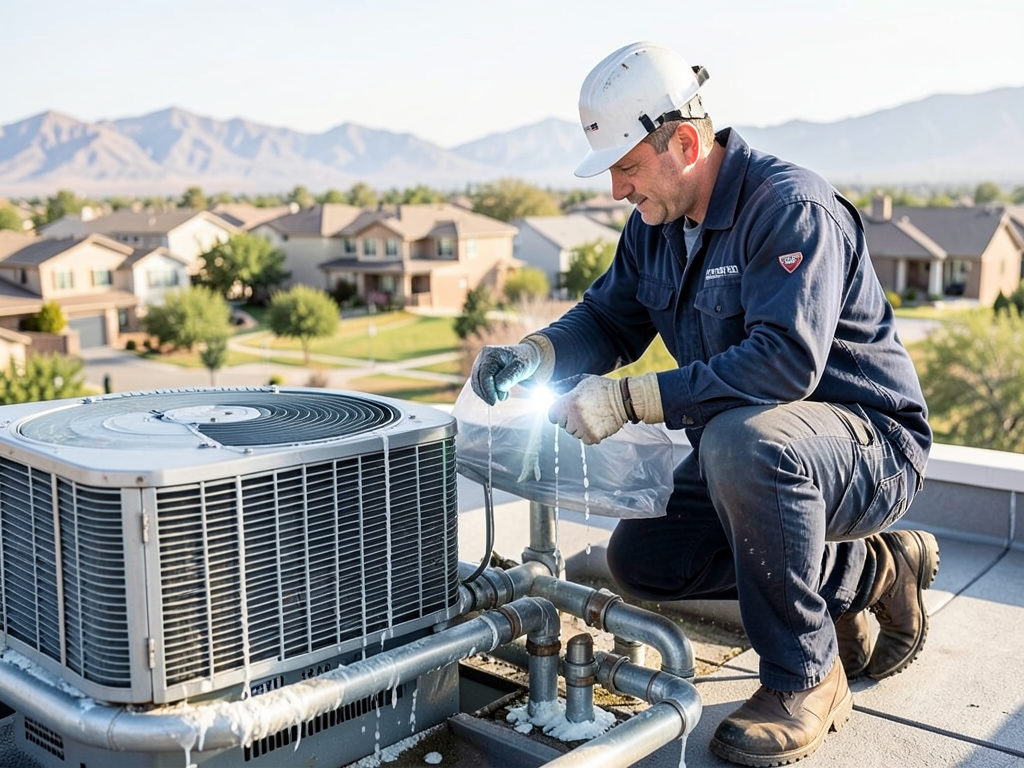
What to Do When Your Swamp Cooler Starts Leaking on Your Roof

What to Do When Your Swamp Cooler Starts Leaking on Your Roof A swamp cooler leaking onto your roof creates…

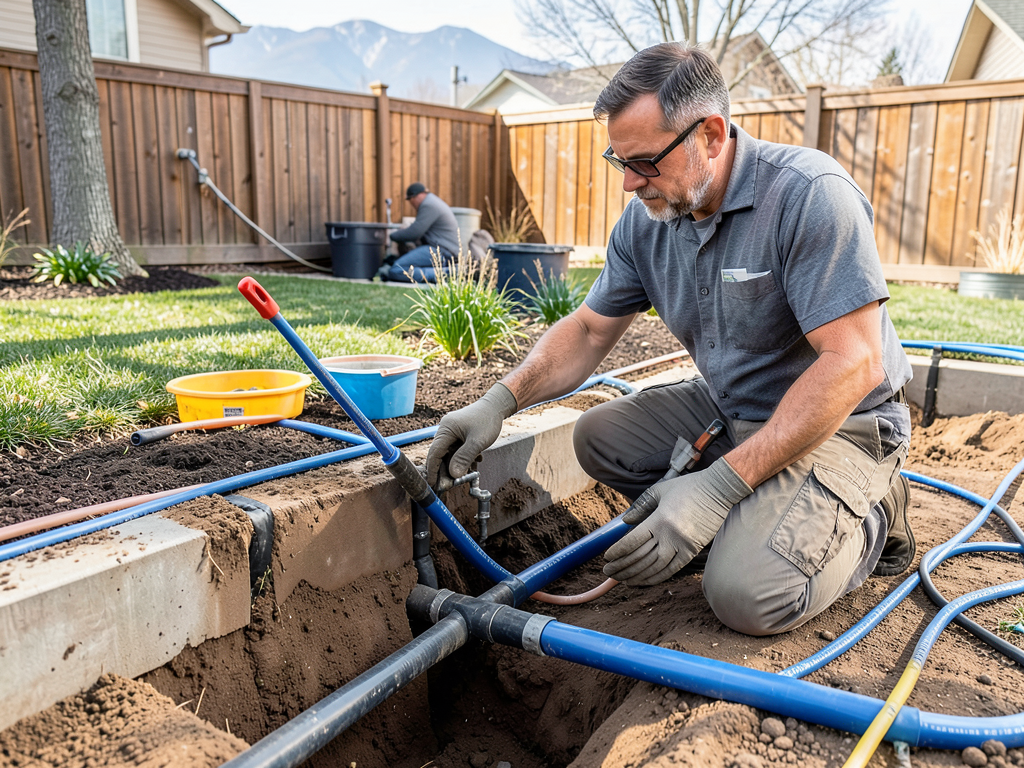
How to Prepare Your Outdoor Kitchen for a Salt Lake City Summer

How to Prepare Your Outdoor Kitchen for a Salt Lake City Summer Your outdoor kitchen needs more than just a…

Contact Us

Do not let plumbing failures cost you revenue and reputation. Call Crestline Plumbing Salt Lake City at (385) 406-8899 for immediate commercial service or new construction consultation. We respond within hours and provide transparent pricing before work begins.