menu

Commercial Plumbing Contractors in Salt Lake City – Minimizing Downtime for Your Business Operations

Crestline Plumbing Salt Lake City delivers industrial-grade commercial plumbing contractors with the capacity and code expertise to keep your facility operational, compliant, and protected from costly interruptions.

Slider Image 1
Slider Image 2
Slider Image 3
Slider Image 4
Slider Image 5
Slider Image 7
Slider Image 8
Slider Image 9
Slider Image 10
Slider Image 11

Why Commercial Facilities in Salt Lake City Face Unique Plumbing Demands

Your facility operates under pressure. Every hour of downtime translates directly to lost revenue, employee disruption, and potential liability exposure. Salt Lake City's hard water and mineral-heavy supply accelerate scale buildup in commercial fixtures, boilers, and water heaters. The freeze-thaw cycles from late October through March stress large-diameter supply lines in multi-story buildings and warehouse facilities across the valley. When a main line ruptures or a backflow preventer fails during business hours, you need commercial plumbing services that mobilize immediately.

The region's rapid commercial growth from Millcreek to West Valley City has stressed aging infrastructure. Many industrial buildings near the railroad corridor and older retail centers along State Street still operate with cast iron drain lines installed in the 1970s and 1980s. These systems fail without warning. Your business cannot afford generic residential plumbers attempting commercial work. You need commercial plumbing contractors who understand high-volume water systems, grease trap regulations for restaurants, and the complex drainage demands of medical facilities.

Industrial plumbing contractors must navigate Utah's strict backflow prevention requirements and Salt Lake City's commercial building codes. The city mandates annual testing for facilities with fire suppression systems, commercial kitchens, and medical waste disposal. Non-compliance creates liability. Commercial plumbing firms that lack proper industrial certifications expose your operation to code violations and insurance complications. Your facility deserves contractors who treat business continuity as the primary objective.

Why Commercial Facilities in Salt Lake City Face Unique Plumbing Demands
How Commercial Plumbing Companies Deliver Industrial Solutions

How Commercial Plumbing Companies Deliver Industrial Solutions

Commercial plumbing services differ fundamentally from residential work. The systems are larger, the stakes higher, and the approach more technical. Crestline Plumbing Salt Lake City deploys commercial plumbers trained specifically in industrial applications. We use hydro-jetting equipment rated for commercial drain lines, not homeowner-grade augers. Our trucks carry inventory for three-inch and four-inch fixtures, commercial-grade backflow preventers, and high-capacity water heaters that service office buildings and manufacturing facilities.

Your project begins with a comprehensive facility assessment. We map your entire plumbing infrastructure, identify points of failure, and document compliance gaps. For restaurants, we evaluate grease trap sizing against current health department standards. For medical offices, we verify backflow prevention on dental chair water lines and sterilizer connections. For warehouses, we inspect floor drain capacity and emergency eyewash station plumbing. This diagnostic phase prevents surprises during installation or repair work.

We coordinate with your operational schedule. Night shifts, weekend work, and phased installations keep your business running. When we replace a failed boiler or repipe a restroom bank, we isolate sections to maintain partial service. Our commercial plumbing contractors communicate directly with facility managers, providing transparent timelines and contingency plans. We understand that you answer to ownership, tenants, or customers. Our job is to solve the problem without creating new ones. We carry commercial liability coverage appropriate for multi-unit buildings and industrial facilities, not just residential policies extended beyond their intended scope.

How We Execute Commercial Plumbing Projects

Commercial Plumbing Contractors in Salt Lake City – Minimizing Downtime for Your Business Operations
01

Facility Assessment and Scope

We conduct a complete on-site evaluation of your plumbing infrastructure, documenting system age, capacity limitations, and code compliance gaps. This includes testing water pressure at multiple zones, inspecting backflow devices, and reviewing maintenance records. You receive a detailed scope document outlining necessary repairs, code updates, and timeline projections. This assessment ensures accurate project planning and prevents mid-job scope changes that disrupt operations.
02

Staged Implementation and Isolation

We execute work in phases that minimize operational impact. Water shutoffs are scheduled during low-traffic periods, and we install temporary bypass lines when necessary. For multi-floor buildings, we isolate affected zones while maintaining service to other areas. Our crews arrive with commercial-grade materials pre-staged to avoid delays. We coordinate with property management, security, and tenants to ensure everyone understands the work schedule and expected disruptions.
03

Testing, Documentation, and Handoff

Every installation undergoes pressure testing and code inspection before we consider the job complete. Backflow preventers are tested and certified. Water heaters are commissioned with proper expansion tank installation. You receive as-built documentation showing all work performed, materials used, and compliance certifications. For facilities requiring ongoing maintenance, we provide detailed service schedules and system operation instructions. Your facility manager gets direct contact information for future service needs or emergency dispatch.

Why Salt Lake City Businesses Choose Crestline for Commercial Work

Commercial plumbing contractors must understand local code requirements that residential plumbers never encounter. Salt Lake City enforces strict cross-connection control regulations for commercial buildings. Any facility with irrigation systems, fire suppression, or chemical processing requires certified backflow prevention and annual testing. We maintain Utah Department of Environmental Quality certifications for backflow testing and repair. Our documentation meets city inspection standards without requiring re-work or follow-up visits.

The Salt Lake Valley's unique geography creates specific challenges for commercial facilities. Buildings in the bench areas east of I-15 deal with higher water pressure that stresses fixtures and valve assemblies. Facilities in the lower valley near the Jordan River face higher water tables that complicate foundation drainage and sump pump systems. We have worked on industrial buildings throughout West Valley City, commercial properties along the I-80 corridor, and office complexes in Sandy and Draper. This local experience matters when diagnosing chronic drainage issues or designing expansion projects.

Your business cannot afford learning curves. When you call commercial plumbing companies, you need contractors who arrive with the right equipment, proper materials, and realistic timelines. We do not send residential crews to commercial jobs. Our commercial plumbers carry Utah contractor licenses appropriate for the work scope, and our company maintains commercial general liability coverage that protects your property and business operations. You get itemized proposals with transparent pricing, not vague estimates that balloon during execution. We understand that your priority is business continuity. Ours is delivering reliable infrastructure that supports your operations without drama or delays.

What Commercial Clients Should Expect

Response Times and Availability

Commercial emergencies demand immediate response. A ruptured supply line or sewage backup cannot wait until tomorrow. We maintain dedicated emergency dispatch for commercial clients, with response times measured in hours, not days. For scheduled projects, we provide firm start dates and completion timelines tied to your operational calendar. Weekend and after-hours work prevents disruption to your business day. Facility managers receive direct contact numbers for our commercial project supervisors, eliminating phone tree frustration during critical situations. We understand that your time is money, and delays compound costs exponentially in commercial settings.

Comprehensive System Evaluation

Before proposing solutions, we assess your entire plumbing infrastructure. This includes pressure testing, flow rate measurements, drain line camera inspections, and water quality analysis when relevant. For restaurants, we evaluate grease trap sizing against current usage patterns. For medical facilities, we verify that water supply lines meet healthcare standards. For manufacturing operations, we assess whether your system can handle planned expansions or equipment additions. You receive a detailed report documenting current conditions, identifying risks, and recommending priority repairs. This diagnostic approach prevents band-aid fixes that fail within months and require repeated service calls.

Quality Standards and Materials

Commercial installations require commercial-grade components. We install fixtures rated for high-volume use, not residential models that fail under commercial demand. Water heaters are properly sized using engineering calculations based on peak demand, not guesswork. Pipe materials are selected for your specific application, whether that means stainless steel for food service, copper for medical gas, or CPVC for chemical resistance. Every connection is pressure-tested. Every installation follows manufacturer specifications and local code requirements. You receive documentation showing materials used, including model numbers and warranty information. This attention to detail prevents premature failures and protects your investment.

Maintenance Programs and Support

Commercial plumbing systems require ongoing maintenance to prevent costly emergency failures. We offer scheduled service agreements that include annual backflow testing, water heater flushing, grease trap inspection, and drain line maintenance. These programs satisfy insurance requirements and municipal code mandates while extending equipment life. You receive advance scheduling that fits your operational calendar, detailed service reports after each visit, and priority emergency response if problems arise between scheduled services. Preventive maintenance costs a fraction of emergency repairs and keeps your facility compliant with health department and building code requirements. Your property manager gets transparent invoicing and complete service records for ownership reporting.

Frequently Asked Questions

You Have Questions,
We Have Answers

How much does a commercial plumber charge? +

Commercial plumbers in Salt Lake City typically charge between $100 and $200 per hour depending on project scope and complexity. Emergency service calls outside business hours command premium rates. Large-scale projects like multi-tenant buildings or industrial installations are often bid as fixed contracts rather than hourly rates. Factors affecting cost include permit requirements, prevailing wage mandates for public projects, and the need for specialized equipment. Code compliance work, backflow testing, and grease trap installations carry different rate structures. Request detailed proposals from multiple contractors to compare scope, timeline, and total project cost rather than focusing solely on hourly rates.

What is the highest paid type of plumber? +

Commercial and industrial plumbers specializing in complex systems earn the highest compensation. Master plumbers overseeing large commercial projects, pipefitters working in energy plants or refineries, and plumbers with specialized skills in medical gas systems or process piping command top rates. In Salt Lake City, plumbers serving data centers, hospitals, or manufacturing facilities often exceed standard commercial rates. Plumbers holding multiple certifications, backflow prevention licenses, and medical gas installer credentials position themselves for premium work. Project managers who coordinate multi-phase commercial installations typically earn more than field technicians. Specialization in fire suppression systems or HVAC integration also increases earning potential significantly.

Can a plumber make $100,000 a year? +

Yes. Commercial plumbers in Salt Lake City regularly exceed six-figure incomes through a combination of full-time employment and strategic overtime. Plumbers working on large commercial construction projects, handling emergency service contracts with property management firms, or managing crews for multi-site clients reach this threshold. Master plumbers who own small contracting businesses surpass this figure by balancing labor costs with project volume. The key is specialization in commercial work where project values are substantially higher than residential service calls. Plumbers with backflow certification, medical gas credentials, or process piping experience command rates that make $100,000 annually achievable without business ownership.

Do commercial plumbers make more than residential plumbers? +

Yes. Commercial plumbers consistently earn more than residential plumbers due to project scale, complexity, and liability exposure. Commercial work involves multi-story buildings, engineered systems, code compliance documentation, and coordination with general contractors and engineers. Projects in Salt Lake City's growing commercial corridor require adherence to strict building codes and often involve prevailing wage requirements. Commercial plumbers handle larger pipe sizes, commercial-grade fixtures, grease interceptors, and backflow prevention systems. The specialized knowledge, licensing requirements, and higher insurance costs justify premium billing rates. Additionally, commercial projects typically offer steadier work volume and longer-term contracts compared to sporadic residential service calls.

How much does it cost to plumb a 2000 sq ft house? +

This question addresses residential scope, but for context, plumbing a 2,000 square foot home typically costs $8,000 to $15,000 for new construction. Commercial projects operate on entirely different scales and pricing structures. A 2,000 square foot commercial space requires different fixtures, increased water supply capacity, ADA-compliant restrooms, commercial-grade water heaters, backflow prevention devices, and grease traps if food service is involved. Commercial build-outs also require detailed engineering plans, permit coordination, and inspection scheduling. In Salt Lake City, commercial tenant improvements factor in existing building infrastructure, code upgrade requirements, and business occupancy timelines. Always request site-specific proposals for commercial plumbing projects.

What is a commercial plumber called? +

A commercial plumber is simply called a commercial plumber or journeyman plumber specializing in commercial applications. Some hold the title master plumber if they have achieved the highest licensing level and can supervise other plumbers and pull permits independently. Plumbers working in industrial settings may be called pipefitters, steamfitters, or industrial plumbers depending on their specialty. In Salt Lake City, commercial plumbers working on medical facilities may hold medical gas installer certifications. Those specializing in fire suppression are sometimes called fire sprinkler fitters. The core designation remains commercial plumber, with specializations noted through additional certifications rather than different job titles.

What jobs make $3,000 a month without a degree? +

Commercial plumbing apprenticeships offer a clear path to $3,000 monthly income without a college degree. Apprentices in Salt Lake City start earning wages immediately while learning the trade through on-the-job training and classroom instruction. Other trades include HVAC technicians, electricians, welders, and heavy equipment operators. Building maintenance technicians, delivery drivers for commercial routes, and warehouse supervisors also reach this threshold. Certificate programs in medical coding, dental assisting, or paralegal studies provide faster entry than four-year degrees. The skilled trades offer the advantage of no student debt, immediate income, and long-term earning potential that often exceeds many bachelor's degree careers.

What is the 135 rule for plumbing? +

The 135-degree rule refers to proper slope angle for horizontal drain piping to ensure adequate flow and prevent clogs. Horizontal drains should drop at least one-quarter inch per foot of run, creating an angle of approximately 1.35 degrees from true horizontal. This grade allows waste and water to flow efficiently without leaving deposits that cause blockages. In commercial installations throughout Salt Lake City, maintaining proper slope is critical in long drain runs common in multi-tenant buildings. Too steep a slope causes liquids to run faster than solids, leading to separation and clogs. Too shallow creates standing water and sediment buildup. Laser levels ensure compliance during installation.

How to make 300k a year as a plumber? +

Reaching $300,000 annually as a plumber requires business ownership, specialization, or a combination of both. In Salt Lake City, this means running a commercial plumbing contracting company with multiple crews, securing large-scale projects, and maintaining strong margins through efficient operations. Specializing in high-value niches like medical gas systems, industrial process piping, or serving as a preferred vendor for large property management portfolios creates this income potential. Some master plumbers achieve this through a mix of contracting work and serving as expert witnesses in construction litigation. It requires business acumen beyond technical skills and typically involves managing overhead, insurance, bonding, and employees.

Can a plumber make 250k a year? +

Yes, but it requires exceptional business execution. Commercial plumbers earning $250,000 annually typically own established contracting businesses with multiple revenue streams. This includes new construction projects, service contracts with commercial property managers, and emergency response agreements. In Salt Lake City's growing commercial market, contractors who secure municipal contracts, work with hospital systems, or serve industrial clients reach this level. It demands strong estimating skills, efficient project management, quality crews, and the ability to bond large projects. Some plumbers achieve this through specialization in high-margin work like retrofit projects in occupied buildings where speed and minimal disruption command premium rates.

How Salt Lake City's Hard Water Impacts Commercial Plumbing Infrastructure

Salt Lake City's municipal water supply contains high mineral content that accelerates scale accumulation in commercial water heaters, boilers, and fixture aerators. Calcium and magnesium deposits reduce flow rates, increase energy consumption, and shorten equipment lifespan. Facilities operating large-volume water systems face compounding costs as scale restricts pipe diameter and forces pumps to work harder. Commercial plumbing contractors serving the valley must account for water chemistry when sizing equipment and recommending maintenance intervals. Ignoring these regional factors leads to premature equipment failure and unexpected replacement costs that disrupt budgets and operations.

The complexity of commercial plumbing systems demands contractors who understand local building codes and inspection processes. Salt Lake City requires annual backflow testing for commercial properties, with certified testers filing reports directly to the city. Facilities with fire suppression systems face additional inspection requirements. Commercial plumbing firms that lack proper certifications create liability exposure and potential fines for property owners. Crestline Plumbing Salt Lake City maintains all required state and local certifications, ensuring that your facility passes inspections without complications. Our familiarity with local inspectors and code enforcement procedures streamlines the approval process and keeps your project on schedule.
Plumbing Services in The Salt Lake City Area

We are proud to be a locally owned and operated business, dedicated to serving the entire Salt Lake City area and surrounding communities. Use the map below to pinpoint our location or to better understand our full service coverage across the region. If you need immediate assistance or would like to confirm that your home or business is within our guaranteed service area, please call our office directly—our warm, professional team is always ready to dispatch an expert to your location quickly.

Address:
Crestline Plumbing Salt Lake City, 222 S Main St, Salt Lake City, UT, 84101

Additional Services We Offer

Our news updates

Latest Articles & News from The Blogs

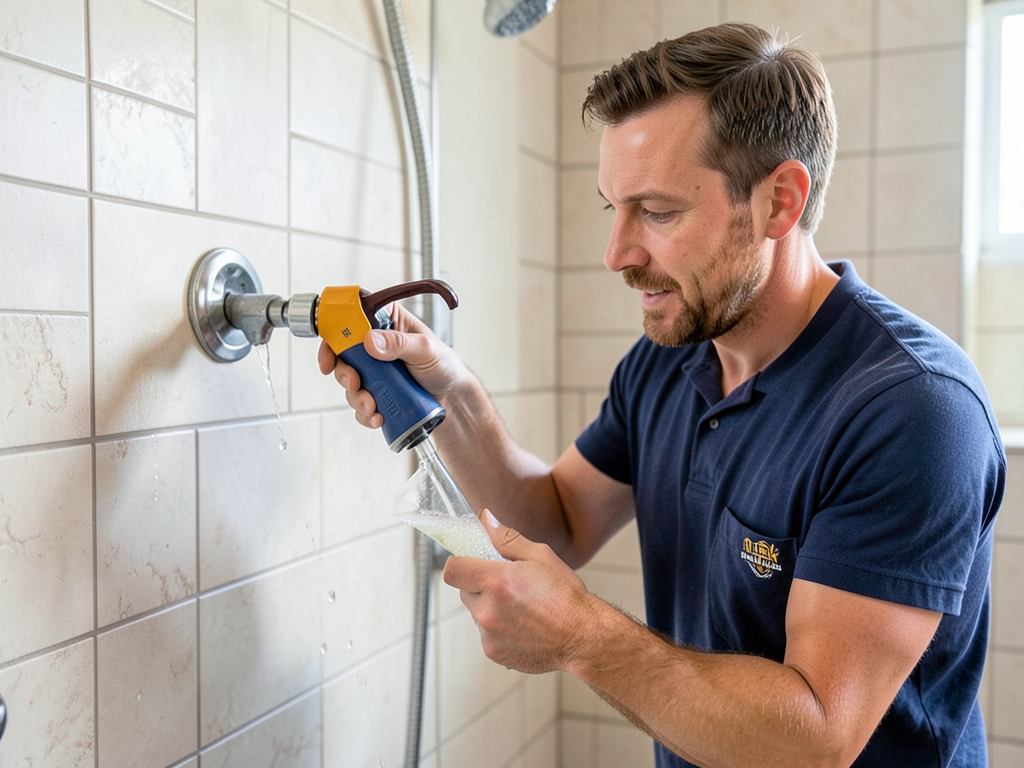
Removing White Crusty Buildup from Your Showerheads and Faucets White crusty buildup on your showerheads and faucets isn’t just an…

Removing White Crusty Buildup from Your Showerheads and Faucets

Removing White Crusty Buildup from Your Showerheads and Faucets White crusty buildup on your showerheads and faucets isn’t just an…

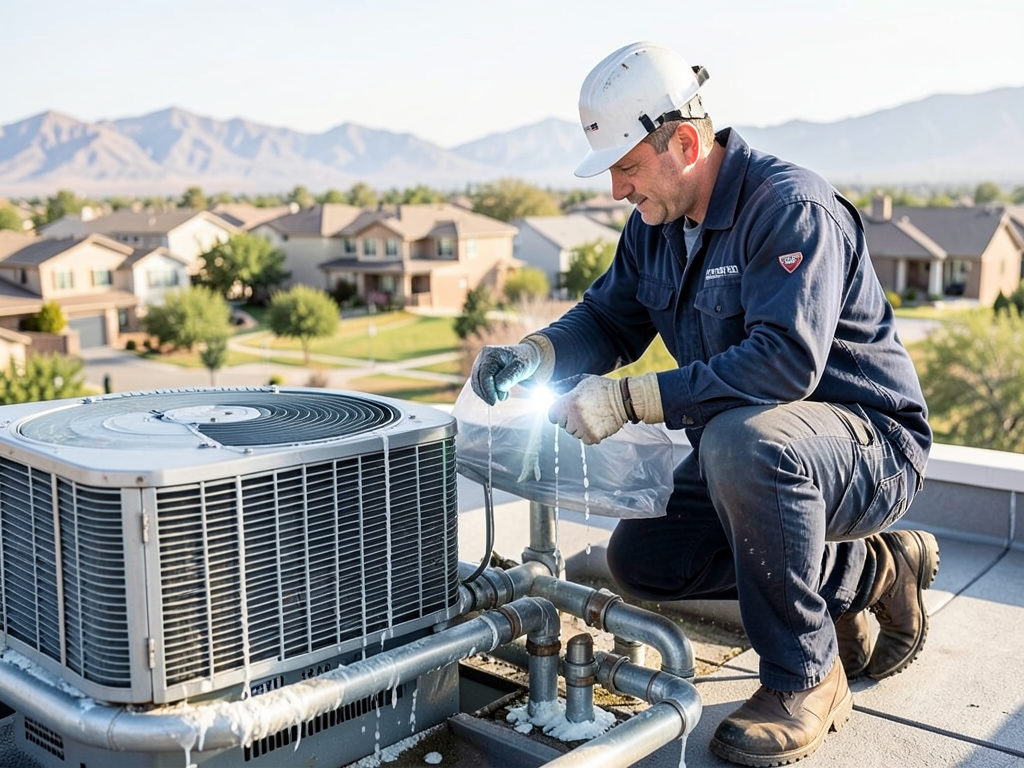
What to Do When Your Swamp Cooler Starts Leaking on Your Roof

What to Do When Your Swamp Cooler Starts Leaking on Your Roof A swamp cooler leaking onto your roof creates…

How to Prepare Your Outdoor Kitchen for a Salt Lake City Summer

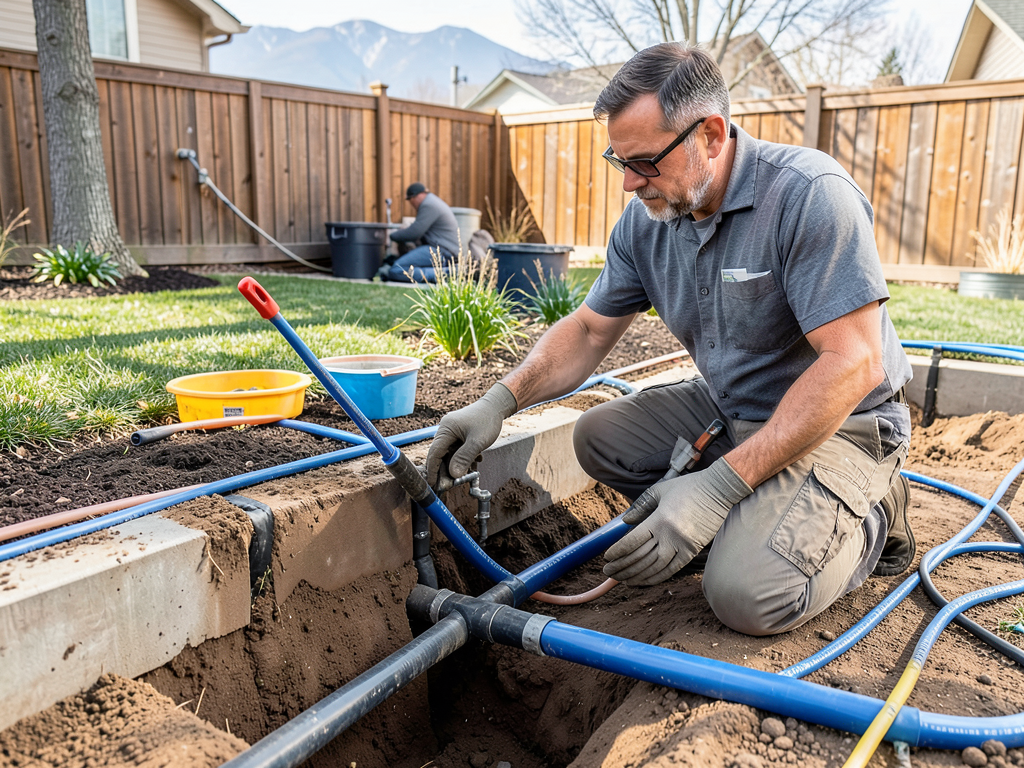
How to Prepare Your Outdoor Kitchen for a Salt Lake City Summer Your outdoor kitchen needs more than just a…

Contact Us

Your facility deserves industrial plumbing contractors who prioritize uptime and compliance. Call Crestline Plumbing Salt Lake City at (385) 406-8899 for transparent commercial plumbing solutions that protect your operations and bottom line.