menu

Commercial Sewer Line Repair in Salt Lake City – Minimize Downtime and Protect Your Operations

Industrial-grade commercial sewer line repair built for Salt Lake City businesses. We diagnose fast, restore flow faster, and keep your facility compliant with minimal disruption to daily operations.

Slider Image 1
Slider Image 2
Slider Image 3
Slider Image 4
Slider Image 5
Slider Image 7
Slider Image 8
Slider Image 9
Slider Image 10
Slider Image 11

When Your Commercial Sewer Line Fails, Every Minute Costs Money

A failed commercial sewer main does not wait for a convenient time. When your business faces a backup, raw sewage threatens inventory, disrupts tenant operations, and exposes you to regulatory penalties. Salt Lake City's freeze-thaw cycles compound the issue. Temperatures regularly dip below freezing from November through March, causing ground shift and pipe stress that cracks aging clay and cast iron lines. Spring thaw accelerates deterioration as snowmelt saturates the soil around your building's foundation.

Commercial sewer pipe repair requires immediate action. A single backup can shut down restrooms, halt food service, or force retail closures. Tenants leave. Health inspectors arrive. Your liability grows by the hour. Salt Lake City's high water table in low-lying areas near the Jordan River adds hydrostatic pressure to underground pipes, increasing the risk of joint separation and root intrusion.

Business sewer line repair is not a DIY solution. You need diagnostic equipment, trenchless technology access, and crew capacity to restore flow before your revenue stream stops. Industrial sewer line repair demands engineers who understand commercial load factors, not residential plumbers guessing at pipe diameter. The longer you wait, the more you pay in lost productivity, emergency overtime, and potential code violations.

Commercial sewer repair services exist to solve one problem: getting your operation back online without excavating your parking lot or closing for days. You need a contractor who mobilizes fast, carries commercial liability coverage, and completes the work during off-peak hours to protect your bottom line.

When Your Commercial Sewer Line Fails, Every Minute Costs Money
How We Diagnose and Restore Commercial Sewer Systems

How We Diagnose and Restore Commercial Sewer Systems

We deploy camera inspection technology within the first hour. A high-definition sewer camera maps the interior condition of your mainline, identifies the failure point, and measures pipe diameter to calculate hydraulic capacity. You receive a diagnostic report with video documentation before any repair begins. This eliminates guesswork and prevents unnecessary excavation.

Trenchless pipe lining is the default solution for most commercial sewer main repair projects. We insert an epoxy-saturated liner into the damaged section, inflate it, and cure it in place. The result is a seamless, corrosion-resistant pipe within your existing pipe. No trenching across your drive lanes. No asphalt removal. No multi-day closures. The liner adds structural integrity and extends service life by decades.

When collapse or offset requires open-cut repair, we coordinate with your operations manager to minimize disruption. Night shifts and weekend work keep your business accessible during peak hours. We use trench boxes and shoring to meet OSHA excavation standards, and our crews restore landscaping, paving, and concrete to match existing conditions.

For industrial sewer line repair involving high-volume discharge, we calculate flow rates and specify pipe materials that handle grease, chemicals, or elevated temperatures. A restaurant requires different pipe specs than a medical facility. We match the repair to your waste stream.

Hydro jetting removes buildup before and after repair. High-pressure water scours the pipe interior, clearing grease, mineral scale, and root infiltration. This step ensures full flow capacity and prevents premature system failure. You get a clean, functioning system ready for years of service.

What Happens During Your Commercial Sewer Line Repair

Commercial Sewer Line Repair in Salt Lake City – Minimize Downtime and Protect Your Operations
01

Emergency Assessment and Diagnosis

We arrive with camera inspection equipment and locate the blockage or break. Our technician inserts a waterproof camera through your cleanout access, transmits live video to a monitor, and records the pipe condition. You see exactly what failed, where it failed, and what caused it. We measure depth, identify pipe material, and assess surrounding soil conditions before recommending a repair method.
02

Repair Execution and Flow Restoration

We mobilize the crew and equipment needed for your specific repair. Trenchless lining requires a curing rig and epoxy resin. Open-cut repair requires excavation equipment, pipe materials, and backfill. We coordinate utility locates, pull permits if required, and complete the work during hours that protect your operations. Your sewer flows again, and we test the system under load before leaving the site.
03

Final Inspection and Documentation

We perform a post-repair camera inspection to verify the fix. You receive before-and-after video, a written scope of work completed, and recommendations for preventive maintenance. If your repair involved excavation, we restore paving and landscaping to pre-failure condition. You get documentation for your facility records, insurance claims, or tenant communications. The system is ready for full operational load.

Why Salt Lake City Businesses Choose Crestline Plumbing for Sewer Repairs

Salt Lake City sits in a high-desert valley at 4,200 feet elevation. The soil composition varies from clay loam near the Jordan River to sandy gravel on the benches. Older commercial buildings in the Central Business District and Sugar House often have outdated sewer laterals made of Orangeburg fiber pipe or clay tile. These materials fail under freeze-thaw stress and root intrusion. We know which materials were common in which decades, and we tailor repair methods to match the existing infrastructure.

Local code compliance matters. Salt Lake City adopts the International Plumbing Code with amendments. Commercial sewer repairs often require permits, inspections, and documentation for the building department. We handle the permit process, coordinate inspections, and provide you with signed-off paperwork. You avoid code violations and fines.

We carry commercial general liability coverage and workers' compensation insurance. When our crew is on your property, you are protected. We also understand the urgency of business continuity. A restaurant cannot close for three days. A medical office cannot shut down restrooms. We schedule work around your operations, deploy adequate crew size to finish fast, and communicate status updates in real time.

Crestline Plumbing understands the cost of downtime. You need a contractor who shows up, diagnoses accurately, and completes the work without excuses. We stock commercial-grade materials, operate multiple service trucks, and maintain relationships with trenchless equipment suppliers. When you call, we mobilize. When we start, we finish. Your business depends on it.

What to Expect When You Schedule Commercial Sewer Line Repair

Rapid Response and Crew Availability

We dispatch a diagnostic technician within two hours of your call. Emergency sewer failures do not follow business hours, so we maintain on-call crews seven days a week. Once we diagnose the issue, we provide a repair timeline and crew schedule. Most trenchless repairs finish in four to eight hours. Open-cut repairs requiring excavation take one to three days depending on depth and site access. We communicate delays immediately and adjust schedules to match your operational needs.

Camera Inspection and Diagnostic Reporting

You receive a video recording of the camera inspection along with a written diagnostic report. We identify the failure type, measure the affected pipe length, and document any secondary issues like root intrusion or bellied pipe sections. This transparency allows you to make informed decisions and budget accurately. You also get a copy for your facility maintenance records. If you need to file an insurance claim, you have the documentation required to support it.

Durable, Long-Term Repairs

We use materials designed for commercial load and longevity. Trenchless epoxy liners cure to form a seamless, jointless pipe with a service life exceeding 50 years. Open-cut repairs use schedule 40 PVC or ductile iron depending on depth and load requirements. All joints are sealed, backfill is compacted in lifts, and surface restoration matches existing conditions. You get a repair that withstands daily use, freeze-thaw cycles, and the hydraulic demands of a commercial facility.

Preventive Maintenance Recommendations

After we complete the repair, we provide a maintenance plan tailored to your waste stream. Restaurants need quarterly hydro jetting to prevent grease buildup. Medical facilities benefit from annual camera inspections to catch issues before they escalate. We schedule these services during low-traffic periods and send reminders when maintenance is due. Preventive care reduces emergency calls, extends pipe life, and protects your investment. You avoid the cost and disruption of repeat failures.

Frequently Asked Questions

You Have Questions,
We Have Answers

Are sewer line repairs covered by insurance? +

Most commercial property insurance policies exclude sewer line damage unless you purchased specific endorsements. Standard policies rarely cover maintenance-related failures or deterioration from age. However, if a sudden, identifiable event causes the damage, such as a vehicle striking your cleanout or vandalism, you may have coverage. Review your policy for water backup or service line endorsements. In Salt Lake City, freeze-thaw cycles and soil shifting can accelerate pipe deterioration, which insurers classify as gradual damage and typically deny. Document all damage thoroughly and consult your broker before filing. Business interruption coverage may apply if the failure closes your facility.

How to fix a collapsed sewer line without digging? +

Trenchless pipe lining repairs collapsed sections without excavation. A technician inserts a resin-saturated liner through existing access points, inflates it against the pipe wall, and cures it in place. This creates a new pipe within the old one. The method works for partial collapses or significant deterioration but not total cave-ins where soil has filled the line. Salt Lake City's rocky substrata makes traditional digging expensive and time-consuming, increasing trenchless appeal. Expect a camera inspection first to confirm candidacy. The process minimizes business disruption and parking lot or sidewalk restoration costs, critical factors for commercial properties.

How to repair a damaged sewer line? +

Repair methods depend on damage location, extent, and pipe material. Spot repairs address isolated breaks using excavation to expose the damaged section, remove it, and install a new segment with couplings. Trenchless options include pipe lining for cracks and deterioration or pipe bursting to replace the entire line. Your contractor performs a camera inspection to map damage precisely. In Salt Lake City, clay soil movement and temperature swings cause joint separation in older cast iron or clay lines. Commercial repairs prioritize speed to restore operations. Choose methods that meet local building codes and minimize surface disruption to maintain customer access.

How much does it cost to fix a clog in the main sewer line? +

Commercial main line clogs typically cost between several hundred and several thousand dollars, depending on severity, location, and access difficulty. Simple blockages near cleanouts clear quickly with hydro jetting. Deep clogs requiring camera location, root cutting, or multiple access points increase costs. If the clog results from structural failure such as a bellied pipe or root intrusion through cracks, you face repair costs beyond clearing. Salt Lake City properties with mature landscaping often experience root infiltration. Budget for camera inspection as a diagnostic step. Repeat clogs signal underlying pipe failure requiring comprehensive repair, not just clearing.

Who is responsible for a broken sewer pipe? +

Responsibility depends on where the break occurs. Property owners typically own and maintain the lateral line from the building to the connection point at the city main. The municipality owns the main line in the street or easement. Review your property deed and local ordinances for the exact demarcation point. In Salt Lake City, this transition often occurs at the property line or right-of-way edge. If your lateral breaks on your property, you pay. If the city main fails and backs up into your building, the city handles main repairs but rarely covers your interior damage. Verify responsibility before contracting repairs.

What is the average lifespan of a sewer line? +

Sewer line lifespan varies by material. Cast iron lasts 50 to 75 years but corrodes from the inside. Clay pipes reach 50 to 60 years but crack from soil movement. Orangeburg fiber pipes deteriorate in 30 to 50 years. Modern PVC lines can last over 100 years if installed correctly. Salt Lake City's freeze-thaw cycles and soil conditions stress older materials, accelerating failure. Commercial properties with high wastewater volumes experience faster degradation. Regular camera inspections after 40 years for older systems help you plan replacement before catastrophic failure disrupts operations. Proactive replacement avoids emergency repairs and business downtime.

Who pays for a collapsed sewer line? +

The property owner pays if the collapse occurs on their lateral line. If the city main collapses, the municipality covers main repair but not damage to your property or business interruption losses. Your insurance may cover sudden collapses if you carry service line coverage, but gradual deterioration claims are typically denied. In Salt Lake City, soil subsidence and shifting can cause collapses, which insurers classify as maintenance issues. Commercial property owners should budget for sewer infrastructure as a capital expense. Document the collapse location with camera footage to establish responsibility before authorizing repairs. Confirm jurisdiction with the city utilities department.

What is the cheapest way to replace a sewer line? +

Trenchless pipe bursting offers cost efficiency by eliminating excavation, surface restoration, and landscape replacement. A contractor pulls a bursting head through the old pipe, fracturing it outward while simultaneously pulling in new HDPE pipe. You avoid pavement removal, traffic control, and extended closure of parking areas. Traditional dig-and-replace costs less per linear foot for pipe but total project costs spike with restoration. In Salt Lake City, rocky soil and established commercial sites make excavation expensive. Evaluate total project cost, not just pipe installation. The cheapest method balances installation expense, downtime, and restoration requirements specific to your property.

How much does it cost to reline a sewage pipe? +

Commercial pipe relining costs vary by diameter, length, access difficulty, and pipe condition. Smaller diameter lines cost less per foot than larger mains. Projects requiring multiple access points, extensive cleaning, or repairs to access structures increase costs. Relining avoids excavation expenses but requires specialized equipment and materials. Salt Lake City projects often face access challenges in built-out commercial districts, which affect pricing. The process requires business closure for several hours to a full day depending on scope. Request detailed estimates covering inspection, cleaning, lining, and final camera verification. Compare total cost against traditional replacement including restoration.

How much does it cost to fix a broken underground pipe? +

Underground pipe repair costs depend on depth, location, pipe size, and repair method. Shallow breaks under landscaping cost less than deep lines under pavement or buildings. Trenchless repairs eliminate excavation costs but require specialized equipment. Traditional excavation includes digging, shoring, pipe replacement, backfill, compaction, and surface restoration. Salt Lake City's rocky soil increases excavation difficulty and cost. Commercial properties must factor in business disruption costs beyond direct repair expenses. Parking lot or sidewalk restoration adds significant expense to traditional methods. Obtain multiple bids specifying repair method, timeline, and what restoration work is included in quoted prices.

How Salt Lake City's Clay Soil and Freeze-Thaw Cycles Damage Commercial Sewer Lines

Salt Lake City's clay-heavy soil expands when wet and contracts when dry. This constant movement creates pressure on underground sewer pipes, causing joint separation and cracking in rigid materials like cast iron and clay tile. Winter freezing compounds the issue. When temperatures drop below 32 degrees, moisture in the soil freezes and expands, exerting additional force on buried pipes. Spring thaw brings rapid moisture infiltration, which saturates the soil and increases hydrostatic pressure. Older commercial properties near 400 South and State Street often experience sewer main failures tied directly to these seasonal shifts.

Salt Lake City commercial property owners need contractors who understand local soil conditions and historical construction practices. Buildings constructed before 1980 often have sewer laterals made from outdated materials that cannot withstand freeze-thaw stress. Crestline Plumbing has repaired sewer systems across the valley, from the warehouses in the Granary District to the retail centers along Foothill Drive. We know which pipe materials fail first, where soil conditions create the most stress, and how to engineer repairs that last. Local expertise protects your investment and keeps your facility compliant with city codes.
Plumbing Services in The Salt Lake City Area

We are proud to be a locally owned and operated business, dedicated to serving the entire Salt Lake City area and surrounding communities. Use the map below to pinpoint our location or to better understand our full service coverage across the region. If you need immediate assistance or would like to confirm that your home or business is within our guaranteed service area, please call our office directly—our warm, professional team is always ready to dispatch an expert to your location quickly.

Address:
Crestline Plumbing Salt Lake City, 222 S Main St, Salt Lake City, UT, 84101

Additional Services We Offer

Our news updates

Latest Articles & News from The Blogs

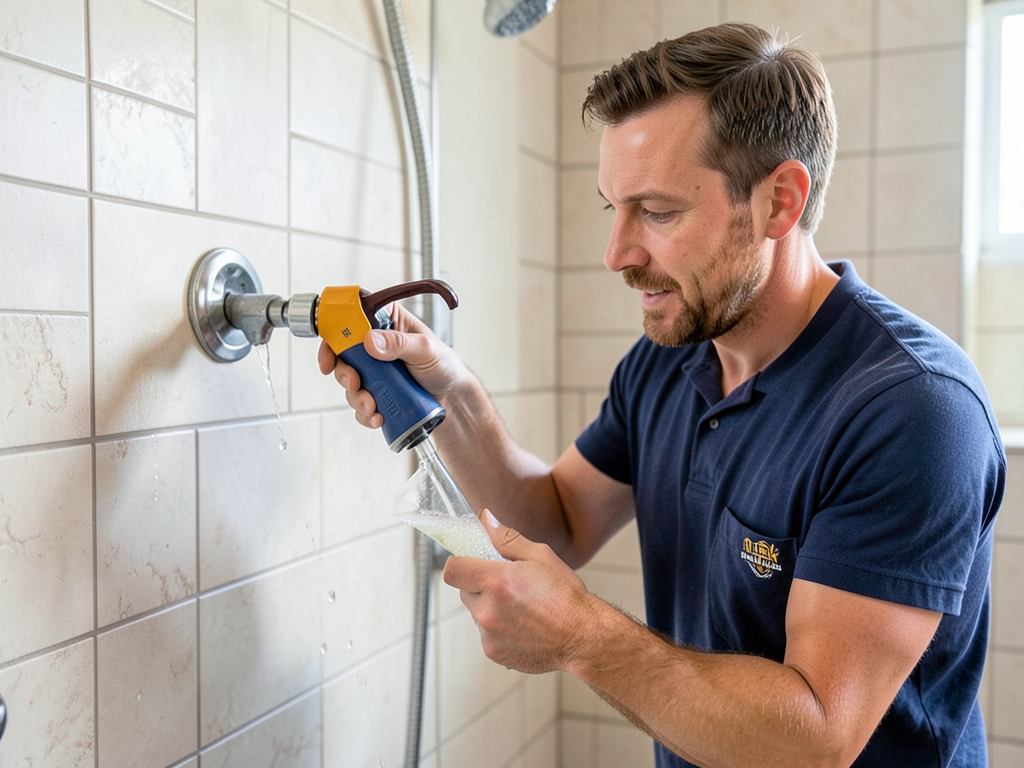
Removing White Crusty Buildup from Your Showerheads and Faucets White crusty buildup on your showerheads and faucets isn’t just an…

Removing White Crusty Buildup from Your Showerheads and Faucets

Removing White Crusty Buildup from Your Showerheads and Faucets White crusty buildup on your showerheads and faucets isn’t just an…

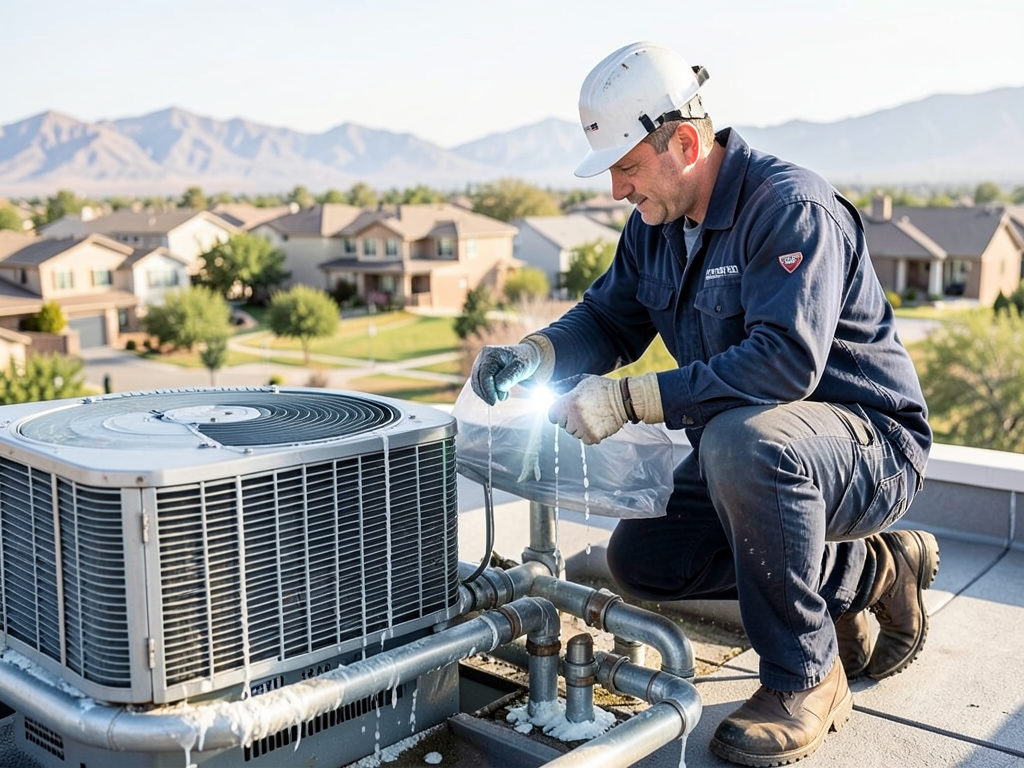
What to Do When Your Swamp Cooler Starts Leaking on Your Roof

What to Do When Your Swamp Cooler Starts Leaking on Your Roof A swamp cooler leaking onto your roof creates…

How to Prepare Your Outdoor Kitchen for a Salt Lake City Summer

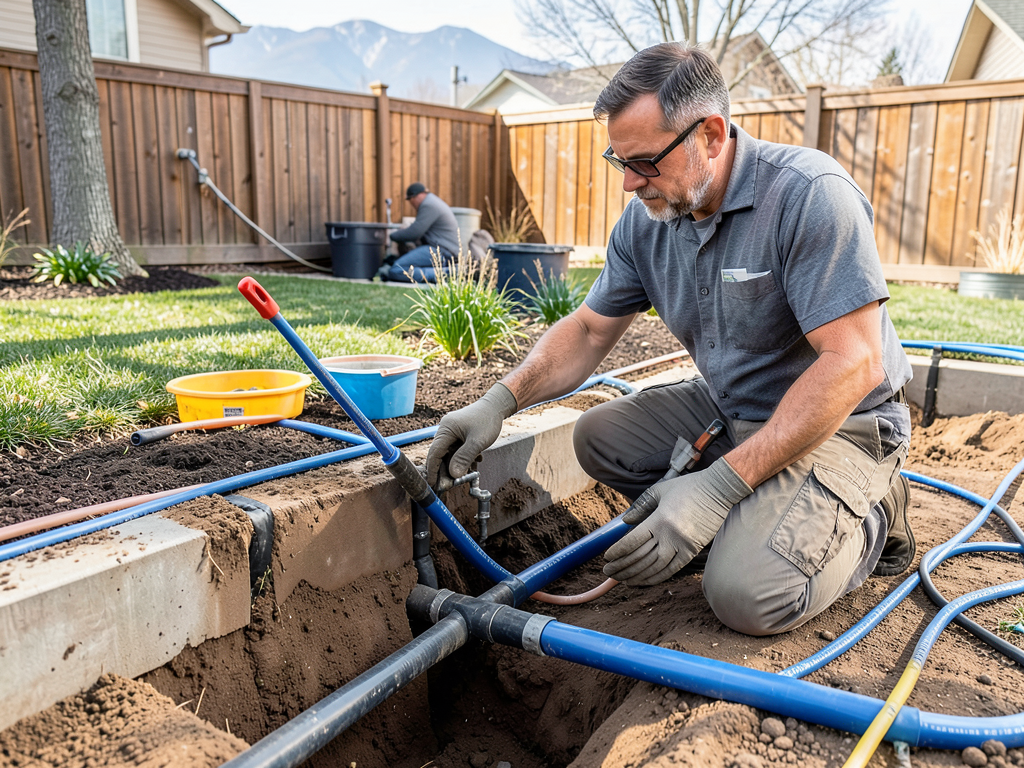
How to Prepare Your Outdoor Kitchen for a Salt Lake City Summer Your outdoor kitchen needs more than just a…

Contact Us

Every hour of downtime costs you revenue and reputation. Call Crestline Plumbing Salt Lake City at (385) 406-8899 now. We diagnose fast, repair faster, and get your operations back online with minimal disruption. Do not wait for the problem to worsen.