menu

Commercial Toilet & Urinal Repair in Salt Lake City | Minimize Downtime, Maximize Facility Uptime

Fast-response commercial restroom fixture repair that keeps your Salt Lake City business operational, with diagnostic precision that identifies root causes and prevents recurring failures in high-traffic facilities.

Slider Image 1
Slider Image 2
Slider Image 3
Slider Image 4
Slider Image 5
Slider Image 7
Slider Image 8
Slider Image 9
Slider Image 10
Slider Image 11

High-Traffic Restrooms and Hard Water Create Operational Liabilities

Commercial restroom failures are not inconveniences. They are operational liabilities that disrupt productivity, violate occupancy codes, and expose you to potential ADA compliance issues. In Salt Lake City, the combination of extremely hard water (averaging 14-18 grains per gallon) and high-volume commercial use accelerates the failure rate of flushometer valves, urinal diaphragms, and flush valve seals.

The mineral content in Salt Lake Valley water builds up rapidly inside commercial flush valves, restricting water flow and causing incomplete flushes or continuous running. A single malfunctioning urinal in a manufacturing facility on the west side can waste 50 gallons per hour. Multiply that across multiple fixtures in a restaurant near Trolley Square or an office building in the Gateway District, and you are looking at thousands in wasted water and sewer costs before you even account for the disruption to employees or customers.

Industrial toilet repair services for commercial properties require more than a quick parts swap. You need diagnostic precision to determine whether the issue is a worn diaphragm, a corroded valve body, a pressure imbalance, or a supply line obstruction. Commercial urinal maintenance is preventive, but most facilities only call when fixtures fail completely. That reactive approach compounds costs and increases downtime. Salt Lake City's municipal water pressure fluctuations, especially in older commercial districts, add another variable that generic residential plumbers often miss. Your restroom infrastructure is not a secondary concern. It is a compliance requirement and a reflection of your facility's operational standards.

High-Traffic Restrooms and Hard Water Create Operational Liabilities
Diagnostic Protocol and System-Level Repairs

Diagnostic Protocol and System-Level Repairs

Commercial restroom fixture repair is not about swapping parts until something works. It is about isolating the failure point and understanding the system dynamics that caused it. Crestline Plumbing Salt Lake City approaches every service call with a diagnostic protocol that evaluates water pressure, flush valve assembly condition, supply line integrity, and fixture mounting stability.

Flushometer repair starts with pressure testing. We measure static and dynamic pressure at the valve to determine if the issue is upstream (supply side) or internal (diaphragm or piston failure). A pressure reading below 25 psi or above 80 psi will cause erratic flushing behavior regardless of valve condition. If pressure is correct, we disassemble the valve and inspect the diaphragm, relief valve, and valve seat for mineral buildup or material degradation. We do not guess.

Commercial flush valve replacement is recommended when valve bodies show corrosion, threading damage, or internal scoring that prevents proper sealing. We match replacement valves to your facility's pressure profile and usage volume. A valve rated for light-duty residential use will fail prematurely in a high-traffic environment like a convention center restroom or industrial warehouse.

Commercial restroom fixture repair includes mounting stability checks. Loose floor flanges or wall carriers create stress points that crack porcelain and damage internal seals. We verify that all fixtures are properly anchored and that waste lines are aligned correctly. A one-degree slope error in a waste pipe can cause chronic clogs that no amount of valve repair will fix.

We document findings, provide a scope of work, and execute repairs with minimal disruption to your operations. No upselling. No unnecessary replacements. Just accurate diagnosis and competent execution.

What Happens During a Commercial Restroom Service Call

Commercial Toilet & Urinal Repair in Salt Lake City | Minimize Downtime, Maximize Facility Uptime
01

Initial System Assessment

We arrive with calibrated pressure gauges, valve rebuild kits, and replacement assemblies to minimize return trips. The technician tests each affected fixture, documents symptoms, and measures water pressure at multiple points. We identify whether the issue is isolated to one fixture or symptomatic of a system-wide problem like pressure imbalance or sediment contamination. You receive a preliminary diagnosis within the first 15 minutes.
02

Component-Level Repair or Replacement

We disassemble affected valves, clean mineral deposits, and replace worn diaphragms, seals, or vacuum breakers. If a valve body is corroded or cracked, we install a commercial-grade replacement matched to your facility's pressure and usage profile. All work is performed with the water supply isolated to the affected area, keeping adjacent restrooms operational. We test each repaired fixture under load to confirm proper flush volume and cycle timing.
03

Operational Verification and Documentation

Before leaving, we cycle each fixture multiple times, verify proper drainage, and check for leaks at supply connections and valve seats. You receive a written report detailing what was repaired, what was replaced, and any recommended preventive maintenance. We note pressure readings and document fixture conditions for your facility maintenance records. The restroom is returned to full operational status with no surprises.

Why Local Facility Managers Choose Crestline Plumbing

Commercial plumbing in Salt Lake City is governed by the Utah State Plumbing Code and enforced by local building departments with jurisdiction over occupancy and ADA compliance. A malfunctioning restroom in a public-facing business is not just an inconvenience. It can trigger a code violation if it reduces the facility below the minimum fixture count for your occupancy classification.

Crestline Plumbing Salt Lake City maintains working relationships with property managers, facility directors, and maintenance supervisors across the valley. We understand the difference between a quick fix and a liability mitigation strategy. When a restaurant near the University of Utah loses a restroom during lunch service, we do not schedule you for next week. We dispatch immediately because we understand the revenue impact.

We also understand the infrastructure variables unique to this area. Buildings constructed before 1990 in downtown Salt Lake City often have galvanized steel supply lines that restrict flow and contribute to pressure inconsistencies. Mixed-use developments in the Sugar House district frequently experience pressure drops during peak usage because the building's domestic water system was undersized. These are not problems you solve by replacing a flushometer. They require system-level thinking and often coordination with building engineers or municipal water authorities.

Our approach is transparent. We provide detailed diagnostics, straightforward pricing, and a scope of work that addresses root causes, not just symptoms. We do not oversell. We do not create urgency where none exists. We give you the information you need to make an informed decision about your facility's plumbing infrastructure. That credibility is why facility managers return to us and why we maintain long-term service agreements with commercial clients across the valley.

What Your Facility Can Expect

Response Time and Scheduling Flexibility

Commercial restroom failures do not wait for business hours. We offer same-day and next-day service windows for most service calls, with after-hours emergency dispatch available for critical failures that affect occupancy or create health hazards. Our dispatch team coordinates arrival times to minimize disruption to your operations. If you need work performed during off-peak hours or weekends to avoid impacting customers or employees, we schedule accordingly. Most single-fixture repairs are completed in under two hours. Multi-fixture projects or system-wide valve replacements are scoped with timelines that account for parts availability and the complexity of your facility's plumbing configuration.

Diagnostic Process and Cost Transparency

You receive a clear explanation of what failed, why it failed, and what is required to fix it. We do not diagnose over the phone because commercial plumbing failures often have multiple contributing factors. The service call includes diagnostic testing, disassembly as needed, and a written estimate before any repair work begins. If the issue is a simple diaphragm replacement, you pay for a simple repair. If the issue requires valve replacement or supply line work, we explain why and provide options. There are no hidden fees. Labor, parts, and any required materials are itemized. You approve the scope before we proceed.

Quality of Completed Work

Commercial-grade components are standard. We do not install residential-duty parts in high-traffic environments. Flushometer valves are sourced from manufacturers with documented performance in commercial applications. All installations are pressure-tested and cycled under load to confirm proper operation. Fixtures are left clean and operational. Surrounding areas are protected during work, and any water shutoff is communicated in advance. You receive a facility-ready restroom, not a work-in-progress. If a repair does not perform as expected, we return and correct it. No callbacks. No excuses.

Preventive Maintenance and Ongoing Support

Reactive repairs are expensive. Preventive maintenance reduces long-term costs and extends fixture life. We offer scheduled inspection and maintenance agreements for multi-location facilities, property management companies, and high-traffic commercial buildings. These agreements include annual valve inspections, diaphragm replacements, pressure testing, and supply line evaluations. You receive a maintenance log for each location, making it easier to track compliance and budget for capital improvements. Preventive service customers receive priority scheduling and discounted labor rates. If your facility has chronic issues related to hard water, we can recommend and install point-of-use filtration or pressure regulation to reduce maintenance frequency.

Frequently Asked Questions

You Have Questions,
We Have Answers

How do you adjust the valve on a commercial toilet? +

Turn off the water supply to the toilet. Remove the flush valve cover by unscrewing or lifting it. Locate the adjustment screw or knob on the diaphragm assembly. Turn clockwise to reduce flush volume or counterclockwise to increase it. Most commercial flushometers have clearly marked adjustment points. Test the flush after each quarter-turn adjustment. Commercial properties in Salt Lake City must meet water conservation codes, so proper valve adjustment reduces operational costs and prevents compliance issues. If the valve continues to malfunction after adjustment, the diaphragm or relief valve likely needs replacement to maintain proper flush performance.

Why is my commercial toilet not flushing? +

Three primary causes halt commercial toilet flushing. First, low water pressure from supply line issues or municipal supply drops. Second, a clogged rim feed or siphon jet prevents proper bowl evacuation. Third, a failed flushometer diaphragm or flush valve assembly stops water delivery. In Salt Lake City, hard water mineral deposits frequently clog internal valve components, especially in older buildings downtown. Check the water supply valve first. Then inspect the flush valve handle and internal components. If debris blocks the jet channels, mechanical cleaning restores function. Commercial fixtures require immediate attention because non-functional restrooms violate occupancy codes and disrupt business operations.

Why is my commercial toilet flushing too long? +

Extended flush cycles indicate a faulty flushometer diaphragm or worn relief valve. The diaphragm controls flush duration by regulating water flow and pressure release. When it deteriorates, water continues flowing past the designed cycle time. Mineral buildup from Salt Lake City's hard water damages diaphragm seals and prevents proper closure. A malfunctioning bypass orifice or stuck piston assembly also causes prolonged flushing. This wastes water and increases utility costs significantly in commercial settings. Replace the diaphragm assembly first. If the problem persists, the entire flush valve needs replacement. Prolonged flushing affects multiple fixtures and signals systematic maintenance failures.

Why is my urinal continuously running water? +

A continuously running urinal wastes thousands of gallons monthly and signals flushometer failure. The diaphragm assembly has failed, the relief valve is stuck open, or debris prevents the valve from sealing. Salt Lake City's mineral-heavy water accelerates diaphragm degradation and causes calcium deposits in valve seats. Check the control stop first to verify it closes completely. Inspect the diaphragm for tears or mineral buildup. A worn valve seat prevents proper sealing even with new components. Commercial urinals require immediate repair to control water costs and maintain code compliance. Running fixtures create liability concerns and suggest deferred maintenance that affects your entire plumbing system.

What is the most common toilet flush problem? +

Clogged flush valve passages rank as the most frequent commercial toilet problem. Mineral deposits, debris, and sediment block the bypass orifice, rim feed holes, and siphon jet. This prevents proper bowl evacuation and causes weak or incomplete flushing. In Salt Lake City, hard water compounds this issue rapidly. The second most common problem involves worn flushometer diaphragms that fail to regulate water pressure and flow timing correctly. Both issues stem from inadequate preventive maintenance. Commercial facilities need scheduled inspections every six months to catch buildup before it causes downtime. Failed flushes disrupt operations and create unsanitary conditions that violate health codes.

What is a commercial toilet valve called? +

The component is called a flushometer or flush valve. Commercial toilets use pressure-assisted flushometers rather than gravity-fed tank systems found in residential settings. The flushometer connects directly to the water supply line and delivers a high-pressure, metered flush. Major manufacturers include Sloan, Zurn, and Delany. The assembly includes the valve body, handle, diaphragm, relief valve, and control stop. Different models offer manual or sensor-activated operation. Salt Lake City commercial buildings typically install flushometers because they provide faster reset times between flushes and withstand heavy-use environments. The flushometer design eliminates tanks, reducing footprint and maintenance issues in high-traffic restrooms.

How to tell if a flush valve is bad? +

Five signs indicate flush valve failure. First, inconsistent flush pressure or volume between cycles. Second, continuous water trickling into the bowl after flushing. Third, the handle requires excessive force or multiple attempts to activate. Fourth, water sprays from the vacuum breaker or valve connections during operation. Fifth, visible corrosion or mineral deposits on the valve body. In Salt Lake City facilities, hard water accelerates internal component wear. Test by removing the valve cover and inspecting the diaphragm for tears, cracks, or mineral buildup. Check the relief valve for debris. If components show damage, replace the entire rebuild kit to restore proper function and prevent water waste.

Will hydrogen peroxide dissolve toilet paper? +

Hydrogen peroxide does not effectively dissolve toilet paper. It acts as a mild oxidizer and disinfectant but lacks the chemical structure to break down cellulose fibers in paper products. Commercial facilities experiencing frequent toilet paper clogs need mechanical clearing, not chemical solutions. The problem typically stems from inadequate flush pressure, undersized drain lines, or improper paper products for commercial fixtures. Salt Lake City plumbing codes require specific drain sizing for commercial restrooms based on fixture count. Use a closet auger or hydro-jetting for clogs. Address the root cause rather than attempting home remedies that delay proper repairs and risk extended downtime.

How does a commercial toilet flush valve work? +

A commercial flush valve uses water pressure to deliver a metered flush cycle. When you activate the handle, it lifts the relief valve, releasing pressure from the upper chamber. This pressure difference opens the main valve diaphragm, allowing supply water to rush into the bowl at high velocity. The flush continues until the upper chamber refills with water through the bypass orifice, which reseals the diaphragm. The entire cycle takes three to five seconds. This pressure-assisted system provides powerful, consistent flushing without tanks. Salt Lake City commercial buildings rely on this design because it handles high-use demands and reduces reset time between flushes in busy restrooms.

Why put aluminum foil in a toilet tank? +

This internet myth claims aluminum foil prevents hard water staining or improves flush performance. It does neither. Aluminum foil in a toilet tank serves no legitimate plumbing purpose and can damage internal components if pieces break off and enter the flush valve or fill valve assemblies. Commercial toilets use flushometers without tanks, making this practice impossible anyway. Salt Lake City facilities dealing with hard water staining need proper water treatment systems, regular cleaning protocols, and appropriate cleaning agents. Focus on evidence-based maintenance practices rather than unproven home remedies. Address mineral buildup through scheduled service and component replacement as needed to maintain code compliance and operational efficiency.

How Salt Lake City's Hard Water Accelerates Commercial Flush Valve Failures

Salt Lake City's municipal water supply originates from mountain snowmelt filtered through limestone and mineral-rich soils in the Wasatch Range. The result is some of the hardest water in the western United States, with total dissolved solids frequently exceeding 400 ppm. In commercial restrooms with high flush volume, this mineral content accumulates rapidly inside flushometer diaphragms and valve seats, creating restricted flow and incomplete flush cycles. A commercial toilet serving 100+ flushes per day in a restaurant or office building will show measurable mineral buildup within six months. Properties in the Avenues, Capitol Hill, and older downtown districts often experience additional pressure inconsistencies due to aging distribution infrastructure, compounding the stress on flush valves and increasing failure rates.

Salt Lake City enforces the Utah State Plumbing Code with local amendments that govern fixture counts, ADA compliance, and water efficiency standards for commercial properties. Facilities that fall below minimum fixture ratios due to non-functional restrooms risk occupancy violations and potential closure orders. Crestline Plumbing Salt Lake City works directly with facility managers, property owners, and building maintenance teams to ensure restroom infrastructure meets code and operates reliably. Our familiarity with local water chemistry, building code requirements, and the operational demands of high-traffic facilities allows us to provide solutions that address both immediate failures and long-term reliability. We are not a dispatch service. We are a local resource with the technical expertise to keep your facility compliant and operational.

Plumbing Services in The Salt Lake City Area

We are proud to be a locally owned and operated business, dedicated to serving the entire Salt Lake City area and surrounding communities. Use the map below to pinpoint our location or to better understand our full service coverage across the region. If you need immediate assistance or would like to confirm that your home or business is within our guaranteed service area, please call our office directly—our warm, professional team is always ready to dispatch an expert to your location quickly.

Address:
Crestline Plumbing Salt Lake City, 222 S Main St, Salt Lake City, UT, 84101

Additional Services We Offer

Our news updates

Latest Articles & News from The Blogs

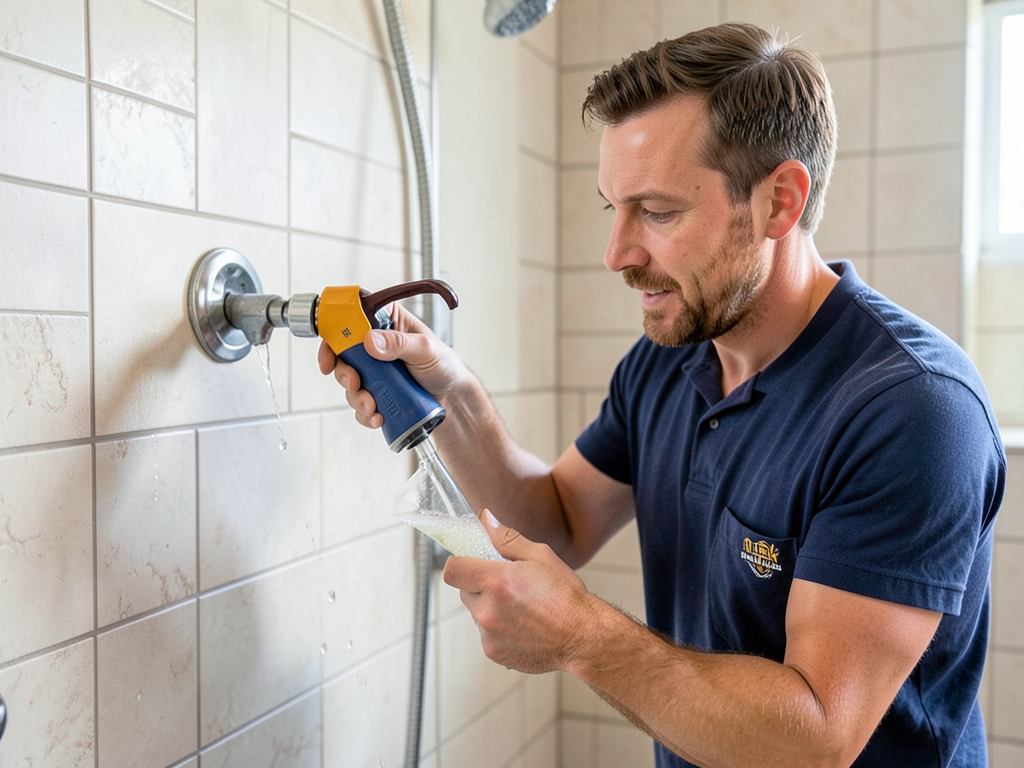
Removing White Crusty Buildup from Your Showerheads and Faucets White crusty buildup on your showerheads and faucets isn’t just an…

Removing White Crusty Buildup from Your Showerheads and Faucets

Removing White Crusty Buildup from Your Showerheads and Faucets White crusty buildup on your showerheads and faucets isn’t just an…

What to Do When Your Swamp Cooler Starts Leaking on Your Roof

What to Do When Your Swamp Cooler Starts Leaking on Your Roof A swamp cooler leaking onto your roof creates…

How to Prepare Your Outdoor Kitchen for a Salt Lake City Summer

How to Prepare Your Outdoor Kitchen for a Salt Lake City Summer Your outdoor kitchen needs more than just a…

Contact Us

Commercial restroom failures create liability and lost revenue. Call Crestline Plumbing Salt Lake City at (385) 406-8899 for same-day diagnostic service and expert commercial toilet and urinal repair that minimizes downtime and prevents recurring issues.