menu

Frozen Pipe Thawing & Repair in Salt Lake City – Emergency Response in 60 Minutes or Less

Stop water damage before it starts. Crestline Plumbing Salt Lake City dispatches licensed technicians around the clock with professional pipe thawing equipment to restore your frozen water line repair and protect your property from burst pipe catastrophe.

Slider Image 1
Slider Image 2
Slider Image 3
Slider Image 4
Slider Image 5
Slider Image 7
Slider Image 8
Slider Image 9
Slider Image 10
Slider Image 11

When Frozen Pipes Threaten Your Salt Lake City Property

You turn the faucet and nothing happens. Or worse, you hear water running inside your walls. Salt Lake City's notorious temperature swings create the perfect storm for frozen pipes. When daytime highs hover near 40 degrees and nighttime lows plunge into single digits, water sitting in your supply lines freezes, expands, and cracks copper or PEX tubing from the inside out.

The Wasatch Front's elevation at 4,226 feet amplifies the risk. Thin mountain air means rapid temperature drops after sunset. Homes in older neighborhoods like Sugarhouse and the Avenues often have crawl spaces with minimal insulation. Pipes running through exterior walls or unheated basements become ice blocks within hours.

You need emergency frozen pipe repair before the thaw begins. Once frozen water starts melting, pressure builds behind the ice plug. That pressure finds the weakest point in your line and bursts through. A single quarter-inch crack releases 250 gallons per day. Left undetected for 24 hours, you are looking at ceiling collapse, ruined drywall, and mold growth within 48 hours.

Professional pipe thawing services prevent this cascade. Every minute counts. The longer water stays frozen, the more expansion occurs. The more expansion, the higher the chance of catastrophic failure. When you discover a frozen water line, you are in a race against physics. You need someone who can unfreeze plumbing pipes safely without torching your walls or flooding your basement.

That someone needs to be on-site now, not tomorrow morning.

When Frozen Pipes Threaten Your Salt Lake City Property
How We Safely Thaw and Repair Frozen Plumbing Lines

How We Safely Thaw and Repair Frozen Plumbing Lines

We do not use propane torches or space heaters. Those methods create localized hot spots that warp PEX, anneal copper, and ignite surrounding framing. Our technicians deploy electric heat tape and infrared heating equipment calibrated to raise pipe temperature gradually. This controlled thaw prevents thermal shock that can crack already-stressed tubing.

First, we isolate the frozen section. Using thermal imaging cameras, we pinpoint exactly where ice has formed inside your supply line. We trace the line from your meter through your crawl space or basement, looking for temperature drops that indicate blockage. Once we locate the freeze point, we shut off the main supply to prevent pressure buildup during thaw.

Next, we apply targeted heat. For exposed pipes, we wrap adjustable-temperature heat tape around the frozen section and monitor with infrared thermometers. For pipes buried in walls, we use hot water circulation methods or install temporary heating cables through access points. The goal is steady, even warming that melts ice without damaging pipe integrity.

While the line thaws, we inspect for damage. Frozen pipes often show hairline cracks or pinhole leaks that only become visible once water starts flowing. We pressure-test the section before restoring full flow. If we find compromise, we cut out the damaged segment and install new tubing using compression fittings or soldered joints, depending on your system type.

For fix frozen water pipes situations where burst has already occurred, we contain the leak, extract standing water, and replace the failed section immediately. Speed matters because every gallon that escapes adds to your restoration bill.

What Happens When You Call for Emergency Pipe Thawing

Frozen Pipe Thawing & Repair in Salt Lake City – Emergency Response in 60 Minutes or Less
01

Immediate Dispatch and Assessment

You call our emergency line, and we dispatch a technician within 60 minutes. Our trucks carry thermal cameras, heat tape, pipe cutters, and replacement materials for immediate repair. Upon arrival, we locate the freeze point using infrared scanning and confirm water shutoff to prevent burst during thaw. You get a verbal assessment of damage risk and estimated thaw time before we begin work.
02

Controlled Thawing Process

We apply calibrated heat to the frozen section using electric heat tape or hot water circulation. This gradual thaw prevents thermal shock that cracks tubing. We monitor pipe temperature continuously with infrared tools, adjusting heat application to maintain safe warming rates. For pipes inside walls, we access through existing openings or create minimal-damage entry points. The thaw typically takes 30 to 90 minutes depending on ice thickness and line material.
03

Leak Testing and Restoration

Once thawed, we pressure-test the line to check for cracks or pinhole leaks caused by ice expansion. If damage exists, we cut out the compromised section and install new pipe using appropriate fittings for your system. We restore water flow gradually to confirm integrity, then insulate vulnerable sections to prevent recurrence. You get documentation of the repair and recommendations for winterizing exposed lines before the next freeze event.

Why Salt Lake City Homeowners Choose Crestline Plumbing for Frozen Pipe Emergencies

When your pipes freeze at 2 a.m., you need someone who answers the phone and shows up prepared. We have been responding to frozen water line repair calls across the Salt Lake Valley for years. Our technicians know the difference between 1950s galvanized steel in Liberty Wells homes and modern PEX systems in Daybreak subdivisions. That knowledge determines which thawing method we use and how fast we can restore your water.

We understand Salt Lake City's building patterns. Homes built before 1970 often have supply lines running through uninsulated crawl spaces. Properties in the foothills face exposure to chinook winds that drop temperatures 30 degrees in an hour. Condos along 400 South frequently have pipes in exterior walls with minimal cavity insulation. Each scenario requires different equipment and technique.

Our trucks stock materials for immediate repair. We carry copper pipe in half-inch and three-quarter-inch diameters, SharkBite push-fit connectors for PEX, CPVC cement, and insulation sleeves. If we find a burst during thaw, we fix it on-site instead of scheduling a return visit. That saves you days of disrupted water service and prevents secondary damage from exposed leaks.

We also work directly with insurance adjusters. When frozen pipe damage triggers a claim, we provide detailed documentation of the failure point, cause analysis, and itemized repair costs. This speeds up your claim processing and ensures you receive appropriate coverage for both the plumbing repair and any resulting water damage.

Local expertise matters when minutes count. We know which neighborhoods lose power during winter storms, which areas have the oldest infrastructure, and which property types face the highest freeze risk. That situational awareness helps us respond faster and more effectively than national franchise operators unfamiliar with Wasatch Front conditions.

What to Expect During Emergency Frozen Pipe Service

Response Time and Availability

We dispatch technicians 24 hours a day, seven days a week, 365 days a year. When you call our emergency line, you reach a live person, not an answering service. We commit to on-site arrival within 60 minutes for frozen pipe emergencies in Salt Lake City and surrounding communities including Murray, Millcreek, and Holladay. Our trucks are pre-loaded with thawing equipment and common repair materials so we can start work immediately upon arrival. During severe weather events, we prioritize calls based on burst risk and property damage potential.

Diagnostic Process

Our technicians use thermal imaging cameras to locate frozen sections without invasive exploratory cuts. We trace your supply line from the meter through interior spaces, identifying temperature drops that indicate ice blockage. Once we pinpoint the freeze, we explain the location, assess the likelihood of existing damage, and outline our thawing approach. You receive a clear explanation of what we will do, how long it will take, and what signs to watch for during the process. We confirm water shutoff and verify downstream fixtures are open to relieve pressure during thaw.

Repair Quality and Method

If thawing reveals damage, we perform permanent repairs using code-compliant methods and materials. For copper lines, we use soldered joints or compression fittings depending on access and location. For PEX systems, we install push-fit connectors or expansion fittings that match your existing tubing type. All repairs meet International Plumbing Code standards and Salt Lake City municipal requirements. We pressure-test repaired sections to confirm integrity before restoring full water flow. You receive a detailed invoice documenting materials used, labor performed, and warranty coverage.

Prevention Recommendations

After restoring your water service, we provide specific recommendations to prevent future freeze events. This includes insulation upgrades for exposed pipes, heat tape installation for vulnerable sections, and guidance on maintaining adequate interior temperatures during cold snaps. For properties with recurring freeze issues, we offer permanent solutions like rerouting supply lines away from exterior walls or installing frost-proof exterior faucets. We document vulnerable areas with photos and measurements so you can make informed decisions about long-term prevention measures.

Frequently Asked Questions

You Have Questions,
We Have Answers

Should I drip hot or cold water to keep pipes from freezing? +

Let cold water drip, not hot. A slow drip keeps water moving through the pipes, which prevents freezing. Hot water wastes energy and does not improve freeze protection. Focus on faucets connected to pipes in unheated areas like crawl spaces, exterior walls, or uninsulated basements. In Salt Lake City's cold winters, even a trickle from your most vulnerable faucets can prevent a burst pipe emergency. Open cabinet doors under sinks to allow warm air circulation around plumbing. The goal is movement, not temperature. Cold water dripping costs pennies compared to thousands in burst pipe damage.

How much do plumbers charge to unfreeze pipes? +

Most Salt Lake City plumbers charge between $150 and $400 for frozen pipe thawing, depending on pipe location and accessibility. Pipes buried in walls or under concrete slabs cost more due to labor intensity. Emergency after-hours service increases rates, but waiting risks a burst. If the pipe already burst, repair costs jump to $500 to $2,000 depending on damage severity and water intrusion. Get a licensed plumber out immediately. Frozen pipes can burst within hours as ice expands. The thawing cost is always cheaper than flood restoration, drywall replacement, and mold remediation.

What is the best way to thaw out a frozen pipe? +

Turn off the main water supply first to minimize flooding if the pipe bursts. Open the affected faucet to relieve pressure. Use a heat gun, hair dryer, or hot towels on the frozen section, working from the faucet toward the blockage. Never use open flame or propane torches. For pipes inside walls or under slabs, call a licensed plumber immediately. In Salt Lake City's freeze-thaw climate, DIY thawing risks cracking already-stressed pipes. Professional plumbers use infrared cameras and steamers to thaw safely without damaging copper or PEX lines. Speed matters, but safety comes first.

What not to do when thawing frozen pipes? +

Never use open flames, blowtorches, or propane heaters on frozen pipes. These tools can ignite wall insulation, crack pipes, or cause steam explosions. Do not pour boiling water directly on pipes, it causes thermal shock and splits. Do not ignore a frozen pipe and hope it thaws naturally. Ice expands and cracks pipes even before you notice water stoppage. Do not close the faucet while thawing. You need an outlet for pressure and melting ice. In Salt Lake City's unpredictable winter swings, acting fast and smart prevents disaster. Call a professional if unsure.

How many faucets to drip during freeze? +

Drip at least two to three faucets, prioritizing those on exterior walls, in unheated basements, or connected to crawl space plumbing. In Salt Lake City homes, focus on north-facing exterior walls and any pipes in garages or unfinished areas. You do not need every faucet running. Target the most vulnerable spots. A pencil-lead-thin stream is enough to keep water moving and prevent ice formation. Open hot and cold sides slightly. The small water bill increase is insignificant compared to burst pipe repair costs. Strategic dripping saves pipes without wasting water.

Is it better to drip outside faucets or cover them? +

Cover outdoor faucets with insulated faucet covers and disconnect hoses before freezing weather hits. Dripping outdoor faucets does not help because frost-free hose bibs drain internally when shut off. Covering protects the exterior valve and prevents wind chill from freezing residual water. In Salt Lake City, where temperatures swing rapidly, insulated covers are essential for exterior spigots. Shut off interior shut-off valves feeding outdoor faucets if possible, then drain the line. Proper winterization prevents freeze damage. Covers are cheap insurance. Install them before the first hard freeze, not during.

Can frozen pipes thaw without bursting? +

Yes, frozen pipes can thaw without bursting, but it is a gamble. The danger is not always the ice itself but the pressure buildup between the blockage and a closed faucet. As ice expands, it stresses pipe walls. When thawing begins, pressure spikes and weak points rupture. In Salt Lake City's variable winter temperatures, pipes may freeze overnight and thaw by afternoon, silently weakening with each cycle. You may not see a leak until the pipe fails days later. Do not assume you are safe because water flows again. Inspect vulnerable pipes and call a plumber if you suspect freezing occurred.

Does homeowners insurance cover frozen water pipes? +

Most homeowners insurance policies cover sudden pipe bursts and resulting water damage, but exclude damage from neglect or lack of maintenance. If you left your home unheated during a freeze without draining pipes, insurers may deny your claim. Coverage typically includes water cleanup, drywall repair, and damaged belongings, but not the pipe repair itself. Deductibles apply. In Salt Lake City, document your winterization efforts like thermostat settings and dripping faucets. Review your policy before winter hits. Prevention is always cheaper than filing a claim and facing premium increases or denial.

Should I leave my faucet on if my pipes are frozen? +

Yes, leave the faucet open if pipes are frozen. This relieves pressure as ice melts and gives water an escape route, reducing burst risk. Open both hot and cold sides slightly. Do not turn the water fully on. A trickle is enough. Shut off your main water supply if you suspect the pipe already burst to prevent flooding when thawing begins. In Salt Lake City's freeze-thaw cycles, an open faucet is your safety valve. Keep it open until water flows normally and you confirm no leaks. Then inspect vulnerable pipes or call a plumber for a pressure test.

Can I let my pipes thaw on their own? +

You can let pipes thaw naturally if temperatures rise above freezing and you have time, but you risk a burst. Open the faucet to relieve pressure and shut off the main water supply as a precaution. Natural thawing takes hours to days depending on insulation and temperature. In Salt Lake City, where winter weather shifts quickly, waiting is risky. A burst pipe floods your home in minutes. If you cannot access the frozen section or temperatures stay below freezing, call a plumber immediately. Thawing costs are minimal compared to water damage, mold, and structural repairs.

Why Salt Lake City's Elevation and Temperature Swings Make Frozen Pipes a Recurring Winter Threat

Salt Lake City sits at 4,226 feet above sea level, where thin air loses heat rapidly after sunset. January nights regularly drop below 20 degrees while daytime highs climb into the 40s. This daily freeze-thaw cycle stresses plumbing systems more than sustained cold. Water freezes in your pipes overnight, then partially thaws during the day, only to refreeze harder the next night. Each cycle expands existing cracks and weakens tubing integrity. Properties in benches and foothills neighborhoods face even more extreme swings due to elevation and exposure to downslope winds funneling through canyon mouths.

Older homes in the Avenues, Sugar House, and downtown neighborhoods were built between 1900 and 1960, often with minimal insulation and pipes routed through exterior walls or unheated crawl spaces. Modern building codes require better protection, but legacy construction remains vulnerable. Crestline Plumbing understands these historical building patterns and carries materials compatible with both vintage galvanized systems and contemporary PEX installations. Our familiarity with Salt Lake City's housing stock means faster diagnosis and more effective repairs tailored to your specific property type and age.
Plumbing Services in The Salt Lake City Area

We are proud to be a locally owned and operated business, dedicated to serving the entire Salt Lake City area and surrounding communities. Use the map below to pinpoint our location or to better understand our full service coverage across the region. If you need immediate assistance or would like to confirm that your home or business is within our guaranteed service area, please call our office directly—our warm, professional team is always ready to dispatch an expert to your location quickly.

Address:
Crestline Plumbing Salt Lake City, 222 S Main St, Salt Lake City, UT, 84101

Additional Services We Offer

Our news updates

Latest Articles & News from The Blogs

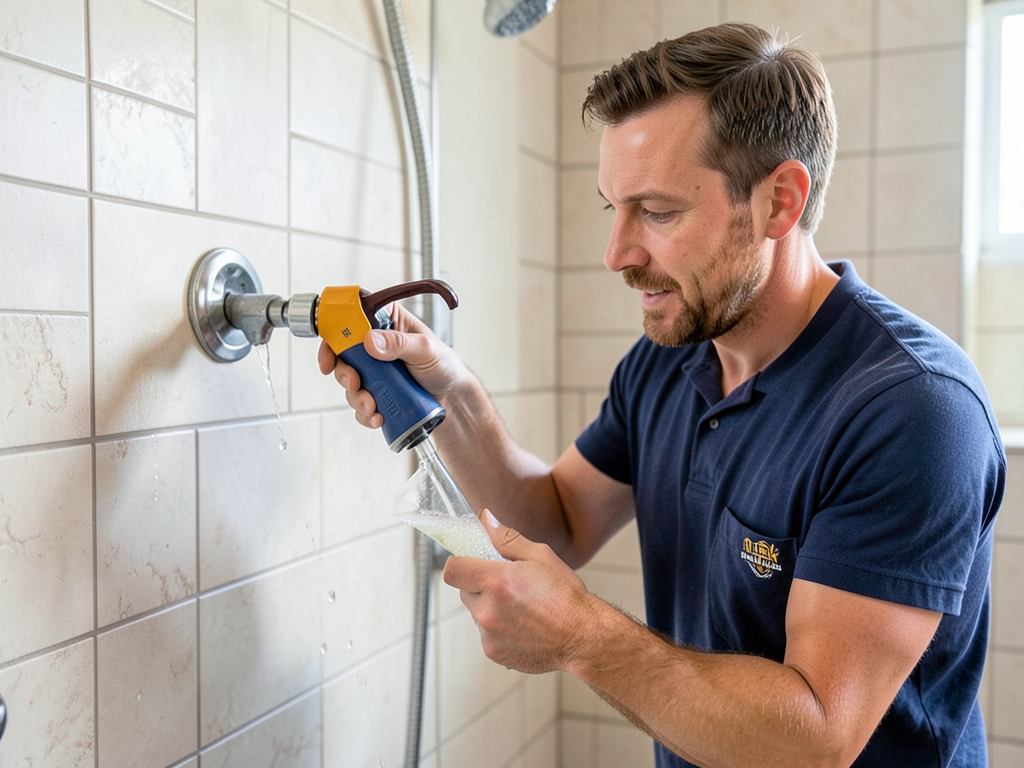
Removing White Crusty Buildup from Your Showerheads and Faucets White crusty buildup on your showerheads and faucets isn’t just an…

Removing White Crusty Buildup from Your Showerheads and Faucets

Removing White Crusty Buildup from Your Showerheads and Faucets White crusty buildup on your showerheads and faucets isn’t just an…

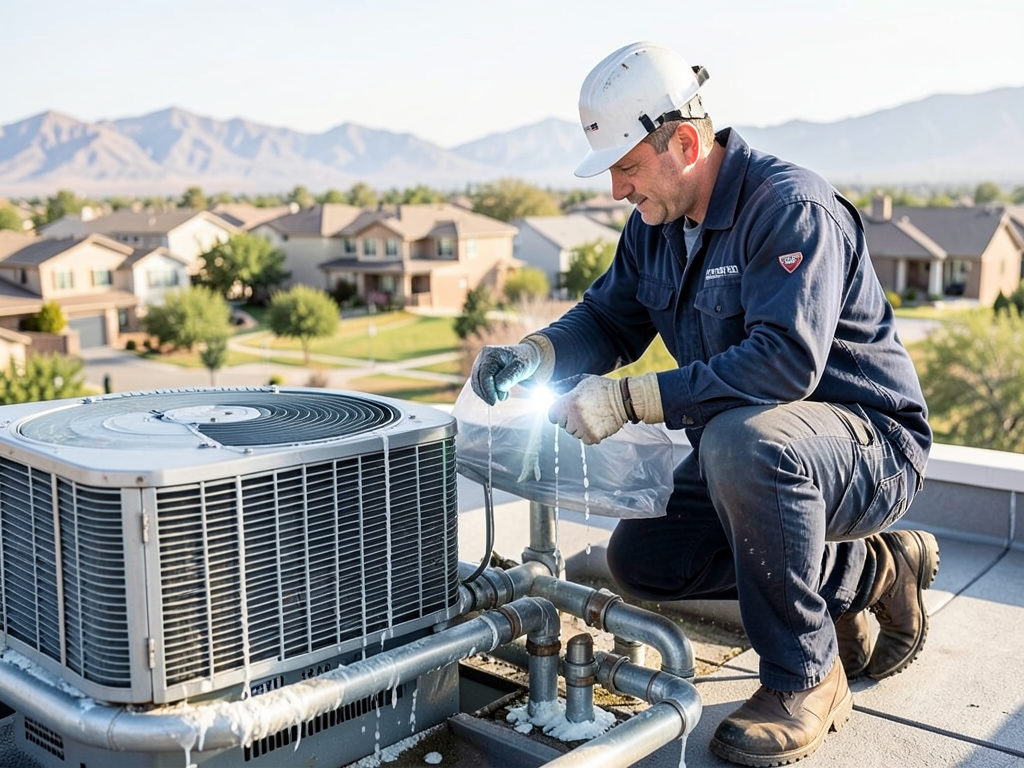
What to Do When Your Swamp Cooler Starts Leaking on Your Roof

What to Do When Your Swamp Cooler Starts Leaking on Your Roof A swamp cooler leaking onto your roof creates…

How to Prepare Your Outdoor Kitchen for a Salt Lake City Summer

How to Prepare Your Outdoor Kitchen for a Salt Lake City Summer Your outdoor kitchen needs more than just a…

Contact Us

Call Crestline Plumbing Salt Lake City now at (385) 406-8899. We dispatch emergency technicians within 60 minutes, thaw your frozen lines safely, and repair any damage immediately. Do not wait for the burst. Every minute increases your risk.