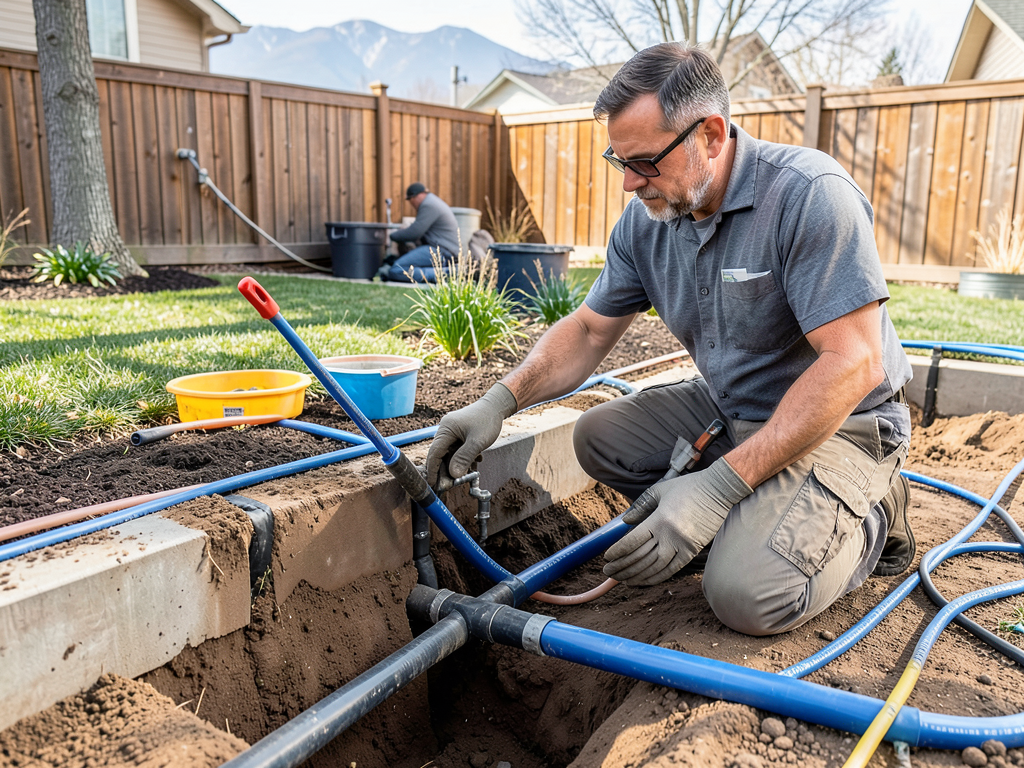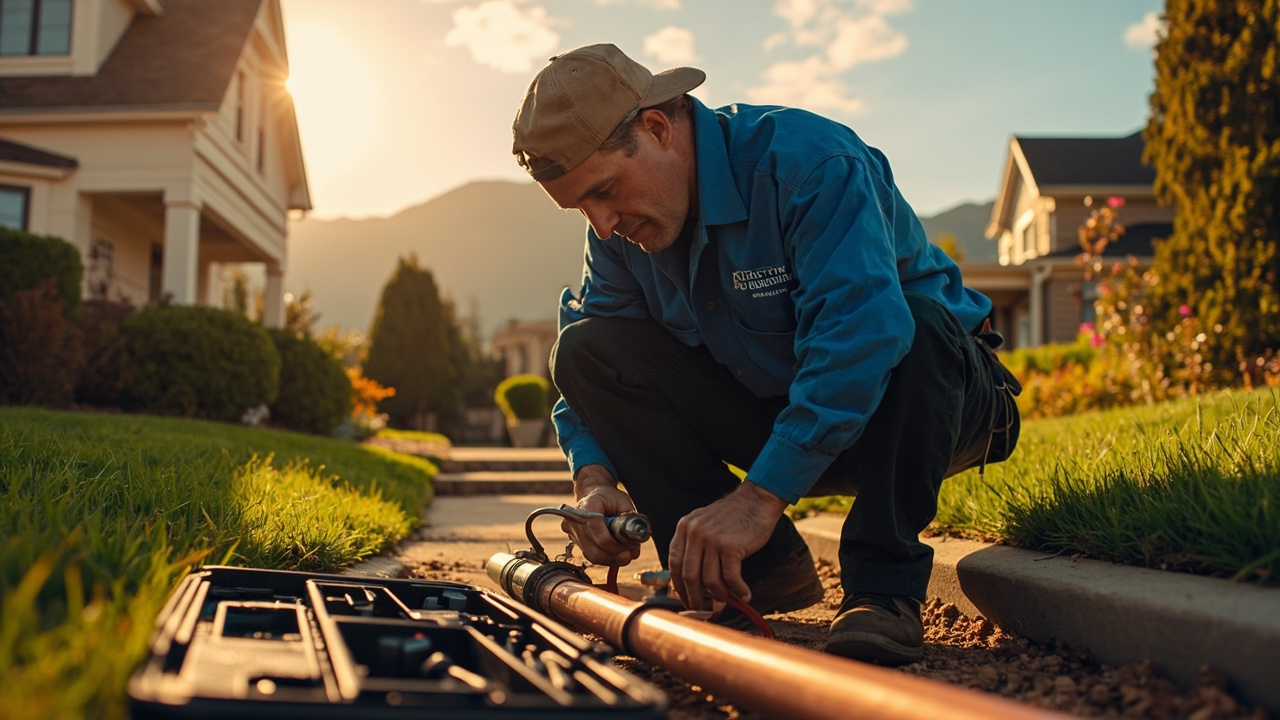

Salt Lake City experiences dramatic temperature swings between summer highs near 100 degrees and winter lows below 20 degrees. This 120-degree annual range creates significant soil movement. Clay soil absorbs moisture and expands during wet periods, then contracts during dry spells and freezing temperatures. Underground gas lines experience constant stress at joints and connections. Older installations using black iron pipe with threaded fittings often develop leaks at these connection points after decades of soil movement. Modern CSST flexible gas tubing handles this movement better, but proper installation depth remains critical. Lines buried shallower than 18 inches risk frost heave damage when frozen soil expands upward.
Salt Lake City building codes evolved significantly over the past 50 years. Homes built before 1970 often have gas systems installed before modern safety standards existed. The Department of Community and Neighborhoods now requires permits for all gas line work and inspections before restoring service. Working with a local gas line contractor familiar with city procedures prevents delays and ensures your installation meets current code. We maintain relationships with city inspectors and understand exactly what they require for approval. This local knowledge means your gas piping installation or gas line replacement project proceeds smoothly from permit application through final inspection and service restoration.