
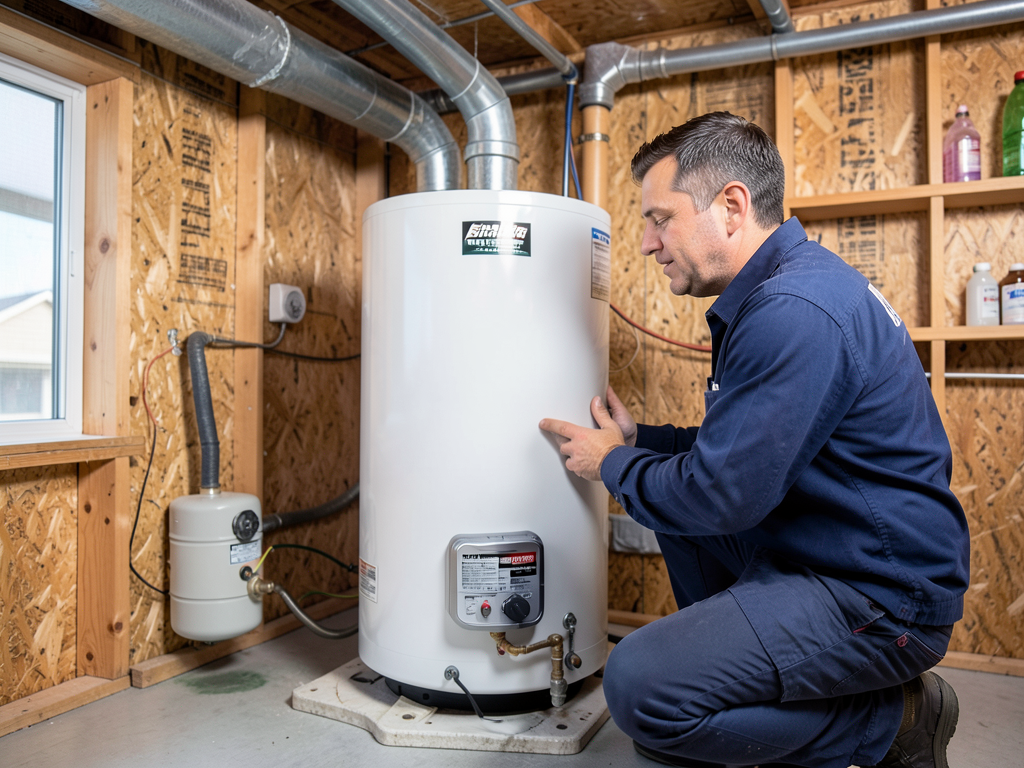
Gas vs Electric Water Heaters for Salt Lake City Homeowners (How to Decide Which Is Best for Your Budget)
Choosing between gas and electric water heaters in Salt Lake City means understanding how Utah’s utility rates, cold winters, and hard water affect your monthly bills and long-term costs. Gas models heat faster and cost less to operate in most SLC homes, but electric heat pump units can qualify for Rocky Mountain Power rebates and avoid venting issues in tight basement spaces. This guide breaks down the real numbers so you can pick the right fuel source for your home and budget. Rocky Mountain Power electricity rates.
SLC homeowners face unique challenges: Dominion Energy natural gas prices, Rocky Mountain Power electricity rates, mineral-heavy water that wears down tanks, and altitude that changes how gas burners perform. These factors make a simple national comparison misleading. We’ll look at upfront installation costs, annual operating expenses, recovery rates, and local incentives so you can make an informed choice without guessing. Dominion Energy Utah rates.
The Salt Lake City Context Why Fuel Choice Matters Here
Salt Lake City sits at 4,200 feet elevation where cold winters drop incoming water temperatures to near freezing. This means your water heater works harder for longer periods compared to coastal or southern climates. Dominion Energy currently charges about $1.10 per therm for natural gas while Rocky Mountain Power rates average 12.5 cents per kilowatt-hour. These local rates directly impact which fuel source saves you money over a typical 10-12 year water heater lifespan. South Jordan Water Heater Replacement Specialists.
The Wasatch Front’s hard water contains high calcium and magnesium levels that create mineral scale inside tanks and on heating elements. Gas burners can handle some scale buildup but efficiency drops over time. Electric elements are more sensitive to scale and may need replacement every 3-5 years in SLC. Altitude also affects gas combustion requiring specific venting kits that aren’t needed in lower elevations.
Comparison Matrix Upfront Costs vs Long Term Savings
| Feature | Gas Water Heater | Electric Water Heater |
|---|---|---|
| Average Installation Cost | $1,200 – $2,000 | $800 – $1,500 |
| Annual Operating Cost | $250 – $350 | $400 – $550 |
| Recovery Rate (GPH) | 40 – 50 gallons | 20 – 30 gallons |
| Lifespan with Hard Water | 10 – 12 years | 8 – 10 years |
| Space Requirements | Needs 6-inch vent pipe | No venting needed |
| Rebate Availability | ThermWise up to $200 | Wattsmart up to $300 |
Gas Water Heaters Pros and Cons for SLC Homeowners
Gas water heaters heat water faster than electric models making them ideal for SLC’s cold incoming water. A standard 40-gallon gas unit recovers about 45 gallons per hour while a similar electric recovers only 22 gallons per hour. This matters when multiple people need hot showers back-to-back during winter mornings.
Gas units cost less to operate in Salt Lake City. At current Dominion Energy rates a typical family spends about $300 per year on gas water heating versus $450 for electric. The higher upfront cost of gas units usually pays for itself within 2-3 years through utility savings. Gas also works during power outages keeping your hot water available when electric units fail.
However gas requires proper venting through a chimney or wall penetration. Older SLC homes in neighborhoods like The Avenues or Sugar House may need expensive venting upgrades. Gas units also produce combustion byproducts requiring carbon monoxide detectors and annual maintenance to check burner efficiency.
Electric Water Heaters Efficiency and Modern Innovations
Electric water heaters have improved dramatically with heat pump technology. Hybrid electric units use ambient air to heat water consuming 60% less electricity than standard electric models. These units qualify for Rocky Mountain Power’s Wattsmart program offering up to $300 in rebates making them competitive with gas on total cost.
Electric units install anywhere with a 240V circuit and no venting requirements. This makes them perfect for finished basements in newer SLC developments where running gas lines would be costly. Electric units also have fewer moving parts and don’t produce combustion gases making them safer for tight indoor spaces.
The main drawback is slower recovery. Electric elements take 60-90 minutes to heat a full tank versus 30-40 minutes for gas. This means larger families might run out of hot water during peak usage times. Electric rates also make long-term operating costs higher unless you choose a high-efficiency heat pump model.
The Hard Water Factor
Salt Lake City’s water contains 12-15 grains per gallon of hardness minerals. These minerals precipitate out as scale when water is heated regardless of fuel source. In gas units scale builds up on the bottom of the tank and burner creating hot spots that can crack the glass lining. In electric units scale coats the heating elements reducing heat transfer and eventually causing burnout.
Annual maintenance becomes critical in SLC. Flushing your tank removes sediment before it hardens into scale. Gas units benefit from annual burner inspections to ensure proper combustion. Electric units need element checks and possibly replacement every few years depending on water hardness. Installing a water softener can extend both types’ lifespans by 3-5 years but adds $800-$1,200 to your initial costs.
Local Rebates and Incentives
Dominion Energy’s ThermWise program offers rebates up to $200 for qualifying high-efficiency gas water heaters. These units must have an Energy Factor of 0.62 or higher. The program also provides $50 rebates for smart thermostats that can integrate with gas water heater controls for additional savings.
Rocky Mountain Power’s Wattsmart program offers up to $300 for heat pump water heaters meeting specific efficiency standards. These units must have a Uniform Energy Factor of 2.0 or higher. The program also includes free energy assessments to help you determine if your home qualifies for additional efficiency upgrades.
Federal tax credits through 2026 cover 30% of the cost for qualifying heat pump water heaters up to $2,000. This credit applies to both purchase and installation making high-efficiency electric units much more competitive with gas on total installed cost. Sump Pump Installation in Murray UT to Prevent Basement Flooding.
Verdict Which Should You Choose
Choose gas if you have existing gas lines and want the lowest operating costs. Gas makes sense for larger families who need fast recovery and don’t mind annual maintenance. It’s also the better choice if you want hot water during power outages or live in an area where gas is significantly cheaper than electricity.
Choose electric if you lack gas infrastructure or want the simplest installation. Electric heat pump models with rebates can match gas on total cost while providing the safety and flexibility of no venting requirements. They’re ideal for smaller households or homes with solar panels where you can offset electricity costs.
Consider a tankless gas unit if you want unlimited hot water and have the upfront budget. These units heat water on demand eliminating standby losses but cost $2,500-$4,000 installed. Tankless electric units exist but require substantial electrical upgrades making them less practical for most SLC homes.
Still unsure? Call (385) 406-8899 today to schedule a free water heater assessment. We’ll test your water hardness, check existing utility connections, and provide a custom cost comparison for your specific home.
Frequently Asked Questions
How long does a water heater typically last in Salt Lake City?
Most water heaters last 8-12 years in SLC due to hard water and cold incoming temperatures. Gas units often reach the upper end while electric units with standard elements may need replacement sooner. Annual maintenance can add 2-3 years to any unit’s lifespan.
Can I switch from electric to gas or vice versa?
Yes but switching fuel sources requires new utility connections. Electric to gas needs a gas line run to the location plus proper venting. Gas to electric requires a 240V circuit installation. Both conversions typically cost $500-$1,500 extra beyond the water heater price.
What size water heater do I need for my home?
A family of 1-2 people needs a 30-40 gallon unit. Families of 3-4 need 40-50 gallons. Larger households of 5+ should consider 50-80 gallons or a tankless system. Recovery rate matters as much as tank size in SLC’s cold climate.
Are tankless water heaters worth the extra cost?
Tankless units save about 30% on operating costs but cost $1,000-$2,000 more upfront. They make sense if you want unlimited hot water and plan to stay in your home 10+ years. For most SLC homeowners the payback period exceeds the typical ownership timeframe.
How do I know if my water heater needs replacement?
Watch for rusty water, rumbling noises from sediment buildup, leaks around the base, or consistently running out of hot water. If your unit is over 10 years old and showing any of these signs replacement is usually more cost-effective than repairs.
Making Your Final Decision
The best water heater for your Salt Lake City home depends on your specific situation. Consider your family size, existing utility connections, budget for upfront costs versus long-term savings, and willingness to perform annual maintenance. Don’t forget to factor in local rebates which can make high-efficiency models much more affordable.
Hard water will affect any unit you choose so plan for regular maintenance regardless of fuel source. If you’re building new construction or doing major renovations you have more flexibility to choose the optimal fuel source. For existing homes the path of least resistance often makes the most financial sense.
Ready to upgrade your water heater? Call (385) 406-8899 to speak with a local expert who understands Salt Lake City’s unique water heating challenges. We’ll help you choose the right unit and handle installation from start to finish.
{
“@context”: “https://schema.org”,
“@type”: “BlogPosting”,
“headline”: “Gas vs Electric Water Heaters for Salt Lake City Homeowners (How to Decide Which Is Best for Your Budget)”,
“description”: “Compare gas and electric water heaters for Salt Lake City homes. See utility rates, hard water impact, local rebates, and decide which saves you more money.”,
“wordCount”: 1595,
“datePublished”: “2026-04-25T08:06:00.000Z”,
“dateModified”: “2026-04-25T08:06:00.000Z”,
“inLanguage”: “en-US”,
“mainEntityOfPage”: {
“@type”: “WebPage”,
“@id”: “https://crestlineplumbingsaltlakecity.com”
},
“publisher”: {
“@type”: “LocalBusiness”,
“name”: “Crestline Plumbing Salt Lake City”,
“url”: “https://crestlineplumbingsaltlakecity.com”
},
“author”: {
“@type”: “Organization”,
“name”: “Crestline Plumbing Salt Lake City”,
“url”: “https://crestlineplumbingsaltlakecity.com”
},
“image”: {
“@type”: “ImageObject”,
“url”: “https://crestlineplumbingsaltlakecity.com/wp-content/uploads/2026/03/gas-vs-electric-water-heaters-for-salt-lake-city-h-1.png”
}
}
{
“@context”: “https://schema.org”,
“@type”: “Plumber”,
“name”: “Crestline Plumbing Salt Lake City”,
“url”: “https://crestlineplumbingsaltlakecity.com”,
“address”: {
“@type”: “PostalAddress”,
“addressLocality”: “Salt Lake City”
},
“areaServed”: {
“@type”: “City”,
“name”: “Salt Lake City”
}
}
{
“@context”: “https://schema.org”,
“@type”: “FAQPage”,
“mainEntity”: [
{
“@type”: “Question”,
“name”: “How long does a water heater typically last in Salt Lake City?”,
“acceptedAnswer”: {
“@type”: “Answer”,
“text”: “Most water heaters last 8-12 years in SLC due to hard water and cold incoming temperatures. Gas units often reach the upper end while electric units with standard elements may need replacement sooner. Annual maintenance can add 2-3 years to any unit’s lifespan.”
}
},
{
“@type”: “Question”,
“name”: “Can I switch from electric to gas or vice versa?”,
“acceptedAnswer”: {
“@type”: “Answer”,
“text”: “Yes but switching fuel sources requires new utility connections. Electric to gas needs a gas line run to the location plus proper venting. Gas to electric requires a 240V circuit installation. Both conversions typically cost $500-$1,500 extra beyond the water heater price.”
}
},
{
“@type”: “Question”,
“name”: “What size water heater do I need for my home?”,
“acceptedAnswer”: {
“@type”: “Answer”,
“text”: “A family of 1-2 people needs a 30-40 gallon unit. Families of 3-4 need 40-50 gallons. Larger households of 5+ should consider 50-80 gallons or a tankless system. Recovery rate matters as much as tank size in SLC’s cold climate.”
}
},
{
“@type”: “Question”,
“name”: “Are tankless water heaters worth the extra cost?”,
“acceptedAnswer”: {
“@type”: “Answer”,
“text”: “Tankless units save about 30% on operating costs but cost $1,000-$2,000 more upfront. They make sense if you want unlimited hot water and plan to stay in your home 10+ years. For most SLC homeowners the payback period exceeds the typical ownership timeframe.”
}
},
{
“@type”: “Question”,
“name”: “How do I know if my water heater needs replacement?”,
“acceptedAnswer”: {
“@type”: “Answer”,
“text”: “Watch for rusty water, rumbling noises from sediment buildup, leaks around the base, or consistently running out of hot water. If your unit is over 10 years old and showing any of these signs replacement is usually more cost-effective than repairs.”
}
}
]
}
{
“@context”: “https://schema.org”,
“@type”: “BreadcrumbList”,
“itemListElement”: [
{
“@type”: “ListItem”,
“position”: 1,
“name”: “Home”,
“item”: “https://crestlineplumbingsaltlakecity.com”
},
{
“@type”: “ListItem”,
“position”: 2,
“name”: “Blog”,
“item”: “https://crestlineplumbingsaltlakecity.com/blog”
},
{
“@type”: “ListItem”,
“position”: 3,
“name”: “Gas vs Electric Water Heaters for Salt Lake City Homeowners (How to Decide Which Is Best for Your Budget)”
}
]
}
{
“@context”: “https://schema.org”,
“@type”: “Service”,
“serviceType”: “Plumbing”,
“provider”: {
“@type”: “LocalBusiness”,
“name”: “Crestline Plumbing Salt Lake City”,
“url”: “https://crestlineplumbingsaltlakecity.com”
},
“areaServed”: {
“@type”: “City”,
“name”: “Salt Lake City”
},
“description”: “Compare gas and electric water heaters for Salt Lake City homes. See utility rates, hard water impact, local rebates, and decide which saves you more money.”
}