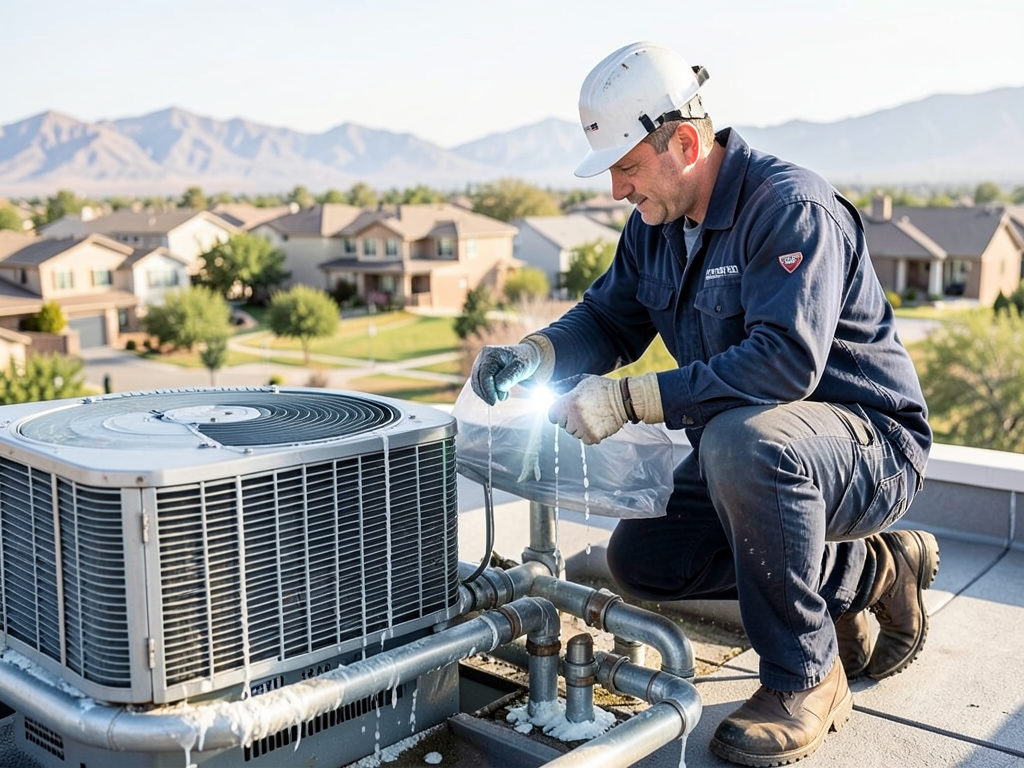
Salt Lake City experiences 100-degree temperature swings annually, from winter lows near zero to summer highs exceeding 100 degrees. These extremes directly impact grease behavior in your interceptor. Winter freezing solidifies fats in outdoor traps and can crack casings on older concrete units common in buildings along 300 South or State Street. Summer heat accelerates anaerobic bacterial activity in the solids layer, producing hydrogen sulfide that creates unbearable odors near outdoor seating areas. The spring thaw after a hard freeze often reveals damage that causes sudden capacity loss when tourist season begins. You need service providers who understand how elevation and climate affect grease chemistry and trap performance throughout the year.
Salt Lake City enforces the Uniform Plumbing Code with amendments specific to high-altitude conditions and water conservation. Grease interceptor sizing, pumping frequency, and maintenance documentation fall under both health department jurisdiction and city building code. Crestline Plumbing Salt Lake City maintains relationships with local inspectors and understands exactly what they look for during compliance reviews. We provide the specific documentation format Salt Lake Valley Health Department requires and help you avoid violations that shut down operations. Choosing a hauler without local expertise means risking non-compliant service that fails inspection even when the trap is clean.