
How the High Elevation in Emigration Canyon Affects Your Plumbing System
Living in Emigration Canyon means enjoying stunning mountain views and a peaceful retreat from the city. But those same elevation changes that make your home so special can create unique plumbing challenges. At 4,500 feet above sea level, Emigration Canyon’s atmospheric pressure is significantly lower than Salt Lake City’s valley floor, affecting everything from your water heater’s efficiency to how quickly your drains work. Water Quality Association research on water heater efficiency.
Understanding these high-altitude plumbing issues helps you spot problems early and avoid costly repairs. Here’s what every Emigration Canyon homeowner needs to know about their plumbing system. Reliable Plumbing Repair for Historic Homes in The Avenues.
The Physics of Plumbing at 4,500+ Feet
Atmospheric pressure drops about 1 inch of mercury for every 1,000 feet of elevation gain. In Emigration Canyon, that means roughly 6 inches less pressure than downtown Salt Lake City. This pressure difference affects your plumbing in several ways.
Water boils at lower temperatures at higher elevations. At sea level, water boils at 212°F, but in Emigration Canyon it boils around 204°F. This might seem minor, but it significantly impacts your water heater’s performance and energy efficiency. Best Water Softener Installation Services in Salt Lake City to Fight Hard Water.
Lower atmospheric pressure also affects gas combustion. Your water heater and furnace need to mix the right amount of air with natural gas for efficient burning. At higher elevations, there’s less oxygen available, which means your appliances need proper adjustments to maintain efficiency and prevent dangerous carbon monoxide buildup. Water Main Leak Detection and Repair in Holladay.
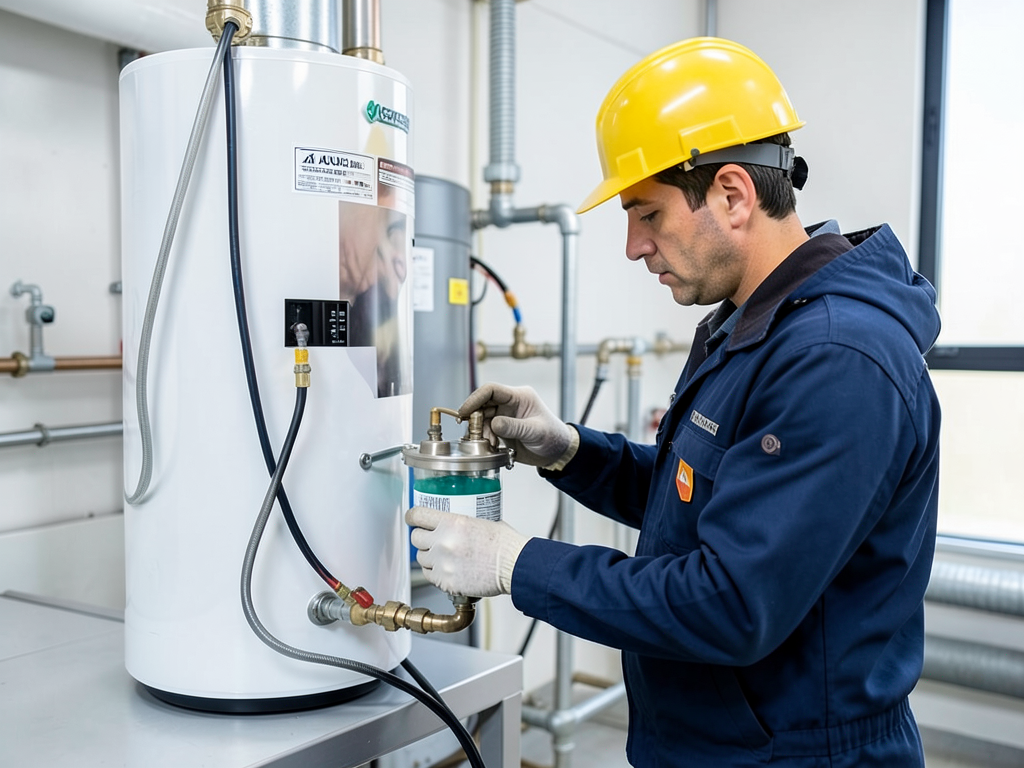
Diagram showing how atmospheric pressure decreases with elevation and affects water boiling point and gas combustion efficiency
Common Issues: Water Heaters and Gas Combustion
Water heaters in Emigration Canyon often struggle with performance issues that valley homeowners never experience. The lower boiling point means your tank water heater must work harder to reach the same temperature settings. This creates several problems. Water Stains on Ceiling or Walls.
First, sediment buildup accelerates in high-altitude tanks. The lower boiling point creates more steam pockets within the tank, which can cause minerals to precipitate out faster. Hard water from the Salt Lake City area compounds this issue, creating a thick layer of scale on heating elements and tank bottoms.
Second, gas water heaters need proper derating for elevation. For every 1,000 feet above sea level, you typically need to reduce the BTU input by about 4%. A standard 40,000 BTU water heater operating at 4,500 feet should actually be derated to about 34,000 BTUs for optimal performance.
Third, pilot lights and electronic ignition systems can become unreliable. The thinner air affects the gas-to-air mixture, sometimes causing pilot lights to extinguish or burners to produce a yellow, sooty flame instead of the ideal blue flame.
Pressure Relief Valves (T&P) and Thermal Expansion
Temperature and Pressure Relief valves on water heaters become more active in high-elevation homes. When water heats up, it expands. In a closed system, this expansion increases pressure. At higher elevations, the lower atmospheric pressure means the relief valve trips at lower absolute pressures.
You might notice your T&P valve dripping more frequently than expected. This isn’t necessarily a valve failure – it could be doing exactly what it’s designed to do in your high-altitude environment. However, frequent dripping wastes water and indicates your system needs evaluation.
Thermal expansion tanks become even more critical in Emigration Canyon homes. These tanks absorb the expanded water volume when your water heater runs, preventing pressure spikes that could damage pipes, fixtures, or your water heater itself. Without proper expansion protection, you risk:
- Burst pipes in walls or ceilings
- Damaged water heater tanks
- Leaking faucets and fixtures
- Reduced appliance lifespan
According to the International Plumbing Code Section 607.3, thermal expansion control is required for water systems where pressure can become trapped. This requirement becomes even more important at higher elevations where pressure fluctuations are more pronounced. International Plumbing Code Section 607.3.
Drainage and Venting Challenges
Drainage systems rely on proper air pressure to function correctly. In Emigration Canyon’s elevation, the pressure differences between your home’s interior and the outside atmosphere create unique venting challenges. Expert Drain Cleaning in Sandy UT for Stubborn Clogs.
P-traps in your plumbing system use water seals to block sewer gases from entering your home. At higher elevations, these water seals can evaporate more quickly due to lower atmospheric pressure and the increased tendency for water to vaporize at lower temperatures. You might notice:
- Sewer odors from infrequently used drains
- Gurgling sounds when fixtures drain
- Slow drainage that seems to resolve itself
Vent stacks that work perfectly in the valley might struggle in the canyon. The pressure differential can cause what plumbers call “negative pressure” in drain lines, pulling water out of traps and creating air locks that slow drainage.
During winter, Emigration Canyon’s freeze-thaw cycles create additional stress on drainage systems. Water trapped in pipes can freeze and expand, cracking pipes or damaging fittings. The rapid temperature changes common in mountain environments accelerate this freeze-thaw damage.
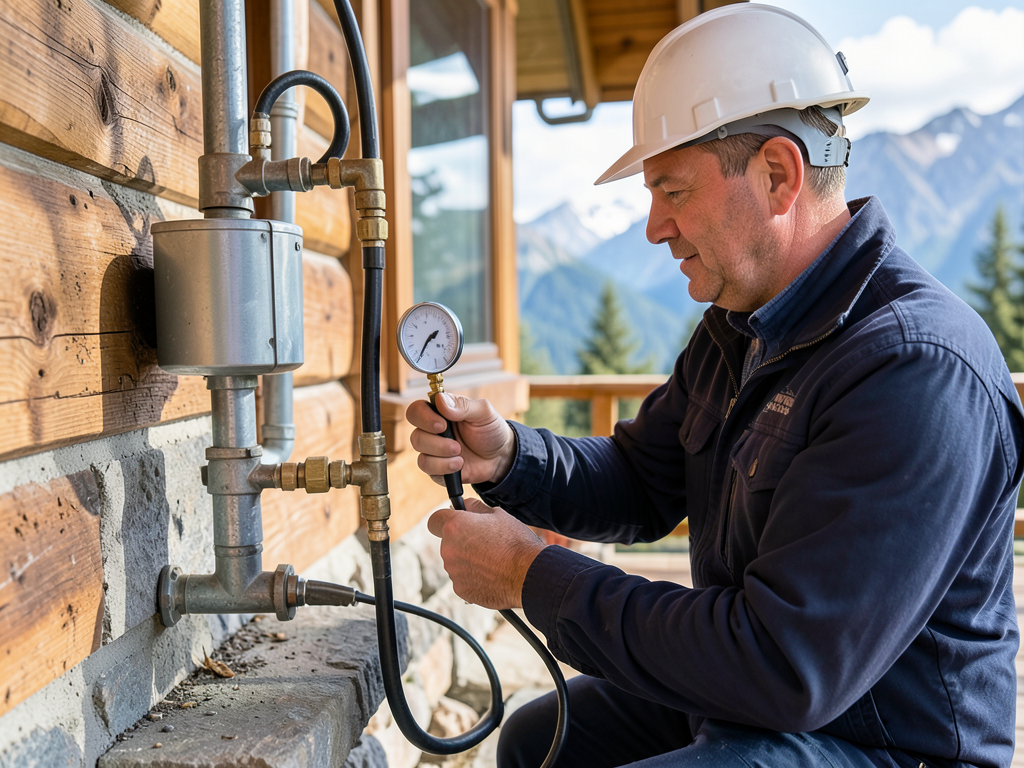
Technician using a manometer to test drain line pressure and diagnose high-altitude venting issues in a mountain home
Salt Lake City Code Compliance
Emigration Canyon homes must comply with both Salt Lake County regulations and specific elevation requirements. The Salt Lake City Building Code, which follows the International Plumbing Code with local amendments, addresses high-altitude installations.
Section 1301.6 of the International Plumbing Code requires that gas appliances installed at elevations above 2,000 feet be derated according to manufacturer specifications. This derating ensures safe and efficient operation by adjusting the gas input rate and air shutter settings.
For water heaters, the code mandates that pressure relief valves be rated for the specific elevation and pressure conditions of the installation site. In Emigration Canyon, this often means selecting valves with lower pressure ratings than those used in valley homes.
Backflow prevention devices also require special consideration at higher elevations. The reduced atmospheric pressure can affect the operation of reduced pressure principle assemblies, potentially requiring more frequent testing and maintenance to ensure proper function.
Local building inspectors in Salt Lake County are trained to verify that high-elevation installations meet these specific requirements. When remodeling or replacing plumbing fixtures in Emigration Canyon, always work with contractors familiar with these elevation-specific code requirements.
Hard Water and High Altitude: A Perfect Storm
Emigration Canyon’s elevation compounds the effects of Utah’s notoriously hard water. The combination creates accelerated mineral buildup that affects every plumbing component in your home.
Hard water contains high levels of calcium and magnesium. When heated, these minerals precipitate out and form scale. At higher elevations, the lower boiling point and increased vaporization create more opportunities for scale formation.
Your water heater’s efficiency drops as scale builds up on heating elements. A 1/4 inch of scale can reduce heating efficiency by up to 40%, forcing your water heater to work harder and use more energy. In Emigration Canyon, this efficiency loss happens faster than in valley homes.
Scale also affects:
- Showerheads and faucet aerators (reduced flow)
- Dishwashers and washing machines (longer cycle times)
- Ice makers and coffee machines (clogged lines)
- Boilers and hydronic heating systems (reduced heat transfer)
A water softener becomes almost essential for Emigration Canyon homes. The investment typically pays for itself through reduced energy costs, extended appliance life, and fewer plumbing repairs. According to the Water Quality Association, water softeners can reduce water heater energy consumption by up to 29%.. Read more about Fast Thawing and Repair for Frozen Pipes in Poplar Grove.
Seasonal Considerations for Mountain Plumbing
Emigration Canyon experiences more extreme weather variations than Salt Lake City proper. These seasonal changes create plumbing challenges unique to mountain environments.
Spring runoff can saturate soil around underground pipes, potentially causing them to shift or settle. This movement can create leaks or breaks in water supply lines and sewer pipes. The freeze-thaw cycles of late winter and early spring are particularly damaging to older plumbing systems.
Summer thunderstorms can overwhelm drainage systems designed for valley conditions. The steeper terrain of Emigration Canyon means water moves faster across your property, potentially overwhelming French drains or sump pump systems.
Fall brings falling leaves and debris that can clog roof vents and outdoor drains. Blocked vents create pressure issues throughout your plumbing system, causing slow drains and sewer gas problems.
Winter in Emigration Canyon is the most challenging season. Temperatures often drop 10-15 degrees lower than Salt Lake City, increasing the risk of frozen pipes. Exposed pipes in crawl spaces, attics, or exterior walls need extra insulation and heat tracing to prevent freezing.
Diagnostic Testing for High-Altitude Plumbing Issues
When troubleshooting plumbing problems in Emigration Canyon, technicians use specific diagnostic tests that account for elevation effects.
Manometer testing measures pressure differences in drain lines and gas supply systems. At higher elevations, normal pressure ranges shift, so technicians must adjust their diagnostic criteria accordingly.
Combustion analysis tests check gas appliance efficiency by measuring oxygen levels, carbon monoxide production, and stack temperature. These readings help determine if elevation derating adjustments are correct.
Thermal imaging cameras can identify hot spots in water heaters that indicate scale buildup or failing elements. The temperature differential between scale-covered and clean surfaces becomes more pronounced at higher elevations due to the lower ambient temperatures.
Pressure testing of water supply systems must account for elevation. What might be considered normal pressure in the valley could indicate problems in Emigration Canyon due to the reduced atmospheric pressure baseline.
Technician performing combustion analysis on a high-altitude water heater to verify proper gas-to-air ratio and BTU derating
Prevention and Maintenance Strategies
Preventing high-altitude plumbing problems starts with understanding your home’s specific needs. Here are key maintenance steps for Emigration Canyon homeowners:
- Schedule annual water heater inspections to check for proper derating and sediment buildup
- Test pressure relief valves quarterly to ensure they’re functioning correctly
- Flush your water heater tank every six months to remove sediment
- Check all visible plumbing for signs of corrosion or mineral buildup monthly
- Inspect outdoor plumbing before winter and insulate exposed pipes
- Test sump pumps and drainage systems before spring runoff season
- Clean faucet aerators and showerheads every three months
Consider installing a whole-house water softener if you haven’t already. The combination of hard water and high altitude makes scale prevention crucial for system longevity.
Upgrade to high-efficiency, elevation-rated fixtures and appliances when replacements are needed. Many manufacturers now offer models specifically designed for high-altitude installations that account for the unique pressure and combustion requirements.
When to Call a Professional
While some maintenance tasks are DIY-friendly, certain plumbing issues require professional expertise, especially in high-altitude environments.
Call a licensed plumber if you notice:
- Yellow or flickering burner flames on gas appliances
- Persistent sewer odors from drains
- Water heater leaking from the pressure relief valve
- Sudden drops in water pressure
- Gurgling sounds from drains or toilets
- Frozen pipes that have thawed (they often leak after thawing)
- Unexplained increases in water bills
High-altitude plumbing repairs require specialized knowledge. Not all plumbers understand the unique challenges of mountain installations. Look for contractors with experience in Emigration Canyon and other high-elevation areas of the Wasatch Front.
Frequently Asked Questions
Why does my water heater seem less efficient in Emigration Canyon?
Lower atmospheric pressure at elevation reduces the boiling point of water and affects gas combustion efficiency. Your water heater needs proper derating for elevation, and sediment buildup from hard water compounds the efficiency loss. A professional inspection can verify proper setup and identify needed adjustments.
Are pressure relief valves more likely to leak in mountain homes?
Yes. The lower atmospheric pressure at elevation means these valves may activate at lower absolute pressures. Additionally, thermal expansion creates more pressure spikes in closed systems. Installing a thermal expansion tank often resolves frequent leaking issues.
How often should I flush my water heater in Emigration Canyon?
Every six months is recommended due to accelerated sediment buildup from the combination of hard water and elevation effects. Some homeowners with extremely hard water may benefit from quarterly flushing.
Can I install a standard water heater in my Emigration Canyon home?
You can, but it won’t operate efficiently or safely without proper derating. High-altitude water heaters are specifically designed with adjusted gas-to-air ratios and pressure ratings for elevation installations. Using standard units without modifications risks poor performance and safety hazards.
What’s the best way to prevent frozen pipes in Emigration Canyon winters?
Insulate all exposed pipes, seal crawl space vents, and consider heat tape for vulnerable areas. Keep cabinet doors open during extreme cold to allow warm air circulation. Let faucets drip slightly during severe cold snaps to prevent freezing in supply lines.
- Annual Professional Inspection
Have a licensed plumber check water heater derating, gas appliance combustion, and pressure relief valve operation. Elevation-specific adjustments are crucial for safety and efficiency.
- Seasonal Preparation
Before winter, insulate exposed pipes and check outdoor plumbing. Before spring, test sump pumps and clear roof vents. Elevation homes need seasonal preparation more than valley properties.
- Water Quality Management
Install and maintain a water softener to combat hard water effects. Test water hardness annually and adjust softener settings as needed for your specific elevation conditions.
Living in Emigration Canyon’s beautiful mountain setting comes with unique plumbing challenges that require specialized knowledge and maintenance. The lower atmospheric pressure, harder water, and more extreme seasonal variations all affect how your plumbing system operates.
By understanding these elevation-specific issues and working with experienced professionals who know high-altitude plumbing, you can avoid costly repairs and keep your system running efficiently year-round. Don’t wait for problems to develop – proactive maintenance is your best defense against the unique challenges of mountain plumbing.
Call (385) 406-8899 today to schedule your Emigration Canyon plumbing inspection. Our experienced technicians understand the unique challenges of high-altitude plumbing and can ensure your system is operating safely and efficiently. Whether you need water heater derating, pressure testing, or seasonal maintenance, we’re here to help keep your mountain home’s plumbing in top condition.
{
“@context”: “https://schema.org”,
“@type”: “BlogPosting”,
“headline”: “How the High Elevation in Emigration Canyon Affects Your Plumbing System”,
“description”: “Learn how Emigration Canyon’s elevation impacts water pressure, water heater performance, and drainage. Get expert advice from Salt Lake City’s trusted plumbers.”,
“wordCount”: 2324,
“datePublished”: “2026-04-10T09:23:00.000Z”,
“dateModified”: “2026-04-10T09:23:00.000Z”,
“inLanguage”: “en-US”,
“mainEntityOfPage”: {
“@type”: “WebPage”,
“@id”: “https://crestlineplumbingsaltlakecity.com”
},
“publisher”: {
“@type”: “LocalBusiness”,
“name”: “Crestline Plumbing Salt Lake City”,
“url”: “https://crestlineplumbingsaltlakecity.com”
},
“author”: {
“@type”: “Organization”,
“name”: “Crestline Plumbing Salt Lake City”,
“url”: “https://crestlineplumbingsaltlakecity.com”
},
“image”: {
“@type”: “ImageObject”,
“url”: “https://crestlineplumbingsaltlakecity.com/wp-content/uploads/2026/03/how-the-high-elevation-in-emigration-canyon-affect-1.png”
}
}
{
“@context”: “https://schema.org”,
“@type”: “Plumber”,
“name”: “Crestline Plumbing Salt Lake City”,
“url”: “https://crestlineplumbingsaltlakecity.com”,
“address”: {
“@type”: “PostalAddress”,
“addressLocality”: “Salt Lake City”
},
“areaServed”: {
“@type”: “City”,
“name”: “Salt Lake City”
}
}
{
“@context”: “https://schema.org”,
“@type”: “FAQPage”,
“mainEntity”: [
{
“@type”: “Question”,
“name”: “Why does my water heater seem less efficient in Emigration Canyon?”,
“acceptedAnswer”: {
“@type”: “Answer”,
“text”: “Lower atmospheric pressure at elevation reduces the boiling point of water and affects gas combustion efficiency. Your water heater needs proper derating for elevation, and sediment buildup from hard water compounds the efficiency loss. A professional inspection can verify proper setup and identify needed adjustments.”
}
},
{
“@type”: “Question”,
“name”: “Are pressure relief valves more likely to leak in mountain homes?”,
“acceptedAnswer”: {
“@type”: “Answer”,
“text”: “Yes. The lower atmospheric pressure at elevation means these valves may activate at lower absolute pressures. Additionally, thermal expansion creates more pressure spikes in closed systems. Installing a thermal expansion tank often resolves frequent leaking issues.”
}
},
{
“@type”: “Question”,
“name”: “Can I install a standard water heater in my Emigration Canyon home?”,
“acceptedAnswer”: {
“@type”: “Answer”,
“text”: “You can, but it won’t operate efficiently or safely without proper derating. High-altitude water heaters are specifically designed with adjusted gas-to-air ratios and pressure ratings for elevation installations. Using standard units without modifications risks poor performance and safety hazards.”
}
},
{
“@type”: “Question”,
“name”: “What’s the best way to prevent frozen pipes in Emigration Canyon winters?”,
“acceptedAnswer”: {
“@type”: “Answer”,
“text”: “Insulate all exposed pipes, seal crawl space vents, and consider heat tape for vulnerable areas. Keep cabinet doors open during extreme cold to allow warm air circulation. Let faucets drip slightly during severe cold snaps to prevent freezing in supply lines.”
}
}
]
}
{
“@context”: “https://schema.org”,
“@type”: “HowTo”,
“name”: “How to Maintain High-Altitude Plumbing”,
“step”: [
{
“@type”: “HowToStep”,
“position”: 1,
“name”: “Annual Professional Inspection”,
“text”: “Have a licensed plumber check water heater derating, gas appliance combustion, and pressure relief valve operation. Elevation-specific adjustments are crucial for safety and efficiency.”
},
{
“@type”: “HowToStep”,
“position”: 2,
“name”: “Seasonal Preparation”,
“text”: “Before winter, insulate exposed pipes and check outdoor plumbing. Before spring, test sump pumps and clear roof vents. Elevation homes need seasonal preparation more than valley properties.”
},
{
“@type”: “HowToStep”,
“position”: 3,
“name”: “Water Quality Management”,
“text”: “Install and maintain a water softener to combat hard water effects. Test water hardness annually and adjust softener settings as needed for your specific elevation conditions.”
}
],
“image”: “https://crestlineplumbingsaltlakecity.com/wp-content/uploads/2026/03/how-the-high-elevation-in-emigration-canyon-affect-1.png”
}
{
“@context”: “https://schema.org”,
“@type”: “BreadcrumbList”,
“itemListElement”: [
{
“@type”: “ListItem”,
“position”: 1,
“name”: “Home”,
“item”: “https://crestlineplumbingsaltlakecity.com”
},
{
“@type”: “ListItem”,
“position”: 2,
“name”: “Blog”,
“item”: “https://crestlineplumbingsaltlakecity.com/blog”
},
{
“@type”: “ListItem”,
“position”: 3,
“name”: “How the High Elevation in Emigration Canyon Affects Your Plumbing System”
}
]
}
{
“@context”: “https://schema.org”,
“@type”: “Service”,
“serviceType”: “Plumbing”,
“provider”: {
“@type”: “LocalBusiness”,
“name”: “Crestline Plumbing Salt Lake City”,
“url”: “https://crestlineplumbingsaltlakecity.com”
},
“areaServed”: {
“@type”: “City”,
“name”: “Salt Lake City”
},
“description”: “Learn how Emigration Canyon’s elevation impacts water pressure, water heater performance, and drainage. Get expert advice from Salt Lake City’s trusted plumbers.”
}