
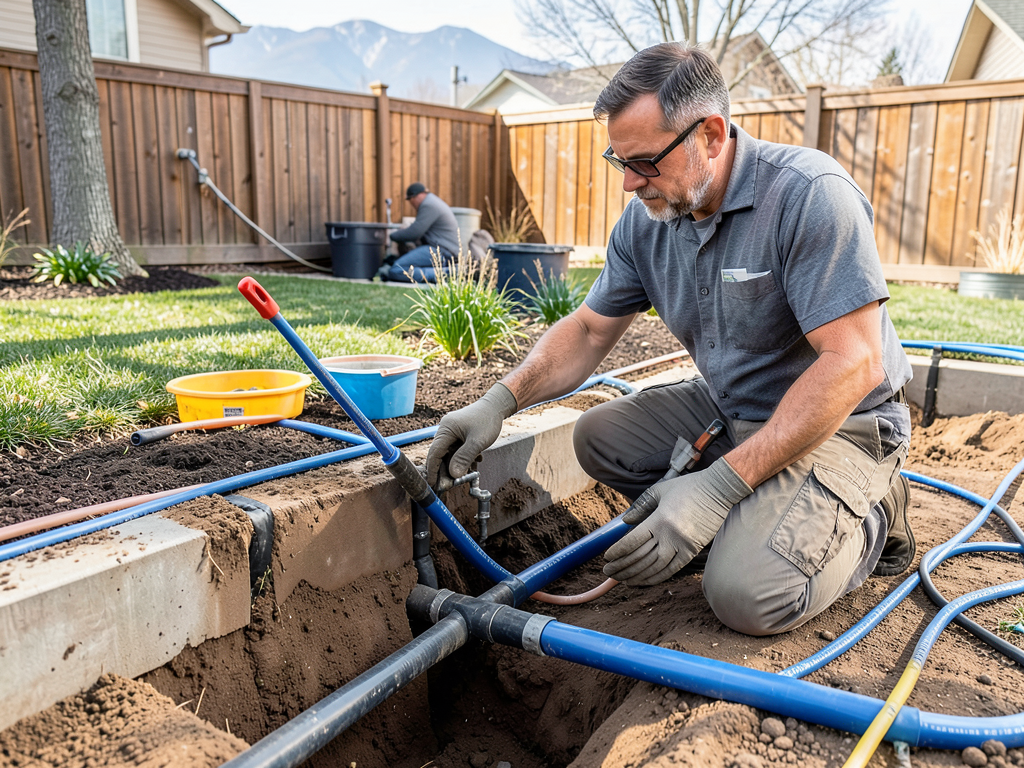
How to Prepare Your Outdoor Kitchen for a Salt Lake City Summer
Your outdoor kitchen needs more than just a good grill and countertops to survive Salt Lake City’s extreme climate. The freeze-thaw cycles that batter our Wasatch Front region can destroy poorly installed plumbing within a single season. This guide walks you through the essential steps to protect your investment and keep your outdoor cooking space running smoothly through every Utah summer. Salt Lake City Public Utilities.
Outdoor kitchens in Salt Lake County face unique challenges. Our 30-inch frost line means underground pipes must be buried deeper than most other regions. The alkaline soil accelerates corrosion on metal components. And those beautiful granite countertops you selected can develop hairline cracks from temperature swings that swing 60 degrees in a single day. Draper Kitchen and Bathroom Remodeling Plumbing Experts.
Understanding Salt Lake City’s Outdoor Plumbing Challenges
The Wasatch Front’s climate creates specific vulnerabilities for outdoor plumbing systems. Our region experiences approximately 50 freeze-thaw cycles each winter, compared to just 10-15 in more moderate climates. This constant expansion and contraction of water inside pipes generates pressure that can burst even copper lines rated for outdoor use. Best Water Softener Installation Services in Salt Lake City to Fight Hard Water.
Local soil conditions compound these problems. The high clay content in Salt Lake Valley soil retains moisture against pipe exteriors, creating a perfect environment for corrosion. When water freezes in these conditions, it expands with tremendous force against pipe walls. The Utah Division of Water Resources reports that outdoor plumbing failures spike 300% in February when daytime thaws meet nighttime freezes. Utah Division of Professional Licensing.
Building codes in Salt Lake County require outdoor water lines to be buried at least 30 inches deep, with gas lines requiring 24-inch minimum depth. These depths protect against frost penetration, which can reach 18-24 inches during severe winters. The Salt Lake City Public Utilities Department mandates that all outdoor plumbing installations include specific freeze protection measures before issuing permits. Reliable Plumbing Repair for Historic Homes in The Avenues.
Essential Winterization Steps Before Summer Use
Before firing up your outdoor kitchen for the first summer cookout, you need to verify that winterization procedures were properly followed. Many Salt Lake City homeowners discover expensive damage in spring because they skipped crucial winterization steps last fall.
Start with a pressure test of all water lines. This diagnostic procedure involves closing all valves and watching the pressure gauge for 15 minutes. If pressure drops more than 5 PSI, you have a leak somewhere in the system. Our technicians use specialized freeze-proof pressure gauges that can detect even microscopic cracks in PEX tubing. Water Main Leak Detection and Repair in Holladay.
Next, inspect all visible connections and joints. Look for white powdery deposits around brass fittings, which indicate slow leaks that evaporated during winter. Check flexible supply lines for cracks or stiffness. Even UV-resistant hoses degrade over time when exposed to our intense mountain sunlight.
Test all gas connections with a soap solution. Bubbles indicate leaks that require immediate attention. The Salt Lake City Fire Department recommends testing gas lines annually, with special attention to connections that may have loosened during winter freeze cycles.
Finally, flush all lines thoroughly. Run water through each fixture for 3-5 minutes to clear any debris or stagnant water that accumulated during winter. This process also helps identify any flow restrictions caused by mineral buildup from our notoriously hard water.
Material Selection for Utah’s Climate
Not all plumbing materials perform equally in Salt Lake City’s environment. The choice between PEX and copper for outdoor applications can mean the difference between a system that lasts 5 years versus one that functions reliably for 20+ years.
PEX tubing offers superior freeze resistance compared to copper. When water freezes inside PEX, the tubing expands rather than cracking. This flexibility makes PEX ideal for areas where supply lines run along exterior walls or through unheated spaces. However, PEX degrades under UV exposure, requiring protective sleeves or burial for any above-ground runs.
Copper remains the gold standard for gas lines and high-temperature applications. Type L copper, with its thicker walls, resists the freeze-thaw stresses better than Type M. However, copper corrodes faster in our alkaline soil conditions. We recommend wrapping copper lines with protective tape and using dielectric unions where copper connects to other metals.
For drainage systems, PVC Schedule 40 offers the best combination of durability and freeze resistance. The material withstands temperature swings without becoming brittle. Schedule 80 PVC provides additional strength for underground applications where soil pressure is a concern. Expert Drain Cleaning in Sandy UT for Stubborn Clogs.
Brass fixtures outperform stainless steel in our climate. While stainless resists corrosion, it becomes brittle in extreme cold. Brass maintains its mechanical properties across a wider temperature range and resists the galvanic corrosion common when dissimilar metals contact in moist conditions.
Permit Requirements for Salt Lake County Outdoor Kitchens
Installing outdoor kitchen plumbing in Salt Lake City requires navigating specific permit requirements. The Salt Lake County Health Department oversees all outdoor plumbing installations, with different requirements based on the scope of work.. Read more about Installing a Natural Gas Line for Your New Highland Outdoor Fire Pit.
For simple faucet installations, a basic plumbing permit suffices. These permits cost approximately $75-150 and require a site plan showing fixture locations and connection points. The plan must indicate compliance with the 30-inch frost line burial requirement and proper drainage routing.
Gas line extensions require additional permits from the Salt Lake City Fire Marshal’s office. These permits involve pressure testing verification and often require inspection by both plumbing and fire department officials. Gas line permits typically cost $200-400 depending on the length and complexity of the installation.
Projects involving electrical work alongside plumbing need separate permits from the Salt Lake City Electrical Division. Combined permits ensure proper coordination between trades and compliance with all applicable codes. The total permit cost for a complete outdoor kitchen installation usually ranges from $300-800.
Permit processing times vary seasonally. Summer months see longer wait times due to high demand, with permits taking 2-3 weeks versus 1 week during slower periods. Expedited processing is available for an additional fee, reducing wait times to 48-72 hours.
Gas Line Installation for Outdoor Appliances
Outdoor kitchens typically require natural gas lines for grills, pizza ovens, and fire pits. The BTU requirements for these appliances determine pipe sizing and pressure requirements. A standard 36-inch grill needs approximately 40,000 BTU, while a built-in pizza oven might require 60,000 BTU.
Gas line sizing follows specific calculations based on total BTU load and distance from the meter. A 50-foot run serving multiple appliances might need 3/4-inch pipe, while a 100-foot run could require 1-inch pipe to maintain adequate pressure. Undersized lines cause poor appliance performance and can create safety hazards.
Underground gas lines must use polyethylene (PE) pipe with corrosion-resistant fittings. The pipe requires yellow protective tape or conduit for identification. All buried gas lines need depth markers every 25 feet to prevent accidental damage during future excavation work.
Above-ground gas lines require specific protection from physical damage and UV exposure. We use painted steel or specially coated copper for visible runs, with all connections accessible for inspection and maintenance. The Salt Lake City Fire Code requires shut-off valves within 6 feet of each appliance.
Pressure testing verifies gas line integrity before final connection. The test involves pressurizing lines to 1.5 times the maximum operating pressure and monitoring for 15 minutes. Any pressure drop indicates leaks requiring repair before the system can be commissioned.
Water Supply and Drainage Solutions
Outdoor sink plumbing requires careful planning to prevent freezing and ensure proper drainage. The water supply lines need freeze protection even in covered outdoor areas, as our nighttime temperatures frequently drop below freezing even in summer months.
Self-draining supply lines prevent freeze damage by allowing water to drain back to a heated space when fixtures are closed. This design uses gravity and check valves to create a system that empties itself automatically. The initial cost is higher, but the freeze protection pays for itself within 2-3 seasons.
Drainage presents unique challenges for outdoor kitchens. Connecting to the main sewer line often requires breaking concrete and can be expensive. Many Salt Lake City installations use dry wells or French drains for gray water disposal. These systems collect water in underground chambers filled with gravel, allowing gradual percolation into surrounding soil.
Local soil conditions affect drainage system design. The clay content in Salt Lake Valley soil reduces percolation rates, requiring larger drainage fields than areas with sandy soil. A typical outdoor kitchen sink might need a 50-100 gallon dry well, while the same fixture in sandy soil might function with a 20-gallon system.
Backflow prevention protects the municipal water supply from contamination. Utah State Plumbing Code requires backflow preventers on all outdoor water connections. These devices prevent contaminated water from flowing backward into clean supply lines, protecting both your household and the broader community.
Freeze Protection and Winterization Strategies
Even with proper installation, outdoor kitchen plumbing needs active freeze protection measures. The most effective systems combine passive insulation with active heating elements to maintain safe temperatures during extreme cold.
Heat tape provides reliable freeze protection for supply lines. Self-regulating heat tape adjusts its output based on ambient temperature, using more energy during extreme cold and less during milder conditions. The tape installs directly on pipes and plugs into standard GFCI outlets. Installation costs range from $5-15 per linear foot depending on the tape quality and pipe diameter.
Insulation sleeves add another layer of protection. Foam pipe insulation with R-values of 3-4 reduces heat loss and protects against occasional cold snaps. For critical lines, we recommend combination systems using both heat tape and insulation for maximum protection.
Automated drain valves offer the most foolproof freeze protection. These valves open when temperatures approach freezing, allowing water to drain from exposed lines. The valves close automatically when temperatures rise above freezing. While more expensive initially, they eliminate the risk of freeze damage from power outages or forgotten manual draining.
Winterization procedures should begin when temperatures consistently drop below 40°F. The process involves shutting off water supply, opening all fixtures to drain remaining water, and applying compressed air to blow out any trapped moisture. This procedure takes 30-60 minutes but prevents thousands in potential freeze damage.
Common Failure Points and Prevention
Understanding where outdoor kitchen plumbing typically fails helps prevent expensive repairs. The most vulnerable components include connection points, exposed pipes, and fixtures with internal water retention.
Connection points between different materials represent high-risk areas. The junction between copper and PEX, or between metal and plastic, creates stress points where movement and temperature differences concentrate. Using proper transition fittings and providing adequate support reduces failure risk.
Exposed pipes running along exterior walls or through unheated spaces need special attention. Even with insulation, these pipes can freeze during severe cold snaps. Heat tape provides reliable protection, but it requires electricity and can fail during power outages. Redundant protection systems offer the best reliability.
Outdoor faucets and hose bibs often retain small amounts of water in their internal mechanisms. When this water freezes, it can crack the valve body or damage the seat. Frost-free hose bibs with extended shafts move the valve mechanism into heated space, but they still require proper sloping to drain completely.
Underground damage from future excavation poses another risk. Without proper marking, homeowners or contractors can accidentally cut buried lines during landscaping or construction projects. Using tracer wire with buried gas and water lines allows electronic location even after years underground.
Maintenance Schedule for Peak Performance
Regular maintenance keeps outdoor kitchen plumbing functioning reliably year after year. A seasonal maintenance schedule prevents minor issues from becoming major problems and extends the life of your plumbing components.
Spring startup should occur when nighttime temperatures consistently stay above 35°F. This process includes pressure testing, leak inspection, and fixture testing. Check all gas connections with soap solution and verify proper burner operation on gas appliances.
Summer maintenance focuses on cleaning and inspection. Remove mineral buildup from aerators and showerheads using vinegar solution. Check for leaks around sink bases and under cabinets. Inspect gas lines for damage from landscaping equipment or animal activity.
Fall winterization begins when temperatures consistently drop below 40°F. This critical procedure involves draining all water lines, disconnecting hoses, and applying freeze protection to vulnerable components. Document the winterization process with photos to track any developing issues over time.
Annual professional inspection catches problems before they cause damage. A qualified plumber can pressure test the entire system, inspect gas lines with specialized equipment, and verify that all safety devices function properly. This inspection typically costs $150-300 but prevents thousands in potential freeze damage.
Cost Factors and Investment Protection
Outdoor kitchen plumbing represents a significant investment, with costs varying based on complexity, materials, and local requirements. Understanding these cost factors helps budget appropriately and avoid unexpected expenses.
Basic outdoor sink installation with cold water only typically costs $800-1,500. Adding hot water increases costs to $1,500-2,500 due to additional lines and heating requirements. Complete outdoor kitchen plumbing with multiple fixtures and gas lines ranges from $3,000-8,000 depending on distance from existing utilities.
Material selection significantly impacts both initial costs and long-term reliability. PEX tubing costs $0.50-2.00 per foot installed, while copper runs $2-5 per foot. Brass fixtures cost more upfront but last longer in our climate than cheaper alternatives. The total system cost often reflects these material choices.
Permit costs add $300-800 to most projects, with gas line work requiring additional inspections. These fees support code compliance and safety inspections that protect your investment. Skipping permits might save money initially but can create liability issues and complicate future property sales.
Maintenance costs average $200-400 annually for a typical outdoor kitchen. This includes seasonal startups, winterization, and periodic inspections. Compared to potential freeze damage repair costs of $2,000-10,000, regular maintenance provides excellent return on investment.
Choosing the Right Plumbing Professional
Not all plumbers have experience with outdoor kitchen installations in Utah’s challenging climate. Selecting a qualified professional ensures your system will withstand our freeze-thaw cycles and comply with all local requirements.
Look for Utah State Master Plumber licensing with current Salt Lake County credentials. The licensing process requires specific training in local codes and climate considerations. Ask potential contractors about their experience with outdoor installations in the Wasatch Front region specifically.
Verify insurance coverage including general liability and workers’ compensation. Outdoor plumbing work involves excavation and gas line handling, creating risks that require proper insurance protection. Request current certificate copies and verify coverage directly with insurance providers.
Check references for similar outdoor kitchen projects completed in the past two years. Outdoor plumbing technology and code requirements change frequently, so recent experience matters more than general plumbing expertise. Ask specifically about freeze protection measures and winterization procedures used.
Request detailed written proposals including material specifications, permit requirements, and warranty information. Professional contractors provide comprehensive documentation that protects both parties and ensures clear expectations. Avoid contractors who provide verbal estimates or refuse to pull required permits.
Frequently Asked Questions
How deep should outdoor water lines be buried in Salt Lake City?
Outdoor water lines in Salt Lake County must be buried at least 30 inches deep to protect against frost penetration. This depth exceeds many other regions because our frost line can reach 18-24 inches during severe winters. Gas lines require 24-inch minimum depth with additional protection requirements.
Can PEX tubing be used for outdoor kitchen plumbing in Utah?
Yes, PEX works well for outdoor applications when properly protected. PEX resists freeze damage better than copper because it expands rather than cracking. However, PEX degrades under UV exposure, so any above-ground runs need protective sleeves or burial. PEX also requires protection from our alkaline soil conditions.
What permits are required for outdoor kitchen plumbing in Salt Lake City?
Basic plumbing permits cost $75-150 for simple installations. Gas line extensions require additional permits from the Fire Marshal’s office costing $200-400. Projects involving electrical work need separate permits. Total permit costs typically range from $300-800 depending on project scope and complexity.
How do I winterize my outdoor kitchen plumbing?
Winterization involves shutting off water supply, opening all fixtures to drain remaining water, and applying compressed air to blow out any trapped moisture. For freeze-prone components, use heat tape or automated drain valves. Professional winterization costs $150-300 but prevents thousands in potential freeze damage.
How much does outdoor kitchen plumbing installation cost in Salt Lake City?
Basic outdoor sink installation costs $800-1,500. Adding hot water increases costs to $1,500-2,500. Complete outdoor kitchen plumbing with multiple fixtures and gas lines ranges from $3,000-8,000 depending on distance from existing utilities and project complexity. Permit fees add $300-800 to most projects.
- Test All Water Lines
Pressure test supply lines and inspect for leaks before summer use. Look for white deposits around fittings indicating slow leaks.
- Verify Gas Connections
Test all gas connections with soap solution for leaks. Check that shut-off valves function properly within 6 feet of each appliance.
- Inspect Materials
Check PEX for UV damage, copper for corrosion, and all connections for wear. Replace any components showing deterioration.
- Flush Supply Lines
Run water through each fixture for 3-5 minutes to clear debris and identify any flow restrictions from mineral buildup.
- Apply Freeze Protection
Install heat tape on vulnerable lines, add insulation sleeves, and verify that all drain valves function properly before cold weather arrives.
Ready to Upgrade Your Outdoor Kitchen?
Don’t let Utah’s harsh climate destroy your outdoor kitchen investment. Professional installation with proper freeze protection and code compliance ensures years of reliable service. Our experienced team understands the unique challenges of Salt Lake City’s freeze-thaw cycles and alkaline soil conditions.
Call (385) 406-8899 today to schedule your outdoor kitchen plumbing inspection or installation. We provide detailed proposals, handle all permit requirements, and stand behind our work with comprehensive warranties. Your summer cookouts deserve plumbing that works as hard as you do.
Pick up the phone and call (385) 406-8899 before the next cold snap hits. Professional freeze protection now prevents expensive repairs later. Our team is ready to protect your outdoor kitchen investment with proven Utah-specific solutions.