menu

How to Prevent Frozen Pipes in Salt Lake City – Protect Your Home from Utah's Subzero Winters

Expert winterizing strategies for Salt Lake City's freeze-thaw cycles and extreme temperature drops that keep your plumbing intact when temperatures plummet below 20°F.

Slider Image 1
Slider Image 2
Slider Image 3
Slider Image 4
Slider Image 5
Slider Image 7
Slider Image 8
Slider Image 9
Slider Image 10
Slider Image 11

Why Salt Lake City's Winter Climate Demands Serious Pipe Protection

Salt Lake City sits at 4,226 feet elevation in a high-desert valley where winter temperatures regularly drop below freezing for weeks at a stretch. When the mercury falls below 20°F, unprotected water pipes face imminent danger. The inversion layer that traps cold air in the valley makes the risk worse. You wake up at 6 a.m., turn on the kitchen faucet, and nothing happens. The pipes have frozen solid.

The real problem starts when temperatures rise. That ice expands with 9% more volume than liquid water, creating thousands of pounds of pressure per square inch inside your copper or PEX lines. When the thaw comes, you face catastrophic pipe bursts that flood crawl spaces, basements, and walls. Insurance claims from frozen pipe damage in Utah spike every January and February.

Stopping pipes from freezing requires understanding our specific climate pattern. Salt Lake City experiences rapid temperature swings, where a 50°F afternoon can drop to 10°F by midnight. This freeze-thaw cycle is brutal on plumbing. Homes in the Avenues, with their historic construction and minimal insulation, face higher risk. So do properties in the benches area where wind exposure accelerates heat loss from exterior walls.

Keeping water pipes from freezing starts with recognizing vulnerable locations. Crawl spaces, exterior walls facing north, unheated garages, and attic spaces all become danger zones when temperatures drop. Even homes with newer construction can have weak points where frozen pipe prevention tips make the difference between a normal winter and a plumbing emergency.

The cost of prevention is minor compared to water damage restoration.

Why Salt Lake City's Winter Climate Demands Serious Pipe Protection
The Technical Reality of Winterizing Plumbing Pipes

The Technical Reality of Winterizing Plumbing Pipes

Protecting pipes from freezing involves controlling three variables: insulation value, air temperature around the pipe, and water movement through the line. When you stop heat loss and maintain water flow, ice cannot form.

Start with insulation. Foam pipe sleeves provide R-3 to R-4 insulation value, but only if installed correctly. The seam must face upward and joints must be sealed with tape. Fiberglass pipe wrap works for irregular shapes but requires vapor barrier protection in condensation-prone areas. For extreme exposure, heat tape or heat cable creates active warming. These thermostatically controlled systems activate when pipe temperature approaches 35°F.

Critical areas need different strategies. Crawl spaces benefit from perimeter insulation and foundation vents that close during winter months. Some Salt Lake City homes use automatic foundation vent covers that close when temperature drops below 40°F. This keeps conditioned air around your supply lines and reduces the thermal load on your water heater.

Cabinet doors under sinks should stay open on exterior walls. This allows heated air from your home to circulate around supply lines. The small increase in heating cost is nothing compared to a burst pipe repair. For vacation properties or unoccupied homes, winterizing plumbing pipes means draining the system completely. You shut off the main supply, open all fixtures, and use compressed air to blow residual water from the lines.

The supply line from your water meter to your home sits below frost depth in Salt Lake City, roughly 36 inches down. But short vertical runs that feed hose bibs or bring water into crawl spaces can freeze. These transition points need attention. We install frost-free hose bibs that drain automatically when you shut them off. The valve seat sits 12 inches inside the warm wall, not at the exterior faucet.

For homes in Federal Heights or the east bench where elevation increases exposure, we recommend recirculation pumps for distant fixtures. Moving water resists freezing far better than static water.

Your Winter Pipe Protection Plan

How to Prevent Frozen Pipes in Salt Lake City – Protect Your Home from Utah's Subzero Winters
01

Vulnerability Assessment

We identify every at-risk pipe location in your home through thermal imaging and physical inspection. Crawl space supply lines, pipes in exterior walls, and unheated garage plumbing get mapped. You receive a priority list showing which areas need immediate attention before the first hard freeze. This assessment takes 45-60 minutes for typical single-family homes and includes checking insulation gaps, foundation vent operation, and heat tape function.
02

Insulation and Heat Application

We install pipe insulation rated for sub-freezing temperatures and add heat cable where passive insulation cannot provide adequate protection. All penetrations where pipes pass through rim joists or foundation walls get sealed with spray foam to eliminate air infiltration. Hose bibs get upgraded to frost-free models and exterior supply valves are relocated inside when necessary. This phase addresses the specific weak points identified during assessment and creates layers of protection against temperature extremes.
03

System Testing and Documentation

We verify all protective measures function correctly through pressure testing and temperature monitoring. You receive documentation showing what was installed, where it is located, and how to maintain it. This includes shut-off valve locations, heat tape circuit breakers, and emergency procedures if freezing conditions occur. We test your system during the coldest part of the day to ensure protection holds under actual operating conditions. You get a prevention checklist for the start of each winter season.

Why Local Experience Matters for Salt Lake City Pipe Protection

Crestline Plumbing Salt Lake City understands how elevation, inversion patterns, and building age affect your freeze risk. We have worked in homes from Liberty Park to Rose Park, from the Avenues to Sugarhouse. Each neighborhood has distinct vulnerability patterns based on construction era and exposure.

Historic homes built before 1950 often lack wall insulation entirely. Supply lines run through exterior walls with nothing but lath and plaster separating them from 10°F air. These homes need strategic pipe rerouting or substantial insulation upgrades. Mid-century homes from the 1960s and 1970s have minimal insulation but better pipe routing. Newer construction meets current code but can still have weak points where builders cut corners or architectural features created thermal bridges.

We know which inspectors work in which jurisdictions. We know that Salt Lake City requires permits for repipe work but not for insulation upgrades. We understand local water pressure zones and how your elevation affects static pressure in your system. Higher pressure increases the force that frozen water exerts on pipe walls during expansion.

Our trucks carry materials that work in Utah's climate. Not all pipe insulation performs equally in dry, cold air. We stock foam tubes that maintain flexibility at negative temperatures and heat cable rated for continuous duty in harsh conditions. Our suppliers are local, which means when you need emergency materials during a cold snap, we can get them.

We respond to service calls in your neighborhood within 90 minutes, not next Tuesday. When a cold front drops temperatures unexpectedly and you need heat cable installed before nightfall, we prioritize the work. That local presence matters during weather events when every plumber in the valley gets swamped with calls.

The difference shows in the details. We know where your water meter pit is located and how deep your service line sits. We understand that homes near Red Butte Creek face different drainage challenges than homes in the flat sections near the airport. Local knowledge translates to better protection.

What Happens When You Call for Pipe Winterization

Response Time

We schedule winterization work within three business days during fall months and provide emergency service for unexpected cold snaps. Most assessments happen within 48 hours of your call. Installation work gets scheduled based on urgency and weather forecasts. If temperatures are forecast to drop below 15°F within five days, you move to priority scheduling. We do not make you wait until pipes actually freeze. Prevention appointments get the same respect as repair calls because we know the stakes. Evening and weekend slots are available during October and November when demand peaks.

The Assessment Process

Our technician walks every area where plumbing exists in your home. We open crawl space access, check attic plumbing for bathroom groups on upper floors, and inspect garage supply lines. Thermal imaging shows temperature differentials that indicate missing insulation or air leaks. You get a written report identifying each vulnerable pipe run, the risk level, and the recommended protection method. We explain why each location matters and what failure looks like. This is not a sales pitch. This is education about your specific home and where the weak points are. The assessment includes photos and temperature readings.

Installation Quality

We install materials that comply with International Plumbing Code requirements and manufacturer specifications. Pipe insulation gets secured with UV-resistant cable ties every 18 inches. Heat cable gets installed on the bottom of horizontal runs where cold air settles, not the top. Thermostats mount in representative locations that sense actual pipe temperature, not ambient air. All electrical work for heat cable meets NEC requirements with dedicated circuits and GFCI protection. You receive before and after photos of every installation location. The work gets tested before we leave. We run your system through temperature cycles to verify protection holds. You see the results yourself.

Ongoing Support

You get a seasonal maintenance checklist that outlines what to check each October before winter arrives. This includes testing heat cable operation, inspecting insulation for damage from rodents or moisture, and verifying that foundation vents close properly. We offer annual inspection services that catch problems before they become emergencies. If you experience issues during winter, we provide phone support to walk you through immediate steps while dispatch sends a technician. Our winterization work includes guidance on thermostat settings, faucet drip rates during extreme cold, and cabinet door positioning. You are not left to figure this out alone.

Frequently Asked Questions

You Have Questions,
We Have Answers

Do all faucets need to drip to prevent freezing? +

No, you only need to drip faucets connected to pipes in vulnerable areas. Focus on exterior walls, unheated crawl spaces, attics, and garages. In Salt Lake City homes, pipes along north-facing walls or in older basements without proper insulation are most at risk. Run faucets farthest from your main water supply first, as these lines have the longest exposure. If your home has good insulation and heat tape on exposed lines, dripping may not be necessary at all. Inspect your property for vulnerable spots before winter hits.

How do I stop my pipes from freezing? +

Insulate exposed pipes in crawl spaces, attics, and garages with foam pipe sleeves. Seal cracks in exterior walls near plumbing. Disconnect garden hoses and drain outdoor spigots before Salt Lake City's first hard freeze. Keep cabinet doors open under sinks on exterior walls so warm air circulates. Maintain your thermostat at 55 degrees or higher, even when away. For pipes in unheated spaces, install heat tape or heat cables. In older Salt Lake City homes with minimal insulation, consider adding blown-in insulation to vulnerable areas before temperatures drop.

At what temperature will pipes freeze? +

Pipes begin freezing at 32 degrees Fahrenheit, but problems start when temperatures drop to 20 degrees or below for extended periods. In Salt Lake City, where winter nights can dip into single digits, the risk increases. Pipes in unheated spaces freeze faster than those inside conditioned areas. Wind chill accelerates the process, especially for pipes along exterior walls. Copper pipes freeze faster than PEX due to higher thermal conductivity. If temperatures stay below 20 degrees for more than six hours, take preventive action immediately.

How much water should I run to keep pipes from freezing? +

A pencil-thin stream is enough. You do not need a heavy flow. The goal is movement, not volume. Running water at a slow, steady trickle keeps water molecules in motion, preventing ice formation. This works because moving water requires colder temperatures to freeze than standing water. For Salt Lake City homes with multiple vulnerable faucets, prioritize those on exterior walls or in unheated spaces. One dripping faucet per exposed pipe run is sufficient. Opening both hot and cold taps helps protect both supply lines simultaneously.

Should you drip faucets all day or just at night? +

Drip faucets only during the coldest hours, which in Salt Lake City means overnight and early morning when temperatures drop most. You do not need to drip all day if daytime temperatures rise above freezing. Check weather forecasts and start dripping when overnight lows reach 20 degrees or below. If a sustained cold snap keeps temperatures below freezing for 24 hours or more, maintain the drip continuously. This approach conserves water while protecting pipes during peak risk periods. Adjust based on your home's specific vulnerabilities.

What freezes first, hot or cold water pipes? +

Cold water pipes freeze first. Hot water pipes benefit from residual heat and often have slightly higher ambient temperatures. However, in Salt Lake City's harsh winters, both can freeze if exposed long enough. Hot water lines in unheated crawl spaces or attics still face serious risk once the residual heat dissipates. The difference in freezing time is minimal in extreme cold. Do not assume hot water lines are safe. Protect both equally with insulation, heat tape, or strategic dripping during freezing conditions.

At what temperature should you let your faucets drip? +

Start dripping faucets when temperatures drop to 20 degrees Fahrenheit or below. This threshold accounts for Salt Lake City's dry climate and typical insulation standards in residential homes. If you have poorly insulated pipes, exposed plumbing, or previous freezing issues, start dripping at 25 degrees. Monitor overnight forecasts closely during winter months. Wind chill matters too. A windy night at 22 degrees can freeze pipes faster than a calm night at 18 degrees. When in doubt, drip early rather than risk costly pipe bursts.

Should I run hot water to keep pipes from freezing? +

Yes, run both hot and cold water to protect both supply lines. Hot water provides slightly better freeze protection due to residual heat from your water heater, but the difference is minimal once water sits in pipes. In Salt Lake City homes, many burst pipes occur on the hot water side because homeowners assume they are safer. Running both taps simultaneously creates movement in both lines. If you must choose one, pick the cold tap, as it typically freezes first, but protecting both is always best.

Do ping pong balls keep water from freezing? +

No, ping pong balls do not prevent pipes from freezing. This myth suggests balls floating in toilet tanks or pools keep water moving. In reality, pipe freezing happens inside pressurized supply lines, not open containers. Ping pong balls have no effect on water temperature or flow within your plumbing system. For Salt Lake City residents, focus on proven methods like insulation, heat tape, and strategic dripping. Gimmicks waste time when temperatures drop fast. Stick to established prevention techniques backed by professional plumbers.

What temperature should I keep my house in winter to keep pipes from freezing? +

Keep your thermostat at 55 degrees Fahrenheit minimum, even when away. For Salt Lake City homes with poor insulation or pipes in exterior walls, 60 degrees is safer. Never turn heat completely off during winter, as interior temperatures can drop below freezing in unheated rooms within hours during severe cold snaps. Open interior doors to allow warm air circulation. Keep cabinet doors open under sinks on exterior walls. If you travel during winter, this minimum temperature protects both pipes and your home's structure.

How Salt Lake City's Elevation and Inversion Layer Increase Your Freeze Risk

Salt Lake City's 4,200-foot elevation means water boils at 203°F instead of 212°F and freezes at the same 32°F as sea level, but the thinner atmosphere provides less thermal mass to buffer temperature changes. When high-pressure systems settle over the valley in winter, cold air sinks and gets trapped by surrounding mountains. This inversion layer can hold temperatures below 20°F for days while Park City, just 30 miles away and 3,000 feet higher, enjoys warmer air. Your pipes face sustained exposure to subfreezing temperatures with no daytime relief. The phenomenon happens multiple times each winter and creates the perfect condition for frozen pipes. Homes in the valley floor experience this worse than foothill properties where elevation helps them sit above the inversion.

Crestline Plumbing Salt Lake City has protected homes through every major cold snap since we opened. We understand how local microclimates affect different neighborhoods. We know that homes north of I-80 face different wind patterns than homes in Millcreek. We have relationships with local suppliers who stock materials rated for Utah's temperature extremes. When you work with a local company, you get technicians who live here and deal with the same winter conditions you face. We do not send crews from out of state who learned plumbing in Phoenix. We know this valley, this weather, and these homes. That knowledge protects your investment better than generic advice from national chains.
Plumbing Services in The Salt Lake City Area

We are proud to be a locally owned and operated business, dedicated to serving the entire Salt Lake City area and surrounding communities. Use the map below to pinpoint our location or to better understand our full service coverage across the region. If you need immediate assistance or would like to confirm that your home or business is within our guaranteed service area, please call our office directly—our warm, professional team is always ready to dispatch an expert to your location quickly.

Address:
Crestline Plumbing Salt Lake City, 222 S Main St, Salt Lake City, UT, 84101

Additional Services We Offer

Our news updates

Latest Articles & News from The Blogs

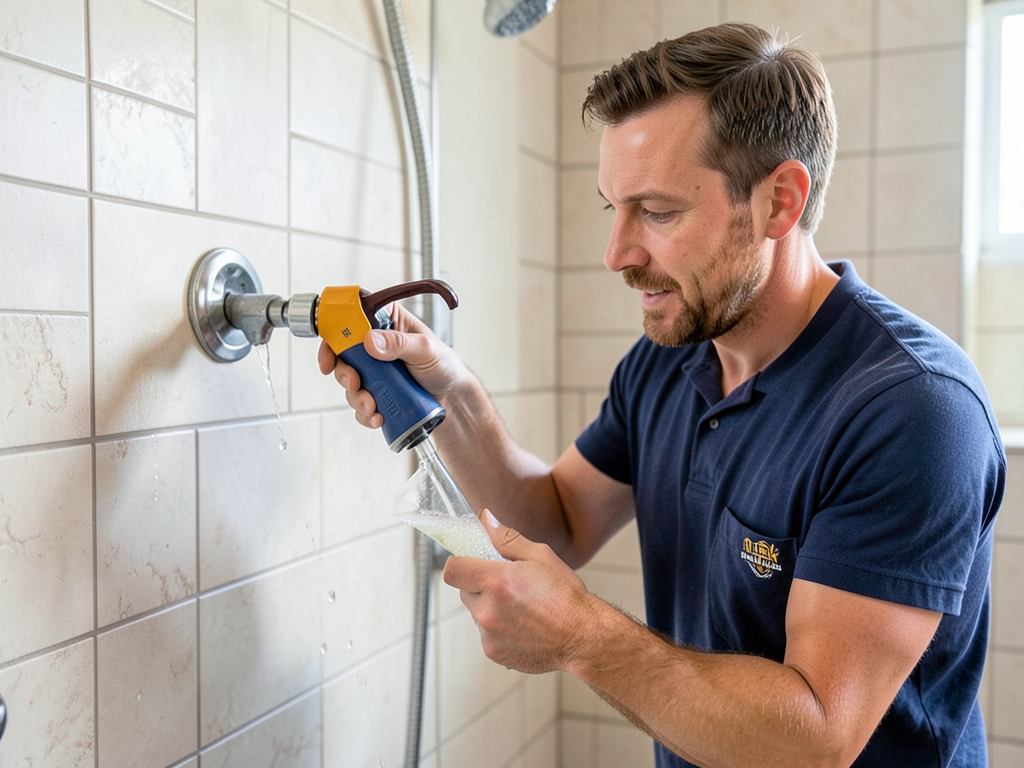
Removing White Crusty Buildup from Your Showerheads and Faucets White crusty buildup on your showerheads and faucets isn’t just an…

Removing White Crusty Buildup from Your Showerheads and Faucets

Removing White Crusty Buildup from Your Showerheads and Faucets White crusty buildup on your showerheads and faucets isn’t just an…

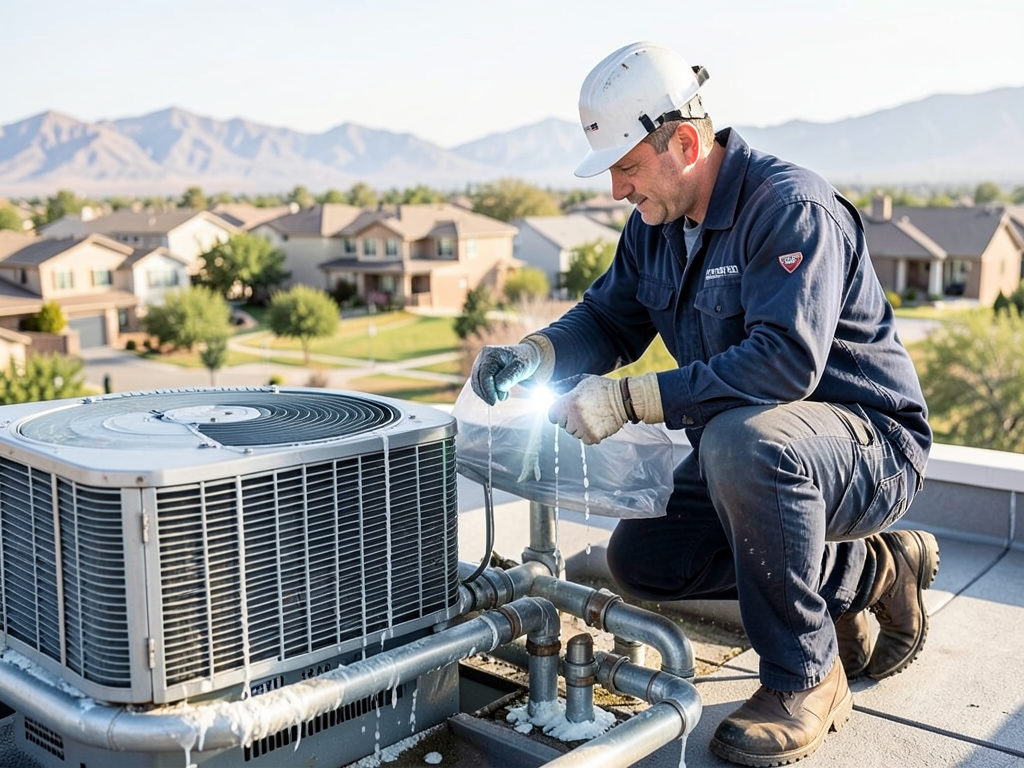
What to Do When Your Swamp Cooler Starts Leaking on Your Roof

What to Do When Your Swamp Cooler Starts Leaking on Your Roof A swamp cooler leaking onto your roof creates…

How to Prepare Your Outdoor Kitchen for a Salt Lake City Summer

How to Prepare Your Outdoor Kitchen for a Salt Lake City Summer Your outdoor kitchen needs more than just a…

Contact Us

Do not wait until your pipes freeze. Call Crestline Plumbing Salt Lake City at (385) 406-8899 to schedule your winterization assessment. We will identify your vulnerable areas and protect them before temperatures drop. Our crews are ready now.