menu

Industrial Pipe Repair in Salt Lake City – Minimize Downtime with Industrial-Grade Pipeline Solutions

Crestline Plumbing Salt Lake City delivers rapid industrial pipe restoration and process piping repair that keeps your facility operational, meets strict compliance standards, and prevents costly production halts across the Wasatch Front.

Slider Image 1
Slider Image 2
Slider Image 3
Slider Image 4
Slider Image 5
Slider Image 7
Slider Image 8
Slider Image 9
Slider Image 10
Slider Image 11

Why Industrial Piping Failures Cost Salt Lake City Businesses More Than Repairs

When an industrial pipeline fails in your Salt Lake City facility, you face more than a leak. You face halted production lines, contaminated materials, regulatory scrutiny, and lost revenue per hour.

Salt Lake City's extreme temperature swings between subzero winters and 100-degree summers create expansion and contraction stress on process piping systems. The high mineral content in municipal water accelerates corrosion in steel pipes. Facilities near the Great Salt Lake contend with elevated chloride exposure that attacks welds and joints. These local conditions shorten pipe lifespan and increase failure risk.

Manufacturing plants, food processing facilities, pharmaceutical operations, and chemical processors cannot tolerate unplanned shutdowns. A cracked steam line or corroded chemical transfer pipe means evacuations, environmental incident reports, and insurance claims. Industrial pipe restoration requires contractors who understand the technical demands of process piping repair, not residential plumbers attempting industrial work.

Your operation depends on piping systems that handle extreme pressures, temperatures, and corrosive substances. When failure occurs in a high-purity water loop or chemical feed line, the repair must meet ASME B31.3 standards and maintain system integrity. Generic industrial piping repair services miss critical details like weld procedure specifications, material traceability, and pressure testing protocols.

Salt Lake City's industrial corridor along I-15 and I-80 houses facilities with complex piping networks. Downtime cascades through supply chains. The repair contractor you select determines whether you restart in hours or days.

Why Industrial Piping Failures Cost Salt Lake City Businesses More Than Repairs
How We Execute Industrial Pipeline Repair Without Compromising Your Operations

How We Execute Industrial Pipeline Repair Without Compromising Your Operations

Crestline Plumbing Salt Lake City approaches industrial pipe repair as a business continuity problem first, a technical problem second.

We begin with system isolation planning. Before cutting into any line, we map your process flow, identify isolation points, and design temporary bypass configurations when possible. For facilities that cannot fully shut down, we install hot taps or freeze plugs to isolate sections while maintaining flow to critical equipment.

Our industrial piping repair services use material-specific repair methods. Cast iron process lines require different approaches than stainless steel sanitary piping. We perform metallurgical matching for weld repairs, use appropriate filler materials, and follow qualified weld procedures. For corroded sections, we assess remaining wall thickness with ultrasonic testing before determining if repair or replacement is required.

Leak repairs on pressurized systems use mechanical couplings rated for your operating pressure and temperature. We stock Victaulic, Dresser, and Smith-Blair couplings in sizes from two inches to 24 inches. For permanent repairs, we use full-penetration butt welds with radiographic testing on critical services.

Process piping repair often involves non-metallic materials like HDPE, CPVC, or fiber-reinforced plastic. We fusion-weld thermoplastics per ASTM F2620 and use proper solvent cementing techniques for chemical drain systems.

After repair completion, we perform pressure testing at 150 percent of operating pressure and document results. For steam systems, we verify proper drainage slopes and trap placement. For chemical lines, we flush and neutralize before returning to service.

Industrial pipe restoration preserves your asset value while meeting your timeline requirements.

What Happens During Your Industrial Pipe Repair Project

Industrial Pipe Repair in Salt Lake City – Minimize Downtime with Industrial-Grade Pipeline Solutions
01

Emergency Response and Assessment

We dispatch a crew within two hours of your call. Our technicians assess the failure location, evaluate environmental hazards, and implement containment measures. We review piping isometrics if available and identify the fastest isolation method. You receive a verbal scope and timeline estimate before work begins, allowing you to coordinate with production managers and update stakeholders on expected downtime duration.
02

Isolation and Repair Execution

We isolate the affected section using existing valves or temporary isolation methods. For weld repairs, we implement hot work permits and atmospheric monitoring. Our technicians use calibrated torque wrenches for bolted connections and certified welding procedures for permanent joints. We coordinate with your facility staff to minimize impact on adjacent systems and maintain safety protocols throughout the repair. Material procurement happens immediately for components not stocked on our trucks.
03

Testing and System Restoration

We pressure test all repairs before returning lines to service. Steam lines receive proper warm-up procedures to prevent thermal shock. Chemical lines get flushed with neutralizing solutions or appropriate solvents. You receive documentation including test results, materials used, and work performed for your maintenance records and regulatory files. We remain available for 24 hours post-startup to address any issues during the restart phase.

Why Salt Lake City Industrial Facilities Trust Our Pipeline Expertise

Industrial pipe repair separates contractors who understand process systems from those who handle basic plumbing. Crestline Plumbing Salt Lake City works with the technical complexity your facility demands.

We understand that your piping systems carry substances under strict regulatory oversight. Food processing plants must maintain 3-A sanitary standards. Pharmaceutical facilities require USP-grade water systems with proper passivation. Chemical processors need materials compatible with process fluids and proper secondary containment.

Salt Lake City's industrial base includes refineries, metal fabrication plants, electronics manufacturers, and large-scale food processors. Each industry has specific code requirements. We work within ASME B31.3 for process piping, ASME B31.1 for power piping, and ASME B31.9 for building services. Our familiarity with local inspectors and permit processes accelerates project timelines.

Your maintenance team needs a contractor who communicates in technical terms. When you describe a failure in a heat transfer loop or chemical dosing system, we understand system dynamics and potential root causes. We speak the language of pressure classes, schedule ratings, and material specifications.

We stock industrial-grade materials that residential suppliers do not carry. Our trucks hold high-pressure rated fittings, specialty gasket materials, and alloy pipe sections. When you need a repair at 2 a.m., we arrive with the correct components.

Salt Lake City facilities from the Poplar Grove industrial area to the Northwest Quadrant rely on contractors who minimize business interruption. We treat every hour of downtime as lost revenue and engineer solutions accordingly.

What to Expect When You Call for Industrial Pipe Repair

Rapid Response Timeline

We maintain on-call crews specifically for industrial emergencies. You receive a callback within 15 minutes and a crew arrival within two hours for emergency calls. For scheduled repairs, we coordinate with your maintenance windows and work overnight or weekends to avoid production hours. Our project timeline estimates account for inspection requirements, material lead times, and testing procedures. We provide daily progress updates to your facilities manager and adjust schedules as conditions change during the repair process.

Comprehensive System Evaluation

Our assessment goes beyond the visible failure point. We inspect upstream and downstream sections for corrosion, erosion, or stress indicators that suggest additional problems. We review system operating parameters to identify if pressure surges, water hammer, or thermal cycling contributed to failure. You receive a written evaluation detailing the root cause, recommended repairs, and preventive measures. For aging systems, we provide remaining service life estimates and replacement prioritization to help you budget future capital expenditures.

Code-Compliant Work Product

Every repair meets applicable codes and industry standards. Our welders maintain current certifications for the processes and materials your facility uses. We provide mill test reports for pipe materials and certified material test reports for fittings and flanges when required. Pressure testing follows ASME Section IX protocols with documented results. For systems requiring third-party inspection, we coordinate with your insurance carrier or jurisdiction authority. You receive complete documentation for your quality management system and regulatory compliance files.

Post-Repair Support and Monitoring

We remain engaged after system restart to verify repair performance. For critical systems, we return within 48 hours to inspect for leaks, verify proper operation, and address any concerns. You receive a direct contact number for the project supervisor. For facilities with recurring maintenance needs, we offer annual service agreements that include periodic inspections, emergency priority response, and preferential scheduling. Our maintenance programs identify problems before they cause failures, reducing your total cost of ownership.

Frequently Asked Questions

You Have Questions,
We Have Answers

How much does it typically cost to fix a broken pipe? +

Industrial pipe repair costs vary based on pipe material, diameter, accessibility, and damage severity. Small section repairs on accessible carbon steel lines may run lower, while high-pressure steam lines or stainless steel systems requiring hot work permits and shutdown coordination cost significantly more. Salt Lake City's freeze-thaw cycles often cause expansion joint failures and stress cracks in outdoor industrial piping, increasing complexity. Trenchless repairs typically cost more upfront than traditional excavation but reduce business downtime. Proper assessment identifies whether you need spot repair, sleeve installation, or full section replacement. Request detailed scope documentation before authorizing work to avoid change orders that disrupt operations.

What is the best way to fix a leaking pipe? +

The best repair method depends on pipe function, material, operating pressure, and accessibility. High-pressure process lines require welded repairs meeting ASME B31.3 code standards and often need facility shutdown. Low-pressure drain or condensate lines may accept mechanical couplings or epoxy sleeve systems that eliminate downtime. Salt Lake City industrial facilities face mineral buildup from hard water, which affects repair adhesion. Trenchless cured-in-place pipe lining works for larger diameter drain systems. Temporary clamp repairs provide emergency stopgaps but compromise long-term reliability. Professional assessment ensures code compliance, proper metallurgy matching, and minimal production interruption while maintaining system integrity and safety.

How much does a plumber charge to fix a leaking pipe? +

Industrial plumbers charge based on project scope, not simple hourly rates. Emergency calls for active leaks typically involve trip charges plus hourly rates for diagnosis and temporary containment. Permanent repairs require system assessment, material procurement, and often facility coordination for shutdown windows. Complex industrial environments in Salt Lake City manufacturing districts require licensed professionals familiar with process piping codes, confined space protocols, and OSHA compliance. Repairs on high-pressure steam systems or chemical process lines command premium rates due to liability and specialized welding certification requirements. Request itemized proposals covering labor, materials, permits, testing, and commissioning. Cheaper quotes often indicate shortcuts that create bigger problems and regulatory violations.

How long does epoxy pipe repair last? +

Epoxy pipe lining systems last 30 to 50 years when properly installed in appropriate applications. Performance depends on pipe material, operating temperature, pressure ratings, and chemical exposure. Salt Lake City's hard water chemistry can affect curing in potable systems. Epoxy works best for non-potable drain lines, condensate return systems, and low-pressure process piping below 180 degrees Fahrenheit. High-temperature steam lines or pipes carrying aggressive chemicals require different solutions. Installation quality matters significantly. Poor surface preparation, inadequate mixing ratios, or rushed curing compromise longevity. The system must match your specific operating conditions. Verify the contractor provides material certifications and follows manufacturer installation protocols exactly.

Is it cheaper to replace or repair pipes? +

Replacement makes financial sense when repair costs exceed 60 percent of replacement value or when pipes show systemic deterioration. Single isolated failures in otherwise sound systems justify targeted repairs. However, facilities with recurring leaks, widespread corrosion, or pipes exceeding design life should replace entire sections. Salt Lake City's mineral-heavy water accelerates corrosion in aging carbon steel systems, making proactive replacement more cost-effective than endless spot repairs. Consider operational costs. Frequent emergency repairs cause production interruptions and overtime labor expenses that exceed planned replacement during scheduled shutdowns. Factor in energy efficiency gains from modern piping materials and improved insulation. Proper lifecycle analysis prevents false economy from choosing cheap repairs over strategic replacement.

Does insurance cover pipe repair? +

Commercial property insurance typically covers sudden pipe failures from freezing, mechanical damage, or equipment malfunction but excludes gradual deterioration from deferred maintenance. Salt Lake City facilities must document regular inspection programs to maintain coverage eligibility. Policies often exclude earth movement damage unless you carry separate coverage. Business interruption insurance may cover production losses during repairs if you meet policy conditions. Underground pipe failures require careful documentation of cause. Corrosion from age rarely qualifies, but third-party excavation damage usually does. Review your policy's maintenance clauses carefully. Insurers deny claims when inspection records show neglected systems. Consult your broker before major repairs to understand coverage limits and deductible structures.

Does flex seal really stop water leaks? +

Flex Seal and similar spray products provide temporary containment for minor residential applications but fail catastrophically in industrial environments. These products cannot withstand process pressures, elevated temperatures, or chemical exposure common in manufacturing facilities. Salt Lake City industrial operations require code-compliant repairs meeting pressure vessel and piping standards. Temporary coatings mask underlying problems without addressing root causes. They prevent proper visual inspection and can trap moisture, accelerating corrosion beneath the coating. Insurance carriers and regulatory inspectors reject these solutions. Industrial facilities face liability exposure when unqualified repairs fail and cause property damage, injury, or environmental releases. Use proper mechanical repairs or certified epoxy systems meeting applicable codes.

What is the best sealant for a leaking pipe? +

No universal sealant exists for industrial applications. Thread sealants like PTFE tape work for threaded connections under 250 psi. Anaerobic thread sealants handle higher pressures and vibration in hydraulic systems. Epoxy putty sticks provide temporary patches for pinhole leaks in non-critical lines. Structural epoxy sleeves reinforced with fiberglass handle moderate pressures when properly installed. However, high-pressure steam, compressed air, or chemical process lines require welded repairs or mechanical sleeve systems meeting ASME standards. Salt Lake City facilities must comply with local building codes and industry-specific regulations. The correct solution depends on pipe material, contents, operating conditions, and code requirements. Professional assessment prevents catastrophic failures from inappropriate repair methods.

How to fix a leaking pipe without removing it? +

Trenchless repair methods address leaks without excavation or pipe removal. Cured-in-place pipe lining installs epoxy sleeves through access points, sealing leaks from inside. Mechanical pipe clamps and sleeves bolt around damaged sections, containing leaks through compression gaskets. These work for accessible above-ground industrial piping. Injection grouting seals leaks in buried concrete or clay lines by pumping chemical grout through the pipe wall. Salt Lake City's rocky soil conditions make trenchless methods cost-effective for buried lines. However, these solutions require professional equipment and expertise. Improper installation creates worse problems than original leaks. Critical systems and high-pressure applications often require traditional cut-and-replace methods despite higher costs and longer downtime.

How much would a plumber charge for 3 hours? +

Industrial plumbing contractors typically work on project basis rather than simple three-hour blocks. Service calls involve minimum charges covering mobilization, equipment, and diagnostic time regardless of actual hours worked. Salt Lake City industrial facilities require contractors to meet site-specific safety requirements, obtain hot work permits, and coordinate with production schedules. These administrative tasks add overhead beyond wrench time. Emergency service commands premium rates, often 150 to 200 percent of standard billing. Complex industrial environments require journey-level technicians with specialized certifications in welding, backflow prevention, or medical gas systems. Request detailed proposals specifying scope, materials, labor rates, and project timelines rather than focusing on hourly rates alone.

How Salt Lake City's Water Chemistry Accelerates Industrial Pipe Corrosion

Salt Lake City municipal water contains 300 to 400 mg/L total dissolved solids, significantly higher than the national average. Calcium, magnesium, and carbonate concentrations create aggressive scaling conditions in heat exchangers and boiler feed systems. Industrial facilities using city water for process cooling or steam generation experience accelerated corrosion on carbon steel piping and tube bundles. The chloride content, while within drinking water standards, attacks stainless steel welds and creates pitting corrosion in high-temperature applications. Facilities near the Great Salt Lake face atmospheric chloride exposure that penetrates insulation and corrodes external pipe surfaces. These local water chemistry factors require industrial pipe restoration methods specific to mineral deposit removal and corrosion-resistant materials.

Salt Lake City's industrial sector operates under Utah Division of Water Quality regulations for wastewater discharge and stormwater management. Process piping repairs involving chemical systems require proper containment and documentation for environmental compliance. Facilities with hazardous materials face additional scrutiny from the Salt Lake Valley Health Department. Local contractors familiar with these jurisdictions navigate permit processes faster and understand inspection expectations. Industrial piping repair services must account for proper disposal of removed materials, especially pipes containing process residues or insulation with hazardous components. Choosing contractors with established relationships with local inspectors and environmental compliance experience reduces project delays and regulatory risk.
Plumbing Services in The Salt Lake City Area

We are proud to be a locally owned and operated business, dedicated to serving the entire Salt Lake City area and surrounding communities. Use the map below to pinpoint our location or to better understand our full service coverage across the region. If you need immediate assistance or would like to confirm that your home or business is within our guaranteed service area, please call our office directly—our warm, professional team is always ready to dispatch an expert to your location quickly.

Address:
Crestline Plumbing Salt Lake City, 222 S Main St, Salt Lake City, UT, 84101

Additional Services We Offer

Our news updates

Latest Articles & News from The Blogs

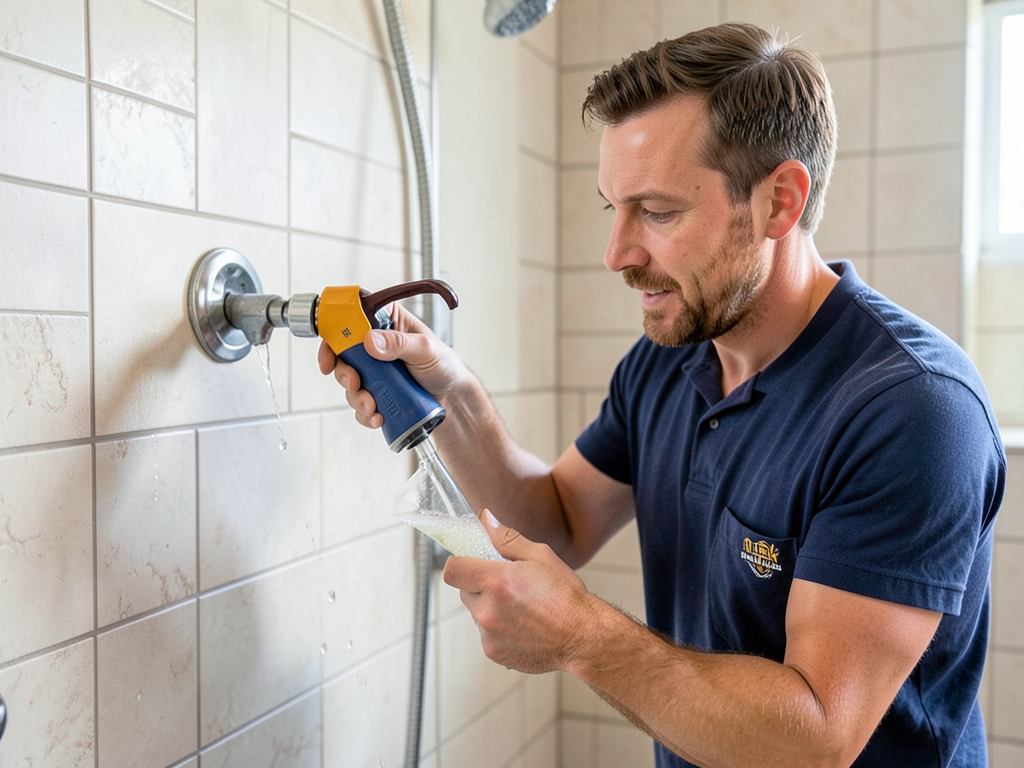
Removing White Crusty Buildup from Your Showerheads and Faucets White crusty buildup on your showerheads and faucets isn’t just an…

Removing White Crusty Buildup from Your Showerheads and Faucets

Removing White Crusty Buildup from Your Showerheads and Faucets White crusty buildup on your showerheads and faucets isn’t just an…

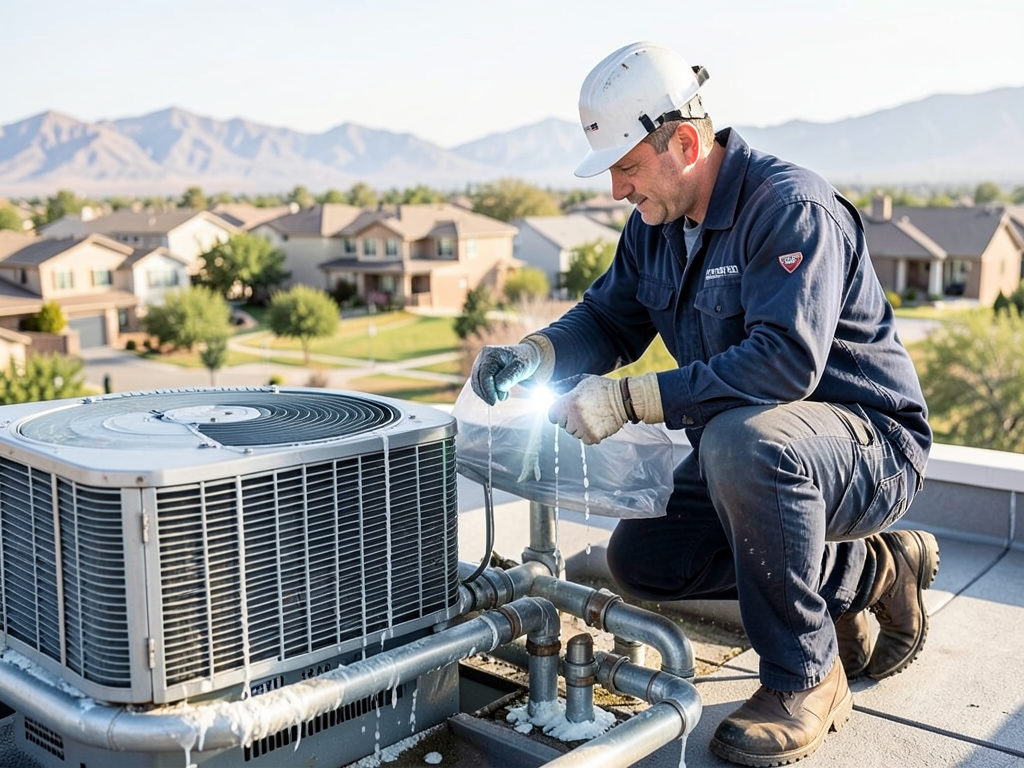
What to Do When Your Swamp Cooler Starts Leaking on Your Roof

What to Do When Your Swamp Cooler Starts Leaking on Your Roof A swamp cooler leaking onto your roof creates…

How to Prepare Your Outdoor Kitchen for a Salt Lake City Summer

How to Prepare Your Outdoor Kitchen for a Salt Lake City Summer Your outdoor kitchen needs more than just a…

Contact Us

Your facility cannot afford extended downtime. Call Crestline Plumbing Salt Lake City at (385) 406-8899 for immediate industrial pipe repair. We respond to emergencies 24/7 and provide scheduled maintenance services that prevent failures before they halt operations.