
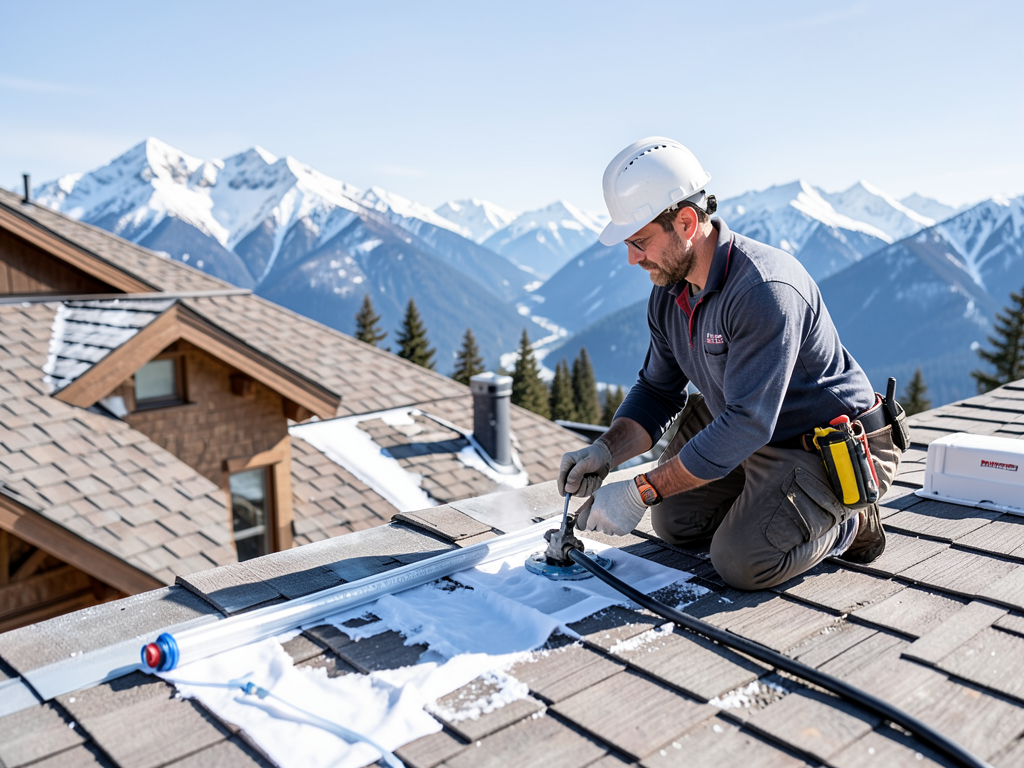
Installing Heat Tape to Prevent Frozen Pipes and Ice Dams in Your Park City Home
Winter in Summit County brings heavy snowfall and freezing temperatures that can cause serious damage to your Park City home. Ice dams form when heat escapes through your roof, melting snow that refreezes at the eaves. This creates dangerous ice buildup that can tear off gutters, damage roofing materials, and cause water to back up under shingles. Meanwhile, exposed pipes in crawlspaces and exterior walls face the constant threat of freezing and bursting. Best Water Softener Installation Services in Salt Lake City to Fight Hard Water.
Professional heat tape installation provides a reliable solution by creating controlled warmth along your roof edges and vulnerable pipes. Unlike cheap hardware store kits, commercial-grade self-regulating cables automatically adjust their heat output based on temperature, providing consistent protection while minimizing energy consumption. This comprehensive guide explains everything you need to know about protecting your Park City property from winter’s worst effects. UL certification standards for electrical heating products.
Why Park City Homes Require Specialized Heat Cable Systems
Park City’s unique mountain climate creates conditions that standard heat tape systems cannot handle. The area receives an average of 300 inches of snow annually, with temperatures frequently dropping below zero degrees Fahrenheit. These extreme conditions cause freeze-thaw cycles that stress roofing materials and create ideal conditions for ice dam formation.
Local building codes in Summit County require specific installation standards for heat cable systems. The International Mechanical Code Section 1303.3 mandates that all roof de-icing systems must include ground-fault protection and be installed by licensed professionals. Additionally, the Utah Division of Fire Safety requires that all exterior heat applications carry proper UL certification for high-altitude use. National Association of Certified Home Inspectors ice dam information.
The elevation of Park City, sitting at approximately 7,000 feet above sea level, affects how heat cables perform. Standard systems designed for lower elevations may not provide adequate protection at this altitude due to reduced oxygen levels and different thermal dynamics. Professional installers must account for these factors when designing your system.
Many Park City homes feature complex roof designs with multiple valleys, dormers, and steep pitches. These architectural elements create additional challenges for ice dam prevention. A professional assessment identifies problem areas where heat cables need to be installed to provide complete protection.
Our Precision Installation Process
Professional heat tape installation follows a systematic approach that ensures maximum protection and system longevity. The process begins with a thorough inspection of your roof, gutters, and vulnerable plumbing areas. Reliable Plumbing Repair for Historic Homes in The Avenues.
Step one involves clearing all debris from roof valleys, gutters, and downspouts. Leaves, pine needles, and other materials can trap moisture and reduce the effectiveness of heat cables. This cleaning step is critical for proper system function.
Next, our technicians map out the optimal cable route. This includes installing cables along roof eaves, in valleys where ice typically accumulates, and around plumbing vents where heat loss creates melting points. The layout must provide complete coverage while avoiding excessive overlap that wastes energy.
Clip placement represents a critical installation step. Professional-grade clips secure the cable to your roofing material without causing damage. These clips must be spaced correctly to prevent sagging and ensure consistent heat distribution across the entire system.
Electrical integration involves connecting the system to a dedicated GFCI-protected circuit. This safety feature prevents electrical shock and automatically shuts off power if a fault occurs. The circuit must be properly sized to handle the cable load without tripping breakers during extreme cold.
Final testing verifies that all sections of the system heat properly and that temperature sensors respond correctly to changing conditions. This quality control step ensures your system will function reliably when winter storms hit.
Self-Regulating vs. Constant Wattage: Choosing the Right Solution
Understanding the difference between heat cable types helps you make an informed decision about protecting your Park City home. Self-regulating cables automatically adjust their heat output based on ambient temperature, while constant wattage systems provide uniform heat regardless of conditions.
Self-regulating cables contain a special polymer core that increases electrical resistance as temperatures drop. This causes the cable to generate more heat when it gets colder and less heat when temperatures moderate. This adaptive technology typically uses 30-40% less electricity than constant wattage systems.
Constant wattage cables maintain the same heat output regardless of temperature. While initially less expensive, these systems can create hot spots and use more energy over time. They also pose a higher fire risk if installed incorrectly or covered by debris.
For Park City’s extreme climate, self-regulating cables offer several advantages. They provide consistent protection across varying roof temperatures, automatically shut off during warm spells to save energy, and have a longer operational lifespan. Most professional-grade self-regulating cables carry warranties of 10-20 years.
Energy efficiency becomes particularly important in Park City where winter electricity rates can spike during heavy usage periods. Self-regulating systems help control utility costs while maintaining reliable protection against ice dams and frozen pipes.
Safety and Compliance
Heat tape installation involves electrical work that must meet strict safety standards. The National Electrical Code Article 426 covers fixed electric heating equipment for pipes and roofs. This code requires proper grounding, overcurrent protection, and weatherproof connections for all outdoor installations.. Read more about Upgrading to Frost-Proof Outdoor Faucets for Your Highland Park Garden.
GFCI protection is mandatory for all exterior heat cable circuits. These devices detect ground faults and interrupt power within milliseconds, preventing potentially fatal shocks. Every heat tape system we install includes GFCI protection at both the breaker panel and the outlet level.
Professional installation ensures compliance with local building codes and manufacturer warranties. DIY installations often void warranties and may create fire hazards through improper wiring or inadequate support clips. Insurance companies may deny claims for damage caused by non-compliant installations.
Roof material compatibility is another safety consideration. Heat cables must be installed using methods appropriate for your specific roofing material. Asphalt shingles, metal roofing, and tile each require different installation techniques to prevent damage and ensure proper heat transfer.. Read more about Everything to Consider Before Installing a Hot Tub at Your Park City Retreat.
Fire safety represents a critical concern in mountain homes where fire departments may take longer to respond. Professional installations include thermal cutoffs that automatically shut down the system if temperatures exceed safe levels. This protection prevents the cable from overheating and potentially igniting nearby materials.
Service Areas and Neighborhoods
We provide professional heat tape installation throughout Park City and surrounding Summit County communities. Our service area includes Deer Valley, Old Town, Snyderville Basin, and the mountain neighborhoods where winter weather creates the most challenging conditions.
Residents of Promontory and Silver Springs benefit from our understanding of the specific challenges these luxury properties face. High-end homes often have complex roof designs that require custom heat cable solutions to protect expensive roofing materials and architectural features.
Pinebrook and Jeremy Ranch homeowners trust our team because we understand the unique exposure these areas have to winter storms. These neighborhoods sit at higher elevations where temperatures drop lower and snow accumulates deeper than in downtown Park City.
We also serve the Kimball Junction area where many second homeowners need reliable winter protection for properties they don’t occupy full-time. Our systems include remote monitoring options that alert you to any issues before they cause damage.
Each neighborhood in our service area has specific characteristics that affect heat tape performance. We factor in local wind patterns, sun exposure, and typical snow loads when designing your system to ensure optimal protection.
Frequently Asked Questions
How much does professional heat tape installation cost in Park City?
Installation costs vary based on roof size, complexity, and system type. A typical Park City home requires between 100-300 feet of heat cable, with professional installation ranging from $1,500 to $4,000. Self-regulating systems cost more upfront but save money through reduced energy consumption over time.
When is the best time to install heat tape in Summit County?
Fall installation, typically September through November, provides the best results. This timing allows you to address any roof repairs before winter and ensures your system is operational before the first major snowstorm. Spring installations are also possible but may face weather delays. Burst Pipe Repair.
How long do heat tape systems last in Park City’s climate?
Professional-grade self-regulating cables typically last 15-20 years in Park City’s harsh conditions. Constant wattage systems may need replacement every 5-10 years. Regular maintenance and proper installation significantly extend system lifespan.
Can I install heat tape myself to save money?
DIY installation voids most manufacturer warranties and may violate local building codes. Improper installation creates fire hazards and can damage your roof. Professional installation includes proper electrical connections, secure mounting, and warranty protection that DIY kits cannot provide.
How much electricity does a heat tape system use?
A typical Park City home’s heat tape system uses 500-1,500 watts when operating. Self-regulating systems use significantly less energy than constant wattage alternatives. Many homeowners report monthly winter electricity increases of $30-80, which is minimal compared to potential ice dam repair costs.
Maintenance and Troubleshooting
Regular maintenance ensures your heat tape system operates reliably throughout winter. Annual inspections should occur before the first freeze to identify any damage from summer weather or wildlife.
Testing your system before winter arrives helps identify problems early. Most self-regulating cables should feel warm to the touch within 30 minutes of power application. If sections remain cold, this indicates a break in the cable or a failed connection.
Debris accumulation can reduce system effectiveness. Fall cleaning removes leaves and pine needles that might trap moisture against the cable. This maintenance step prevents hot spots and extends cable life.
Thermostat and controller maintenance ensures your system operates only when needed. Many modern systems include sensors that activate heat tape only when temperatures drop below freezing and moisture is present. These controls should be tested annually to verify proper operation.
Professional service calls can address issues like cable breaks, failed connections, or controller malfunctions. Most problems are easily repaired if caught early, preventing the need for complete system replacement.
Environmental Impact and Energy Efficiency
Modern heat tape technology has significantly reduced environmental impact compared to older systems. Self-regulating cables minimize energy waste by providing heat only when and where needed.
Smart controllers can further reduce energy consumption by integrating weather forecasts and temperature sensors. These systems prevent unnecessary operation during warm spells or when roofs are already clear of snow.
Energy-efficient heat tape systems contribute to overall home energy conservation. By preventing ice dams, these systems reduce the need for mechanical snow removal and minimize heat loss through damaged roofing materials.
Many Park City homeowners combine heat tape with improved attic insulation and ventilation. This integrated approach addresses the root causes of ice dam formation while providing backup protection through heat cables.
Solar-powered controllers offer an environmentally friendly option for powering heat tape systems. These units charge during sunny winter days and provide power when temperatures drop at night.
Additional Winter Protection Strategies
Heat tape works best as part of a comprehensive winter protection plan. Proper attic insulation prevents heat from escaping through your roof and creating the conditions that cause ice dams.
Roof ventilation allows cold air to circulate under your roof deck, maintaining uniform roof temperatures that prevent snow melt. Ridge vents, soffit vents, and gable vents work together to create effective airflow.
Rain gutter guards prevent debris accumulation that can trap ice and damage gutters. These guards work in conjunction with heat cables to keep water flowing freely through your drainage system. Expert Drain Cleaning in Sandy UT for Stubborn Clogs.
Pipe insulation provides additional protection for vulnerable plumbing. While heat tape offers primary protection, insulating pipes in crawlspaces and exterior walls provides backup protection if the heat tape system fails.
Emergency shut-off valves allow you to quickly isolate water supply if pipes do freeze. These valves should be easily accessible and clearly marked for quick operation during emergencies. Water Main Leak Detection and Repair in Holladay.
Cost-Benefit Analysis for Park City Homeowners
Investing in professional heat tape installation provides significant financial protection for Park City homeowners. Ice dam damage can cost thousands of dollars to repair, while a complete heat tape system costs a fraction of potential repair bills.
Insurance premiums may decrease with professional heat tape installation. Many insurance companies offer discounts for homes with certified ice dam prevention systems, recognizing the reduced risk of winter damage claims.
Property value can increase with professional winter protection systems. Potential buyers view heat tape installation as a valuable feature that reduces maintenance costs and protects their investment.
Energy savings from self-regulating systems offset some of the initial installation costs. These systems use significantly less electricity than constant wattage alternatives while providing equal or better protection.
The peace of mind that comes with professional installation is difficult to quantify but valuable for second homeowners who cannot monitor their properties during winter storms.
Choosing the Right Contractor
Selecting a qualified heat tape installer requires careful consideration. Look for contractors with specific experience in Park City’s climate and mountain home construction techniques.
Licensing and insurance are non-negotiable requirements. Your contractor should carry both general liability and workers’ compensation insurance, and all electricians should be licensed in Utah.
Warranty coverage varies significantly between contractors. Look for companies that offer both product warranties from manufacturers and workmanship guarantees covering installation quality.
References from other Park City homeowners provide valuable insight into contractor reliability and work quality. Ask to see examples of completed installations similar to your home’s design and size.
Emergency service availability is important for heat tape systems. Choose a contractor who offers winter service calls and has technicians available during storms when problems are most likely to occur.
Communication and transparency throughout the process indicate a professional operation. Your contractor should explain system design, provide detailed proposals, and keep you informed throughout installation.
Don’t wait until winter storms arrive to protect your Park City home. Call (385) 406-8899 today to schedule your heat tape installation consultation. Our experienced team will assess your property’s specific needs and design a system that provides reliable protection throughout the coldest months.
Pick up the phone and call (385) 406-8899 before the next storm hits. Professional heat tape installation is the smartest investment you can make to protect your Park City home from winter’s damaging effects.
{
“@context”: “https://schema.org”,
“@type”: “BlogPosting”,
“headline”: “Installing Heat Tape to Prevent Frozen Pipes and Ice Dams in Your Park City Home”,
“description”: “Protect your Park City property from winter damage with professional heat tape installation. Learn how self-regulating cables prevent frozen pipes and ice dams.”,
“wordCount”: 2378,
“datePublished”: “2026-05-30T07:33:00.000Z”,
“dateModified”: “2026-05-30T07:33:00.000Z”,
“inLanguage”: “en-US”,
“mainEntityOfPage”: {
“@type”: “WebPage”,
“@id”: “https://crestlineplumbingsaltlakecity.com”
},
“publisher”: {
“@type”: “LocalBusiness”,
“name”: “Crestline Plumbing Salt Lake City”,
“url”: “https://crestlineplumbingsaltlakecity.com”
},
“author”: {
“@type”: “Organization”,
“name”: “Crestline Plumbing Salt Lake City”,
“url”: “https://crestlineplumbingsaltlakecity.com”
},
“image”: {
“@type”: “ImageObject”,
“url”: “https://crestlineplumbingsaltlakecity.com/wp-content/uploads/2026/03/installing-heat-tape-to-prevent-frozen-pipes-and-i-1.png”
}
}
{
“@context”: “https://schema.org”,
“@type”: “Plumber”,
“name”: “Crestline Plumbing Salt Lake City”,
“url”: “https://crestlineplumbingsaltlakecity.com”,
“address”: {
“@type”: “PostalAddress”,
“addressLocality”: “Salt Lake City”
},
“areaServed”: {
“@type”: “City”,
“name”: “Salt Lake City”
}
}
{
“@context”: “https://schema.org”,
“@type”: “FAQPage”,
“mainEntity”: [
{
“@type”: “Question”,
“name”: “How much does professional heat tape installation cost in Park City?”,
“acceptedAnswer”: {
“@type”: “Answer”,
“text”: “Installation costs vary based on roof size, complexity, and system type. A typical Park City home requires between 100-300 feet of heat cable, with professional installation ranging from $1,500 to $4,000. Self-regulating systems cost more upfront but save money through reduced energy consumption over time.”
}
},
{
“@type”: “Question”,
“name”: “When is the best time to install heat tape in Summit County?”,
“acceptedAnswer”: {
“@type”: “Answer”,
“text”: “Fall installation, typically September through November, provides the best results. This timing allows you to address any roof repairs before winter and ensures your system is operational before the first major snowstorm. Spring installations are also possible but may face weather delays. Burst Pipe Repair.”
}
},
{
“@type”: “Question”,
“name”: “How long do heat tape systems last in Park City’s climate?”,
“acceptedAnswer”: {
“@type”: “Answer”,
“text”: “Professional-grade self-regulating cables typically last 15-20 years in Park City’s harsh conditions. Constant wattage systems may need replacement every 5-10 years. Regular maintenance and proper installation significantly extend system lifespan.”
}
},
{
“@type”: “Question”,
“name”: “Can I install heat tape myself to save money?”,
“acceptedAnswer”: {
“@type”: “Answer”,
“text”: “DIY installation voids most manufacturer warranties and may violate local building codes. Improper installation creates fire hazards and can damage your roof. Professional installation includes proper electrical connections, secure mounting, and warranty protection that DIY kits cannot provide.”
}
},
{
“@type”: “Question”,
“name”: “How much electricity does a heat tape system use?”,
“acceptedAnswer”: {
“@type”: “Answer”,
“text”: “A typical Park City home’s heat tape system uses 500-1,500 watts when operating. Self-regulating systems use significantly less energy than constant wattage alternatives. Many homeowners report monthly winter electricity increases of $30-80, which is minimal compared to potential ice dam repair costs.”
}
}
]
}
{
“@context”: “https://schema.org”,
“@type”: “BreadcrumbList”,
“itemListElement”: [
{
“@type”: “ListItem”,
“position”: 1,
“name”: “Home”,
“item”: “https://crestlineplumbingsaltlakecity.com”
},
{
“@type”: “ListItem”,
“position”: 2,
“name”: “Blog”,
“item”: “https://crestlineplumbingsaltlakecity.com/blog”
},
{
“@type”: “ListItem”,
“position”: 3,
“name”: “Installing Heat Tape to Prevent Frozen Pipes and Ice Dams in Your Park City Home”
}
]
}
{
“@context”: “https://schema.org”,
“@type”: “Service”,
“serviceType”: “Plumbing”,
“provider”: {
“@type”: “LocalBusiness”,
“name”: “Crestline Plumbing Salt Lake City”,
“url”: “https://crestlineplumbingsaltlakecity.com”
},
“areaServed”: {
“@type”: “City”,
“name”: “Salt Lake City”
},
“description”: “Protect your Park City property from winter damage with professional heat tape installation. Learn how self-regulating cables prevent frozen pipes and ice dams.”
}