menu

Low Water Pressure Issues in Salt Lake City – Fast Diagnosis and Permanent Fixes for Weak Flow

When you turn on your faucet or step into the shower and get a disappointing trickle instead of steady flow, you need expert diagnosis and permanent solutions for low water pressure issues that actually restore full pressure throughout your home.

Slider Image 1
Slider Image 2
Slider Image 3
Slider Image 4
Slider Image 5
Slider Image 7
Slider Image 8
Slider Image 9
Slider Image 10
Slider Image 11

Why Salt Lake City Homes Experience Chronic Low Water Pressure

You turn on the shower and barely get enough flow to rinse shampoo. The kitchen faucet takes forever to fill a pot. Your washing machine cycle drags on endlessly. Weak water pressure transforms simple daily tasks into frustrating ordeals.

In Salt Lake City, decreased water pressure stems from specific local factors. The valley's aging infrastructure means many neighborhoods east of State Street still run on galvanized pipes installed in the 1950s and 1960s. These pipes corrode from the inside out, creating mineral buildup that chokes flow. The city's hard water, which carries high concentrations of calcium and magnesium from the Wasatch Mountain runoff, accelerates this corrosion process.

Poor water pressure also traces to the pressure-reducing valves (PRVs) that most Salt Lake City homes require. The city's municipal water system delivers 120-150 PSI to compensate for elevation changes from the benches down to the valley floor. Your PRV steps this down to a safe 50-60 PSI, but when these valves fail or get clogged with sediment, you get loss of water pressure throughout the entire house.

Homes in the Avenues and foothill neighborhoods face additional challenges. The elevation gain means water must work harder to reach upper floors. A weak PRV or corroded supply line that causes marginal pressure at street level becomes a serious low water flow problem by the time it reaches your second-story bathroom.

Seasonal factors matter too. Summer irrigation demand across the valley can temporarily reduce municipal pressure, exposing underlying issues with your home's plumbing that you might not notice during winter months.

Why Salt Lake City Homes Experience Chronic Low Water Pressure
How We Diagnose and Restore Full Water Pressure

How We Diagnose and Restore Full Water Pressure

Fixing low water pressure requires diagnostic precision, not guesswork. We start by testing static pressure at your main water line using calibrated gauges. This baseline reading tells us if your municipal supply delivers adequate pressure or if the problem originates upstream.

Next, we test dynamic pressure at multiple fixtures simultaneously. Running two showers, the kitchen faucet, and a washing machine reveals whether your system maintains pressure under load or if you have a capacity issue. A significant pressure drop during this test points to undersized supply lines, a failing PRV, or a restriction in your main line.

We inspect your pressure-reducing valve carefully. This device sits where your main line enters the house, typically in the basement or crawl space. A malfunctioning PRV can cut incoming pressure by 40-60 percent. We test both upstream and downstream pressure to verify the valve maintains the correct differential. If the valve sticks closed or gets packed with sediment, we replace it with a properly sized unit.

For homes with galvanized supply lines, we perform a pipe inspection to assess internal corrosion. Galvanized pipes deteriorate predictably, with horizontal runs failing first as sediment settles and accelerates rust formation. We may run a camera scope through accessible sections or perform flow tests that reveal restriction patterns consistent with scaling.

We also check for hidden leaks. A concealed slab leak or underground supply line failure can drop system pressure without obvious water damage. We use acoustic leak detection equipment to identify pressure loss between the meter and your home.

Crestline Plumbing Salt Lake City uses pressure mapping to isolate problems to specific zones. This systematic approach identifies whether you need PRV replacement, partial or full repiping, or fixture-specific repairs.

What Happens During Your Pressure Restoration Service

Low Water Pressure Issues in Salt Lake City – Fast Diagnosis and Permanent Fixes for Weak Flow
01

Comprehensive Pressure Testing

We arrive with professional-grade pressure gauges and testing equipment to measure static and dynamic pressure at your main line, water heater, and key fixtures. This diagnostic phase takes 30-45 minutes and identifies exactly where pressure drops occur. You watch the readings in real-time and understand precisely what causes your weak water pressure before we recommend any repair.
02

Targeted Repair or Replacement

Based on test results, we execute the specific fix your system needs. This might mean replacing a failing PRV, clearing a clogged main line, repairing a leak, or replacing corroded supply pipes. We use PEX or copper for all repiping work, materials that resist Salt Lake City's hard water and maintain full flow for decades. Every connection gets pressure-tested before we close walls.
03

Verification and Documentation

After completing repairs, we retest pressure at every fixture to verify you have strong, consistent flow throughout the house. We document before and after pressure readings and explain what we fixed and why it works. You get written documentation of all pressure tests, parts installed, and recommendations for maintaining optimal flow. We show you where your PRV and shutoff valves are located.

Why Salt Lake City Homeowners Choose Crestline Plumbing for Pressure Problems

Low water pressure diagnosis separates experienced plumbers from parts changers. Many technicians replace the PRV automatically without testing whether that valve actually causes the problem. This wastes your money and leaves the real issue unresolved.

We know Salt Lake City's plumbing infrastructure intimately. We understand which neighborhoods have galvanized supply lines, where the city's pressure zones create elevation challenges, and how local water chemistry affects different pipe materials. This geographic knowledge speeds diagnosis and ensures we recommend solutions appropriate to your specific location.

The Avenues, Capitol Hill, and east bench homes present unique challenges. These older neighborhoods often have undersized supply lines that met 1940s demand but cannot support modern fixtures and appliances. We have extensive experience repiping these historic homes while respecting original architecture and minimizing wall damage.

For newer developments in Daybreak, South Jordan, and Herriman, we see different issues. Builders sometimes install PRVs set too conservatively, sacrificing pressure for perceived safety. We adjust or replace these valves to deliver the strong flow your fixtures need while staying within safe operating parameters.

Crestline Plumbing Salt Lake City invests in diagnostic equipment that most plumbing companies skip. Our acoustic leak detectors, pressure data loggers, and pipe inspection cameras find problems other technicians miss. This technology means fewer exploratory repairs and more first-time fixes.

We also understand local code requirements. Salt Lake City requires PRVs on most residential services, backflow preventers in specific situations, and proper expansion tanks when PRVs are installed. We ensure your pressure restoration work meets all current codes and passes inspection if required for permit work.

What to Expect From Your Water Pressure Service

Rapid Response and Flexible Scheduling

We understand that poor water pressure disrupts your entire household. You cannot shower properly, laundry takes twice as long, and basic cleaning becomes difficult. We offer same-day diagnostic appointments for most service calls and can often complete simple repairs like PRV replacement during the initial visit. For more extensive work like partial repiping, we schedule efficiently to minimize disruption. Our technicians arrive on time with fully stocked trucks, eliminating delays for parts runs. Most pressure restoration projects finish within one to two days depending on scope.

Thorough Diagnostic Process

Our diagnostic approach removes guesswork from pressure problems. We test your system methodically, measuring pressure at multiple points and under various load conditions. You receive clear explanations of what we find, why it causes weak flow, and which repair options make sense for your situation and budget. We never push unnecessary work. If your pressure problem traces to a simple aerator cleaning or valve adjustment, we handle it quickly and charge accordingly. When major repairs are needed, we explain exactly what failed and why replacement beats temporary fixes.

Lasting Pressure Restoration

When we complete your pressure restoration, you notice the difference immediately. Showers deliver strong, consistent spray. Faucets fill containers quickly. Your washing machine and dishwasher operate at proper efficiency. We use quality components designed for Salt Lake City's water conditions. PRVs from reputable manufacturers with replaceable cartridges, PEX or Type L copper for supply lines, and properly sized pipes that maintain flow under peak demand. Every repair gets pressure-tested to verify it meets performance standards. You get documentation of all work completed and pressure readings achieved.

Ongoing Support and Maintenance

After restoring your water pressure, we provide guidance on maintaining optimal performance. This includes recommended intervals for PRV inspection, advice on water softener settings that protect pipes without causing problems, and signs that indicate developing issues before they become emergencies. If you experience any pressure changes after our work, we respond quickly to verify the repair and address any concerns. We maintain detailed service records so future technicians understand your system's history. For homes with older plumbing infrastructure, we can establish a monitoring schedule that catches corrosion and scaling before they significantly impact flow.

Frequently Asked Questions

You Have Questions,
We Have Answers

What is the most common cause of low water pressure? +

Mineral buildup in pipes causes most low water pressure in Salt Lake City homes. Our hard water contains high levels of calcium and magnesium that accumulate inside galvanized steel pipes over decades. This narrows the pipe diameter and restricts flow. Older homes built before 1980 face this issue most often. Other common causes include partially closed shutoff valves, failing pressure regulators, corroded pipe sections, and sediment clogging aerators or fixtures. In winter, frozen pipes can also restrict flow. A plumber can pinpoint whether the problem affects your entire home or just specific fixtures.

How to fix low water pressure? +

Fixing low water pressure depends on the root cause. Start by checking if the main shutoff valve is fully open. Clean aerators on faucets and showerheads to remove sediment. If your pressure regulator failed, a plumber needs to replace it. Mineral-clogged pipes require repiping with copper or PEX. Salt Lake City homes with galvanized steel pipes often need partial or whole-home repiping. For citywide pressure drops, contact Salt Lake City Public Utilities. DIY fixes work for aerators and valves, but systemic issues need professional diagnosis and repair to restore proper flow.

How do I get my water pressure back up? +

Check your main water shutoff valve first. It should be fully open. Next, clean all faucet aerators and showerheads by soaking them in vinegar to dissolve mineral deposits. Test your pressure regulator by attaching a pressure gauge to an outdoor spigot. Normal pressure reads 45 to 60 psi. If the regulator failed, it needs replacement. For homes with galvanized pipes, mineral buildup inside the lines requires repiping. Salt Lake City's hard water accelerates this problem. If only one fixture has low pressure, the issue is localized. Whole-house problems need a plumber's assessment.

Can I fix low pressure myself? +

You can fix simple causes yourself. Cleaning aerators, checking shutoff valves, and testing outdoor spigots require basic tools. Remove aerator screens, soak them in white vinegar for an hour, and scrub away mineral deposits. Ensure your main shutoff valve and fixture valves are fully open. However, you should not attempt pressure regulator replacement, repiping, or leak repairs without proper tools and knowledge. Salt Lake City's older homes often have complex plumbing systems where a small mistake causes bigger damage. For anything beyond basic maintenance, call a licensed plumber to avoid costly errors.

Can a plumber fix low water pressure? +

Yes. A licensed plumber diagnoses and fixes all low water pressure causes. They use pressure gauges to test system-wide flow, inspect pressure regulators, identify corroded pipe sections, and locate hidden leaks. In Salt Lake City, plumbers frequently replace failed pressure regulators and repipe homes with mineral-clogged galvanized lines. They also adjust pressure reducing valves and clear main line obstructions. A professional assessment saves you time and prevents misdiagnosis. What seems like a simple aerator problem might indicate a failing regulator or corroded supply lines requiring immediate attention before pipe failure occurs.

Can I adjust my water pressure myself? +

You can adjust a pressure reducing valve if your home has one, but proceed carefully. Locate the valve on your main water line near the meter. It has an adjustment screw or bolt on top. Turn it clockwise to increase pressure, counterclockwise to decrease. Make small quarter-turn adjustments and test with a pressure gauge. Never exceed 80 psi, as high pressure damages fixtures and pipes. Salt Lake City homes typically need 50 to 60 psi. If you lack experience or cannot locate the valve, hire a plumber. Incorrect adjustment causes leaks, burst pipes, or further pressure problems.

How to unclog a p-trap? +

Turn off the water supply to the fixture. Place a bucket under the p-trap. Loosen the slip nuts on both ends of the curved pipe section using slip-joint pliers or by hand. Remove the trap and dump contents into the bucket. Flush it with hot water and use a bottle brush to scrub away grease, hair, and soap buildup. Check the rubber washers for damage. Reassemble the trap, hand-tighten the slip nuts, then snug them with pliers. Run water and check for leaks. This fix works for most kitchen and bathroom sink clogs.

How much for a plumber to fix low water pressure? +

Service call fees range from 75 to 150 dollars in Salt Lake City. Simple fixes like aerator cleaning or valve adjustment cost 100 to 200 dollars total. Pressure regulator replacement runs 300 to 500 dollars including parts and labor. Whole-home repiping for mineral-clogged galvanized pipes costs several thousand dollars depending on home size and accessibility. Most plumbers charge by the job, not hourly. Get a written estimate before work begins. Emergency calls outside business hours cost more. Many companies offer free diagnostics with repair commitment. Your actual cost depends on the specific cause and repair complexity.

Who is responsible for low water pressure in my house? +

You are responsible for low water pressure inside your property line. This includes your pressure regulator, interior pipes, fixtures, and the service line from the curb shutoff to your home. Salt Lake City Public Utilities maintains the main line and street-side infrastructure. If neighbors also experience low pressure, the city may need to address main line issues. If only your home has the problem, you must hire a plumber. Check with the city first to rule out municipal supply problems. Once confirmed the issue is on your side, you pay for diagnosis and repairs to restore proper flow.

Is low water pressure a plumbing emergency? +

Low water pressure is rarely an emergency unless it accompanies other symptoms. Sudden pressure loss with discolored water, strange noises, or visible leaks indicates a burst pipe or major failure requiring immediate attention. Gradual pressure decline over weeks or months is a maintenance issue, not an emergency. However, zero water pressure in Salt Lake City winters might signal frozen pipes that could burst when thawing. If you lose all pressure suddenly, shut off your main valve and call a plumber immediately. Slow, steady decline allows you to schedule a diagnostic appointment during normal business hours.

How Salt Lake City's Hard Water and Aging Infrastructure Create Pressure Problems

Salt Lake City's water supply carries 13-15 grains per gallon of hardness, among the highest concentrations in the region. This mineral-rich water from Wasatch Mountain snowmelt creates two specific problems for water pressure. First, calcium and magnesium precipitate inside pipes, especially in hot water lines and at connection points where flow turbulence occurs. Over years, this scaling reduces a three-quarter-inch pipe to half-inch effective diameter or less. Second, these minerals accelerate galvanic corrosion in galvanized steel pipes, creating rust scales that shed into the flow and clog PRVs and fixture valves. Homes built before 1970 face the highest risk, particularly in established neighborhoods where original supply lines remain in service after 50-plus years.

Understanding Salt Lake City's pressure zones and municipal infrastructure helps us diagnose problems quickly. The city maintains higher distribution pressure to serve foothill neighborhoods, requiring PRVs on most residential services below 4800 feet elevation. We know which areas experience seasonal pressure fluctuations during peak irrigation months and which neighborhoods have undersized distribution mains that struggle during high-demand periods. This local knowledge means we differentiate between problems originating in your home's plumbing and issues with municipal supply that require coordination with the city's water department. Our relationships with local inspectors and familiarity with current plumbing codes ensure all pressure restoration work meets requirements specific to Salt Lake City installations.
Plumbing Services in The Salt Lake City Area

We are proud to be a locally owned and operated business, dedicated to serving the entire Salt Lake City area and surrounding communities. Use the map below to pinpoint our location or to better understand our full service coverage across the region. If you need immediate assistance or would like to confirm that your home or business is within our guaranteed service area, please call our office directly—our warm, professional team is always ready to dispatch an expert to your location quickly.

Address:
Crestline Plumbing Salt Lake City, 222 S Main St, Salt Lake City, UT, 84101

Additional Services We Offer

Our news updates

Latest Articles & News from The Blogs

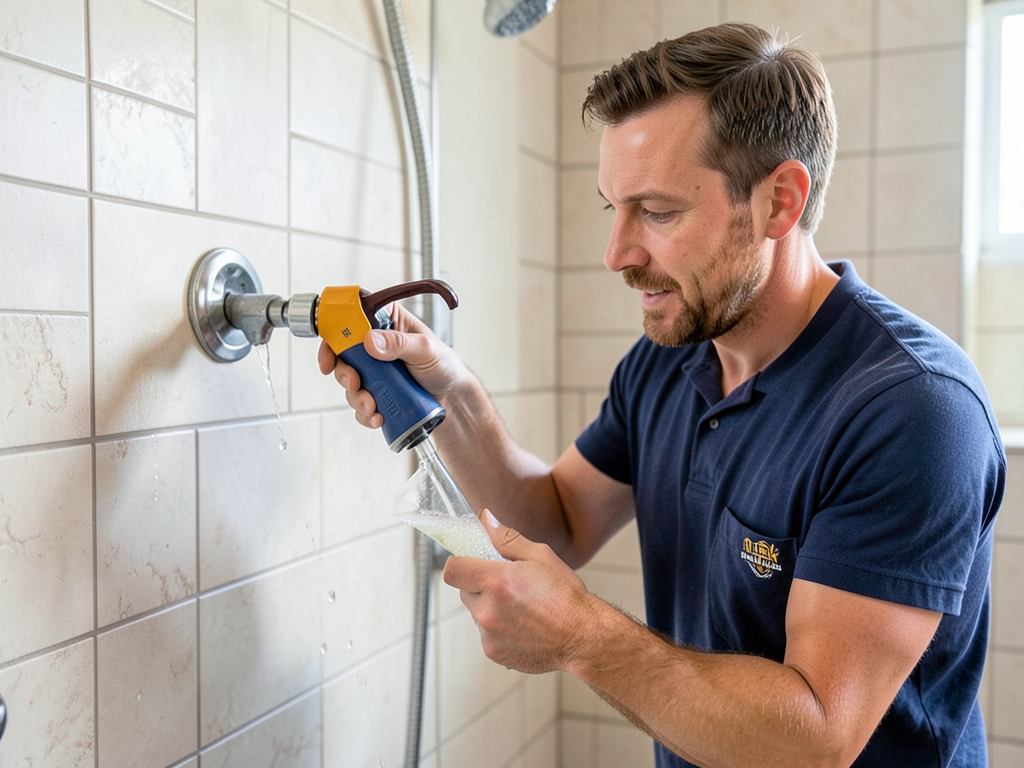
Removing White Crusty Buildup from Your Showerheads and Faucets White crusty buildup on your showerheads and faucets isn’t just an…

Removing White Crusty Buildup from Your Showerheads and Faucets

Removing White Crusty Buildup from Your Showerheads and Faucets White crusty buildup on your showerheads and faucets isn’t just an…

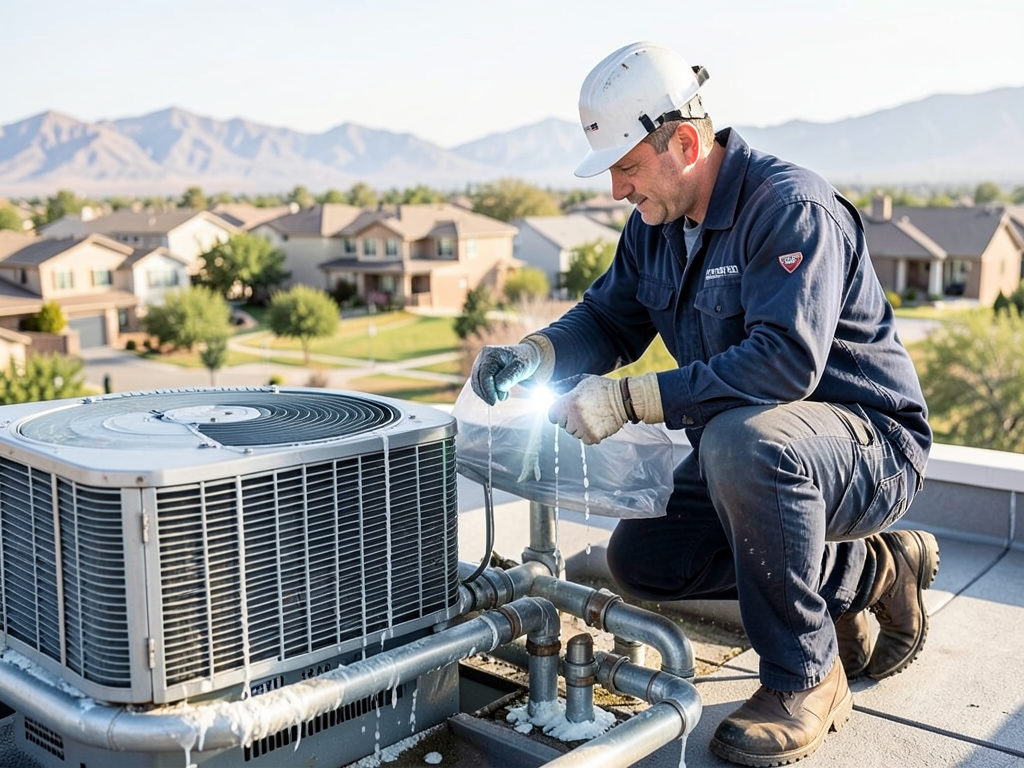
What to Do When Your Swamp Cooler Starts Leaking on Your Roof

What to Do When Your Swamp Cooler Starts Leaking on Your Roof A swamp cooler leaking onto your roof creates…

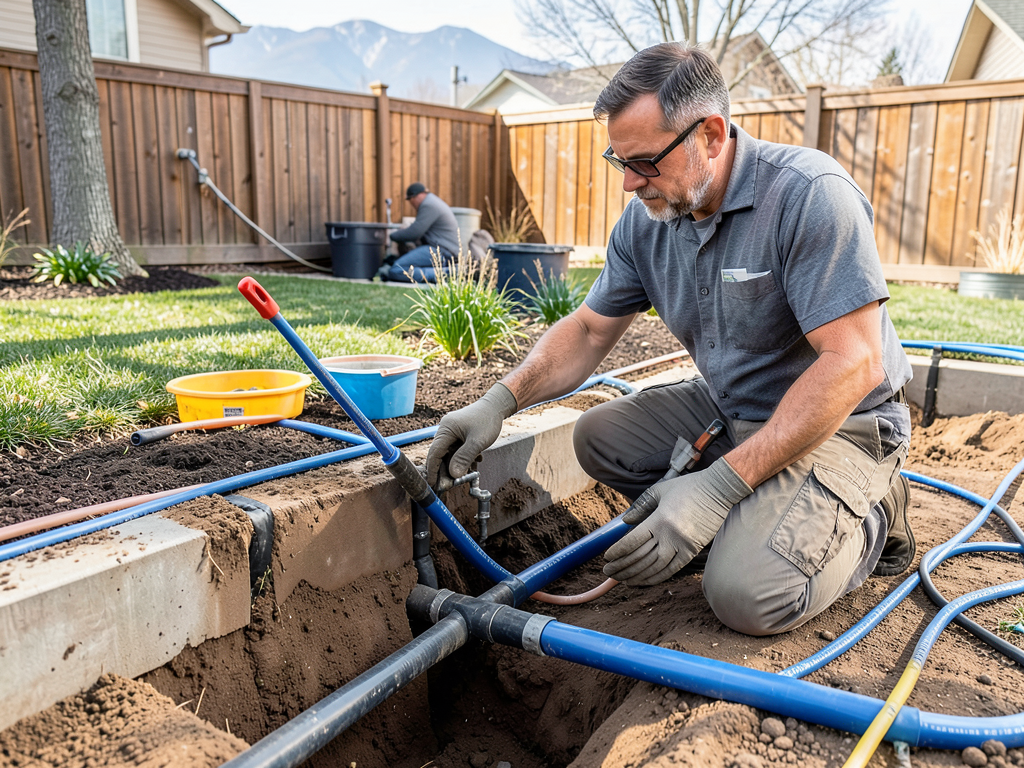
How to Prepare Your Outdoor Kitchen for a Salt Lake City Summer

How to Prepare Your Outdoor Kitchen for a Salt Lake City Summer Your outdoor kitchen needs more than just a…

Contact Us

Stop struggling with weak flow and inadequate pressure. Call Crestline Plumbing Salt Lake City now at (385) 406-8899 for expert diagnosis and permanent pressure restoration. Same-day appointments available. We find the real problem and fix it right the first time.