Salt Lake City sits at 4,200 feet elevation, and winter temperatures drop below 20 degrees for weeks at a time. Water expands when it freezes. If a service line is buried at the minimum depth of 30 inches, and the ground freezes deeper during a cold snap, the water inside the pipe turns to ice. The pipe expands, cracks form at joints and fittings, and when the thaw comes, water escapes under pressure. Add in the clay soil common in the Salt Lake Valley, which shifts when wet, and you get lateral stress on the pipe. Older neighborhoods with cast iron or galvanized steel lines see the most failures. These pipes were installed in the 1950s and 60s and are past their service life. A fix broken main water pipe is often the result of decades of freeze-thaw cycles and soil movement.
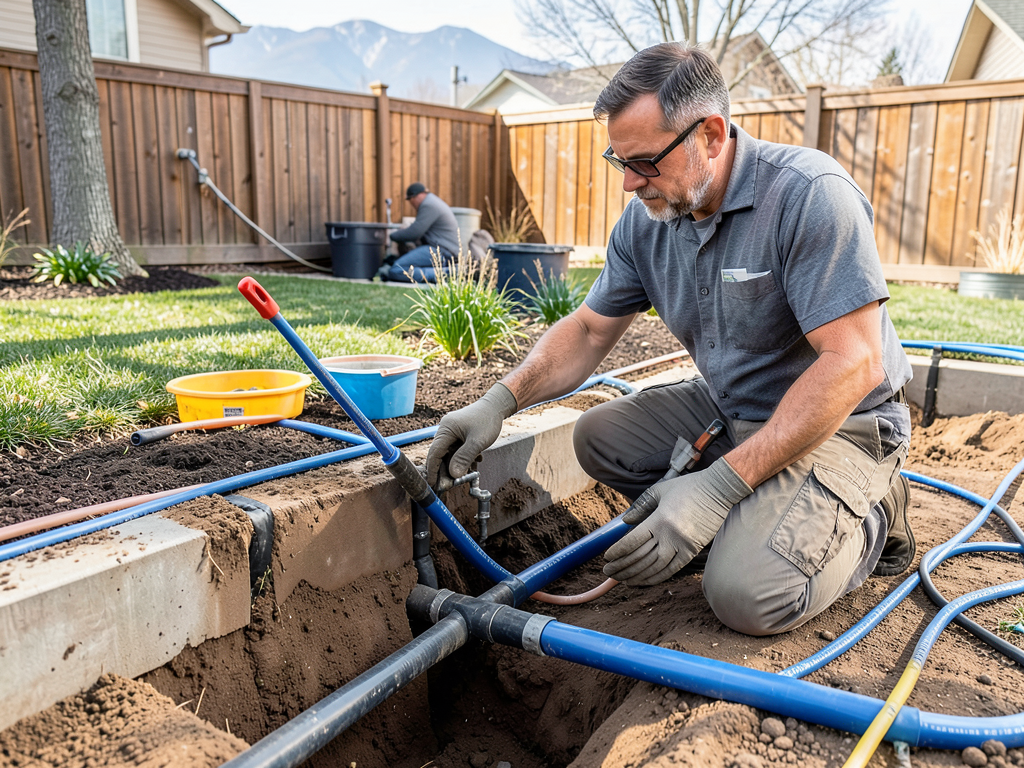
Salt Lake City's plumbing code requires water service lines to be buried at least 30 inches below grade to protect against frost. Repairs must be inspected by the city's building services department before backfilling. Not all plumbing companies understand the permit process or the inspection requirements. Crestline Plumbing handles the paperwork, schedules the inspection, and ensures the repair meets code. We have worked in every neighborhood from the Avenues to West Valley City. We know which streets have shallow lines, which subdivisions used copper versus polyethylene, and which areas have high water pressure. When you need emergency water main repair, you need a crew that knows Salt Lake City's infrastructure and can navigate the city's requirements without delay.