
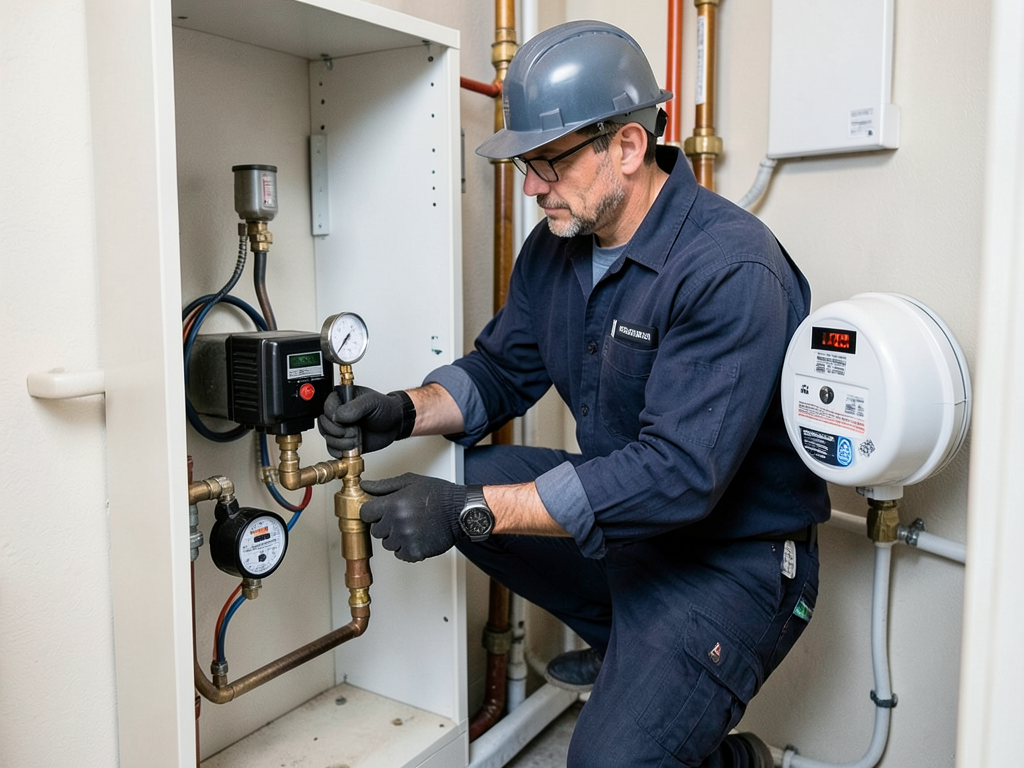
Managing High Water Pressure in Downtown Salt Lake City Condos
If your downtown Salt Lake City condo suddenly delivers a firehose blast from the kitchen tap or your shower feels like a pressure washer, you’re experiencing a common but serious plumbing issue. High water pressure in condo buildings isn’t just annoying—it can destroy fixtures, waste water, and cause hidden leaks that damage your unit and your neighbors’ below. In Salt Lake City’s older high-rises and newer mixed-use buildings, pressure problems often stem from municipal supply variations, aging booster pumps, or malfunctioning Pressure Reducing Valves (PRVs) that fail under the city’s hard water conditions. Salt Lake City Public Utilities.
The first sign is usually a faucet that sprays water everywhere or a toilet that runs constantly. You might hear pipes banging when you turn off a tap—that’s called water hammer, and it’s your plumbing screaming for help. Left unchecked, high pressure can burst washing machine hoses, crack toilet tanks, and even cause pinhole leaks in copper pipes. Downtown SLC buildings face unique challenges because they rely on shared infrastructure where one unit’s pressure problem becomes everyone’s emergency. Best Water Softener Installation Services in Salt Lake City to Fight Hard Water.
Before you call a plumber, check if the issue affects your entire unit or just one fixture. Run multiple taps at once—if pressure stays high everywhere, the problem is building-wide. If it’s isolated to one shower or sink, the issue might be a clogged aerator or a failed pressure regulator specific to your branch line. Either way, high pressure needs professional diagnosis because condo plumbing involves shared risers and backflow preventers that only licensed plumbers should service. Reliable Plumbing Repair for Historic Homes in The Avenues.
Common Causes of High Water Pressure in SLC Condo Buildings
Understanding what drives pressure spikes helps you communicate effectively with building management or your plumber. Here are the most frequent culprits in downtown Salt Lake City’s multi-story buildings.
Failed Pressure Reducing Valves (PRVs)
PRVs are the gatekeepers of your plumbing system. They sit where the main water line enters your unit and reduce the high municipal pressure to a safe 40-60 PSI. In SLC’s older buildings, PRVs often fail after 7-10 years due to mineral scale from our notoriously hard water. When a PRV fails, it can get stuck open, allowing full street pressure (sometimes exceeding 100 PSI) into your pipes. Water Main Leak Detection and Repair in Holladay.
The diagnostic test is simple: attach a water pressure gauge to an outdoor hose bib or laundry faucet. If you read above 80 PSI, your PRV needs replacement. Salt Lake City Public Utilities recommends 50-70 PSI for residential service, but many downtown buildings operate at the upper limit due to elevation changes and aging infrastructure. Water Stains on Ceiling or Walls.
Booster Pump Malfunctions
High-rise buildings over six stories need booster pumps to push water to upper floors. These pumps have pressure switches and check valves that can fail, causing pressure surges. In downtown SLC, where buildings range from historic 1920s structures to modern 20+ story towers, booster pump problems manifest differently based on the building’s age and design.
When a booster pump’s pressure switch sticks or its check valve fails, you might experience pressure that fluctuates wildly or stays consistently too high. The sound is distinctive—a pump that cycles on and off rapidly or runs continuously indicates a control problem. Building engineers should monitor these systems, but individual unit owners often notice the symptoms first.
Thermal Expansion Issues
Water heater thermal expansion can cause pressure spikes in closed plumbing systems. When water heats from 50°F to 120°F, it expands by about 2%. In modern buildings with backflow preventers and check valves, this expansion has nowhere to go, pushing pressure up throughout the system. Salt Lake City’s cold groundwater (often 45-50°F) entering hot water tanks creates dramatic expansion cycles.
The fix is usually a thermal expansion tank installed on the cold water line near the water heater. These tanks contain a rubber bladder that compresses as water expands, preventing pressure buildup. Without them, you’re gambling with burst pipes and damaged fixtures every time your water heater cycles on. Burst Pipe Repair.
The SLC Factor: Hard Water and Pipe Scaling
Salt Lake City’s water hardness averages 13-17 grains per gallon, among the highest in the nation. This mineral-rich water creates unique challenges for condo plumbing systems that generic plumbing guides don’t address.
Calcium and magnesium deposits build up inside PRVs, reducing their effectiveness over time. A PRV that worked perfectly at installation might allow 90 PSI through after five years of scale accumulation. The deposits also clog aerators, showerheads, and valve seats, making pressure problems worse by restricting flow in some areas while allowing dangerous pressure in others.
The diagnostic clue is white, chalky buildup around faucet aerators and showerheads. If you see this scale, your PRV likely has similar deposits internally. In downtown SLC’s older buildings, especially those near Liberty Park or the University area, galvanized steel pipes compound the problem. These pipes corrode from the inside out, creating rough surfaces where scale accumulates faster than in copper or PEX piping.
Water quality testing shows Salt Lake City’s municipal supply contains about 200-300 parts per million of total dissolved solids. While safe to drink, this mineral content attacks plumbing components relentlessly. PRV diaphragms, valve seats, and pressure sensors all degrade faster than in areas with softer water. Building managers in downtown SLC should budget for more frequent PRV replacements—typically every 5-7 years instead of the 10-15 years common in softer water regions.
Is It Your Unit or the Whole Building?
Before calling for service, determine whether you’re dealing with an isolated unit problem or a building-wide issue. This distinction affects who pays for repairs and how quickly they get addressed.
Test your pressure at multiple fixtures simultaneously. If every tap delivers high pressure, the problem likely originates before your unit’s plumbing branches off. If only certain fixtures are affected, the issue might be localized to your branch line or individual fixture components.
Check with neighbors on your floor and the floors above and below. High-rise buildings often have pressure zones—lower floors might experience normal pressure while upper floors suffer from booster pump problems. In SLC’s mid-rise buildings (6-12 stories), pressure variations between floors are common and usually indicate pump or PRV issues affecting entire pressure zones.
Listen for unusual sounds. Banging pipes when fixtures turn off suggest water hammer from high pressure. A pump that runs constantly or cycles rapidly indicates control problems. Hissing sounds from PRVs or pressure regulators suggest internal wear or failure. These auditory clues help plumbers diagnose problems before they even arrive on site.
Document everything. Note when pressure problems started, whether they correlate with recent plumbing work, and if they worsen at certain times of day. Many downtown SLC buildings experience pressure fluctuations during peak usage hours (morning 7-9 AM, evening 6-8 PM) when multiple units draw water simultaneously.
HOA vs. Homeowner: Who Pays for Repairs?
Understanding responsibility boundaries in Salt Lake City condos prevents costly misunderstandings and ensures problems get fixed quickly. The distinction between “common elements” and “exclusive use areas” determines who writes the check.
Building-wide pressure problems—those affecting multiple units or entire floors—typically fall under HOA responsibility. This includes main PRVs, booster pumps, backflow preventers, and the vertical risers that supply water to all units. In downtown SLC’s older buildings, these components often share the same age and maintenance schedule, meaning when one fails, others aren’t far behind.
Unit-specific issues—problems isolated to your plumbing after the branch line leaves the common riser—are usually your responsibility. This includes your unit’s PRV, water heater, and all piping within your walls. However, if your unit’s PRV failure is causing problems for neighbors below, the HOA might intervene to protect the building’s integrity.
Review your CC&Rs (Covenants, Conditions, and Restrictions) for specific language about plumbing responsibility. Most Salt Lake City condo documents define “common elements” as anything outside your unit’s walls, but interpretations vary. Some buildings hold owners responsible for branch line repairs if the damage originated within their unit.
Emergency situations change the rules. If high pressure threatens to burst pipes and cause flooding, building management can shut off water to your unit without prior notice. They’ll then coordinate repairs through their preferred vendors, billing you for the work. This “emergency access” clause exists in virtually all SLC condo agreements to prevent catastrophic damage.
Professional Solutions for SLC Condo Managers and Owners
When DIY troubleshooting points to a serious problem, professional intervention becomes necessary. SLC’s condo plumbing requires specialized knowledge of building codes, pressure management, and the city’s unique water characteristics.
Professional diagnosis starts with comprehensive pressure testing. A licensed plumber will test static pressure (when no water is running) and dynamic pressure (while multiple fixtures operate). They’ll also check for water hammer, measure flow rates, and inspect visible components for scale buildup or corrosion. In downtown SLC, where buildings vary from historic to modern, this assessment must account for each structure’s specific design and age.
PRV replacement is the most common repair. Modern PRVs feature stainless steel components and better pressure regulation than older brass models. In Salt Lake City’s hard water conditions, plumbers often recommend schedule 80 PVC or brass bodies rather than standard brass, as these materials resist scale buildup better. The replacement process requires shutting off building water, so it’s typically scheduled during low-usage hours.
Booster pump service involves more complexity. These systems need regular maintenance including pressure switch calibration, bearing lubrication, and check valve inspection. In downtown SLC’s older buildings, original equipment might be obsolete, requiring modernization with newer, more efficient models. Building engineers should maintain service logs, but individual unit owners can request pump performance data if they suspect problems.
Thermal expansion solutions often get overlooked until they cause major problems. Installing expansion tanks requires understanding your building’s backflow prevention system and ensuring proper tank sizing for your water heater capacity. In Salt Lake City’s climate, where groundwater temperatures fluctuate seasonally, expansion tanks might need adjustment twice yearly to maintain optimal performance.
Preventive maintenance programs help avoid emergency repairs. Quarterly pressure checks, annual PRV inspections, and regular aerator cleaning can extend component life significantly. For downtown SLC condo associations, budgeting for plumbing infrastructure replacement on a 10-15 year cycle prevents the cascade failures that occur when multiple components reach end-of-life simultaneously.
Preventing Future Pressure Problems
Once you’ve resolved immediate pressure issues, prevention becomes your best investment. Salt Lake City’s plumbing challenges require ongoing attention, not one-time fixes.
Install pressure gauges at key points in your plumbing system. A gauge on your unit’s main line lets you monitor pressure daily, catching gradual increases before they cause damage. Digital gauges with data logging can track pressure patterns over weeks, revealing problems that only occur during specific conditions.
Schedule annual plumbing inspections with a licensed SLC plumber familiar with condo systems. They’ll check PRV function, inspect visible piping for corrosion, test water heater safety valves, and assess overall system health. In downtown’s older buildings, these inspections often reveal developing problems before they cause emergencies.
Educate yourself about your building’s plumbing infrastructure. Know where main shutoff valves are located, understand your pressure zones, and learn the basics of your building’s water delivery system. This knowledge helps you communicate effectively with building management and makes you a more informed participant in HOA decisions about infrastructure upgrades.
Consider water treatment options if scale buildup is severe. While whole-building water softeners might be HOA decisions, unit-level solutions like scale inhibitors or point-of-use filters can protect your fixtures and extend component life. In Salt Lake City’s hard water conditions, these investments often pay for themselves through reduced repair costs and longer fixture life.
Build relationships with qualified plumbers before emergencies occur. Having a trusted professional who understands your building’s specific plumbing challenges means faster response times and more accurate diagnoses when problems arise. In downtown SLC’s competitive market, established relationships often mean priority service during busy periods.
Frequently Asked Questions
What water pressure is safe for my condo plumbing?
Residential plumbing systems in Salt Lake City should operate between 40-70 PSI. Pressures above 80 PSI risk damaging fixtures, causing leaks, and creating water hammer. If your pressure exceeds 90 PSI, immediate repairs are necessary to prevent pipe bursts and fixture failure.
How often should PRVs be replaced in Salt Lake City?
In Salt Lake City’s hard water conditions, PRVs typically last 5-7 years before scale buildup compromises their function. Buildings with extremely hard water or high usage might need replacements every 3-4 years. Regular pressure testing helps determine when replacement becomes necessary.
Can I install my own pressure reducing valve?
Utah plumbing code requires licensed plumbers to install or modify pressure reducing valves in multi-family buildings. DIY installation risks improper sizing, incorrect pressure settings, and potential code violations that could affect your insurance coverage or complicate future sales.
Why does my pressure seem fine in the morning but terrible by evening?
This pattern suggests building-wide pressure issues rather than unit-specific problems. During peak usage hours (morning and evening), multiple units drawing water simultaneously can cause pressure drops. If pressure is consistently high rather than low during these times, it might indicate PRV failure or pump control problems.
Will high water pressure increase my water bill?
Yes, significantly. High pressure increases flow rates through fixtures, causing more water to run during each use. A faucet that should deliver 2 gallons per minute might flow at 3-4 GPM under high pressure, increasing consumption by 50-100% without providing better performance.
How do I know if my building has a booster pump?
Buildings over six stories typically have booster pumps. You can often hear them running in utility closets or mechanical rooms. If you live above the sixth floor and experience pressure problems, a booster pump issue is likely. Building management should have documentation about pump systems and maintenance schedules.
What should I do if I suspect high pressure is damaging my unit?
Document the problem with photos and pressure readings, notify building management in writing, and request professional assessment. If management is unresponsive, contact the HOA board directly. In emergency situations where pipes threaten to burst, you may need to shut off your unit’s water and arrange immediate repairs.
Are there Salt Lake City-specific plumbing codes I should know about?
Utah follows the Uniform Plumbing Code with local amendments. Salt Lake City requires backflow prevention devices on all multi-family buildings and mandates specific pressure reducing valve standards for high-rise construction. Local plumbers familiar with SLC codes ensure your repairs meet all regulatory requirements. Uniform Plumbing Code.
High water pressure in downtown Salt Lake City condos requires prompt attention from qualified professionals who understand the unique challenges of our hard water, elevation changes, and building infrastructure. Whether you’re dealing with a failing PRV, malfunctioning booster pump, or thermal expansion issues, the right diagnosis prevents costly damage and ensures your plumbing system operates safely for years to come.
Don’t let high pressure turn your downtown SLC condo into a plumbing nightmare. Call (385) 406-8899 today to schedule your professional pressure assessment. Our licensed plumbers specialize in Salt Lake City’s unique multi-family plumbing challenges and can diagnose problems before they cause expensive damage. Pick up the phone now—your pipes are counting on you.
You may also find this helpful. Solving the Mystery of the Whistling Toilet in Your Murray Home.
{
“@context”: “https://schema.org”,
“@type”: “BlogPosting”,
“headline”: “Managing High Water Pressure in Downtown Salt Lake City Condos”,
“description”: “Learn how to diagnose and fix high water pressure in downtown SLC condos. Expert guide covering PRVs, booster pumps, and Salt Lake City’s unique plumbing challenges.”,
“wordCount”: 2551,
“datePublished”: “2026-06-08T13:57:00.000Z”,
“dateModified”: “2026-06-08T13:57:00.000Z”,
“inLanguage”: “en-US”,
“mainEntityOfPage”: {
“@type”: “WebPage”,
“@id”: “https://crestlineplumbingsaltlakecity.com”
},
“publisher”: {
“@type”: “LocalBusiness”,
“name”: “Crestline Plumbing Salt Lake City”,
“url”: “https://crestlineplumbingsaltlakecity.com”
},
“author”: {
“@type”: “Organization”,
“name”: “Crestline Plumbing Salt Lake City”,
“url”: “https://crestlineplumbingsaltlakecity.com”
},
“image”: {
“@type”: “ImageObject”,
“url”: “https://crestlineplumbingsaltlakecity.com/wp-content/uploads/2026/03/managing-high-water-pressure-in-downtown-salt-lake-1.png”
}
}
{
“@context”: “https://schema.org”,
“@type”: “Plumber”,
“name”: “Crestline Plumbing Salt Lake City”,
“url”: “https://crestlineplumbingsaltlakecity.com”,
“address”: {
“@type”: “PostalAddress”,
“addressLocality”: “Salt Lake City”
},
“areaServed”: {
“@type”: “City”,
“name”: “Salt Lake City”
}
}
{
“@context”: “https://schema.org”,
“@type”: “FAQPage”,
“mainEntity”: [
{
“@type”: “Question”,
“name”: “Is It Your Unit or the Whole Building?”,
“acceptedAnswer”: {
“@type”: “Answer”,
“text”: “Before calling for service, determine whether you’re dealing with an isolated unit problem or a building-wide issue. This distinction affects who pays for repairs and how quickly they get addressed.”
}
},
{
“@type”: “Question”,
“name”: “HOA vs. Homeowner: Who Pays for Repairs?”,
“acceptedAnswer”: {
“@type”: “Answer”,
“text”: “Understanding responsibility boundaries in Salt Lake City condos prevents costly misunderstandings and ensures problems get fixed quickly. The distinction between \”common elements\” and \”exclusive use areas\” determines who writes the check.”
}
},
{
“@type”: “Question”,
“name”: “What water pressure is safe for my condo plumbing?”,
“acceptedAnswer”: {
“@type”: “Answer”,
“text”: “Residential plumbing systems in Salt Lake City should operate between 40-70 PSI. Pressures above 80 PSI risk damaging fixtures, causing leaks, and creating water hammer. If your pressure exceeds 90 PSI, immediate repairs are necessary to prevent pipe bursts and fixture failure.”
}
},
{
“@type”: “Question”,
“name”: “How often should PRVs be replaced in Salt Lake City?”,
“acceptedAnswer”: {
“@type”: “Answer”,
“text”: “In Salt Lake City’s hard water conditions, PRVs typically last 5-7 years before scale buildup compromises their function. Buildings with extremely hard water or high usage might need replacements every 3-4 years. Regular pressure testing helps determine when replacement becomes necessary.”
}
},
{
“@type”: “Question”,
“name”: “Can I install my own pressure reducing valve?”,
“acceptedAnswer”: {
“@type”: “Answer”,
“text”: “Utah plumbing code requires licensed plumbers to install or modify pressure reducing valves in multi-family buildings. DIY installation risks improper sizing, incorrect pressure settings, and potential code violations that could affect your insurance coverage or complicate future sales.”
}
},
{
“@type”: “Question”,
“name”: “Why does my pressure seem fine in the morning but terrible by evening?”,
“acceptedAnswer”: {
“@type”: “Answer”,
“text”: “This pattern suggests building-wide pressure issues rather than unit-specific problems. During peak usage hours (morning and evening), multiple units drawing water simultaneously can cause pressure drops. If pressure is consistently high rather than low during these times, it might indicate PRV failure or pump control problems.”
}
},
{
“@type”: “Question”,
“name”: “Will high water pressure increase my water bill?”,
“acceptedAnswer”: {
“@type”: “Answer”,
“text”: “Yes, significantly. High pressure increases flow rates through fixtures, causing more water to run during each use. A faucet that should deliver 2 gallons per minute might flow at 3-4 GPM under high pressure, increasing consumption by 50-100% without providing better performance.”
}
},
{
“@type”: “Question”,
“name”: “How do I know if my building has a booster pump?”,
“acceptedAnswer”: {
“@type”: “Answer”,
“text”: “Buildings over six stories typically have booster pumps. You can often hear them running in utility closets or mechanical rooms. If you live above the sixth floor and experience pressure problems, a booster pump issue is likely. Building management should have documentation about pump systems and maintenance schedules.”
}
},
{
“@type”: “Question”,
“name”: “What should I do if I suspect high pressure is damaging my unit?”,
“acceptedAnswer”: {
“@type”: “Answer”,
“text”: “Document the problem with photos and pressure readings, notify building management in writing, and request professional assessment. If management is unresponsive, contact the HOA board directly. In emergency situations where pipes threaten to burst, you may need to shut off your unit’s water and arrange immediate repairs.”
}
},
{
“@type”: “Question”,
“name”: “Are there Salt Lake City-specific plumbing codes I should know about?”,
“acceptedAnswer”: {
“@type”: “Answer”,
“text”: “Utah follows the Uniform Plumbing Code with local amendments. Salt Lake City requires backflow prevention devices on all multi-family buildings and mandates specific pressure reducing valve standards for high-rise construction. Local plumbers familiar with SLC codes ensure your repairs meet all regulatory requirements. Uniform Plumbing Code.”
}
}
]
}
{
“@context”: “https://schema.org”,
“@type”: “BreadcrumbList”,
“itemListElement”: [
{
“@type”: “ListItem”,
“position”: 1,
“name”: “Home”,
“item”: “https://crestlineplumbingsaltlakecity.com”
},
{
“@type”: “ListItem”,
“position”: 2,
“name”: “Blog”,
“item”: “https://crestlineplumbingsaltlakecity.com/blog”
},
{
“@type”: “ListItem”,
“position”: 3,
“name”: “Managing High Water Pressure in Downtown Salt Lake City Condos”
}
]
}
{
“@context”: “https://schema.org”,
“@type”: “Service”,
“serviceType”: “Plumbing”,
“provider”: {
“@type”: “LocalBusiness”,
“name”: “Crestline Plumbing Salt Lake City”,
“url”: “https://crestlineplumbingsaltlakecity.com”
},
“areaServed”: {
“@type”: “City”,
“name”: “Salt Lake City”
},
“description”: “Learn how to diagnose and fix high water pressure in downtown SLC condos. Expert guide covering PRVs, booster pumps, and Salt Lake City’s unique plumbing challenges.”
}