menu

Mold in Bathroom Cabinets in Salt Lake City – Expert Diagnosis and Permanent Removal to Protect Your Health

Crestline Plumbing Salt Lake City identifies hidden mold in bathroom cabinets, bathroom vanity mold, and mildew in bathroom cabinets with precision diagnostics and eliminates the source to prevent recurrence in Wasatch Front homes.

Slider Image 1
Slider Image 2
Slider Image 3
Slider Image 4
Slider Image 5
Slider Image 7
Slider Image 8
Slider Image 9
Slider Image 10
Slider Image 11

Why Mold Thrives Inside Salt Lake City Bathroom Cabinets

You open the cabinet under your bathroom sink and catch a sharp, musty smell. The wood feels damp. Dark spots cluster near the drain pipes. This is not just a cleaning problem. You have mold growth inside vanity spaces, and Salt Lake City's unique conditions make it worse.

The Wasatch Front sits in a high-desert climate with dramatic temperature swings. Winter condensation meets summer humidity spikes, especially in homes with poor ventilation. Add the hard water that flows through our pipes, and you get mineral buildup that traps moisture around connections and gaskets. When a slow leak develops under your bathroom sink, the enclosed cabinet space becomes a breeding ground for bathroom vanity mold and mildew in bathroom cabinets.

Older homes in neighborhoods like Sugar House and the Avenues often have cast iron or galvanized drain lines that corrode over time. The corrosion creates pinhole leaks you cannot see without opening the cabinet. Modern homes in Daybreak and Herriman face different risks. Builders sometimes use particleboard vanities that absorb water quickly when a supply line fails or a P-trap gasket degrades. Either way, mold under bathroom sink areas spreads fast once it takes hold.

The confined space accelerates the problem. Most bathroom cupboard mold starts at the base where water pools. It climbs the interior walls and attacks the cabinet structure. Left untreated, spores spread into drywall and flooring. You might notice allergic reactions, respiratory irritation, or worsening asthma symptoms before you even see visible growth. This is why addressing bathroom vanity mold requires plumbing expertise, not just surface cleaning.

Why Mold Thrives Inside Salt Lake City Bathroom Cabinets
How We Eliminate Mold and Fix the Plumbing Failure That Caused It

How We Eliminate Mold and Fix the Plumbing Failure That Caused It

Surface cleaning does not solve mold in bathroom cabinets. The mold you see is the symptom. The plumbing failure is the disease. We attack both.

Our first step is moisture detection. We use thermal imaging cameras to identify temperature differentials that indicate hidden leaks behind walls or under flooring. We inspect every supply line, shut-off valve, drain connection, and P-trap gasket inside the vanity. Hard water calcification around threaded connections often signals chronic seepage. We check for corrosion on drain tailpieces and slip-joint nuts that create slow drips.

Once we locate the leak source, we assess the cabinet damage. Particleboard that has absorbed water swells and crumbles. Solid wood can sometimes be salvaged if caught early. We document the extent of mold colonization using moisture meters that measure material saturation levels. If readings exceed 17 percent in wood or 1 percent in drywall, microbial growth is active or imminent.

We coordinate with certified mold remediation specialists when contamination exceeds ten square feet or penetrates HVAC systems. For contained bathroom cupboard mold, we remove affected materials, treat surfaces with antimicrobial solutions, and replace compromised components. Then we fix the plumbing failure. This might mean replacing corroded drain assemblies, upgrading supply line hoses to braided stainless steel, or re-routing drain lines with proper venting to eliminate negative pressure that breaks trap seals.

We also address ventilation deficiencies. Many Salt Lake City bathrooms lack adequate exhaust capacity. We recommend properly sized bathroom fans vented to the exterior, not into attic spaces where moisture condenses on roof decking during winter months.

What Happens When You Call About Bathroom Cabinet Mold

Mold in Bathroom Cabinets in Salt Lake City – Expert Diagnosis and Permanent Removal to Protect Your Health
01

Leak Detection and Assessment

We arrive with diagnostic equipment including thermal cameras and moisture meters. You show us the affected cabinet. We inspect every plumbing connection, check water pressure at fixtures, and test drain flow rates. We document leak sources, measure moisture content in surrounding materials, and photograph the extent of mold growth inside vanity spaces. This assessment determines whether remediation stays in-house or requires specialized contractors.
02

Remediation and Repair

For localized mildew in bathroom cabinets, we remove contaminated materials and treat surfaces with EPA-registered antimicrobials. We replace failed plumbing components including corroded drain assemblies, worn gaskets, and deteriorated supply lines. If the vanity structure is compromised, we coordinate cabinet replacement. We ensure all drain connections are properly sealed and vented. Supply line shut-off valves are upgraded to quarter-turn ball valves for reliability.
03

Prevention and Monitoring

Before we leave, we test all repairs under full water pressure and drain flow. We check for leaks at every connection point. We provide ventilation recommendations to reduce humidity buildup. You receive documentation of all work performed, including photos of replaced components. We explain warning signs to watch for, such as musty odors or soft spots in cabinet floors, so you can catch future issues before mold returns.

Why Salt Lake City Homeowners Choose Crestline Plumbing for Mold Issues

Mold under bathroom sink areas is not just a plumbing problem. It is a health hazard that requires specific knowledge of building science, water damage patterns, and Utah's unique environmental conditions. General handymen and surface cleaners cannot deliver the comprehensive solution you need.

Crestline Plumbing Salt Lake City has spent years working in homes from Millcreek to Holladay, from the East Bench to the western valley neighborhoods. We understand how temperature inversions trap moisture in valley homes during winter. We know which local builders used inferior materials during the construction boom. We have seen how Salt Lake City's hard water accelerates corrosion in older plumbing systems.

Our technicians carry advanced diagnostic equipment that most plumbing companies skip. Thermal imaging reveals hidden leaks. Moisture meters quantify saturation levels in building materials. We do not guess about the source. We measure it, document it, and fix it correctly the first time.

We also understand the psychology of mold discovery. Opening a cabinet to find black growth triggers anxiety about property damage and family health. We take time to explain what we find, what it means, and what steps will resolve the issue permanently. You get clear communication, not scare tactics designed to inflate invoices.

Our relationships with local mold remediation specialists, cabinet suppliers, and building inspectors mean we can coordinate complex repairs efficiently. When bathroom vanity mold extends beyond the cabinet into drywall or flooring, we manage the entire restoration process. You deal with one company, not three contractors pointing fingers at each other.

We also respect your home. We use drop cloths, contain work areas, and clean up completely. Your bathroom remains functional throughout most repairs.

What to Expect When We Address Your Bathroom Cabinet Mold

Response Time and Availability

We understand that discovering mold growth inside vanity spaces creates urgency. You worry about health risks and spreading contamination. We prioritize mold-related calls and typically schedule inspections within 24 to 48 hours. For active water leaks with visible mold, we offer same-day emergency service. Our technicians arrive with diagnostic equipment ready to assess the problem immediately. You do not wait days for answers while mold spreads and your anxiety builds. We provide clear timelines for remediation and repair based on the extent of contamination and the complexity of the plumbing failure.

Thorough Inspection and Honest Assessment

You get a comprehensive evaluation, not a sales pitch. We use thermal imaging to find hidden moisture. We test every plumbing connection inside the cabinet. We measure saturation levels in surrounding materials to determine contamination extent. You receive honest recommendations about what needs replacement versus what can be treated and salvaged. If the problem requires specialized mold remediation beyond plumbing scope, we tell you directly and can refer trusted partners. We photograph everything so you understand exactly what we found and why specific repairs are necessary. No hidden conditions surface halfway through the job.

Complete Problem Resolution

Our work eliminates both the mold and its cause. We replace failed plumbing components with quality materials built to last in Salt Lake City's hard water environment. Braided stainless steel supply lines replace rubber hoses. Corroded drain assemblies are upgraded to PVC or ABS with proper trap configurations. We treat affected surfaces with antimicrobial solutions and remove compromised cabinet materials. All repairs are pressure-tested before we consider the job complete. You receive a cabinet space that is dry, clean, and protected against future mold growth because the underlying plumbing failure has been permanently corrected.

Prevention Guidance and Follow-Up

Stopping current mold growth is only part of the solution. We provide specific recommendations to prevent recurrence. This includes ventilation improvements, humidity control strategies for Salt Lake City's climate, and maintenance tips for your specific plumbing configuration. We explain warning signs to monitor so you catch problems early. If your home has risk factors like older supply lines or inadequate bathroom ventilation, we outline a prevention plan. You are not left wondering if the problem will return in six months. We give you the knowledge and tools to maintain a mold-free bathroom cabinet environment long after our trucks leave your driveway.

Frequently Asked Questions

You Have Questions,
We Have Answers

Why is there mold in my bathroom cabinet? +

Mold grows in bathroom cabinets because of trapped moisture and poor ventilation. Leaky pipes under your sink, condensation from hot showers, or even a slow drip you did not notice create the perfect breeding ground. Salt Lake City's dry climate makes residents forget that bathrooms still generate significant humidity. When moisture sits in dark, enclosed spaces without airflow, mold spores activate and colonize wood, drywall, or cabinet backing within 24 to 48 hours. Check under your sink for water stains, test shut-off valves for leaks, and ensure your bathroom exhaust fan vents outside, not into the attic.

Will mold go away if it dries out? +

No, mold does not disappear when it dries out. It goes dormant. Dried mold spores remain alive and reactivate the moment moisture returns. You can brush against dried mold and release thousands of spores into your bathroom air. The roots, called hyphae, penetrate porous materials like wood and drywall, meaning surface drying does nothing to kill the colony. In Salt Lake City homes, this becomes problematic during winter when indoor humidity spikes from heating systems. You must remove the contaminated material or treat it with a fungicide. Drying alone solves nothing and gives you false security while the problem waits to resurface.

What does toxic mold look like in a bathroom? +

Toxic mold, often black mold or Stachybotrys, appears slimy, dark green, or black with a wet, mucus-like texture. It thrives in consistently damp areas with cellulose-rich materials like drywall or wood. You might see it behind bathroom cabinets, around pipe penetrations, or on water-damaged subflooring. However, you cannot identify toxicity by appearance alone. Pink or orange biofilm, white fuzzy growth, and greenish patches can all produce allergens or mycotoxins depending on species. If you see mold larger than a dinner plate, smell persistent mustiness, or have unexplained respiratory symptoms, treat it seriously and call a professional for testing and remediation.

What to do if you find mold in cabinets? +

Stop using the cabinet immediately to avoid spreading spores. Do not scrub or disturb the mold yet. Open a window, turn on your exhaust fan, and assess the size. Small patches under 10 square feet on non-porous surfaces like tile can be cleaned with a bleach solution or vinegar by a homeowner wearing gloves and an N95 mask. But if mold has penetrated wood cabinet boxes, drywall, or subflooring, you need professional remediation. Identify and fix the moisture source first, whether it is a leaking drain trap, corroded supply line, or failed caulking. Cleaning mold without stopping the water is pointless. The colony returns within days.

What are the first signs of mold sickness? +

Early mold sickness mimics allergies or a cold. You might notice persistent sneezing, runny nose, itchy eyes, or a scratchy throat that worsens at home and improves when you leave. Fatigue, headaches, and difficulty concentrating are common, especially in the morning after breathing spores all night. Some people develop a chronic cough or wheezing. Children and those with asthma or compromised immune systems react faster and more severely. If your symptoms appeared after water damage, a plumbing leak, or moving into a new home in Salt Lake City, suspect mold exposure. Track when symptoms occur. If they align with time spent in your bathroom, investigate immediately.

What kills mold permanently? +

Bleach, hydrogen peroxide, and EPA-registered fungicides kill surface mold on non-porous materials like tile or metal. Mix one cup bleach per gallon of water and scrub thoroughly. However, nothing kills mold permanently if you do not eliminate the moisture source. Mold is a symptom, not the disease. Fix the leak, improve ventilation, and reduce humidity below 50 percent. For porous materials like wood cabinets or drywall, fungicides cannot penetrate deep enough to kill root structures. You must remove and replace contaminated materials. In Salt Lake City's older homes, this often means addressing outdated plumbing and inadequate bathroom ventilation systems that no longer meet current building codes.

Does wiping mold release spores? +

Yes, wiping mold releases thousands of airborne spores. Dry brushing or scrubbing is the worst approach because it aerosolizes the colony and spreads contamination throughout your bathroom and into adjacent rooms via air currents. Spores become inhalable and settle on surfaces you cannot see, like inside ductwork or behind baseboards. Always mist the moldy area with water or a cleaning solution before touching it. This traps spores and prevents them from going airborne. Wear an N95 mask, not a dust mask. Bag contaminated materials in sealed plastic before moving them through your home. Proper containment matters, especially in Salt Lake City homes with forced-air heating that can distribute spores house-wide.

Will a dehumidifier get rid of mold? +

A dehumidifier prevents mold growth by keeping humidity below 50 percent, but it does not remove existing colonies. If mold is already visible in your bathroom cabinet, you must clean or replace the contaminated materials first. Dehumidifiers work best in basements or whole-house applications, not small, enclosed cabinets. Your bathroom needs proper exhaust ventilation that vents outside, not a dehumidifier. Run your exhaust fan during showers and for 20 minutes after. Fix leaks immediately. In Salt Lake City's dry climate, bathroom humidity problems usually stem from plumbing issues or poor ventilation, not ambient moisture. A dehumidifier treats the symptom, not the cause.

Is dry mold still toxic? +

Yes, dry mold remains toxic. Spores do not die when they dry out. They enter a dormant state and still contain allergens, mycotoxins, and irritants that become airborne when disturbed. You can inhale dried mold fragments and experience respiratory irritation, allergic reactions, or asthma attacks. Dried colonies are actually more dangerous because people assume they are safe and handle them without protection. The root system remains embedded in porous materials like wood and drywall, waiting for moisture to return. In Salt Lake City, this becomes a problem during spring runoff or winter condensation when dried summer colonies reactivate. Dead or alive, mold must be removed, not just dried out.

Can you get sick from a moldy bathroom? +

Yes, moldy bathrooms cause illness, especially with repeated exposure. You inhale spores every time you shower, brush your teeth, or open the cabinet. This triggers allergic reactions, asthma attacks, sinus infections, and respiratory inflammation. People with weakened immune systems or chronic lung conditions face higher risks, including fungal infections. Children and elderly residents are particularly vulnerable. Symptoms often worsen overnight because you spend hours breathing spores while you sleep if your bedroom shares a wall with the bathroom. Salt Lake City's tightly sealed homes, built for energy efficiency, trap mold spores and reduce fresh air exchange. If multiple family members have unexplained respiratory symptoms, inspect your bathroom immediately.

How Salt Lake City's Hard Water and Temperature Swings Accelerate Bathroom Cabinet Mold

The Wasatch Front delivers some of the hardest water in the country, with mineral content regularly exceeding 400 parts per million. Calcium and magnesium deposits accumulate inside supply line connections, around shut-off valve stems, and on drain tailpieces. These deposits create rough surfaces where moisture clings. When temperature swings between 20-degree winter nights and 90-degree summer days stress plumbing connections, small leaks develop at threaded joints weakened by corrosion. The enclosed bathroom cabinet traps this moisture. Combined with poor ventilation common in older Salt Lake City homes, you get ideal conditions for bathroom vanity mold and mildew in bathroom cabinets to colonize quickly.

Crestline Plumbing Salt Lake City operates in this environment daily. We know which neighborhoods have aging galvanized supply lines prone to failure. We understand how homes built during rapid development periods often lack proper bathroom ventilation to exterior. Our technicians recognize the signs of hard water damage before small problems become major mold contamination. This local expertise means we diagnose bathroom cupboard mold faster and recommend solutions that work specifically in Salt Lake City conditions. Choosing a plumbing company that understands your local water quality, climate patterns, and common construction methods means you get repairs that last.

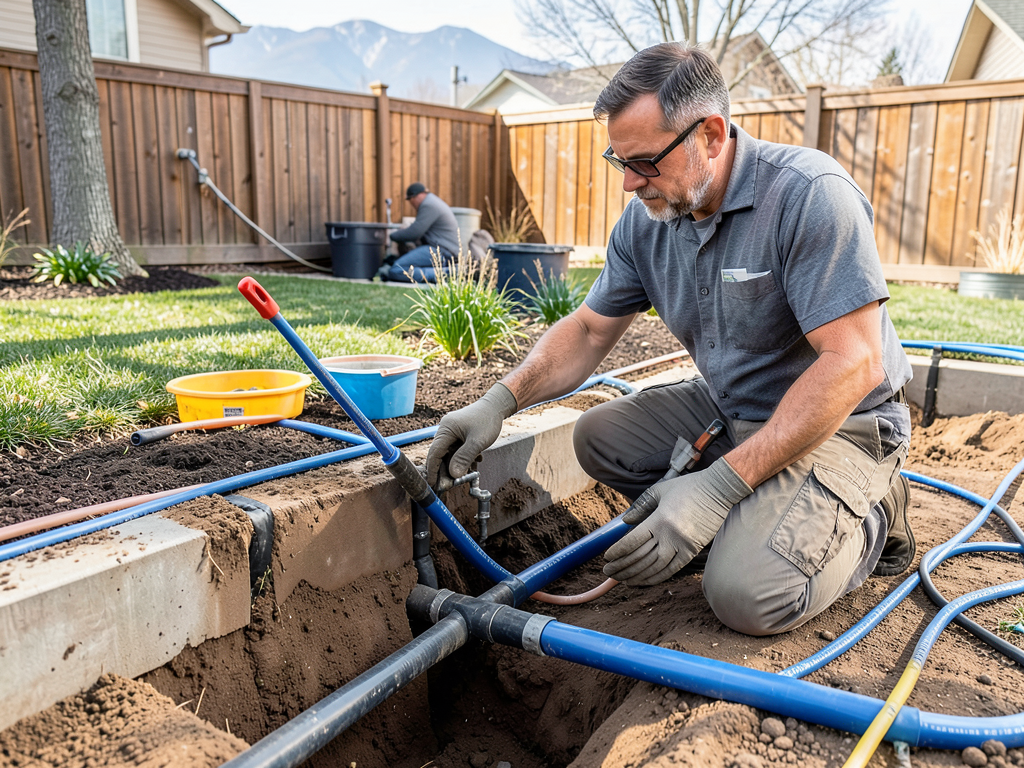
Plumbing Services in The Salt Lake City Area

We are proud to be a locally owned and operated business, dedicated to serving the entire Salt Lake City area and surrounding communities. Use the map below to pinpoint our location or to better understand our full service coverage across the region. If you need immediate assistance or would like to confirm that your home or business is within our guaranteed service area, please call our office directly—our warm, professional team is always ready to dispatch an expert to your location quickly.

Address:
Crestline Plumbing Salt Lake City, 222 S Main St, Salt Lake City, UT, 84101

Additional Services We Offer

Our news updates

Latest Articles & News from The Blogs

Removing White Crusty Buildup from Your Showerheads and Faucets White crusty buildup on your showerheads and faucets isn’t just an…

Removing White Crusty Buildup from Your Showerheads and Faucets

Removing White Crusty Buildup from Your Showerheads and Faucets White crusty buildup on your showerheads and faucets isn’t just an…

What to Do When Your Swamp Cooler Starts Leaking on Your Roof

What to Do When Your Swamp Cooler Starts Leaking on Your Roof A swamp cooler leaking onto your roof creates…

How to Prepare Your Outdoor Kitchen for a Salt Lake City Summer

How to Prepare Your Outdoor Kitchen for a Salt Lake City Summer Your outdoor kitchen needs more than just a…

Contact Us

Bathroom cabinet mold worsens every day the underlying leak continues. Protect your health and your home. Call Crestline Plumbing Salt Lake City now at (385) 406-8899 for expert diagnosis and permanent repair.