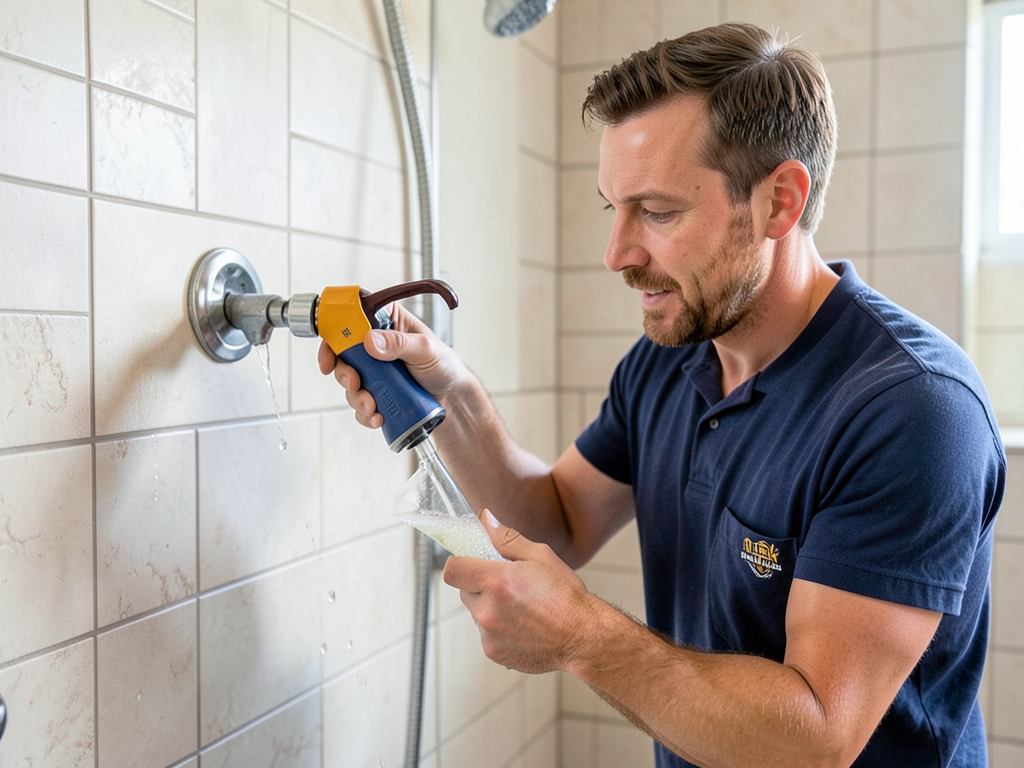
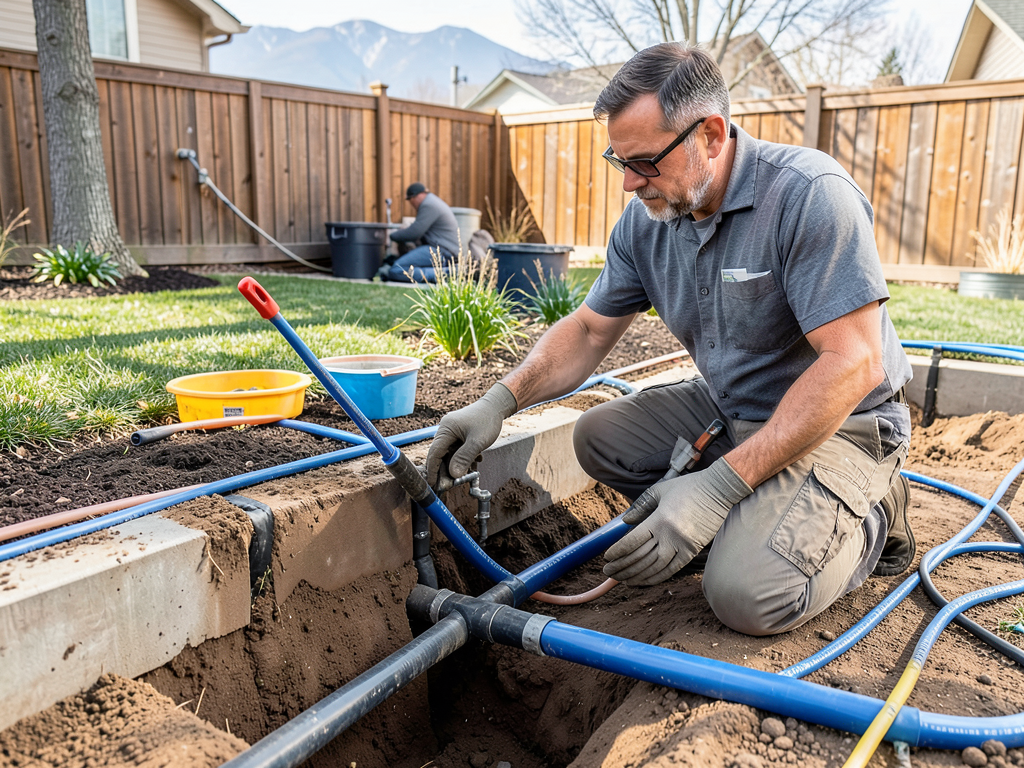
Salt Lake City's municipal water comes primarily from mountain snowmelt filtered through limestone and granite. This creates moderately hard to hard water that registers 14 to 18 grains per gallon depending on your specific water district. This mineral content interacts with copper through a process called pitting corrosion, where chlorine in treated water combines with minerals to create localized weak spots in the pipe wall. Over 20 to 30 years, these pits develop into pinhole leaks. PEX piping resists this chemical interaction because the cross-linked polyethylene remains inert to minerals and chlorine. The freeze-thaw cycle adds another variable. Temperatures in January regularly drop to 15 degrees Fahrenheit overnight, then climb to 35 degrees by afternoon. Copper's rigidity means frozen water has no room to expand except by splitting the pipe. PEX flexes up to three times its diameter, which usually prevents bursts during freezing.
Local building codes require plumbing work to meet International Plumbing Code standards with Utah amendments. Inspectors in Salt Lake County look specifically at pipe support spacing, which differs between rigid and flexible materials. They verify that PEX installations include proper backing plates where pipes penetrate framing to prevent punctures during drywall installation. For copper, inspectors check joint quality and verify proper flux removal to prevent future corrosion. Working with a licensed contractor familiar with these local inspection requirements prevents costly failures and ensures your installation passes on the first inspection. We maintain relationships with inspectors across the valley and understand exactly what they look for in both copper and PEX installations.