


Cottonwood Heights sits at 4,800 feet elevation in the Wasatch foothills, where homes face unique plumbing challenges that require local knowledge. The hard water flowing from Big Cottonwood Canyon contains high mineral concentrations that accelerate pipe corrosion and water heater failure. Properties near the canyon mouth experience higher water pressure that strains fittings and fixtures.
Winter temperatures regularly drop below 20 degrees, freezing exposed pipes in crawl spaces and attics. Many homes in neighborhoods like Willow Canyon and Butler have older galvanized steel pipes installed in the 1970s and 1980s that are reaching end of life. The bentonite clay soil common throughout the area shifts with seasonal moisture changes, stressing underground sewer lines and causing breaks.
New construction in areas like Willow Springs features modern PEX plumbing, while older homes near Fort Union Boulevard still run copper and cast iron. Understanding these differences matters when diagnosing problems and recommending repairs. The Salt Lake County building department requires permits for water heater replacements and repiping work, and inspectors know which shortcuts fail in our climate. Professional plumbers who work here daily know how to protect your system from freeze damage, mineral buildup, and pressure fluctuations that generic contractors miss.
Crestline Plumbing Salt Lake City has built our reputation on fast response and permanent fixes. We dispatch plumbers from our Salt Lake County location who reach most Cottonwood Heights addresses within 45 minutes of your call. Our trucks stock the parts needed for 90 percent of repairs, which means we fix your problem on the first visit instead of making you wait for a return trip.
Every plumber on our team holds current licensing with the Utah Division of Occupational and Professional Licensing and carries liability insurance. We pull permits when required and schedule inspections so your repair meets code. This matters when you sell your home or file an insurance claim after water damage.
We price repairs upfront before starting work. You see the total cost in writing and approve it before we touch your plumbing. No surprise charges appear on your bill when we finish. We warranty our workmanship for two years and guarantee the parts we install.
Our plumbers live and work in the Salt Lake Valley. We've fixed leaking water heaters in Butler basements, cleared roots from sewer lines in Willow Canyon, and repiped homes throughout the canyon neighborhoods. We know which problems recur in Cottonwood Heights and how to prevent them. When you call at 2 AM because your basement is flooding, you reach a real person who dispatches help immediately, not an answering service that takes messages. We've earned trust by showing up fast and fixing problems permanently.

We answer our phones 24 hours a day, every day of the year. When you have a plumbing emergency, we dispatch a licensed plumber to your Cottonwood Heights property within an hour. Our trucks carry the tools and parts needed to stop leaks, clear blockages, and prevent water damage right away.

You see the complete repair cost in writing before we start work. We explain what needs fixing and why, then give you an exact price. No hidden fees appear later. You approve the cost before we touch your plumbing system, so you control your budget.
Every plumber carries current Utah state licensing and liability insurance. We pull required permits with Salt Lake County and schedule inspections when codes require them. This protects you during insurance claims and home sales. Our two-year workmanship warranty backs every repair we complete.
We've worked throughout Cottonwood Heights for years and understand the plumbing challenges your home faces. From hard water damage to freeze protection, we know how Wasatch foothills climate and soil conditions affect pipes. Our experience with local construction styles helps us diagnose problems faster and fix them right.
Crestline Plumbing Salt Lake City handles every type of plumbing work your property needs. We fix emergency problems that can't wait, maintain systems to prevent breakdowns, and upgrade outdated plumbing to improve performance. Our plumbing contractors work on residential homes and commercial buildings throughout the Cottonwood Heights area.
Emergency repairs stop active problems causing damage or disruption right now. Maintenance services keep your system running efficiently and catch small issues before they become expensive emergencies. Installation work upgrades your plumbing with new fixtures, appliances, and pipes that improve water quality and reduce utility bills.
Each service category requires different skills and equipment. Emergency drain cleaning uses powered augers and hydro-jetting equipment. Water heater installation involves gas line work, venting, and pressure testing. Sewer line repair requires excavation equipment and camera inspection tools. Our professional plumbers carry the specialized tools needed for each type of work and arrive prepared to complete your project efficiently. Whether you need a quick fix for a leaking faucet or a complete repipe of your home's water lines, we have the expertise to handle it.
Burst pipes, backed-up sewers, failed water heaters, and flooding require immediate response. We dispatch licensed plumbers to your location within an hour, equipped to stop leaks, clear blockages, and prevent water damage. Our emergency services include pipe freeze repairs common in Cottonwood Heights winters, sewer line clearing when roots block your main drain, and water heater troubleshooting when you lose hot water. We carry replacement parts on our trucks to fix most problems on the first visit without making you wait days for a return appointment.
Regular maintenance extends your plumbing system's life and prevents expensive emergencies. We flush water heaters to remove mineral sediment that builds up from hard Cottonwood Heights water. Our drain cleaning services clear slow drains before they back up completely. We inspect sewer lines with camera equipment to spot tree root intrusion and pipe deterioration early. Pressure testing finds hidden leaks inside walls before they cause damage. Annual maintenance visits catch small problems while they're cheap and easy to fix.
Upgrading outdated plumbing improves water quality, reduces utility bills, and prevents problems. We replace old water heaters with high-efficiency tankless or conventional models sized correctly for your home. Our repiping services replace corroded galvanized steel or leaking polybutylene pipes with durable PEX or copper. We install water softeners and filtration systems that protect your plumbing from Cottonwood Heights hard water damage. Fixture upgrades improve water pressure and reduce waste. Every installation meets current building codes and includes the permits required by Salt Lake County.
Cottonwood Heights properties face recurring plumbing issues tied to local conditions. The hard water flowing from Big Cottonwood Canyon contains high mineral levels that accelerate wear on pipes and appliances. Cold winters freeze exposed pipes in crawl spaces and attics when temperatures drop below 20 degrees for extended periods. Older homes built in the 1970s and 1980s often have original galvanized steel or polybutylene pipes reaching end of life.
The bentonite clay soil throughout the area shifts with seasonal moisture changes, stressing underground sewer lines until they crack or collapse. Tree roots from mature landscaping seek water and invade sewer pipes through small cracks, creating blockages. Homes near the canyon mouth experience higher water pressure that strains fixtures and causes premature failure.
These problems recur predictably across Cottonwood Heights neighborhoods. Recognizing the symptoms early and addressing them before they escalate saves thousands in water damage repairs. Professional plumbers who work in this area daily know which problems to expect based on your home's age, location, and construction type.
Cottonwood Heights water contains high calcium and magnesium that deposits scale inside pipes, water heaters, and fixtures. This buildup restricts flow, reduces water heater efficiency, and shortens appliance life. Water softeners remove these minerals before they damage your plumbing. Flushing water heaters annually removes sediment that accumulates at the bottom of the tank.
Winter temperatures regularly drop below freezing in Cottonwood Heights, especially at higher elevations near the canyon. Water expands when it freezes, splitting copper pipes and cracking PEX fittings. Pipes in exterior walls, crawl spaces, and unheated attics are most vulnerable. Proper insulation and heat tape prevent freezing. When pipes do burst, immediate shutoff at the main valve limits water damage.
The bentonite clay soil under Cottonwood Heights expands when wet and contracts when dry. This movement stresses underground sewer lines until they crack or separate at joints. You notice slow drains, gurgling toilets, or wet spots in your yard. Camera inspection locates the exact problem spot. Repairs range from spot fixes to complete sewer line replacement depending on pipe condition.
Mature trees in established Cottonwood Heights neighborhoods send roots searching for water sources. Roots enter sewer pipes through small cracks and grow into thick mats that catch waste and cause backups. Regular drain cleaning with hydro-jetting equipment cuts roots back and clears blockages. Severe intrusion requires sewer line replacement with root-resistant pipe and proper routing away from large trees.
When you contact Crestline Plumbing Salt Lake City, you reach a real person who listens to your problem and dispatches help immediately. We ask questions to understand what's happening so our plumber arrives prepared with the right tools and parts. You get an estimated arrival time and a call when the plumber is on the way to your Cottonwood Heights property.
Our plumber identifies himself, respects your home, and listens to your concerns before starting any work. He diagnoses the problem, explains what's wrong in plain language, and presents your options with upfront pricing. You approve the work and cost before he starts the repair. He completes the job efficiently, tests everything to confirm it works correctly, and cleans up the work area.
You receive a detailed invoice showing exactly what was done and what you're paying for. We explain how to prevent similar problems and answer questions about maintaining your plumbing system. Our warranty covers workmanship for two years, and we stand behind the parts we install. If something isn't right, we come back and fix it at no charge.
We answer phones 24/7 and dispatch plumbers immediately for emergencies. You get an estimated arrival time when you call, typically within 45 minutes to an hour for Cottonwood Heights locations. Our plumber calls when he's 15 minutes away so you know exactly when to expect him. He arrives in a marked truck with the equipment needed to diagnose and fix most problems on the first visit.
Our plumber explains what's wrong with your system and why it happened. He presents repair options with the pros and cons of each approach. You receive written pricing before any work starts, covering labor, parts, and any permit fees. The price we quote is the price you pay. No surprise charges appear when we finish. You approve everything before we touch your plumbing.
We fix your problem right the first time using quality parts and proper techniques. Our work meets or exceeds current building codes. We pull permits when required and schedule inspections with Salt Lake County. Every repair includes a two-year workmanship warranty. If something fails or doesn't work correctly, we return and make it right at no charge. That's our guarantee.
We keep the repair process simple and straightforward. You tell us what's wrong, we send a licensed plumber to diagnose the problem, and we fix it right. No runaround, no hidden fees, no surprises.
Contact us at (385) 406-8899 and describe your plumbing problem. We ask questions to understand what's happening and how urgent it is. For emergencies, we dispatch a plumber immediately who reaches most Cottonwood Heights locations within 45 minutes. For scheduled work, we arrange a time that fits your schedule. You receive a call when the plumber is on his way.
Our licensed plumber arrives with the diagnostic equipment and parts needed for most repairs. He identifies the problem, explains what's wrong and why it happened, and presents your repair options. You receive written pricing that covers all labor, parts, and permit fees. Once you approve the work and price, he starts the repair immediately using quality parts and proper techniques.
The plumber completes your repair, tests everything to confirm it works correctly, and cleans up the work area. He explains what was done and how to prevent similar problems. You receive a detailed invoice and warranty information. Our two-year workmanship warranty covers the repair. If anything isn't right, we come back and fix it at no charge.
Cottonwood Heights falls under Salt Lake County jurisdiction and follows the International Plumbing Code as adopted by Utah. The county building department requires permits for water heater replacements, repiping work, sewer line repairs, and gas line modifications. Permits cost between $50 and $150 depending on project scope and require inspection before the work can be approved and closed.
The county enforces specific requirements for plumbing installations. Water heaters must have expansion tanks when installed on closed systems with pressure-reducing valves. New installations require earthquake straps rated for seismic zone 3. Gas water heaters need proper venting through approved materials, and inspectors verify draft before approving the installation. Electric water heaters require dedicated circuits with proper amperage and GFCI protection in wet locations.
Drain line replacement must maintain proper slope, with 1/4 inch drop per foot for most fixtures. Sewer lines connecting to county mains require inspection before backfill to verify pipe material, grade, and bedding. The county requires ABS or PVC schedule 40 pipe for new drain installations, though cast iron remains acceptable for repairs to existing systems.
Water supply lines must maintain minimum pressures of 20 PSI at fixtures and maximum pressures below 80 PSI to prevent damage. Homes with pressure above 80 PSI require pressure-reducing valves, common in canyon neighborhoods where elevation changes create high static pressure. Backflow prevention devices are required on irrigation systems and must be tested annually by certified testers registered with Salt Lake County.
Professional plumbers know these requirements and design installations that pass inspection the first time. Homeowner DIY work often fails inspection because of incorrect pipe sizing, improper venting, or missing components like expansion tanks and earthquake straps. Failed inspections delay project completion and add costs for return visits and reinspection fees. Using licensed plumbing contractors ensures your work meets code and protects your investment.
Salt Lake County requires permits for water heater replacement, repiping, sewer line work, and gas line modifications. Permits cost $50 to $150 and require inspection before final approval. Work without permits creates problems during home sales and insurance claims. Licensed plumbers pull required permits and schedule inspections as part of their service.
Repair costs depend on problem location, parts needed, labor time, and permit fees. Emergency service costs more than scheduled work because of immediate dispatch and after-hours labor. Repairs requiring excavation or wall opening cost more than accessible work. Hard-to-find parts increase cost and delay completion. Complex jobs requiring specialized equipment like camera inspection or hydro-jetting equipment cost more than simple fixture repairs.
Simple repairs like fixture replacement or drain cleaning take one to two hours. Water heater replacement requires three to five hours including permit and inspection. Repiping projects take two to five days depending on home size and pipe accessibility. Sewer line replacement requires one to three days for excavation, installation, inspection, and backfill. Weather and inspection scheduling affect project timelines.
Utah requires plumbers to complete apprenticeship programs and pass state licensing exams. Journeyman plumbers complete 8,000 hours of supervised work and pass written tests. Master plumbers need additional experience and testing. Licenses require continuing education and renewal every two years. Only licensed plumbers can pull permits and perform plumbing work for compensation.
Crestline Plumbing Salt Lake City serves the entire Cottonwood Heights area from our Salt Lake County location. We reach properties throughout the city within 45 minutes of your call, with fast response to both residential and commercial buildings across all neighborhoods.
The canyon neighborhoods near Big Cottonwood Canyon Road experience unique challenges from elevation and water pressure. Homes in Willow Canyon and the areas above Bengal Boulevard face higher static water pressure that strains fixtures and requires pressure-reducing valves. Winter temperatures drop lower at these elevations, increasing freeze risk for exposed pipes. We've repiped numerous canyon homes and know how to protect plumbing systems in these conditions.
Properties near Fort Union Boulevard and the northern parts of Cottonwood Heights include many homes built in the 1970s and 1980s with original galvanized steel pipes. These areas see frequent repiping projects as old pipes corrode from decades of hard water exposure. We've replaced hundreds of water heaters in Butler and the neighborhoods west of Highland Drive where older homes face appliance failures from mineral buildup.
The newer developments in areas like Willow Springs and around the Cottonwood Heights Recreation Center feature modern PEX plumbing and high-efficiency water heaters. These properties need different services focused on maintenance and fixture upgrades rather than emergency repairs. Our work here includes annual water heater flushing, drain cleaning, and filtration system installations.
Commercial properties along Fort Union Boulevard and near the shops at Canyon Centre require specialized plumbing services for restaurants, retail stores, and office buildings. We handle grease trap maintenance, commercial water heater service, and backflow testing for irrigation systems.
We also serve adjacent communities including Sandy to the north, Midvale to the west, and the unincorporated areas near Little Cottonwood Canyon. Properties near the intersection of I-215 and State Route 190 receive the same fast response as addresses in central Cottonwood Heights. Whether you're in the foothills above Wasatch Boulevard or the valley floor near Union Park Avenue, our trucks reach you quickly with the parts and equipment needed to fix your plumbing problem right away.
We are proud to be a locally owned and operated business, dedicated to serving the entire Salt Lake City area and surrounding communities. Use the map below to pinpoint our location or to better understand our full service coverage across the region. If you need immediate assistance or would like to confirm that your home or business is within our guaranteed service area, please call our office directly—our warm, professional team is always ready to dispatch an expert to your location quickly.
Address:
Cottonwood Heights, UT, 84121

Adding a Bathroom to Your Basement Without Breaking the Concrete Adding a bathroom to your basement in Salt Lake City doesn’t have to mean tearing up your floor with a jackhammer. The freeze-thaw cycles common…
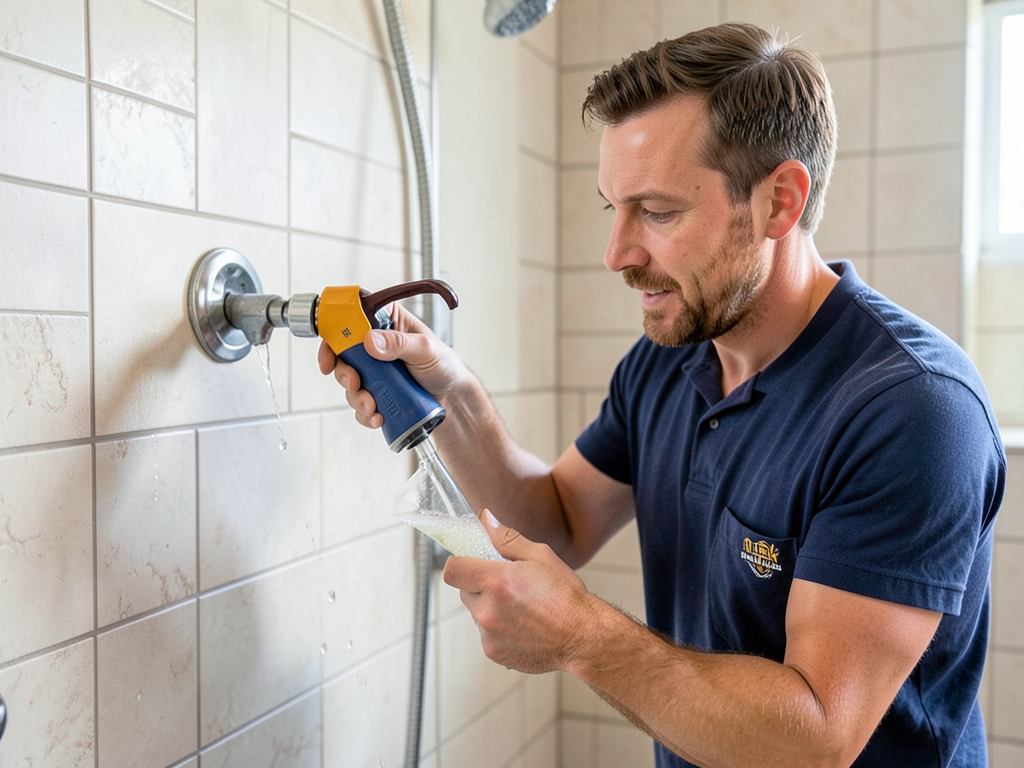
Removing White Crusty Buildup from Your Showerheads and Faucets White crusty buildup on your showerheads…
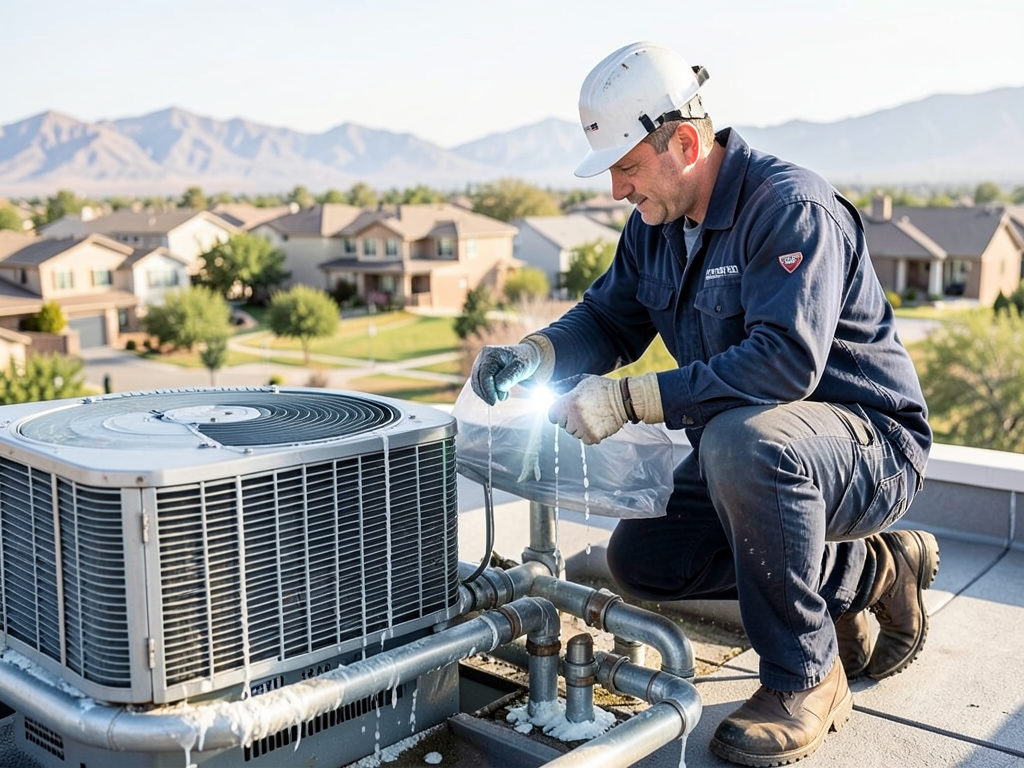
What to Do When Your Swamp Cooler Starts Leaking on Your Roof A swamp cooler…
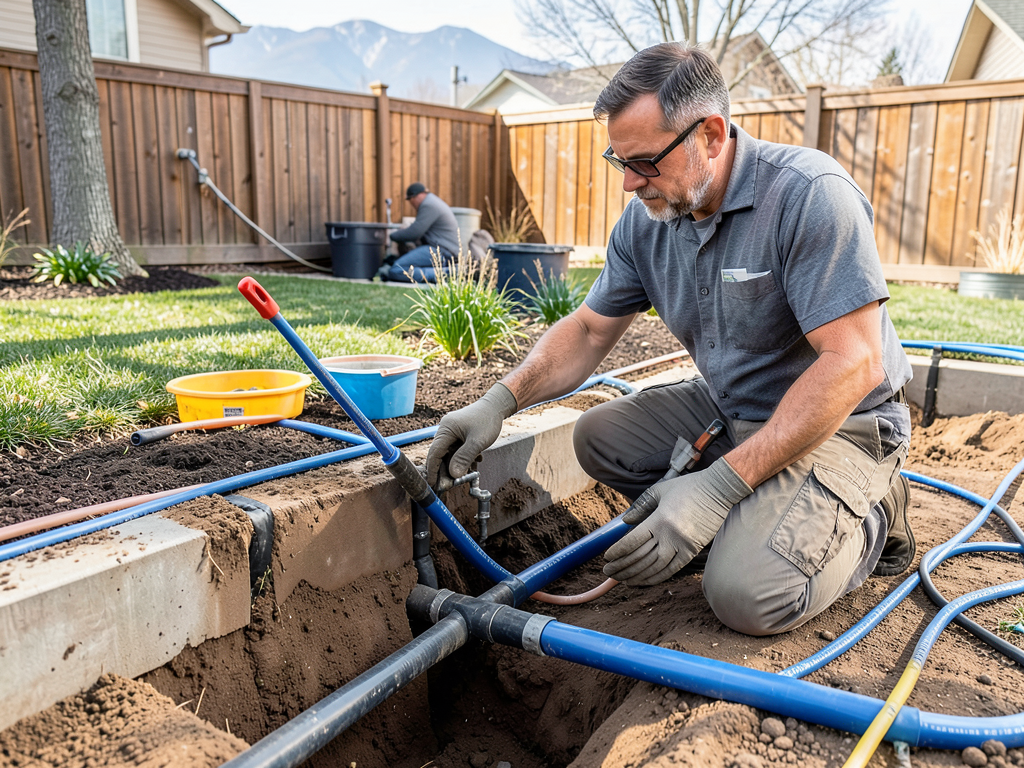
How to Prepare Your Outdoor Kitchen for a Salt Lake City Summer Your outdoor kitchen…
Don't let plumbing problems damage your home or disrupt your day. Call Crestline Plumbing Salt Lake City at (385) 406-8899 right now for immediate dispatch. We answer 24/7 and respond to Cottonwood Heights emergencies within the hour. Licensed plumbers, upfront pricing, guaranteed work.