menu

Plumbing Inspection Checklist Salt Lake City – Prevent Costly Failures with Expert Preventative Maintenance

Get a comprehensive residential plumbing checkup list designed for Salt Lake City's hard water, freeze-thaw cycles, and aging infrastructure to catch problems before they become emergencies.

Slider Image 1
Slider Image 2
Slider Image 3
Slider Image 4
Slider Image 5
Slider Image 7
Slider Image 8
Slider Image 9
Slider Image 10
Slider Image 11

Why Your Salt Lake City Home Needs a Preventative Plumbing Maintenance Checklist

Salt Lake City's water supply comes from snowmelt runoff in the Wasatch Range, and it carries some of the highest mineral concentrations in the western United States. That hard water builds scale inside your pipes, water heater tanks, and fixtures faster than you realize. Add the freeze-thaw cycles that hit the benches and avenues each winter, and you have a perfect storm for hidden failures.

Most homes in the Sugar House and Federal Heights neighborhoods were built between the 1920s and 1970s. Those properties often contain galvanized steel pipes that are corroding from the inside out. You will not see the problem until a pipe bursts in your crawlspace or behind a finished wall. A home plumbing inspection list catches these issues while they are still manageable.

The Wasatch Fault runs directly beneath Salt Lake City. Even minor seismic activity can shift your foundation enough to stress rigid plumbing connections. Clay soil in the valley also expands and contracts with moisture changes, putting additional pressure on your sewer lateral and main water line.

A residential plumbing checkup list addresses the specific risks that matter here. You need to verify proper pressure regulation, check for mineral buildup in water heaters, inspect shutoff valves that may have seized from lack of use, and confirm that your sewer line has not been infiltrated by tree roots from the mature cottonwoods and elms common in established neighborhoods. Without a plumbing system inspection guide designed for these local challenges, you are guessing about the condition of critical infrastructure hidden in your walls and under your yard.

Why Your Salt Lake City Home Needs a Preventative Plumbing Maintenance Checklist
What a Professional Plumbing Maintenance Checklist Includes

What a Professional Plumbing Maintenance Checklist Includes

A proper plumbing maintenance checklist goes beyond running water and checking for drips. The inspection starts with your main water shutoff valve. In many Salt Lake City homes, this valve has not been cycled in years. Mineral deposits can freeze the gate mechanism, making it useless during an emergency. We test operation and verify that you can actually stop water flow when needed.

Next, we assess your water pressure at multiple fixtures. Pressure should fall between 40 and 80 psi. Salt Lake City's municipal water often arrives at 100 psi or higher, especially in lower-elevation neighborhoods near the valley floor. Without a pressure reducing valve, that force damages fixtures, stresses connections, and shortens the life of your water heater and dishwasher.

Water heater inspection includes checking the anode rod, testing the temperature and pressure relief valve, inspecting the burner assembly or heating elements, and measuring sediment buildup. Hard water accelerates tank corrosion and scale formation on heating elements. A tank full of mineral sediment reduces efficiency and causes premature failure.

We inspect all visible supply lines for corrosion, verify proper support and spacing, and check for signs of previous leaks. Drain lines get checked for proper slope, venting issues, and blockages. We test all shutoff valves under sinks and toilets, inspect toilet flappers and fill valves, check faucet aerators for flow restriction caused by mineral buildup, and evaluate your sewer cleanout access.

The inspection includes a sewer scope when appropriate. This camera inspection identifies root intrusion, bellied sections where waste collects, and deteriorating cast iron or clay tile pipe common in older Salt Lake City neighborhoods.

How We Complete Your Home Plumbing Inspection

Plumbing Inspection Checklist Salt Lake City – Prevent Costly Failures with Expert Preventative Maintenance
01

Visual and Operational Assessment

We start by testing every water fixture in your home. This includes cycling shutoff valves, measuring flow rates, checking drain speeds, and listening for abnormal sounds like water hammer or gurgling. We inspect your water heater, pressure reducing valve, and main shutoff valve. Visible supply and drain lines get evaluated for corrosion, improper support, and signs of previous moisture. This surface-level inspection identifies obvious problems and guides the deeper evaluation.
02

Component Testing and Measurement

We measure static and dynamic water pressure at multiple locations. Temperature and pressure relief valves get tested for proper operation. Water heater elements or burners are evaluated for efficiency. We check toilet components for wear, test faucet cartridges, and inspect garbage disposal operation. Any component showing signs of wear or approaching its service life gets documented. This stage identifies parts that need replacement before they fail and cause secondary damage like flooding or water intrusion.
03

Documentation and Prioritized Recommendations

You receive a written report that identifies immediate concerns, upcoming maintenance needs, and long-term considerations. We prioritize issues by risk level. A leaking shutoff valve that could flood your basement ranks higher than a slow-draining sink. You get photos of problem areas, clear explanations of what we found, and realistic timelines for addressing each issue. This preventative plumbing maintenance checklist becomes your roadmap for protecting your home's plumbing infrastructure.

Why Salt Lake City Homeowners Trust Local Plumbing Expertise

Crestline Plumbing Salt Lake City understands the specific challenges that affect homes in this valley. We know which neighborhoods have aggressive soil conditions that stress sewer laterals. We recognize the plumbing materials and methods used during different construction periods across the Avenues, Sugarhouse, and Millcreek areas. That local knowledge matters when we evaluate your system.

We understand Salt Lake City's building codes and inspection requirements. When we identify issues that need correction, we know exactly what local inspectors will look for during permit inspections. This saves you time and prevents failed inspections that delay repairs.

Hard water is not just an inconvenience in Salt Lake City. It causes real damage to plumbing systems. We have seen thousands of water heaters fail prematurely because sediment buildup went unchecked. We have repaired countless pinhole leaks in copper pipes caused by aggressive water chemistry combined with high pressure. Our residential plumbing checkup list specifically addresses these local failure patterns.

The mature trees that make Salt Lake City neighborhoods beautiful also create sewer line problems. Root intrusion is common in properties with cottonwoods, elms, and maples near the sewer lateral. We know where to look and how to evaluate root damage before it causes a complete blockage.

Winter freeze damage is another local concern. Hose bibs that are not properly winterized burst during cold snaps. Pipes in exterior walls and unheated crawlspaces freeze when temperatures drop below 20 degrees. Our plumbing system inspection guide includes checking for proper insulation and vulnerable locations that need attention before winter arrives.

What to Expect During Your Plumbing Inspection

Inspection Timing and Access

Most residential plumbing inspections take between 90 minutes and two hours, depending on home size and system complexity. You will need to provide access to all areas containing plumbing, including crawlspaces, basements, attic spaces, and any locked mechanical rooms. We schedule inspections at times that fit your availability. You do not need to be present the entire time, but we prefer having you available at the beginning and end so we can explain findings and answer questions. If you have concerns about specific fixtures or areas, let us know at the start so we can give those extra attention.

Comprehensive System Evaluation

We evaluate your entire plumbing system from the main water shutoff to the fixtures you use daily. This includes testing water pressure, cycling shutoff valves, inspecting the water heater and expansion tank, checking all visible supply and drain lines, testing toilet components, evaluating faucet operation, and confirming proper drainage throughout the home. If your home shows signs of sewer line issues like slow drains or frequent backups, we recommend adding a sewer scope inspection. The camera inspection identifies root intrusion, pipe deterioration, and structural problems in your sewer lateral before they cause a complete failure.

Detailed Inspection Report

You receive a written report with photos documenting current conditions. We identify problems by priority level. Critical issues that pose immediate risk of failure or water damage get flagged for urgent attention. Components showing wear but still functional get noted for monitoring or planned replacement. Long-term considerations like aging pipes or outdated fixtures are documented for future planning. The report includes clear explanations written for homeowners, not just plumbers. You will understand what we found, why it matters, and what actions make sense for your situation and budget.

Ongoing Maintenance Guidance

Beyond identifying current problems, we provide guidance on maintaining your plumbing system between inspections. This includes recommendations for water heater flushing frequency based on your water hardness, valve exercise schedules to prevent mineral seizure, drain maintenance practices, and seasonal winterization procedures for exterior fixtures. We help you understand which maintenance tasks you can handle yourself and which require professional service. Many homeowners schedule annual inspections to catch developing problems early. This preventative approach costs far less than emergency repairs after a failure causes water damage.

Frequently Asked Questions

You Have Questions,
We Have Answers

What does a plumbing inspection consist of? +

A plumbing inspection examines your entire water supply and drainage system. The inspector checks fixtures like faucets, toilets, and showerheads for leaks or corrosion. They evaluate water pressure, test drain flow, and inspect exposed pipes for damage. The water heater gets checked for age, rust, and proper venting. In Salt Lake City homes, inspectors pay close attention to pipes in crawl spaces and basements where freeze damage can occur during harsh winters. They also examine shutoff valves, look for code violations, and assess the main sewer line. You receive a detailed report identifying issues that need immediate repair or future attention.

What are the 7 steps of the inspection process? +

The plumbing inspection process follows a systematic approach. First, the inspector reviews your home's age and plumbing history. Second, they examine all visible supply lines for leaks or corrosion. Third, they test water pressure at multiple fixtures. Fourth, they inspect drainage systems by running water and checking flow rates. Fifth, they evaluate the water heater for safety and efficiency. Sixth, they assess venting systems to prevent sewer gas buildup. Seventh, they document findings and prioritize repairs. In Salt Lake City, inspectors also check for hard water damage since mineral deposits from mountain runoff can clog pipes and reduce fixture lifespan over time.

What are the 5 main items you should inspect for at a drain detail? +

At a drain detail, you should inspect five critical items. First, check the drain slope to ensure proper gravity flow toward the main line. Second, examine pipe connections for leaks or improper sealing. Third, verify trap installation to prevent sewer gas from entering the home. Fourth, inspect vent placement to maintain proper air pressure in the drainage system. Fifth, look for debris or obstructions that could cause backups. Salt Lake City's clay-heavy soil can shift foundations and affect drain slopes, so pay extra attention to pipes in basements and lower levels where settling occurs more frequently in older neighborhoods near the Wasatch foothills.

What are 5 very important things that are inspected in a home inspection? +

Five critical items inspected during home inspections include the water heater, which gets checked for age, leaks, and proper venting. Drain systems are tested for flow and potential blockages. Supply lines are examined for corrosion, leaks, and adequate water pressure. Fixtures like toilets and faucets are checked for proper function and water waste. The main sewer line gets evaluated for tree root intrusion or damage. In Salt Lake City, inspectors focus on freeze protection for exterior fixtures and pipes in unheated spaces. They also check for hard water scaling on fixtures and inside water heaters, which shortens equipment life in this region.

How much should a plumbing inspection cost? +

Plumbing inspections in Salt Lake City range based on home size and scope. A basic visual inspection for a standard home costs less than a comprehensive evaluation with camera sewer line inspection. Older homes built before 1980 require more thorough inspections due to outdated materials like galvanized steel or clay sewer pipes. Pre-purchase inspections differ from routine maintenance checks. Expect to pay more if you need specialized testing like water quality analysis or pressure testing. Geographic factors matter too. Homes in areas with mature trees may need sewer camera inspections to check for root intrusion, which adds to the total investment.

What is the biggest red flag in a home inspection? +

The biggest red flag in a home inspection is evidence of active water leaks or water damage. Stains on ceilings, walls, or floors indicate ongoing problems that cause mold growth and structural damage. In Salt Lake City, look for foundation cracks where water infiltration occurs during spring snowmelt. Corroded pipes, especially galvanized steel in older homes, signal imminent failure. A malfunctioning main sewer line represents expensive repairs. Improper venting causes sewer gas buildup and health hazards. Multiple amateur repairs suggest ignored maintenance. Any sign of sewage backup demands immediate professional attention. These issues compound quickly in freeze-thaw climates where small leaks become major failures.

What should be included in an inspection checklist? +

An inspection checklist should include all water supply lines, checking for leaks, corrosion, and proper pressure. Document every fixture including toilets, sinks, tubs, and outdoor spigots. Evaluate the water heater for age, capacity, and safety features. Examine drain systems for proper slope, flow, and venting. Check shutoff valves for accessibility and function. Inspect exposed pipes in basements, crawl spaces, and attics. For Salt Lake City homes, add freeze protection measures like insulation on exterior walls and proper heat tape installation. Include sewer line condition, especially in neighborhoods with mature trees. Note any code violations or amateur repairs requiring professional correction.

What are the 4 types of inspections? +

The four main inspection types serve different purposes. Visual inspections examine accessible components without invasive testing. They identify obvious issues like leaks or corrosion. Operational inspections test system function by running water, flushing toilets, and checking pressure. Diagnostic inspections use specialized equipment like cameras to examine sewer lines or pressure gauges to test system integrity. Code compliance inspections verify installations meet current building standards, which matters in Salt Lake City where older homes may have outdated galvanized pipes or insufficient venting. New construction and remodels require code inspections before walls close. Each type provides specific information about your plumbing system's condition and safety.

What do you need in order to pass an inspection? +

To pass inspection, your plumbing must meet current building codes. All fixtures need proper installation with no leaks or drips. Water pressure must fall within acceptable ranges. Drain systems require correct slope and venting to prevent backups and sewer gas. The water heater needs proper clearance, temperature settings, and safety features like pressure relief valves. Shutoff valves must be accessible and functional. In Salt Lake City, inspectors verify freeze protection for pipes in unheated areas and proper insulation around exterior walls. Gas lines need secure connections and proper venting. All work must be completed by licensed professionals with permits pulled before starting.

How to prepare for a rough plumbing inspection? +

Preparing for a rough plumbing inspection requires attention to detail. Ensure all pipes are installed at correct slopes for proper drainage. Verify vent pipes extend through the roof at proper heights. Check that all connections are secure and pipes are properly supported. Test the system by filling lines with water or air to identify leaks. Confirm fixture placement matches approved plans. In Salt Lake City, verify pipes in exterior walls have adequate insulation and backing for freeze protection. Remove debris from work areas so inspectors can access all components. Have your permit paperwork ready and ensure licensed plumbers completed the work before scheduling the inspection.

How Salt Lake City's Hard Water and Freeze-Thaw Cycles Make Plumbing Inspections Critical

Salt Lake City's municipal water contains 14 to 18 grains per gallon of hardness, putting it in the very hard category. This mineral concentration builds scale inside water heaters at an aggressive rate. Without annual flushing and anode rod replacement, most tank water heaters fail within eight to ten years instead of their expected 12 to 15 year lifespan. The same minerals accumulate in faucet aerators, showerheads, and shutoff valves. A home plumbing inspection list that accounts for these conditions includes checking for scale buildup and testing components that commonly fail from mineral deposits. Winter temperature swings add another layer of risk. When temperatures drop into the teens, pipes in exterior walls and unheated spaces freeze unless properly insulated. The inspection identifies vulnerable locations before a hard freeze causes ruptures.

Properties in established Salt Lake City neighborhoods like the Avenues, Sugarhouse, and Yalecrest contain plumbing systems installed decades ago using materials and methods that no longer meet current standards. Cast iron drains corrode from the inside. Galvanized steel supply lines develop pinhole leaks. Clay tile sewer laterals crack and separate at joints. These older systems require inspection by professionals who understand how Salt Lake City's soil conditions, water chemistry, and seasonal weather affect different pipe materials. Local expertise matters because the failure patterns in a 1950s bungalow near Liberty Park differ from those in a 1990s rambler in Sandy. A plumbing maintenance checklist designed for generic conditions misses the specific vulnerabilities that affect homes in this valley.
Plumbing Services in The Salt Lake City Area

We are proud to be a locally owned and operated business, dedicated to serving the entire Salt Lake City area and surrounding communities. Use the map below to pinpoint our location or to better understand our full service coverage across the region. If you need immediate assistance or would like to confirm that your home or business is within our guaranteed service area, please call our office directly—our warm, professional team is always ready to dispatch an expert to your location quickly.

Address:
Crestline Plumbing Salt Lake City, 222 S Main St, Salt Lake City, UT, 84101

Additional Services We Offer

Our news updates

Latest Articles & News from The Blogs

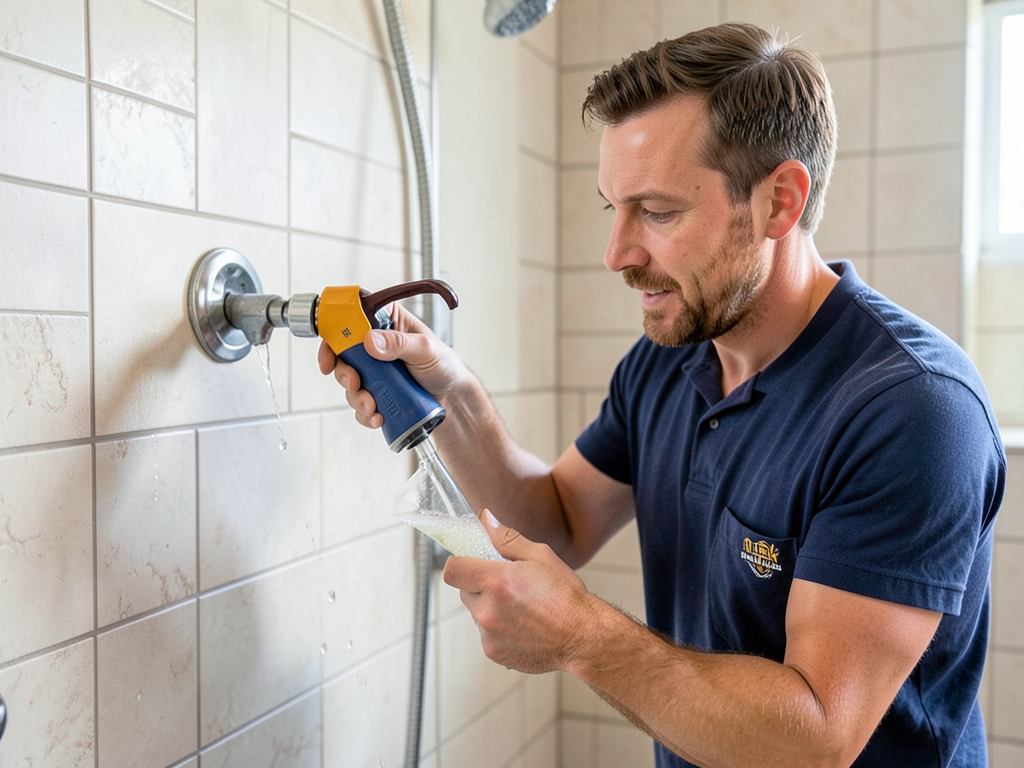
Removing White Crusty Buildup from Your Showerheads and Faucets White crusty buildup on your showerheads and faucets isn’t just an…

Removing White Crusty Buildup from Your Showerheads and Faucets

Removing White Crusty Buildup from Your Showerheads and Faucets White crusty buildup on your showerheads and faucets isn’t just an…

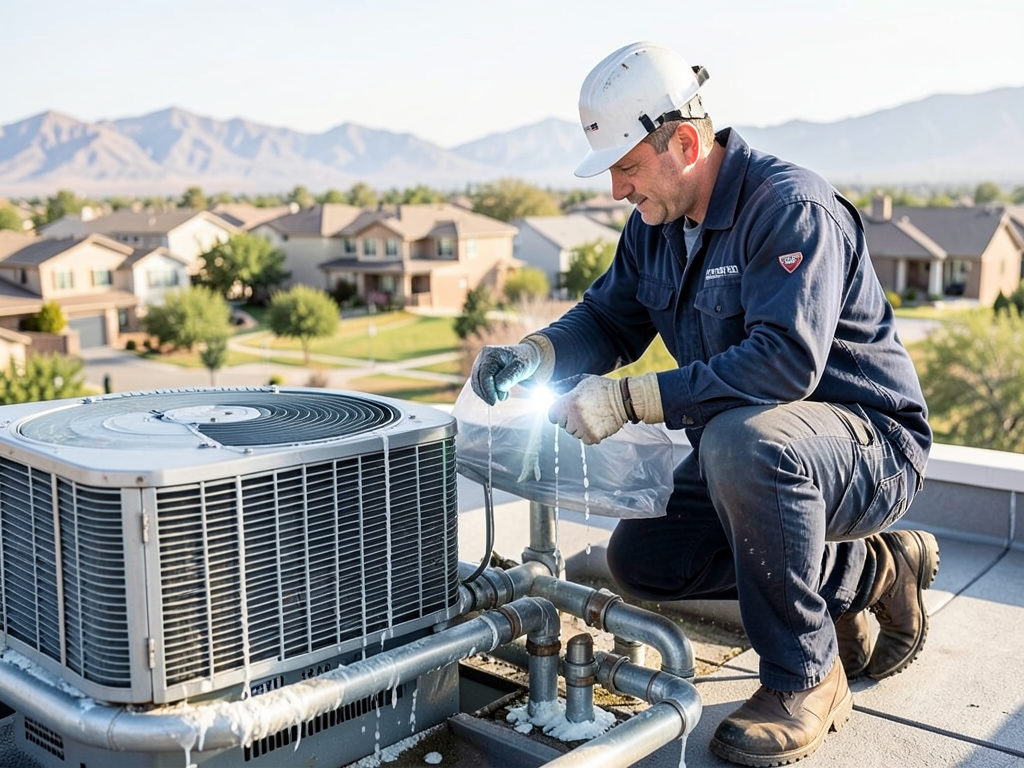
What to Do When Your Swamp Cooler Starts Leaking on Your Roof

What to Do When Your Swamp Cooler Starts Leaking on Your Roof A swamp cooler leaking onto your roof creates…

How to Prepare Your Outdoor Kitchen for a Salt Lake City Summer

How to Prepare Your Outdoor Kitchen for a Salt Lake City Summer Your outdoor kitchen needs more than just a…

Contact Us

Get a comprehensive residential plumbing checkup designed for Salt Lake City homes. Call Crestline Plumbing Salt Lake City at (385) 406-8899 to schedule your inspection. We identify problems before they cause damage, saving you money and protecting your most important investment.