menu

Plumbing Repair Cost Guide 2026 in Salt Lake City – Transparent Pricing Before You Commit

Get accurate plumbing repair pricing 2026 data for Salt Lake City, including service rates, labor factors, and cost breakdowns so you can budget smart and avoid surprise bills.

Slider Image 1
Slider Image 2
Slider Image 3
Slider Image 4
Slider Image 5
Slider Image 7
Slider Image 8
Slider Image 9
Slider Image 10
Slider Image 11

Why Salt Lake City Homeowners Need Real Plumbing Repair Pricing Data

You need a drain cleared, a water heater serviced, or a fixture replaced. The first question you ask is always the same. What will this cost?

Most plumbing companies give vague answers. They hide behind phrases like "depends on the situation" or "we need to see it first." That creates anxiety. You want to know if you are looking at a few hundred dollars or a few thousand before someone shows up.

Salt Lake City adds specific cost factors. Hard water from the Wasatch Aquifer creates mineral buildup in fixtures and pipes, accelerating wear. That increases the frequency of repairs. The area's freeze-thaw cycles during winter months stress outdoor hose bibs and irrigation lines, causing seasonal ruptures. Clay soil shifts around buried water lines, creating stress fractures that lead to leaks. These local conditions make average plumber costs 2026 higher than in areas with softer water or stable soils.

The 2026 plumbing repair price list reflects these realities. Service rates include drive time, diagnostic fees, material costs adjusted for current inflation, and labor complexity. A simple faucet swap in a single-story Sugarhouse bungalow costs less than a corroded galvanized pipe replacement in a split-level Holladay home. Plumbing service rates 2026 vary based on accessibility, fixture type, and code compliance requirements.

This guide breaks down how much do plumbers charge 2026 for common repairs, what drives those costs, and what you should expect when you call for service. You will leave with realistic numbers, not marketing fluff.

Why Salt Lake City Homeowners Need Real Plumbing Repair Pricing Data
How Plumbing Repair Pricing Actually Works

How Plumbing Repair Pricing Actually Works

Plumbing repair pricing 2026 is not arbitrary. Three core factors determine the final bill.

Labor time is the foundation. Repairs get billed by the hour or by flat-rate pricing based on average job duration. A drain auger job takes 45 minutes. A slab leak repair takes four hours. Flat-rate books estimate labor based on thousands of completed jobs, then adjust for regional wage differences. Salt Lake City labor rates reflect a competitive metro market with moderate cost of living compared to Denver or Phoenix.

Material costs fluctuate with commodity markets. Copper pipe prices rise when industrial demand increases. PEX tubing remains stable. Specialty fixtures like pressure-reducing valves or backflow preventers carry higher markups because distributors stock fewer units. A repair requiring a proprietary Kohler cartridge costs more than one using a universal Moen part. Availability affects price.

Complexity multipliers apply when access becomes difficult. Cutting through finished drywall, navigating crawlspace insulation, or working around existing HVAC ductwork adds labor hours. A leaking shut-off valve under a pedestal sink takes 20 minutes. The same valve behind a tiled shower wall takes two hours because the wall requires strategic removal and patching. The valve itself costs the same. The surrounding work does not.

Diagnostic fees separate legitimate service companies from low-bid operators. A qualified plumber inspects the system, identifies root causes, and provides options. That expertise costs money upfront, usually applied toward the repair if you proceed. Companies that waive diagnostic fees often inflate the repair quote to compensate, hiding the true cost structure. Transparent plumbing service rates 2026 include line-item breakdowns showing diagnostic time, labor, materials, and markup percentages.

What Happens When You Request a Cost Estimate

Plumbing Repair Cost Guide 2026 in Salt Lake City – Transparent Pricing Before You Commit
01

Initial Phone Assessment

When you call for an estimate, the dispatcher collects details about the problem. What fixture is affected? When did symptoms start? Is water actively leaking? These answers determine urgency and help the plumber arrive prepared. You receive an estimated service call window and any applicable diagnostic fee information. Clear communication at this stage prevents misunderstandings later.
02

On-Site Diagnosis and Pricing

The plumber inspects the affected area, tests water pressure, checks shut-off valves, and identifies the failure point. A camera scope might run through drain lines to locate blockages. For leaks, moisture meters trace water paths through walls. Once the plumber confirms the diagnosis, you receive a written estimate showing labor hours, material costs, and total price before any work begins.
03

Approval and Completion

You approve the estimate, and work proceeds. The plumber completes the repair, tests the system for proper operation, and cleans the work area. You receive an itemized invoice matching the original estimate unless additional problems surfaced during the repair. Any change orders require your approval. The final bill reflects exactly what was agreed upon at the start.

Why Local Knowledge Affects Your Plumbing Costs

National pricing guides provide baselines, but local conditions change the math. A plumber experienced in Salt Lake City knows what breaks most often and why.

Hard water from the Wasatch Aquifer carries high mineral content, primarily calcium and magnesium. These minerals precipitate out inside water heaters, faucet aerators, and showerheads. Over time, buildup restricts flow, reduces heater efficiency, and causes premature component failure. A water heater that lasts 15 years in Seattle might fail at 10 years here. Experienced plumbers factor that shortened lifespan into maintenance recommendations and replacement timing. If your water heater is eight years old and showing signs of sediment buildup, replacement beats repair because you are close to failure anyway.

Freeze-thaw cycles stress exterior hose bibs and irrigation lines. When temperatures drop below freezing, water inside un-drained lines expands, cracking copper fittings or splitting PEX connections. A plumber familiar with Salt Lake City winters knows to check for these failures every spring. They stock freeze-proof sillcocks and recommend seasonal blow-out services for irrigation systems. That prevents costly emergency calls when a burst pipe floods your crawlspace.

The Uniform Plumbing Code governs installations in Utah, but Salt Lake City has adopted amendments addressing seismic concerns and water conservation. Earthquake-rated flexible gas connectors are required for water heaters. Low-flow fixtures must meet specific gallons-per-minute thresholds. A plumber who works in the city regularly knows these requirements and prices jobs accordingly. Out-of-area contractors might miss code details, leading to failed inspections and rework costs.

Crestline Plumbing Salt Lake City completes hundreds of repairs annually across Avenues, Federal Heights, Sugarhouse, and surrounding neighborhoods. That volume creates pricing accuracy. We know how long each job actually takes in local housing stock, not theoretical estimates from a national database.

What You Should Expect from Your Service Call

Arrival and Timeframe

Most non-emergency service calls get scheduled within 24 to 48 hours. Emergency calls for active leaks or sewer backups receive same-day dispatch. The plumber arrives in a fully stocked truck carrying common parts like wax rings, supply lines, faucet cartridges, and pipe fittings. This eliminates delays for parts runs on straightforward repairs. You receive a call 30 minutes before arrival so you can prepare access to the work area. Total time on-site varies, but most repairs finish within two hours once work begins.

Diagnostic Process

The plumber asks questions about symptoms, then performs hands-on testing. For leaks, this includes checking water pressure at fixtures, inspecting shut-off valves for corrosion, and tracing moisture with detection tools. For clogs, a camera scope identifies blockage location and cause. For water heaters, the plumber tests temperature-pressure relief valves, inspects anode rods, and checks for sediment buildup. Diagnostics take 20 to 45 minutes depending on system complexity. You receive a clear explanation of findings and repair options before any work proceeds.

Quality of Work

Repairs follow manufacturer specifications and local code requirements. Soldered copper joints get cleaned, fluxed, and heated to proper temperature for complete penetration. PEX connections use calibrated expansion tools to ensure watertight seals. Threaded fittings receive Teflon tape or pipe dope based on application. The plumber tests all work under pressure before closing walls or leaving the site. You see the system operating correctly before the invoice gets finalized. Cleanup includes removing old parts, wiping surfaces, and vacuuming debris.

Post-Repair Support

Most repairs include a workmanship warranty covering labor for a defined period. Parts warranties follow manufacturer terms, typically one to five years depending on the component. You receive documentation showing what was replaced, part numbers, and warranty details. If issues arise after completion, callback service addresses problems without additional diagnostic fees. Maintenance recommendations might include water heater flushing schedules, filter replacement intervals, or shut-off valve testing. These preventive steps extend system life and reduce future repair costs.

Frequently Asked Questions

You Have Questions,
We Have Answers

How to price out plumbing work? +

Start by identifying the scope of work. Break down the project into labor hours, materials, and overhead costs. Factor in your service area complexity. In Salt Lake City, older homes near the Avenues or Sugar House often have aging galvanized pipes that require more time. Calculate travel time, permit fees, and disposal costs. Add your profit margin based on expertise and certifications. Get multiple quotes from licensed contractors to compare pricing structures. Transparent contractors itemize costs, showing parts, labor rates per hour, and any diagnostic fees. Always ask for written estimates before work begins.

How much does a plumbing repair cost? +

Plumbing repairs in Salt Lake City range widely based on complexity. Simple fixture repairs like faucet washers run lower, while slab leak detection and repair costs significantly more. Main line stoppages, water heater replacements, and pipe bursts fall in the middle. Salt Lake City's hard water affects fixtures faster, leading to frequent cartridge replacements. Emergency after-hours service increases costs. The age of your home matters. Properties built before 1980 often have polybutylene or galvanized pipes that complicate repairs. Always get an upfront diagnostic assessment. Licensed plumbers provide itemized estimates before starting work.

How should I be pricing my plumbing projects? +

Price projects by calculating total labor hours, materials markup, overhead, and profit margin. Factor in job complexity, required permits, and equipment needs. For Salt Lake City work, account for hard water damage that complicates fixture installations. Consider your experience level and certification costs. Research local competitor rates but do not undercut quality. Include warranty coverage in your pricing model. For residential jobs, offer tiered pricing options. Commercial projects require detailed proposals with line-item breakdowns. Always factor in callback risk and seasonal demand fluctuations. Winter freeze events in Salt Lake City increase emergency pricing due to burst pipe demand.

Is it normal for a plumber to charge for a quote? +

Many Salt Lake City plumbers charge trip fees or diagnostic fees that apply toward the repair if you proceed. This covers the technician's time, fuel, and expertise in assessing your system. Legitimate contractors invest in ongoing training, licensing, insurance, and diagnostic equipment. Free quotes work for straightforward installations, but complex diagnostics require compensation. Expect charges for camera inspections, pressure testing, or leak detection services. Some companies waive diagnostic fees during promotions or for established customers. Always clarify fee structures upfront. If a plumber offers free quotes for everything, question their business sustainability and service quality.

What is the 135 rule for plumbing? +

The 135 rule is a commercial plumbing markup guideline where you multiply material costs by 1.35 to cover overhead, profit, and labor integration. It helps contractors price parts consistently while maintaining margins. This rule applies to fittings, fixtures, and components but not labor hours. In Salt Lake City's commercial market, this baseline adjusts for project scale and client type. Residential plumbing often uses different markup structures due to smaller job sizes. The formula ensures you cover business costs like licensing, insurance, vehicle maintenance, and tool replacement. It simplifies estimating but should not replace comprehensive job costing.

How much is plumbing for a 3,000 sq ft house? +

Rough-in plumbing for a new 3,000 square foot house in Salt Lake City depends on bathroom count, fixture quality, and layout complexity. Homes with multiple stories, luxury bathrooms, or outdoor hookups increase costs. Standard two-story builds with three bathrooms fall mid-range. Salt Lake City's clay soil may require special foundation considerations for main line installations. Permits, inspections, and code compliance add to total costs. PEX repiping costs less than copper but depends on your specifications. Expect higher pricing if you choose high-efficiency water heaters or whole-house filtration systems for Salt Lake City's hard water.

What is the most expensive plumbing issue? +

Slab leak repairs and main sewer line replacements rank as the most expensive plumbing issues. Slab leaks require concrete cutting, pipe rerouting, and foundation repair, especially in Salt Lake City homes built on concrete slabs. Full sewer line replacement involves excavation, disposal, permits, and landscape restoration. Older neighborhoods near Liberty Park or Federal Heights often have clay sewer lines damaged by tree roots. Whole-house repiping follows closely in cost, particularly when removing outdated galvanized or polybutylene systems. Emergency flood mitigation after pipe bursts adds restoration costs beyond the plumbing repair itself.

Does homeowners insurance cover water pipe repair? +

Homeowners insurance typically covers sudden and accidental pipe damage, like burst pipes from freezing. Salt Lake City's winter temperature swings cause frequent freeze-thaw pipe failures. Insurance usually excludes gradual damage from corrosion, wear, or lack of maintenance. Slab leaks may receive partial coverage depending on your policy. Sewer line repairs outside your foundation are rarely covered unless you carry specific endorsements. Always review your policy's water damage exclusions. Document damage immediately with photos. File claims quickly, especially after winter storms. Consider adding water backup coverage if you live in older Salt Lake City neighborhoods with combined sewer systems.

How much to replumb a 2000 sq ft house? +

Whole-house repiping for a 2,000 square foot home in Salt Lake City depends on access, materials, and fixture count. Single-story homes with crawl spaces cost less than two-story homes with finished basements. PEX piping offers cost savings over copper while handling Salt Lake City's hard water well. The project includes shutting off water, installing new supply lines, pressure testing, and drywall patching. Homes in the Avenues or older Sugar House areas often have plaster walls that increase restoration costs. Timeline runs one to three days for standard layouts. Always verify contractor licensing and request written warranties covering materials and labor.

What are the 5 C's of pricing? +

The 5 C's of pricing are Cost, Customer, Competition, Channel, and Company objectives. Cost includes materials, labor, and overhead. Customer addresses what your Salt Lake City market will bear based on income levels and property values. Competition means researching local plumber rates without undercutting quality. Channel refers to how you deliver service, direct or through partnerships. Company objectives balance growth goals with profit margins. For plumbing, this framework ensures sustainable pricing while remaining competitive. Salt Lake City's mix of historic homes and new developments requires flexible pricing strategies that respect each C while maintaining service standards and profitability.

How Salt Lake City Water Conditions Increase Repair Frequency

The Wasatch Aquifer supplies most municipal water in Salt Lake City. That water measures between 12 and 18 grains per gallon of hardness, qualifying as hard to very hard. Calcium carbonate precipitates out when water heats, forming scale inside tanks, on heating elements, and within supply lines. Faucet aerators clog with white mineral deposits within months of installation. Showerheads lose pressure as internal channels narrow. Water heaters require flushing twice as often as in soft-water areas to prevent sediment from insulating the tank bottom, reducing efficiency and shortening lifespan. Understanding this reality helps you budget for more frequent maintenance and earlier replacement cycles compared to national averages.

Local plumbers working daily in Salt Lake City recognize patterns that visiting contractors miss. They know which pipe materials perform best in local soil conditions. They understand how elevation changes between neighborhoods affect water pressure and what that means for fixture selection. They stock parts that fail most often in this climate. This knowledge translates to faster diagnosis, accurate first-time estimates, and fewer callbacks. When you choose a provider embedded in the local service ecosystem, you benefit from accumulated experience across thousands of similar repairs in identical housing stock and environmental conditions.
Plumbing Services in The Salt Lake City Area

We are proud to be a locally owned and operated business, dedicated to serving the entire Salt Lake City area and surrounding communities. Use the map below to pinpoint our location or to better understand our full service coverage across the region. If you need immediate assistance or would like to confirm that your home or business is within our guaranteed service area, please call our office directly—our warm, professional team is always ready to dispatch an expert to your location quickly.

Address:
Crestline Plumbing Salt Lake City, 222 S Main St, Salt Lake City, UT, 84101

Additional Services We Offer

Our news updates

Latest Articles & News from The Blogs

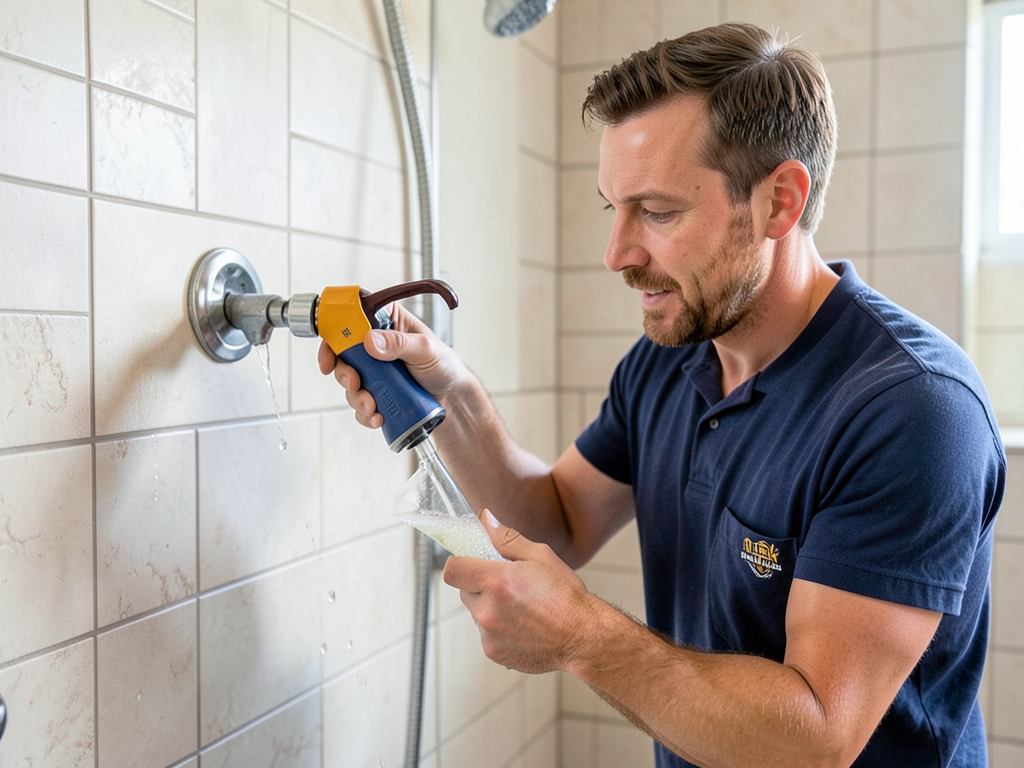
Removing White Crusty Buildup from Your Showerheads and Faucets White crusty buildup on your showerheads and faucets isn’t just an…

Removing White Crusty Buildup from Your Showerheads and Faucets

Removing White Crusty Buildup from Your Showerheads and Faucets White crusty buildup on your showerheads and faucets isn’t just an…

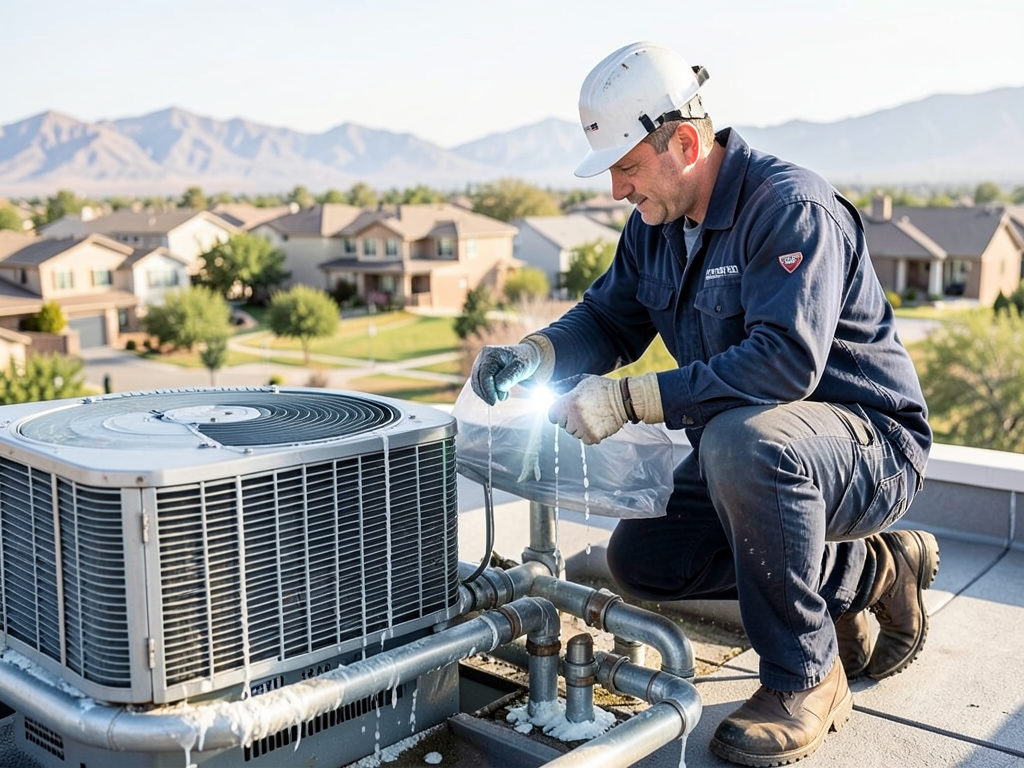
What to Do When Your Swamp Cooler Starts Leaking on Your Roof

What to Do When Your Swamp Cooler Starts Leaking on Your Roof A swamp cooler leaking onto your roof creates…

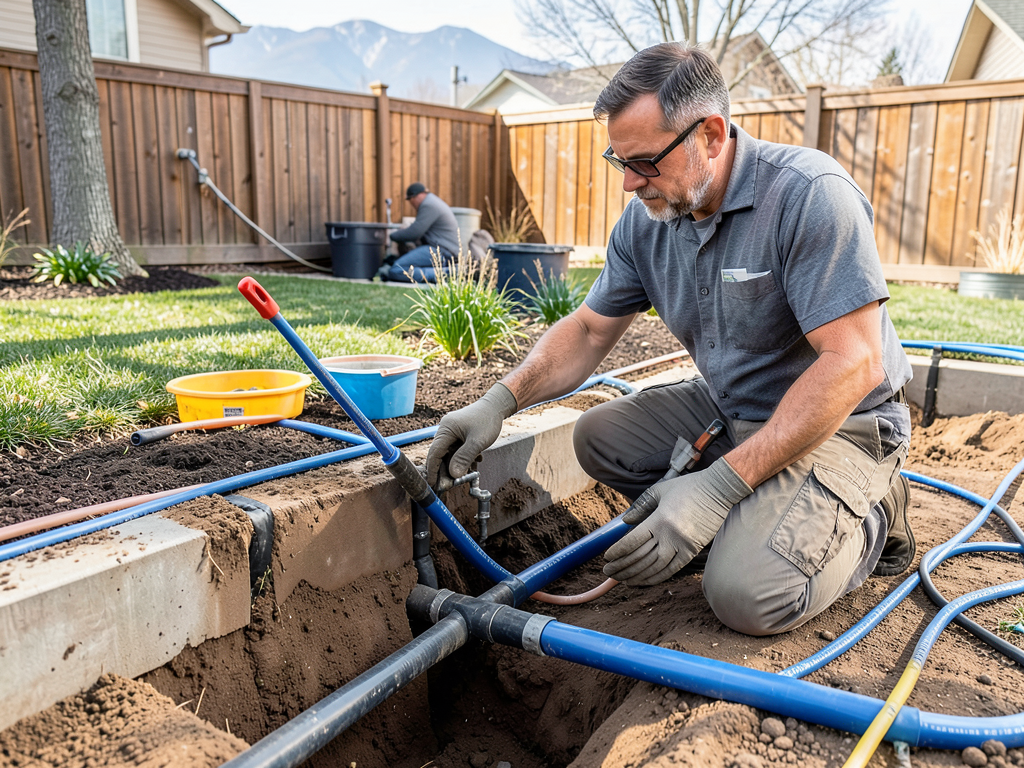
How to Prepare Your Outdoor Kitchen for a Salt Lake City Summer

How to Prepare Your Outdoor Kitchen for a Salt Lake City Summer Your outdoor kitchen needs more than just a…

Contact Us

Stop guessing what your repair will cost. Call Crestline Plumbing Salt Lake City at (385) 406-8899 for transparent estimates based on real local conditions. We provide detailed pricing before starting work so you can make informed decisions without pressure or surprises.