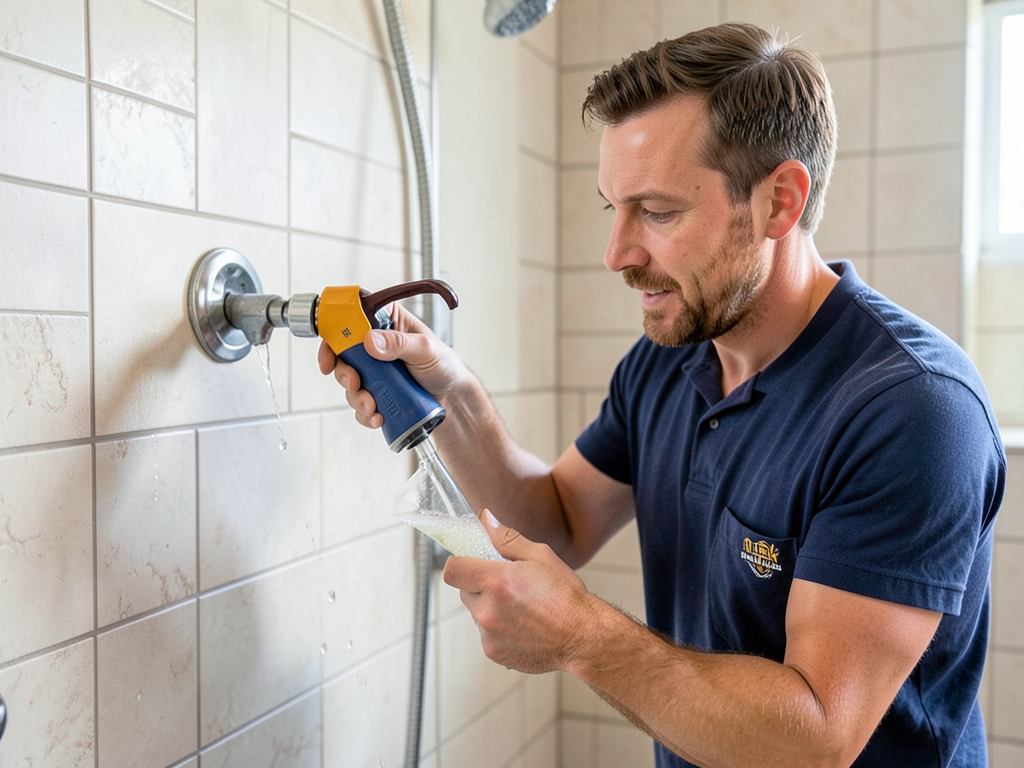
Salt Lake City's water supply contains elevated calcium and magnesium concentrations that precipitate as scale inside commercial water heaters, boilers, and supply lines. This mineral buildup reduces heat transfer efficiency, increases energy costs, and eventually blocks flow entirely. Commercial equipment serving high-volume demand accumulates scale faster than residential systems. Routine commercial plumbing inspections include sediment measurement and scheduled flushing that extends equipment life and prevents catastrophic failures during peak business hours.
Salt Lake City's commercial building codes and health department regulations require specific maintenance intervals and testing frequencies for backflow preventers, grease traps, and hot water sanitization systems. Facilities serving food or providing medical services face stricter compliance standards than general office properties. Crestline Plumbing Salt Lake City maintains current knowledge of local regulatory requirements and files compliance documentation directly with municipal authorities. We understand which Salt Lake City inspectors cover which districts and what documentation formats satisfy their reporting requirements.