
Safe Replacement of Polybutylene Quest Piping in West Jordan Homes
West Jordan homeowners built between 1978 and 1995 often discover their homes contain polybutylene pipes, also known as Quest piping. These gray flexible pipes were once popular for their low cost and easy installation, but they now pose serious risks of sudden failure and water damage. If your home falls within this era, you need to understand the dangers and the safe replacement process available today. Best Water Softener Installation Services in Salt Lake City to Fight Hard Water.
Polybutylene pipes degrade when exposed to chlorine and other chemicals in municipal water supplies. The pipes develop micro-fractures that can lead to catastrophic leaks without warning. In West Jordan, the combination of aging infrastructure and Salt Lake County water chemistry makes this a pressing concern for many residents. Water Main Leak Detection and Repair in Holladay.
The replacement process involves removing all polybutylene pipes and installing modern PEX or copper piping. This work typically takes two to five days depending on your home’s size and layout. Professional plumbers follow strict building codes and obtain necessary permits from the West Jordan Building Department to ensure safe installation. EPA information on chlorine in drinking water.
Homeowners who replace polybutylene pipes often see benefits beyond leak prevention. Insurance companies may deny coverage or charge higher premiums for homes with these pipes. Replacing them can restore full insurance eligibility and protect your property value. The investment also prevents the emotional and financial stress of unexpected water damage. Water Stains on Ceiling or Walls.
Why West Jordan Homeowners Are Replacing Polybutylene (Quest) Piping
West Jordan experienced rapid growth during the 1980s and early 1990s, with thousands of homes built using polybutylene piping. This material was marketed as a revolutionary alternative to copper, offering lower installation costs and resistance to corrosion. However, the pipes proved vulnerable to chemical degradation from water treatment additives.. Read more about How to Get Instant Hot Water in Alpine with a Recirculating Pump.
The failure pattern in West Jordan homes typically follows a predictable timeline. Pipes installed in the late 1970s and early 1980s now reach their failure point, while those from the early 1990s show accelerated deterioration. The local water supply, treated with chlorine and chloramine, attacks the polymer structure of polybutylene, causing it to become brittle and develop stress fractures.
Insurance companies have taken notice of these failure patterns. Many Utah insurers now require disclosure of polybutylene pipes during the application process. Some companies refuse coverage entirely for homes with these pipes, while others impose significant premium increases or require expensive rider policies. This creates a financial incentive for replacement beyond the risk of water damage.
The real estate market in West Jordan also reflects these concerns. Home inspectors routinely identify polybutylene pipes during pre-purchase evaluations. Buyers often request replacement as a condition of sale, or they may walk away from properties with extensive polybutylene systems. This can significantly impact your home’s marketability and sale price.
Local building codes have evolved to address these issues. The International Plumbing Code, adopted by Utah and enforced in West Jordan, now prohibits the installation of polybutylene pipes in new construction. This means replacement must use approved materials like PEX or copper, installed to current standards that ensure long-term reliability. Reliable Plumbing Repair for Historic Homes in The Avenues.
Identifying Polybutylene: Is Your West Jordan Home at Risk?
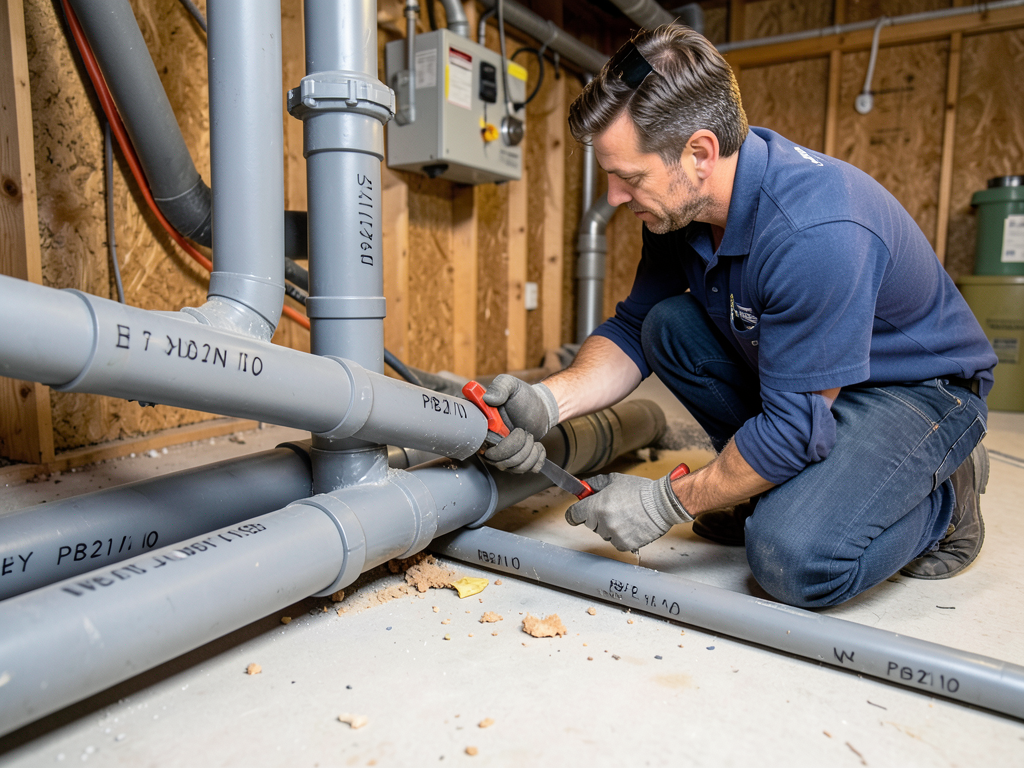
Identifying polybutylene pipes requires knowing what to look for in your home’s plumbing system. These pipes are typically gray, though they can also appear blue or black. They are flexible and have a dull finish, unlike the shiny surface of copper pipes. The most reliable identification method is finding the manufacturer’s markings stamped on the pipe.
Look for stamps that read “PB2110” or “PB2110” followed by a manufacturer code. Common brands include Quest, Qest, Vanguard, and others. These markings are usually found near fittings or along straight sections of pipe. The pipes often have copper or plastic fittings that connect them to fixtures and other plumbing components.
Common locations for polybutylene pipes include exposed areas in basements, crawl spaces, and utility rooms. They may also run through walls to supply water to fixtures throughout your home. In West Jordan homes, you’ll often find these pipes entering the home through the foundation wall or running along floor joists in unfinished basements.
The age of your home provides another clue. Homes built between 1978 and 1995 in West Jordan are at highest risk. This includes many properties in established neighborhoods like the Oquirrh area, the Sycamores, and other developments that boomed during this period. Even if your home has been remodeled, original polybutylene pipes may remain in walls or under floors.
A visual inspection can reveal warning signs of pipe degradation. Look for white or chalky deposits on pipe surfaces, which indicate chemical breakdown. Check for any visible cracks, splits, or areas where the pipe appears swollen or deformed. These are indicators that the pipes are nearing failure and should be replaced immediately.
Professional plumbers use specialized tools to confirm polybutylene presence and assess pipe condition. A borescope camera can inspect pipes in wall cavities without demolition. Moisture meters can detect hidden leaks behind walls. These diagnostic tools help create a comprehensive replacement plan that addresses all affected areas of your home’s plumbing system.
The Re-Piping Process: What to Expect During Installation
The polybutylene replacement process begins with a comprehensive home assessment. Licensed plumbers evaluate your home’s plumbing layout, identify all polybutylene pipes, and determine the best routing for new piping. This assessment includes checking water pressure, inspecting existing fixtures, and noting any areas where pipes may be difficult to access.
Permit acquisition represents the first official step. West Jordan requires permits for whole-house re-piping projects to ensure compliance with local building codes. The permit process involves submitting plumbing plans that show the proposed replacement layout. City inspectors review these plans to verify they meet current standards before work begins.
Water shut-off typically occurs on the first day of work. Plumbers isolate your home’s water supply and drain existing pipes to prepare for removal. This process requires coordination to minimize disruption to your household. Most families can manage with temporary water access for essential needs during the replacement period. Expert Drain Cleaning in Sandy UT for Stubborn Clogs.
Pipe removal follows a systematic approach. Technicians remove polybutylene pipes section by section, taking care to minimize damage to walls and ceilings. In some cases, they may need to open access panels or create small openings to reach pipes in wall cavities. The goal is complete removal of all polybutylene material from your home.
Installation of new piping occurs after all polybutylene is removed. Plumbers typically install PEX piping using a manifold system, which provides dedicated water lines to each fixture. This approach improves water pressure and allows for easier future maintenance. Copper piping remains an option for homeowners who prefer its traditional reliability and recyclability.
Testing and inspection follow installation. Plumbers pressure-test the new system to verify there are no leaks. They also check water flow to each fixture and ensure proper operation of all valves and connections. West Jordan building inspectors may visit the site to verify compliance with permit requirements before work is considered complete.
Restoration work concludes the project. This includes repairing any wall or ceiling openings created during pipe removal, patching drywall, and repainting affected areas. Professional plumbing companies coordinate this work to ensure your home returns to its original condition, minus the problematic polybutylene pipes.
PEX vs. Copper: Choosing the Right Replacement for Utah’s Water
PEX piping has become the standard replacement for polybutylene in Utah homes. This flexible plastic tubing offers several advantages for West Jordan’s climate and water conditions. PEX resists the chemical degradation that affects polybutylene, and it handles Utah’s temperature extremes better than rigid materials.
The flexibility of PEX allows for installation with fewer fittings, reducing potential leak points. This material expands slightly when water freezes, making it less likely to burst during cold snaps common in Salt Lake County. PEX also resists scale buildup from Utah’s hard water, maintaining better water flow over time compared to copper.
Installation costs for PEX typically run 30-40% lower than copper. The material itself costs less, and installation requires fewer specialized tools and less labor time. PEX’s flexibility allows plumbers to run continuous lines without joints, speeding up the installation process and reducing overall project duration.
Copper piping offers advantages in durability and longevity. This material can last 50+ years with proper installation and water treatment. Copper resists UV damage and certain types of biological growth that can affect plastic pipes. Many homeowners choose copper for its proven track record and the fact that it’s fully recyclable.
Water chemistry in West Jordan affects both materials differently. The area’s moderately hard water can cause scale buildup in copper pipes over time, potentially reducing water flow. However, this same water chemistry has minimal effect on PEX, which maintains its internal diameter regardless of mineral content.
Cost considerations extend beyond initial installation. PEX typically costs $1,500-2,500 for an average West Jordan home, while copper can run $2,500-4,000 for the same project. However, copper’s longer lifespan may provide better value over decades of homeownership, particularly for buyers planning to stay in their homes long-term.
Local building codes in West Jordan accept both materials for replacement piping. The International Plumbing Code, adopted by Utah, permits PEX installation when following manufacturer specifications and local requirements. Both materials must be installed by licensed plumbers who understand the specific challenges of Utah’s climate and water conditions.
Local Building Codes and Permits for West Jordan Plumbing Projects
West Jordan enforces the International Plumbing Code through its building department, requiring permits for whole-house re-piping projects. The permit process ensures all work meets current safety standards and protects homeowners from substandard installations. Understanding these requirements helps you plan your polybutylene replacement properly.
Permit applications require detailed plumbing plans showing the proposed replacement layout. These plans must indicate pipe routing, fixture locations, and material specifications. West Jordan inspectors review plans to verify compliance with code requirements before issuing permits. This review process typically takes three to five business days.
Utah’s licensing requirements mandate that all plumbing work be performed by licensed professionals. Journeyman plumbers must work under master plumber supervision for residential projects. This requirement ensures proper installation techniques and adherence to safety standards. Always verify your plumber’s license status through the Utah Division of Professional Licensing.
West Jordan’s inspection process includes multiple checkpoints during re-piping projects. Initial inspections verify proper pipe support and protection before walls are closed. Final inspections confirm all work meets code requirements before water service is restored. These inspections protect homeowners by ensuring quality installation.
Water pressure requirements in West Jordan typically range from 40 to 80 PSI. New piping installations must maintain proper pressure throughout the system. This may require pressure regulators or expansion tanks in some homes. The building department verifies these components are correctly installed during inspections.
Backflow prevention represents another code requirement in West Jordan. While whole-house re-piping projects may not always require additional backflow devices, any new fixtures or connections must include proper protection. This prevents contaminated water from flowing back into the municipal supply system.
West Jordan’s climate considerations affect installation requirements. Pipes must be properly insulated in unconditioned spaces to prevent freezing. This includes adequate insulation around pipes in exterior walls, crawl spaces, and attics. The building department verifies insulation meets minimum R-value requirements for the local climate zone.
Documentation requirements extend beyond the permit process. Professional plumbers provide homeowners with detailed records of the work performed, including material specifications and warranty information. This documentation proves valuable for insurance purposes and future home sales, demonstrating that the replacement was completed to code standards.
Frequently Asked Questions About Polybutylene Replacement
How long does polybutylene pipe replacement take?
Most whole-house replacements in West Jordan homes take two to five days depending on house size and complexity. Single-story homes typically complete faster than multi-story properties. Weather conditions and permit processing times can affect the overall timeline.
Can I stay in my home during the replacement?
Yes, most homeowners remain in their homes during re-piping. Plumbers work to minimize disruption by completing one area at a time. You’ll experience brief water shut-offs during pipe removal and installation, but temporary water access is usually available for essential needs.
Will polybutylene replacement increase my home’s value?
Replacing polybutylene pipes typically increases home value by $5,000-15,000. This improvement removes a major red flag for buyers and insurance companies. The investment often pays for itself through improved insurance eligibility and increased marketability when selling your home.
What’s the difference between PEX and copper piping?
PEX costs less and installs faster, while copper offers longer lifespan and proven durability. PEX resists freezing better and handles Utah’s hard water more effectively. Copper provides better resistance to UV damage and certain types of biological growth. Both materials meet West Jordan building codes.
How much does polybutylene replacement cost in West Jordan?
Replacement costs in West Jordan range from $1,500-4,000 depending on home size and chosen material. PEX installations typically cost $1,500-2,500, while copper replacements run $2,500-4,000. Factors affecting cost include home age, accessibility, and whether walls need opening for pipe removal.
Do I need permits for polybutylene replacement?
Yes, West Jordan requires permits for whole-house re-piping projects. The permit process ensures work meets current building codes and includes required inspections. Professional plumbers handle permit acquisition as part of their service, submitting plans and coordinating with building department inspectors.
What happens if I don’t replace polybutylene pipes?
Untreated polybutylene pipes continue degrading and eventually fail, causing water damage. Insurance companies may deny claims for damage from known problematic materials. You also face potential difficulties selling your home, as buyers and inspectors identify polybutylene as a significant liability requiring immediate attention.
How can I identify polybutylene pipes in my home?
Look for gray, blue, or black flexible pipes with “PB2110” markings. These pipes were commonly installed in West Jordan homes built between 1978 and 1995. Check exposed areas in basements, crawl spaces, and utility rooms. Professional plumbers can confirm identification using specialized diagnostic tools.
Does homeowners insurance cover polybutylene pipe replacement?
Standard policies typically don’t cover replacement of existing pipes simply due to age or material type. However, if pipes fail and cause damage, insurance may cover repair costs. Some insurers offer specific endorsements for polybutylene replacement, though many require replacement before providing coverage.
What building codes apply to polybutylene replacement in West Jordan?
West Jordan enforces the International Plumbing Code, which prohibits new polybutylene installation. Replacement must use approved materials like PEX or copper, installed to current standards. Local requirements include proper pipe support, insulation, and backflow prevention where applicable.
Ready to Replace Your Polybutylene Pipes?
Don’t wait for a catastrophic leak to damage your West Jordan home. Polybutylene pipes in our area are reaching the end of their functional life, and the risk of sudden failure increases with each passing month. The combination of aging pipes and Salt Lake County water chemistry creates a perfect storm for unexpected flooding and expensive water damage.
Professional replacement protects your home, your family, and your finances. Modern PEX or copper piping provides decades of reliable service without the degradation risks of polybutylene. The investment pays for itself through improved insurance eligibility, increased home value, and peace of mind knowing your plumbing system won’t fail unexpectedly.
Call (385) 406-8899 today to schedule your polybutylene inspection. Our licensed plumbers will evaluate your home’s plumbing system, explain your replacement options, and provide a detailed quote with no hidden fees. We handle everything from permit acquisition to final inspection, ensuring your project meets all West Jordan building code requirements.
Pick up the phone and call (385) 406-8899 before the next storm hits or the next freeze-thaw cycle stresses your aging pipes. Every day you wait increases the risk of water damage that could cost thousands in repairs. Protect your West Jordan home with professional polybutylene replacement from experienced local plumbers who understand our unique climate and building requirements. For more information, visit 2021 International Plumbing Code.
{
“@context”: “https://schema.org”,
“@type”: “BlogPosting”,
“headline”: “Safe Replacement of Polybutylene Quest Piping in West Jordan Homes”,
“description”: “Discover why West Jordan homes built 1978-1995 need polybutylene pipe replacement. Learn the risks, process, and local codes for safe re-piping with PEX or copper.”,
“wordCount”: 2677,
“datePublished”: “2026-04-23T15:07:00.000Z”,
“dateModified”: “2026-04-23T15:07:00.000Z”,
“inLanguage”: “en-US”,
“mainEntityOfPage”: {
“@type”: “WebPage”,
“@id”: “https://crestlineplumbingsaltlakecity.com”
},
“publisher”: {
“@type”: “LocalBusiness”,
“name”: “Crestline Plumbing Salt Lake City”,
“url”: “https://crestlineplumbingsaltlakecity.com”
},
“author”: {
“@type”: “Organization”,
“name”: “Crestline Plumbing Salt Lake City”,
“url”: “https://crestlineplumbingsaltlakecity.com”
},
“image”: {
“@type”: “ImageObject”,
“url”: “https://crestlineplumbingsaltlakecity.com/wp-content/uploads/2026/03/safe-replacement-of-polybutylene-quest-piping-in-w-1.png”
}
}
{
“@context”: “https://schema.org”,
“@type”: “Plumber”,
“name”: “Crestline Plumbing Salt Lake City”,
“url”: “https://crestlineplumbingsaltlakecity.com”,
“address”: {
“@type”: “PostalAddress”,
“addressLocality”: “Salt Lake City”
},
“areaServed”: {
“@type”: “City”,
“name”: “Salt Lake City”
}
}
{
“@context”: “https://schema.org”,
“@type”: “FAQPage”,
“mainEntity”: [
{
“@type”: “Question”,
“name”: “Identifying Polybutylene: Is Your West Jordan Home at Risk?”,
“acceptedAnswer”: {
“@type”: “Answer”,
“text”: “Identifying polybutylene pipes requires knowing what to look for in your home’s plumbing system. These pipes are typically gray, though they can also appear blue or black. They are flexible and have a dull finish, unlike the shiny surface of copper pipes. The most reliable identification method is finding the manufacturer’s markings stamped on the pipe.”
}
},
{
“@type”: “Question”,
“name”: “How long does polybutylene pipe replacement take?”,
“acceptedAnswer”: {
“@type”: “Answer”,
“text”: “Most whole-house replacements in West Jordan homes take two to five days depending on house size and complexity. Single-story homes typically complete faster than multi-story properties. Weather conditions and permit processing times can affect the overall timeline.”
}
},
{
“@type”: “Question”,
“name”: “Can I stay in my home during the replacement?”,
“acceptedAnswer”: {
“@type”: “Answer”,
“text”: “Yes, most homeowners remain in their homes during re-piping. Plumbers work to minimize disruption by completing one area at a time. You’ll experience brief water shut-offs during pipe removal and installation, but temporary water access is usually available for essential needs.”
}
},
{
“@type”: “Question”,
“name”: “Will polybutylene replacement increase my home’s value?”,
“acceptedAnswer”: {
“@type”: “Answer”,
“text”: “Replacing polybutylene pipes typically increases home value by $5,000-15,000. This improvement removes a major red flag for buyers and insurance companies. The investment often pays for itself through improved insurance eligibility and increased marketability when selling your home.”
}
},
{
“@type”: “Question”,
“name”: “What’s the difference between PEX and copper piping?”,
“acceptedAnswer”: {
“@type”: “Answer”,
“text”: “PEX costs less and installs faster, while copper offers longer lifespan and proven durability. PEX resists freezing better and handles Utah’s hard water more effectively. Copper provides better resistance to UV damage and certain types of biological growth. Both materials meet West Jordan building codes.”
}
},
{
“@type”: “Question”,
“name”: “How much does polybutylene replacement cost in West Jordan?”,
“acceptedAnswer”: {
“@type”: “Answer”,
“text”: “Replacement costs in West Jordan range from $1,500-4,000 depending on home size and chosen material. PEX installations typically cost $1,500-2,500, while copper replacements run $2,500-4,000. Factors affecting cost include home age, accessibility, and whether walls need opening for pipe removal.”
}
},
{
“@type”: “Question”,
“name”: “Do I need permits for polybutylene replacement?”,
“acceptedAnswer”: {
“@type”: “Answer”,
“text”: “Yes, West Jordan requires permits for whole-house re-piping projects. The permit process ensures work meets current building codes and includes required inspections. Professional plumbers handle permit acquisition as part of their service, submitting plans and coordinating with building department inspectors.”
}
},
{
“@type”: “Question”,
“name”: “What happens if I don’t replace polybutylene pipes?”,
“acceptedAnswer”: {
“@type”: “Answer”,
“text”: “Untreated polybutylene pipes continue degrading and eventually fail, causing water damage. Insurance companies may deny claims for damage from known problematic materials. You also face potential difficulties selling your home, as buyers and inspectors identify polybutylene as a significant liability requiring immediate attention.”
}
},
{
“@type”: “Question”,
“name”: “How can I identify polybutylene pipes in my home?”,
“acceptedAnswer”: {
“@type”: “Answer”,
“text”: “Look for gray, blue, or black flexible pipes with \”PB2110\” markings. These pipes were commonly installed in West Jordan homes built between 1978 and 1995. Check exposed areas in basements, crawl spaces, and utility rooms. Professional plumbers can confirm identification using specialized diagnostic tools.”
}
},
{
“@type”: “Question”,
“name”: “Does homeowners insurance cover polybutylene pipe replacement?”,
“acceptedAnswer”: {
“@type”: “Answer”,
“text”: “Standard policies typically don’t cover replacement of existing pipes simply due to age or material type. However, if pipes fail and cause damage, insurance may cover repair costs. Some insurers offer specific endorsements for polybutylene replacement, though many require replacement before providing coverage.”
}
},
{
“@type”: “Question”,
“name”: “What building codes apply to polybutylene replacement in West Jordan?”,
“acceptedAnswer”: {
“@type”: “Answer”,
“text”: “West Jordan enforces the International Plumbing Code, which prohibits new polybutylene installation. Replacement must use approved materials like PEX or copper, installed to current standards. Local requirements include proper pipe support, insulation, and backflow prevention where applicable.”
}
},
{
“@type”: “Question”,
“name”: “Ready to Replace Your Polybutylene Pipes?”,
“acceptedAnswer”: {
“@type”: “Answer”,
“text”: “Don’t wait for a catastrophic leak to damage your West Jordan home. Polybutylene pipes in our area are reaching the end of their functional life, and the risk of sudden failure increases with each passing month. The combination of aging pipes and Salt Lake County water chemistry creates a perfect storm for unexpected flooding and expensive water damage.”
}
}
]
}
{
“@context”: “https://schema.org”,
“@type”: “BreadcrumbList”,
“itemListElement”: [
{
“@type”: “ListItem”,
“position”: 1,
“name”: “Home”,
“item”: “https://crestlineplumbingsaltlakecity.com”
},
{
“@type”: “ListItem”,
“position”: 2,
“name”: “Blog”,
“item”: “https://crestlineplumbingsaltlakecity.com/blog”
},
{
“@type”: “ListItem”,
“position”: 3,
“name”: “Safe Replacement of Polybutylene Quest Piping in West Jordan Homes”
}
]
}
{
“@context”: “https://schema.org”,
“@type”: “Service”,
“serviceType”: “Plumbing”,
“provider”: {
“@type”: “LocalBusiness”,
“name”: “Crestline Plumbing Salt Lake City”,
“url”: “https://crestlineplumbingsaltlakecity.com”
},
“areaServed”: {
“@type”: “City”,
“name”: “Salt Lake City”
},
“description”: “Discover why West Jordan homes built 1978-1995 need polybutylene pipe replacement. Learn the risks, process, and local codes for safe re-piping with PEX or copper.”
}