menu

Septic Tank Emergency Pumping in Salt Lake City – Fast Response When Your System Backs Up

When your septic tank overflows or backs up into your home, you need immediate septic tank emptying. Our 24 hour septic pump out service protects your property from sewage damage with same day response across the Salt Lake Valley.

Slider Image 1
Slider Image 2
Slider Image 3
Slider Image 4
Slider Image 5
Slider Image 7
Slider Image 8
Slider Image 9
Slider Image 10
Slider Image 11

When Your Septic System Fails at the Worst Possible Time

You smell sewage. Your drains gurgle. Water pools in your yard near the septic tank. You flush the toilet and it backs up into your shower. These are not minor inconveniences. These are signs your septic system has reached critical capacity and you need urgent septic tank cleaning right now.

Salt Lake City's unique challenges make septic emergencies particularly problematic. Our high desert climate creates hard, compacted soil that resists drainage during wet springs when snowmelt saturates the ground. Many older homes in neighborhoods like Sugar House and Holladay were built before modern septic codes. These aging systems were sized for smaller households and cannot handle today's water usage from dishwashers, washing machines, and multiple bathrooms.

The valley's clay-heavy soil compounds the problem. When your drainfield becomes waterlogged, wastewater has nowhere to go. It backs up into your home or surfaces in your yard. Every minute you wait increases the contamination risk and potential property damage.

You cannot wait until Monday morning. Raw sewage contains bacteria, viruses, and parasites that threaten your family's health. It seeps into flooring, drywall, and carpets. It contaminates wells and groundwater. An emergency septic pumping service is not optional when your system fails. It is the only way to stop the damage and restore safe conditions in your home. Our same day septic pumping response eliminates the overflow and gives you immediate relief while we assess what caused the failure.

When Your Septic System Fails at the Worst Possible Time
How Emergency Septic Pumping Stops the Crisis

How Emergency Septic Pumping Stops the Crisis

When you call for immediate septic tank emptying, we dispatch a vacuum truck equipped to handle complete pump outs under urgent conditions. This is not routine maintenance. This is damage control.

Our technicians locate your tank access ports, which can be buried or hidden under landscaping in older Salt Lake City properties. We remove the lid and immediately assess the tank's condition. We check sludge depth, scum layer thickness, and liquid levels. A properly functioning septic tank should have clear separation between these layers. In an emergency, you typically see a full tank with no separation, indicating the system has been overloaded or the drainfield has failed.

We deploy the vacuum hose and begin extraction. Our trucks use high-powered pumps that pull solids and liquids simultaneously. We do not just pump until it looks empty. We remove all contents down to the tank floor, including the heavy sludge that settles at the bottom. This sludge harbors anaerobic bacteria and creates toxic gases like hydrogen sulfide. Complete removal is critical for system recovery.

While pumping, we inspect the inlet and outlet baffles. These components prevent solids from entering your drainfield. Damaged or missing baffles are a common cause of system failure. We check for cracks in the tank walls and signs of groundwater infiltration. We note the condition of the distribution box if accessible.

After pumping, we flush the tank with clean water to remove residual sludge and inspect the walls thoroughly. This reveals structural issues that might have contributed to the emergency. We document everything because your next steps depend on what we find during this 24 hour septic pump out.

What Happens During Your Emergency Call

Septic Tank Emergency Pumping in Salt Lake City – Fast Response When Your System Backs Up
01

Immediate Dispatch and Assessment

When you call our emergency line, we gather critical details about your situation. Where is the backup occurring? Can you access your tank location? How many people are in the home? We dispatch the nearest available vacuum truck to your property, typically arriving within two hours across the Salt Lake Valley. Our technician performs a rapid site assessment to determine the safest pump out approach and identify any immediate health hazards from sewage exposure.
02

Complete Tank Evacuation

We uncover your septic tank access ports and begin full evacuation using industrial vacuum equipment. Our trucks remove all liquid effluent, floating scum layer, and settled sludge from the tank bottom. This process takes 30 to 45 minutes depending on tank size and the amount of solids present. We inspect inlet and outlet baffles during pumping and check for structural damage or infiltration issues that may have triggered the emergency.
03

System Diagnosis and Recommendations

After pumping, we provide a written assessment of what caused your system failure. This includes tank condition, baffle integrity, and observations about your drainfield performance. You receive clear recommendations for repairs or replacement components. If your drainfield has failed, we explain your options under Salt Lake County health department regulations. Our goal is to prevent the next emergency and help you make informed decisions about system rehabilitation or replacement.

Why Salt Lake City Homeowners Trust Crestline Plumbing for Septic Emergencies

When sewage backs up into your home, you need a company that understands septic systems and responds immediately. Crestline Plumbing Salt Lake City operates vacuum trucks 24 hours a day because septic emergencies do not wait for business hours.

We know Salt Lake Valley's septic landscape. Many homes in the benchland areas east of the city, from Olympus Cove to Emigration Canyon, rely on septic systems because these neighborhoods lack municipal sewer access. We have pumped tanks in every foothill community and understand how elevation, soil composition, and seasonal groundwater fluctuations affect system performance.

Our technicians recognize the signs of drainfield failure versus simple tank overload. This distinction matters because the solution differs dramatically. A full tank needs pumping and possibly more frequent maintenance. A failed drainfield requires excavation, soil testing, and potentially a complete replacement system approved by the Salt Lake County Health Department. We provide accurate diagnosis so you do not waste money on the wrong fix.

We also understand local water tables. Spring runoff from the Wasatch Mountains raises groundwater levels throughout the valley. This seasonal saturation can overwhelm drainfields that function adequately during dry summer months. If you experience recurring spring backups, we investigate whether your system is undersized for current water table conditions.

You receive transparent communication during the emergency. We explain what we find, what it means, and what happens next. We do not upsell unnecessary services during a crisis. We stabilize your system, document its condition, and give you the information you need to make rational decisions about repairs when the immediate emergency has passed.

What You Can Expect During Emergency Septic Service

Rapid Response When Minutes Matter

Our emergency septic pumping service operates around the clock. When you call, you reach a person who dispatches help immediately. We maintain vacuum trucks throughout the Salt Lake Valley to minimize response times. Most emergency calls receive service within two to four hours, depending on your location and current demand. We prioritize active sewage backups that pose immediate health risks. You receive a call from the technician en route with an accurate arrival time. We do not leave you wondering when help will arrive.

Thorough Tank Inspection During Pumping

Emergency pumping is also a diagnostic opportunity. While evacuating your tank, we inspect every accessible component. We check baffle condition, look for cracks or corrosion in concrete tanks, and examine the inlet and outlet pipes for obstructions. We measure sludge depth before pumping to determine if you have been on an appropriate maintenance schedule. We photograph damage or defects and review these images with you after service. This inspection often reveals the root cause of your emergency, whether that is a broken baffle, tree root intrusion, or structural failure.

Complete Waste Removal and Site Cleanup

We remove every gallon of wastewater and all accumulated solids from your tank. Partial pumping leaves sludge that continues to generate gas and reduces your tank's effective capacity. We extract contents until the tank is completely empty, then flush with water to remove residual material clinging to the walls. After pumping, we properly secure all access lids, restore any landscaping we disturbed to access the tank, and remove all equipment from your property. We dispose of septage at licensed treatment facilities in compliance with Utah Department of Environmental Quality regulations.

Clear Guidance on Next Steps

After stabilizing your system, we provide a detailed service report. This document includes tank size, pumping volume, component condition, and recommended follow-up actions. If we identified damage requiring repair, we explain your options and connect you with qualified contractors if needed. We recommend appropriate pumping intervals based on your household size and tank capacity. For homes on the borderline of system capacity, we discuss water conservation strategies and whether a tank expansion or drainfield renovation makes sense. You receive honest answers about whether your system can be salvaged or needs replacement.

Frequently Asked Questions

You Have Questions,
We Have Answers

How much is an emergency septic pump? +

Emergency septic pumping in Salt Lake City typically costs more than scheduled service due to 24/7 availability and rapid response. Pricing depends on tank size, accessibility, and severity of the backup. Most residential tanks range from 1,000 to 1,500 gallons. Emergency calls often include after-hours fees, but delaying pumping when your system fails can lead to sewage backups inside your home, contaminated groundwater, and expensive property damage. Many Salt Lake City providers offer transparent pricing before arrival. The cost of emergency pumping is minimal compared to repairing flooded basements or replacing a drain field damaged by overflow.

How long can a septic go without pumping? +

Most residential septic tanks need pumping every three to five years, but this varies based on household size, tank capacity, and water usage. In Salt Lake City, where freeze-thaw cycles can stress older systems, regular maintenance prevents failures. A family of four with a 1,000-gallon tank should pump every three years. Going longer risks solid buildup reaching the outlet baffle, which pushes sludge into your drain field and causes permanent damage. Cold Utah winters can mask problems until spring thaw triggers catastrophic backups. Never wait for warning signs. Schedule pumping before you face an emergency.

What is considered a septic emergency? +

A septic emergency requires immediate professional response to prevent health hazards and property damage. Signs include sewage backing up into toilets, sinks, or showers, standing wastewater in your yard, strong sewage odors near the tank or drain field, and gurgling sounds from drains. In Salt Lake City, frozen ground during winter can worsen backups by preventing proper drainage. Sewage contains dangerous bacteria and pathogens that threaten your family and neighbors. If you see black water inside your home or pooling outside, evacuate the affected area and call for emergency pumping immediately. Delaying even a few hours increases contamination risks.

How do I empty my septic tank without pumping? +

You cannot safely empty a septic tank without professional pumping equipment. Septic tanks contain toxic gases like methane and hydrogen sulfide that can cause unconsciousness or death within minutes. The tanks also hold disease-causing bacteria and viruses. Attempting DIY removal with buckets or pumps is illegal in Salt Lake County, violates health codes, and puts you at serious risk. Professional pumpers use specialized vacuum trucks, proper disposal methods, and safety equipment. They also inspect your tank for damage during service. The only safe approach is calling a licensed septic service. Never enter or attempt to manually empty a septic tank.

What are the signs that your septic tank is full? +

Warning signs your septic tank needs immediate pumping include slow draining sinks and toilets, sewage backing up into your home, pooling water or soggy ground above the drain field, strong sewage smells indoors or outdoors, and unusually lush grass over the septic area. You might hear gurgling from drains when running water. In Salt Lake City, these symptoms worsen quickly during spring runoff when saturated soil prevents proper absorption. If multiple drains back up simultaneously, your tank is likely full or the outlet is blocked. Do not flush toilets or run water. Call for emergency pumping immediately to prevent sewage from flooding your home.

How much does it cost to empty a 1500 gallon septic tank? +

Pumping a 1,500-gallon septic tank in Salt Lake City costs vary based on access, location, and waste levels. Standard pumping is less expensive than emergency service, which includes after-hours availability and immediate response. Costs increase if your tank lid is buried and requires excavation, or if access requires navigating tight spaces. Most providers charge based on tank size and pumping frequency. Regular maintenance every three to five years costs less per visit than waiting for backups. Salt Lake County soil conditions can complicate access during wet seasons. Request quotes from licensed providers, but prioritize experience and proper disposal over lowest price.

Why Salt Lake Valley's Soil and Water Table Make Septic Emergencies More Common

Salt Lake City sits in a valley basin with heavy clay soils and seasonal groundwater fluctuations that stress septic systems. Spring snowmelt from the Wasatch Range saturates the ground, raising water tables and reducing drainfield absorption capacity. Many older septic systems in foothill neighborhoods were installed in the 1950s and 1960s when lot sizes were larger and household water use was half of today's levels. These undersized systems struggle during wet springs when the ground cannot accept additional wastewater. Emergency septic pumping becomes necessary when your drainfield is temporarily overwhelmed by high groundwater. Our 24 hour septic pump out service provides immediate relief during these seasonal stress periods.

Local regulations under the Salt Lake County Health Department require specific drainfield sizing based on soil percolation rates and bedroom count. When we respond to your emergency, we evaluate whether your system meets current code or if previous owners installed an undersized system that cannot handle modern demands. Many homes in the benchland communities east of the valley have limited space for drainfield expansion, making proper maintenance critical. Crestline Plumbing Salt Lake City understands these local constraints and helps homeowners maximize system longevity through appropriate pumping schedules and water management strategies that work within Salt Lake Valley's unique environmental conditions.

Plumbing Services in The Salt Lake City Area

We are proud to be a locally owned and operated business, dedicated to serving the entire Salt Lake City area and surrounding communities. Use the map below to pinpoint our location or to better understand our full service coverage across the region. If you need immediate assistance or would like to confirm that your home or business is within our guaranteed service area, please call our office directly—our warm, professional team is always ready to dispatch an expert to your location quickly.

Address:
Crestline Plumbing Salt Lake City, 222 S Main St, Salt Lake City, UT, 84101

Additional Services We Offer

Our news updates

Latest Articles & News from The Blogs

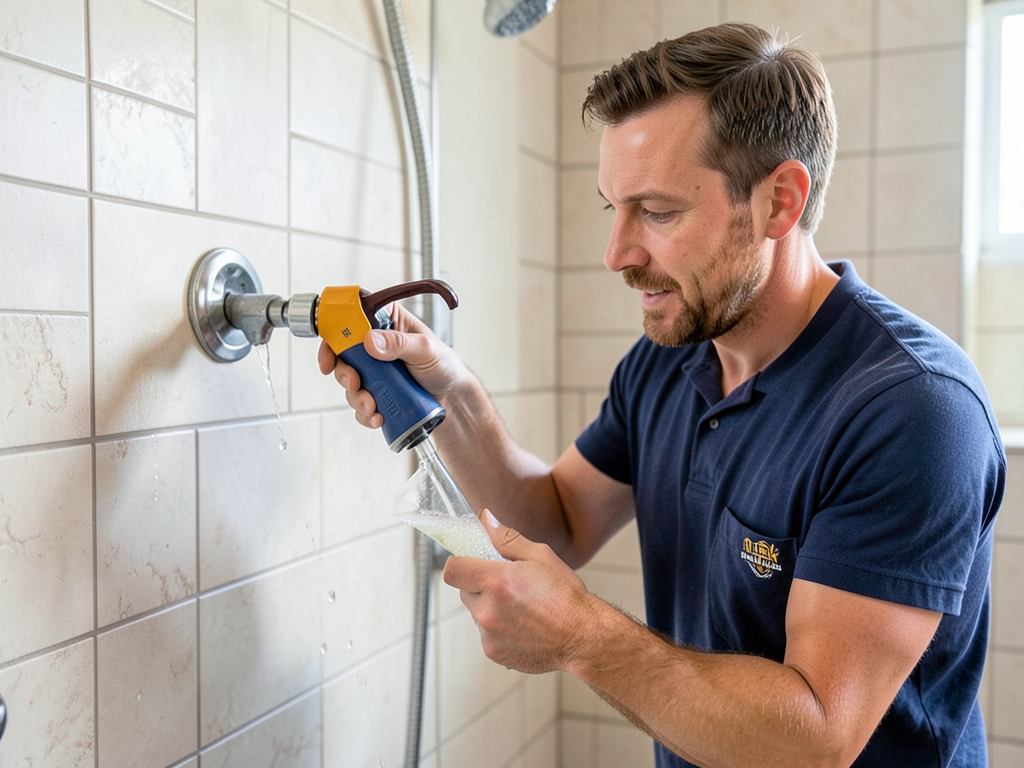
Removing White Crusty Buildup from Your Showerheads and Faucets White crusty buildup on your showerheads and faucets isn’t just an…

Removing White Crusty Buildup from Your Showerheads and Faucets

Removing White Crusty Buildup from Your Showerheads and Faucets White crusty buildup on your showerheads and faucets isn’t just an…

What to Do When Your Swamp Cooler Starts Leaking on Your Roof

What to Do When Your Swamp Cooler Starts Leaking on Your Roof A swamp cooler leaking onto your roof creates…

How to Prepare Your Outdoor Kitchen for a Salt Lake City Summer

How to Prepare Your Outdoor Kitchen for a Salt Lake City Summer Your outdoor kitchen needs more than just a…

Contact Us

Your septic emergency will not resolve itself. Every hour you wait increases contamination and property damage. Call Crestline Plumbing Salt Lake City now at (385) 406-8899 for immediate dispatch. We are available 24 hours a day to pump your tank and stop the backup.