menu

Shower & Bathtub Plumbing in Salt Lake City | Full-Service Installation, Repair & Repiping for Residential and Commercial Properties

From fixture replacement and drain line repairs to complete tub and shower installations, Crestline Plumbing Salt Lake City handles every aspect of bathtub and shower plumbing for homes and businesses across the Salt Lake Valley.

Slider Image 1
Slider Image 2
Slider Image 3
Slider Image 4
Slider Image 5
Slider Image 7
Slider Image 8
Slider Image 9
Slider Image 10
Slider Image 11

Why Salt Lake City's Hard Water and Freeze-Thaw Cycles Destroy Shower and Tub Plumbing Faster

Salt Lake City sits at the base of the Wasatch Range, where municipal water carries high mineral content from mountain snowmelt. This hard water leaves calcium and magnesium deposits inside shower valves, diverter spouts, and tub faucets. Over time, these deposits choke water flow, corrode brass cartridges, and cause leaks behind tile and fiberglass surrounds. You see it as weak pressure, rusty water, or a puddle forming under your bathroom floor.

Winter freeze-thaw cycles add another layer of risk. When temperatures drop below freezing, water sitting in uninsulated supply lines can expand and crack copper or PEX tubing. Even homes in the Avenues or Sugarhouse with crawl spaces face this issue if lines run along exterior walls. A cracked line behind a shower wall can leak for weeks before you notice warped drywall or mold growth in adjacent rooms.

Bathtub and shower repair in Salt Lake City is not just about fixing a drip. It involves diagnosing how hard water, corroded galvanized pipes, and temperature swings interact with your specific plumbing system. Tub and shower installation requires planning for local water chemistry, choosing fixtures with ceramic disc valves that resist mineral buildup, and routing supply lines away from cold zones. Shower plumbing services also include pressure balancing valve installation to prevent scalding when someone flushes a toilet elsewhere in the house. Bathtub fixture replacement and drain line updates address the root cause, not just the visible symptom.

Why Salt Lake City's Hard Water and Freeze-Thaw Cycles Destroy Shower and Tub Plumbing Faster
How Professional Shower and Tub Plumbing Services Solve Problems Most Homeowners Miss

How Professional Shower and Tub Plumbing Services Solve Problems Most Homeowners Miss

Most shower leaks start inside the wall cavity, not at the drain. Water seeps through cracked grout, runs down the back of tile, and saturates wooden studs. By the time you see ceiling damage in the room below, you are looking at structural repair costs in addition to plumbing work. A shower and tub plumber uses moisture meters and infrared cameras to locate hidden leaks before they rot out floor joists.

Crestline Plumbing Salt Lake City approaches every job with a diagnostic mindset. We test water pressure at the meter and at individual fixtures to identify pressure drops caused by corroded galvanized pipes or undersized supply lines. We inspect valve stems and cartridges for pitting and mineral crust. If you have a Roman tub filler or a multi-head shower system, we verify that your water heater recovery rate and branch line sizing can support simultaneous flow without temperature fluctuation.

When we perform bathtub fixture replacement, we replace the valve body, not just the trim kit. Many plumbers swap out the handle and escutcheon and leave a corroded valve behind the wall. That band-aid lasts six months. We cut into the wall, install a new pressure-balancing or thermostatic valve, and test it under load. For tub and shower installation, we slope drain lines at a minimum quarter-inch per foot to prevent standing water and biofilm growth. We use expanding foam and fire-rated caulk to seal penetrations where pipes pass through framing, which prevents air leaks and pest entry. Every connection gets a pressure test before we close up walls.

What Happens During a Shower or Bathtub Plumbing Service Call

Shower & Bathtub Plumbing in Salt Lake City | Full-Service Installation, Repair & Repiping for Residential and Commercial Properties
01

Detailed Diagnostic Inspection

We start by testing water pressure and inspecting visible fixtures for corrosion, leaks, and worn components. For hidden issues, we use moisture meters to scan walls and floors around the tub or shower. This identifies leaks inside wall cavities before they cause structural damage. We also check for proper venting and drain slope to rule out drainage problems that could lead to clogs or sewer gas intrusion.
02

Repair or Replacement Execution

Once we identify the problem, we explain your options and provide a clear scope of work. Repairs involve replacing valve cartridges, sealing leaks, or clearing blocked drain lines. Full installations require cutting drywall or tile, installing new supply and drain lines, mounting fixture bodies, and waterproofing the enclosure. We use PEX or copper supply lines depending on your home's existing system and route them to avoid exterior walls where freezing is a risk.
03

Pressure Testing and Finish Work

After installation or repair, we pressure test all supply lines to confirm there are no leaks behind walls. We run water through the system, check for proper drainage, and verify that temperature controls function correctly. If we opened walls, we patch drywall and restore the area to pre-service condition. You walk away with a shower or tub that works correctly and will not cause hidden damage down the line.

Why Local Salt Lake City Experience Matters for Bathtub and Shower Plumbing

Plumbing systems in Salt Lake City face challenges that do not exist in other regions. Homes built before 1980 often have galvanized steel supply lines that corrode from the inside out due to hard water. The corrosion reduces water pressure and creates pinhole leaks that spray water into wall cavities. Homes in older neighborhoods like the Avenues, Liberty Wells, and Federal Heights need complete repiping when these lines fail. A plumber unfamiliar with this issue might replace a single section of pipe and leave the rest of the corroded system intact.

Crestline Plumbing Salt Lake City knows how local building codes apply to shower and tub installations. The International Plumbing Code requires shower valves to include pressure-balancing or thermostatic mixing devices to prevent scalding. Some remodelers skip this requirement or use cheaper valves that do not hold temperature under pressure changes. We install code-compliant valves and pull permits for any work that involves opening walls or moving drain lines.

We also understand how altitude and water hardness affect fixture performance. Multi-head shower systems and soaking tubs require higher flow rates than standard fixtures. If your water heater or supply lines are undersized, you will run out of hot water or experience weak pressure. We calculate your home's total fixture unit count and verify that your plumbing system can support new installations without starving other fixtures. This prevents the common problem where adding a rainfall showerhead causes your kitchen faucet to lose pressure.

Choosing a local plumber means working with someone who has serviced hundreds of homes in your neighborhood and knows how your plumbing system is likely configured.

What You Should Expect From Professional Shower and Bathtub Plumbing Services

Fast Response and Flexible Scheduling

We schedule service calls quickly and arrive on time. Emergency repairs, such as a broken shower valve or a leaking tub drain that is flooding your ceiling, receive same-day attention. Planned installations and fixture replacements are scheduled at your convenience. Most repairs take two to four hours depending on accessibility. Full tub or shower installations require one to three days, including wall opening, plumbing work, waterproofing, and finish restoration. We provide a clear timeline before starting work and update you if complications arise during the job.

Thorough Inspection Before Any Work Begins

We do not start tearing into walls until we understand the full scope of the problem. Our technicians inspect the entire system, test water pressure at multiple points, and use diagnostic tools to locate hidden leaks. You receive a written estimate that breaks down labor, materials, and any additional work needed to bring the system up to code. We explain what caused the failure, how we will fix it, and what you can do to prevent future issues. There are no surprise charges or upsells. You approve the scope and cost before we begin.

High-Quality Materials and Code-Compliant Installation

We use brass and ceramic disc cartridges in shower valves because they resist mineral buildup and last longer than plastic components. Supply lines are copper or PEX, depending on your home's existing plumbing and local code requirements. All drain lines are ABS or PVC with properly sloped runs and vented connections. We install pressure-balancing or thermostatic valves to prevent temperature shocks. Every installation is pressure tested and inspected for leaks before we close up walls. The result is a system that functions correctly and meets current building codes.

Follow-Up Support and Maintenance Guidance

After completing your shower or tub plumbing work, we walk you through how to operate new fixtures and explain maintenance steps that extend system life. We recommend cleaning aerators and showerheads quarterly to remove mineral deposits. If you have hard water, we can install an inline filter or discuss whole-home water softening options. If any issues arise after service, we return to address them. Our goal is to deliver work that lasts and gives you confidence in your plumbing system for years to come.

Frequently Asked Questions

You Have Questions,
We Have Answers

Can a tub and shower share the same drain? +

Yes, a tub and shower can share the same drain line if plumbed correctly. The shared drain must be sized properly to handle the combined flow, typically 2 inches minimum. In Salt Lake City homes, many vintage bathrooms use this configuration, but you need adequate venting to prevent slow drainage and trap siphoning. The drain assembly connects both fixtures to a common P-trap, which then ties into your home's main drain line. Problems arise when old galvanized pipes corrode or tree roots infiltrate clay lines common in older neighborhoods. A licensed plumber should inspect your drain slope and venting to ensure code compliance.

How much does a plumber cost to install a tub? +

Bathtub installation costs vary widely based on tub type, plumbing modifications, and access. Expect to pay more if your Salt Lake City home requires drain relocation, water line extensions, or remediation of older cast iron or galvanized plumbing common in pre-1980s construction. Standard alcove tubs with straightforward plumbing run less than freestanding or whirlpool models that need dedicated electrical and complex drain configurations. Many homes in the Avenues or Sugar House neighborhoods have unique plumbing layouts that affect labor time. Get multiple written estimates that detail material costs, labor hours, permit fees, and any structural modifications needed for proper installation.

Does up or down drain the bathtub? +

Moving the trip lever down drains the bathtub in most standard configurations. This action lifts the stopper mechanism inside the overflow drain, allowing water to flow out through the P-trap and into your home's drain line. Some older Salt Lake City homes have drum-style trip waste assemblies where the linkage operates differently, but the down position still drains. If your tub drains slowly or not at all when the lever is down, you likely have hair buildup in the trap, a misadjusted linkage, or corroded parts. Hard water common in our area can also cause mineral deposits that interfere with the stopper seal.

What are common shower plumbing problems? +

Common shower plumbing problems include low water pressure from corroded pipes or mineral buildup, inconsistent temperature caused by failing cartridges or pressure-balancing valves, and leaks behind walls from deteriorated seals. Salt Lake City's hard water accelerates showerhead clogging and valve wear. Slow drains result from hair accumulation in P-traps or improper drain slope. Older homes often have outdated galvanized supply lines that restrict flow. Mold growth around fixtures signals hidden leaks penetrating walls. Freeze damage can occur in exterior walls during our cold winters if pipes lack proper insulation. Address these issues quickly to prevent costly water damage and structural problems.

What is the 4 minute shower rule? +

The 4-minute shower rule encourages water conservation by limiting shower time to four minutes. This practice reduces water consumption and energy costs for heating. In Salt Lake City, where we experience periodic drought conditions and water conservation matters, shorter showers help preserve our watershed resources. A standard showerhead flows at 2.5 gallons per minute, so a 4-minute shower uses 10 gallons compared to 25 gallons for a 10-minute shower. Installing low-flow showerheads that deliver 2.0 gallons per minute or less further reduces consumption without sacrificing pressure. This matters both environmentally and financially when managing household utility bills.

Why does a shower require a 2 inch drain? +

Showers require a 2-inch drain to handle peak flow rates and prevent overflow. A standard showerhead discharges 2 to 2.5 gallons per minute, and a 2-inch drain line provides adequate capacity for this volume plus a safety margin. Smaller 1.5-inch drains can work for minimal flow fixtures but risk clogging from soap residue and hair accumulation, especially with Salt Lake City's hard water that accelerates buildup. The larger diameter also accommodates proper drain slope over longer horizontal runs common in basement bathrooms or additions. Building codes require 2-inch minimum to ensure reliable drainage and prevent standing water that damages floors and subfloors.

How much does Home Depot charge to install a bathtub? +

Home Depot partners with local contractors for installation services, so costs vary by market and project scope. Big-box retailers typically charge differently than dedicated plumbing professionals. In Salt Lake City, you might find lower advertised rates, but these often exclude necessary modifications like drain relocation, water line updates, or remediation of issues found during demolition. Many installations require permits and inspections that independent contractors include in their quotes. Consider that box store installers may lack specialized experience with older homes common in neighborhoods like Liberty Wells or Capitol Hill. Compare total project costs, not just base installation fees, and verify contractor licensing and insurance coverage.

What is the most expensive part of a bathroom remodel? +

Labor typically represents the most expensive component of bathroom remodels, especially when extensive plumbing relocation is required. Moving fixtures means rerouting drain lines, venting systems, and water supply pipes through walls and floors. In Salt Lake City homes built before 1980, replacing corroded galvanized or cast iron pipes adds substantial cost. Custom tile work, particularly in showers, demands skilled labor and waterproofing expertise. High-end fixtures like freestanding tubs or digital shower systems carry premium price tags. Structural modifications to accommodate larger fixtures or improve layouts require framing and drywall work. Unexpected issues like water damage, mold remediation, or code upgrades discovered during demolition quickly escalate expenses.

Do you need a licensed plumber to install a bathtub? +

Yes, Utah requires licensed plumbers to install bathtubs because this work involves critical water supply and drain connections that affect your home's plumbing system integrity. Licensed professionals understand local building codes, proper venting requirements, and waterproofing standards that prevent costly water damage. Salt Lake City enforces these regulations through permit and inspection processes. DIY bathtub installation risks code violations, voided homeowner insurance claims if leaks cause damage, and reduced home value during future sales. Licensed plumbers carry liability insurance and warranty their work. Improper installation can lead to hidden leaks that rot subfloors and joists, creating expensive structural repairs that far exceed professional installation costs.

What are common bathtub installation mistakes? +

Common bathtub installation mistakes include improper drain alignment that causes leaks, inadequate support that leads to flexing and cracked surrounds, missing or incorrectly installed waterproofing membranes, and poor leveling that prevents proper drainage. Many installers in Salt Lake City encounter issues with older floor joists that lack adequate strength for heavy cast iron or stone tubs. Failing to account for access panels makes future repairs impossible. Incorrect mortar bed application under tubs creates voids where water accumulates. Not testing drain connections before closing walls hides leaks until significant damage occurs. Skipping expansion gaps in tile work causes cracking as materials shift with temperature changes common in our climate.

How Salt Lake City's Hard Water and Altitude Affect Shower and Bathtub Performance

Salt Lake City's water supply comes from mountain snowmelt and underground aquifers, both of which carry high concentrations of calcium, magnesium, and dissolved minerals. This hard water leaves white scale on glass doors and clogs shower valves faster than in soft-water regions. At 4,226 feet elevation, water also boils at a lower temperature, which affects water heater efficiency and can cause homeowners to set thermostats higher than necessary. This combination accelerates wear on shower cartridges, diverter valves, and tub spouts. Homes near the base of the Wasatch Front also experience colder incoming water temperatures in winter, which increases demand on water heaters and can expose undersized supply lines during peak usage.

Crestline Plumbing Salt Lake City has worked in neighborhoods across the valley, from older homes in the Avenues with galvanized pipes to newer builds in Daybreak with PEX systems. We know that homes built before 1980 often lack pressure-balancing valves and need retrofitting to meet current safety codes. We also understand how local building inspectors enforce plumbing standards and can guide you through permitting for bathroom remodels. Choosing a plumber with local experience means you get solutions designed for Salt Lake City's water quality, climate, and building codes, not generic fixes that fail within months.
Plumbing Services in The Salt Lake City Area

We are proud to be a locally owned and operated business, dedicated to serving the entire Salt Lake City area and surrounding communities. Use the map below to pinpoint our location or to better understand our full service coverage across the region. If you need immediate assistance or would like to confirm that your home or business is within our guaranteed service area, please call our office directly—our warm, professional team is always ready to dispatch an expert to your location quickly.

Address:
Crestline Plumbing Salt Lake City, 222 S Main St, Salt Lake City, UT, 84101

Additional Services We Offer

Our news updates

Latest Articles & News from The Blogs

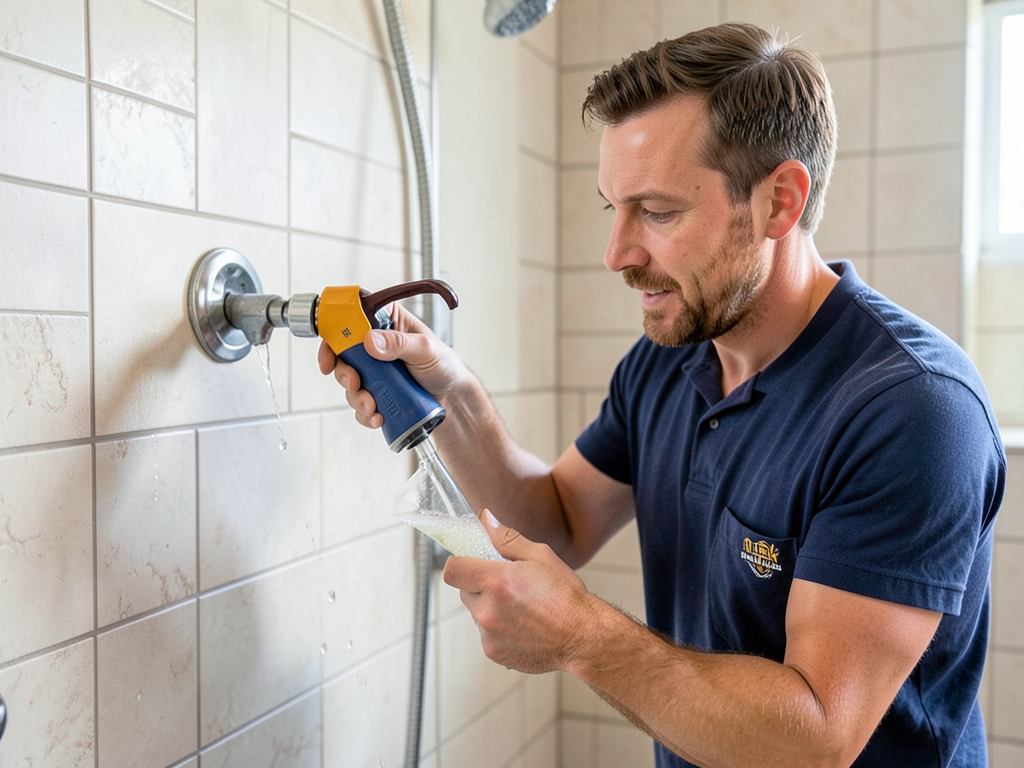
Removing White Crusty Buildup from Your Showerheads and Faucets White crusty buildup on your showerheads and faucets isn’t just an…

Removing White Crusty Buildup from Your Showerheads and Faucets

Removing White Crusty Buildup from Your Showerheads and Faucets White crusty buildup on your showerheads and faucets isn’t just an…

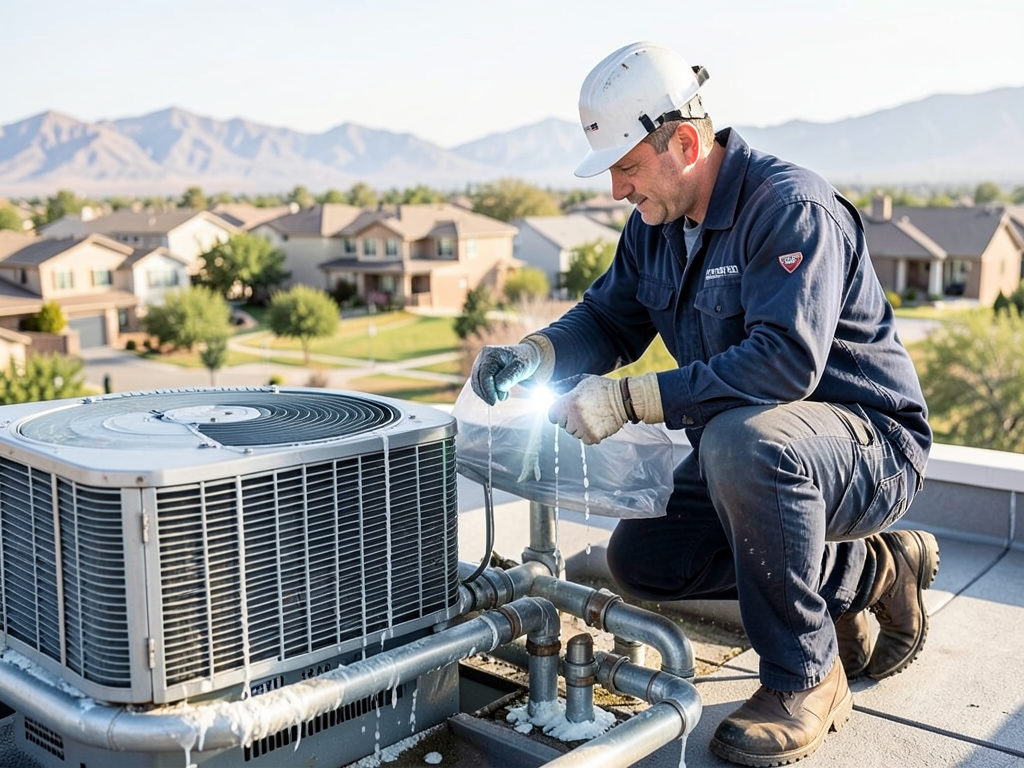
What to Do When Your Swamp Cooler Starts Leaking on Your Roof

What to Do When Your Swamp Cooler Starts Leaking on Your Roof A swamp cooler leaking onto your roof creates…

How to Prepare Your Outdoor Kitchen for a Salt Lake City Summer

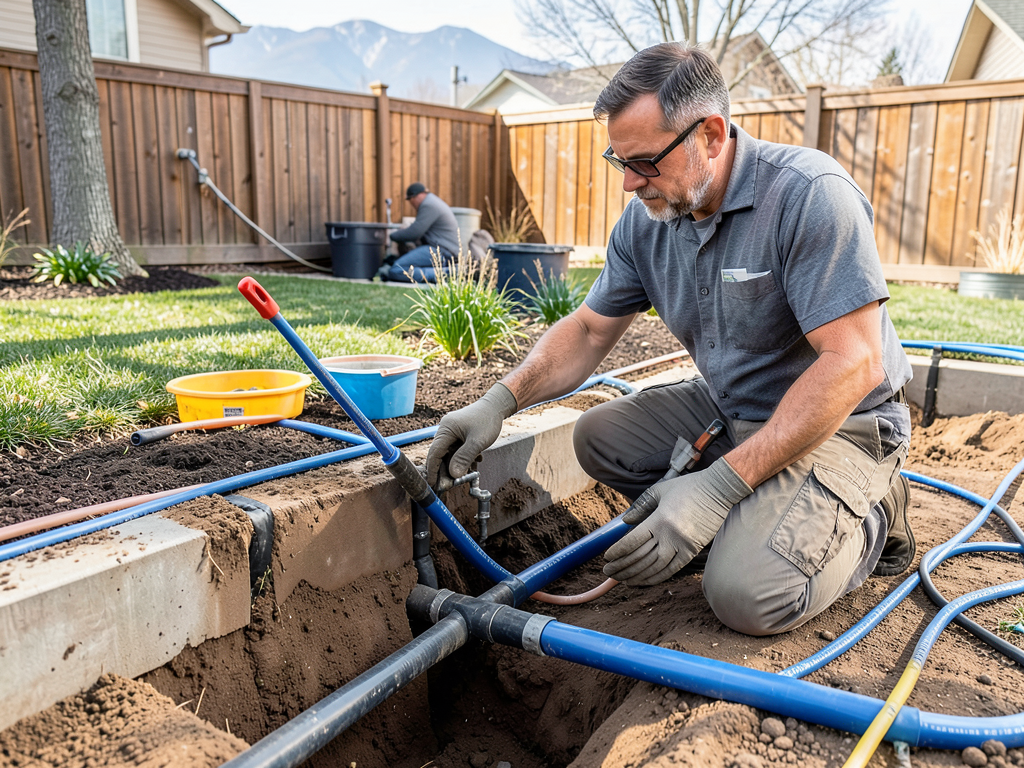
How to Prepare Your Outdoor Kitchen for a Salt Lake City Summer Your outdoor kitchen needs more than just a…

Contact Us

Do not let a leaking shower or corroded tub fixture turn into a structural repair nightmare. Call (385) 406-8899 now to schedule a diagnostic inspection or emergency repair. We respond quickly, diagnose accurately, and fix it right the first time.