menu

Signs You Need Sewer Repair in Salt Lake City – Expert Diagnosis Before Small Problems Become Property Disasters

Recognize the warning signs of main sewer line issues before costly damage spreads through your home. Our trained technicians identify indicators of sewer line damage using video inspection technology to show you exactly what's happening underground.

Slider Image 1
Slider Image 2
Slider Image 3
Slider Image 4
Slider Image 5
Slider Image 7
Slider Image 8
Slider Image 9
Slider Image 10
Slider Image 11

How Salt Lake City's Soil and Freeze Cycles Create Hidden Sewer Line Damage

You notice slow drains in multiple fixtures. Water pools in your yard for no reason. A smell you can't place lingers near your foundation. These symptoms of a broken sewer line often appear gradually in Salt Lake City homes, masking a problem that grows worse by the day.

The Wasatch Front sits on clay-heavy soil that expands and contracts with moisture changes. When winter temperatures drop below freezing and spring thaw cycles begin, this soil movement places stress on underground sewer pipes. Older cast iron and clay pipes common in neighborhoods like Sugar House and the Avenues develop cracks, separations, and root intrusions that compromise the entire system.

Most property owners ignore early warning signs of main sewer line issues until sewage backs up into their basement or raw waste surfaces in the lawn. By that point, the damage extends beyond the pipe. Contaminated soil, compromised foundations, and health hazards turn a straightforward repair into a complex remediation project.

How to tell if your sewer pipe is broken requires understanding what normal drainage looks like. Toilets should flush completely in one cycle. Sinks should empty in seconds. Floor drains should never gurgle or release foul odors. When these baseline functions change, sewer line failure symptoms are already present.

The indicators of sewer line damage vary based on where the break occurs. Main line failures near the street cause multiple fixture backups. Lateral line problems closer to your home create localized slow drains and wet spots. Recognizing these patterns helps you understand the scope before crews start digging.

How Salt Lake City's Soil and Freeze Cycles Create Hidden Sewer Line Damage
Camera Inspection Technology Shows You the Problem Before We Quote the Fix

Camera Inspection Technology Shows You the Problem Before We Quote the Fix

Most plumbing companies guess at sewer problems based on symptoms alone. We use video pipe inspection to document the exact location, type, and severity of damage before recommending any repair method.

Our process begins with a mainline camera insertion through an existing cleanout or access point. The high-definition camera travels through your entire sewer line from house to street connection, recording footage that shows pipe condition, blockage sources, and structural failures. This visual evidence eliminates guesswork and prevents unnecessary excavation.

When the camera identifies root intrusion, you see the tangled mass blocking flow. When it finds a belly or sag in the line, you see standing water that creates chronic backups. When it reveals a cracked or collapsed section, you see exactly how many feet of pipe need replacement. This transparency matters because repair costs vary dramatically based on damage type and location.

For breaks in the main line beneath your driveway or landscaping, trenchless pipe bursting may allow us to replace the damaged section without destroying your hardscape. For lateral line failures closer to the house, traditional excavation and replacement might be more cost-effective. The camera inspection determines which approach makes sense for your specific situation.

We also use this technology to verify that tree roots haven't compromised your line. Cottonwoods and willows common throughout Salt Lake City send aggressive roots toward any moisture source. These roots penetrate pipe joints and create blockages that worsen over time. Knowing their location lets us plan root removal and future preventive treatments.

The inspection footage becomes part of your permanent service record. If you need to file an insurance claim or sell your property, this documentation proves the condition of your sewer line at a specific point in time.

What Happens During Your Sewer Line Assessment

Signs You Need Sewer Repair in Salt Lake City – Expert Diagnosis Before Small Problems Become Property Disasters
01

Initial Symptom Evaluation

We start by asking specific questions about your drainage patterns, timing of symptoms, and recent changes to your plumbing system. This conversation helps us narrow down whether you're dealing with a main line failure, a lateral line problem, or isolated fixture issues. We check all drains, note gurgling sounds, and identify any sewage odors before moving to inspection equipment.
02

Video Line Inspection

Our technician feeds a flexible camera line through your sewer cleanout, recording the entire journey from your home to the municipal connection. The camera head includes a locator beacon that lets us mark the exact position of any damage from ground level. You watch the inspection in real time on a monitor and receive a recording of the footage for your records.
03

Repair Recommendation and Quote

After reviewing the inspection footage, we explain what we found in plain language and outline your repair options. If the damage is minor, hydro jetting or spot repair might solve the problem. If the line shows extensive deterioration, we discuss trenchless replacement or traditional excavation. You receive a detailed written quote that breaks down materials, labor, and site restoration before any work begins.

Why Salt Lake City Property Owners Choose Local Sewer Line Experts

Sewer line repair requires more than plumbing knowledge. It requires understanding local soil conditions, municipal code requirements, and the permit process that governs excavation work in Salt Lake City.

We work directly with Salt Lake City Public Utilities to coordinate main line connections and ensure all repairs meet current municipal standards. When your sewer line runs beneath a city sidewalk or connects to infrastructure in the right of way, proper permitting prevents work stoppages and ensures inspectors sign off on completed repairs.

Our crews understand the frost line depth requirements specific to this elevation and climate zone. Improper pipe depth leads to freeze damage during cold snaps and premature failure during soil expansion cycles. We excavate to the correct depth and backfill with engineered materials that provide long-term pipe support.

The neighborhoods we serve present unique challenges. Historic homes in Capitol Hill and the Avenues often have aging cast iron pipes installed 70 to 90 years ago. These lines show different failure patterns than PVC systems installed in newer developments like Daybreak or South Jordan. Recognizing these differences helps us anticipate problems and plan repairs that address root causes rather than symptoms.

Tree root intrusion is particularly aggressive along the benches and foothill areas where mature cottonwoods, maples, and willows dominate. These species send roots 30 to 40 feet in search of water, making sewer lines an irresistible target. We treat root intrusion as both a plumbing problem and a landscape management issue, coordinating with arborists when removal or root barriers become necessary.

Choosing a local company means faster response when you need help and familiarity with the specific conditions that affect your property. We know the soil types in your neighborhood, the age of infrastructure in your area, and the local inspectors who review our work.

What to Expect When You Call for Sewer Line Help

Same-Day Inspection Availability

We schedule camera inspections within 24 hours of your call because sewer problems worsen quickly. If you're experiencing active backups or sewage surfacing in your yard, we prioritize your appointment and arrive the same day. Most inspections take 60 to 90 minutes from start to finish, including the time we spend reviewing footage and explaining findings. You don't wait days to understand what's wrong with your system.

Comprehensive Damage Documentation

The camera inspection produces a time-stamped video file that shows every foot of your sewer line. We provide screenshots of problem areas and mark pipe distance measurements so you know exactly where damage occurs relative to your property boundaries. This documentation proves invaluable if you need to file an insurance claim for sudden pipe failure or verify repairs with a property buyer during home sales. The footage shows conditions we can't fake or exaggerate.

Repair Methods Matched to Your Situation

We don't push one repair method for every problem. Minor cracks and joint separations often respond to spot repairs that require minimal excavation. Extensive root damage may need hydro jetting followed by pipe lining. Complete pipe collapse requires replacement, either through traditional trenching or trenchless pipe bursting. We explain the longevity and limitations of each approach so you choose the solution that fits your budget and timeline without sacrificing quality.

Post-Repair System Verification

After completing repairs, we run a final camera inspection to verify the work meets our standards and your expectations. This post-repair footage confirms proper pipe alignment, complete root removal, and structural integrity throughout the repaired section. We also provide maintenance recommendations based on your pipe material, property age, and surrounding vegetation. Many clients schedule annual camera inspections to catch problems early and avoid emergency repairs down the road.

Frequently Asked Questions

You Have Questions,
We Have Answers

What are four signs that your sewer line is broken? +

Four clear signs indicate a broken sewer line. First, you notice multiple drains backing up at once, not just one sink or toilet. Second, foul sewage odors persist inside or outside your home. Third, soggy patches or unusually green grass appear in your yard where the line runs underground. Fourth, you hear gurgling sounds from toilets or drains when water runs elsewhere. In Salt Lake City, freeze-thaw cycles can crack older clay pipes, making these symptoms more common in winter and early spring. If you experience two or more signs simultaneously, schedule a sewer camera inspection immediately.

How do you tell if your sewer line needs to be replaced? +

Several indicators suggest replacement rather than repair. Persistent backups after attempted repairs signal systemic failure. If your sewer line is over 50 years old and made of clay or Orangeburg pipe, replacement becomes necessary. Frequent root intrusions requiring repeated cleanings mean the pipe has deteriorated. Video inspection revealing extensive cracking, bellying, or offset joints points to replacement. In Salt Lake City, older neighborhoods near the Avenues or Sugar House often have original clay lines susceptible to shifting from our bentonite clay soil. A camera inspection provides definitive evidence about your pipe's condition and helps you make an informed decision.

How do you know if you have a sewage problem? +

Sewage problems announce themselves through distinct warning signs. Toilets bubble when you run water elsewhere. Multiple fixtures back up together rather than individually. Raw sewage odor permeates your basement, bathroom, or yard. Water pools around floor drains or in your lawn without recent rain. You notice foundation cracks or settling where the sewer line runs. In Salt Lake City, our clay soil expands and contracts with moisture changes, putting extra stress on sewer lines and creating separation points where sewage escapes. You may also see an unexpected spike in your water bill from leaking pipes saturating the ground.

Does homeowners insurance cover sewer lines? +

Standard homeowners insurance typically excludes sewer line coverage. Most policies consider sewer lines a maintenance issue rather than sudden damage. However, you can purchase optional sewer backup coverage as an endorsement, which covers damage from sewage entering your home but not necessarily the line repair itself. Some policies cover sewer line damage if caused by a named peril like fire or vehicle impact. In Salt Lake City, where older homes have aging infrastructure, consider adding this endorsement. Review your specific policy or contact your insurer to understand your coverage. Many homeowners carry separate water and sewer line protection plans.

How much does it cost to fix a collapsed sewer line? +

Costs vary widely based on depth, location, and access. Traditional dig-and-replace methods typically range from several thousand to over ten thousand dollars depending on pipe length and landscaping restoration. Trenchless repair methods cost more per foot but require less excavation and property restoration. Depth matters significantly. Lines buried six feet deep cost more than shallow runs. In Salt Lake City, rocky soil and established landscaping add complexity. Location also affects price. Lines running under driveways, patios, or mature trees increase costs substantially. Always get multiple quotes and ask about trenchless options to minimize yard disruption.

What is the average lifespan of a sewer line? +

Sewer line lifespan depends entirely on material. Cast iron pipes last 50 to 65 years but corrode from inside out. Clay pipes survive 50 to 60 years but crack from ground shifting and root intrusion. Orangeburg pipes, used between 1950 and 1970, last only 30 to 50 years and collapse frequently. Modern PVC pipes can last over 100 years. In Salt Lake City, many homes built before 1970 still have original clay or cast iron lines approaching or exceeding their useful life. Our expansive clay soil and mature tree canopy accelerate deterioration through ground movement and aggressive root growth.

How much does it cost to have your sewer line inspection? +

Sewer camera inspections provide crucial diagnostic information at reasonable cost. Most companies charge between a few hundred dollars for a basic inspection. This includes inserting a waterproof camera through your cleanout to examine pipe condition, locate blockages, and identify damage. The technician provides a video recording showing cracks, root intrusion, bellying, or collapse. In Salt Lake City, where older infrastructure is common, this inspection often reveals problems before they become emergencies. Some companies waive the inspection fee if you proceed with recommended repairs. Always request the video file for your records and future reference.

Can sewer pipes be repaired without digging? +

Yes, trenchless technology repairs sewer pipes without extensive digging. Two primary methods exist. Pipe lining involves inserting an epoxy-coated liner into the existing pipe, which hardens to create a new pipe inside the old one. Pipe bursting uses a machine to break apart the damaged pipe while simultaneously pulling new pipe into place. Both methods require only small access points rather than full trenches. In Salt Lake City, trenchless repair works particularly well for preserving established landscaping and avoiding our rocky subsurface conditions. However, completely collapsed pipes or certain pipe materials may still require traditional excavation.

How do you tell if you have a collapsed sewer line? +

A collapsed sewer line creates immediate, severe symptoms. All drains stop working simultaneously. Toilets refuse to flush or immediately back up. You see raw sewage pooling in your basement or yard. Sinkholes or depressions appear where the line runs underground. In Salt Lake City, freeze-thaw cycles and shifting clay soil contribute to collapse, particularly in older clay or Orangeburg pipes. A camera inspection confirms collapse by showing the pipe completely closed or caved in. This constitutes a plumbing emergency requiring immediate professional attention. Continued water use can flood your basement or create hazardous conditions in your yard.

What's the average cost to fix a sewer smell? +

Fixing sewer smell depends on the source. Simple solutions like dried P-traps cost nothing beyond running water to refill the trap. Wax ring replacement under a toilet runs a couple hundred dollars. Cracked vent pipes require moderate repair expenses. However, if the smell comes from a damaged sewer line leaking underground, repair costs increase substantially based on damage extent and location. In Salt Lake City, sewer odors often intensify during temperature inversions that trap air. Start with simple diagnostics. A plumber can perform a smoke test to locate the exact source before you commit to repairs.

Why Bentonite Clay Soil Makes Sewer Line Monitoring Critical in Salt Lake Valley

The Lake Bonneville clay deposits beneath Salt Lake City create unique challenges for underground infrastructure. This expansive soil swells when wet and shrinks during dry periods, placing cyclical stress on rigid sewer pipes. Cast iron and clay pipes installed before 1980 lack the flexibility to withstand this movement, developing stress cracks at joints and connection points. The symptoms of a broken sewer line often appear after spring runoff when soil moisture peaks, then worsen during summer drought when soil contraction pulls pipes out of alignment. Property owners who ignore these seasonal warning signs of main sewer line issues face exponentially higher repair costs when pipes finally collapse.

Salt Lake City municipal code requires licensed plumbers to pull permits for any sewer line work that extends beyond simple drain cleaning. This regulatory framework protects property owners from substandard repairs that fail inspections or create liability during property transfers. We maintain active licensure with the state Division of Occupational and Professional Licensing and work directly with city inspectors who verify our excavation depth, backfill materials, and connection methods. This local expertise matters because how to tell if your sewer pipe is broken is only the first step. Fixing it correctly according to code ensures your repair lasts and your home value remains protected.
Plumbing Services in The Salt Lake City Area

We are proud to be a locally owned and operated business, dedicated to serving the entire Salt Lake City area and surrounding communities. Use the map below to pinpoint our location or to better understand our full service coverage across the region. If you need immediate assistance or would like to confirm that your home or business is within our guaranteed service area, please call our office directly—our warm, professional team is always ready to dispatch an expert to your location quickly.

Address:
Crestline Plumbing Salt Lake City, 222 S Main St, Salt Lake City, UT, 84101

Additional Services We Offer

Our news updates

Latest Articles & News from The Blogs

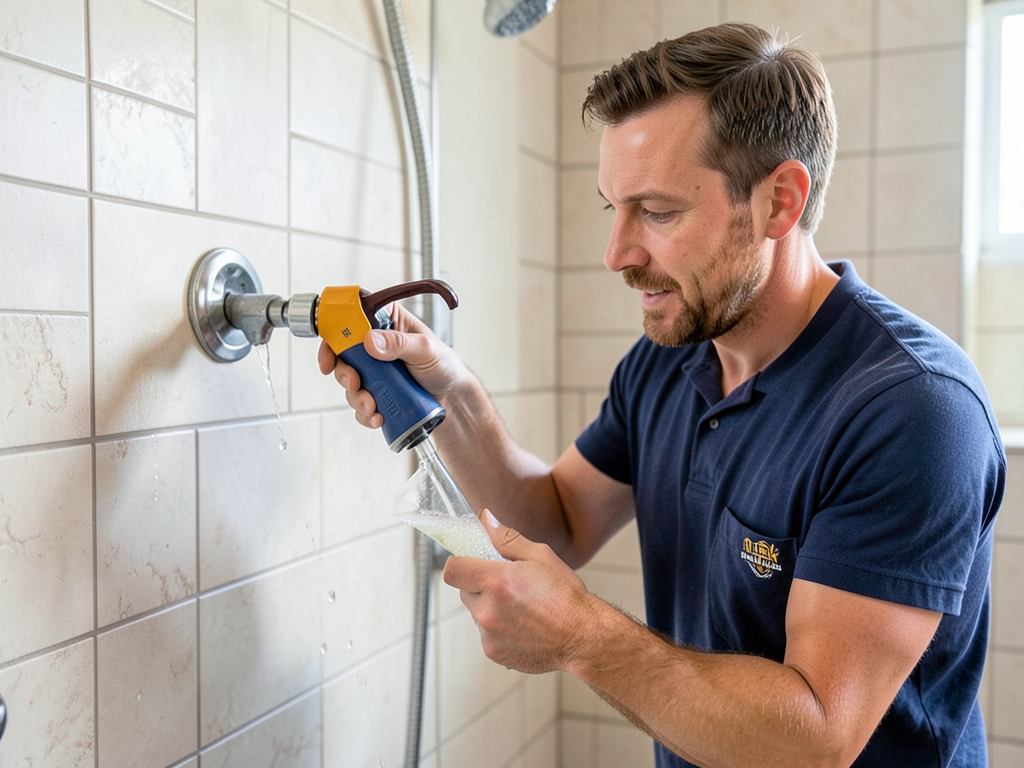
Removing White Crusty Buildup from Your Showerheads and Faucets White crusty buildup on your showerheads and faucets isn’t just an…

Removing White Crusty Buildup from Your Showerheads and Faucets

Removing White Crusty Buildup from Your Showerheads and Faucets White crusty buildup on your showerheads and faucets isn’t just an…

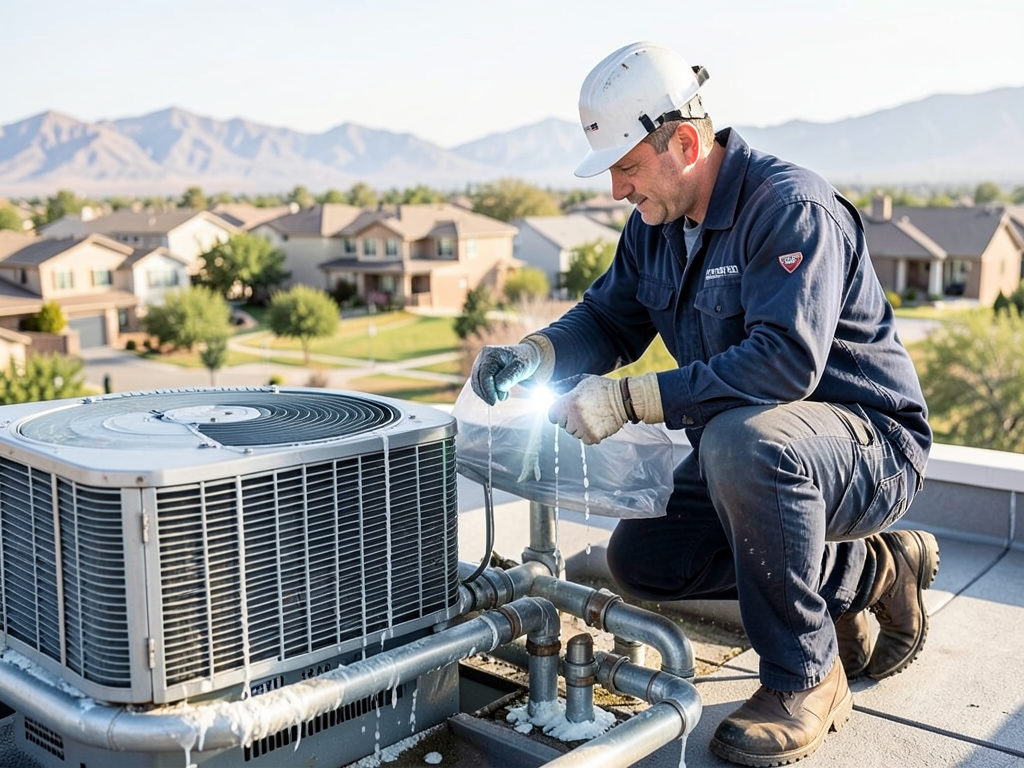
What to Do When Your Swamp Cooler Starts Leaking on Your Roof

What to Do When Your Swamp Cooler Starts Leaking on Your Roof A swamp cooler leaking onto your roof creates…

How to Prepare Your Outdoor Kitchen for a Salt Lake City Summer

How to Prepare Your Outdoor Kitchen for a Salt Lake City Summer Your outdoor kitchen needs more than just a…

Contact Us

Don't wait for a sewage backup to force your hand. Call (385) 406-8899 now to schedule a camera inspection that shows you exactly what's happening in your sewer line. We provide same-day service and transparent pricing for all repairs.