menu

Tank vs. Tankless Water Heaters in Salt Lake City – Expert Comparison to Help You Choose the Right System for Your Home

Get a Clear, No-Hype Breakdown of Storage and On-Demand Water Heaters from Plumbers Who Understand Salt Lake City's Hard Water, Cold Winters, and Rising Energy Costs

Slider Image 1
Slider Image 2
Slider Image 3
Slider Image 4
Slider Image 5
Slider Image 7
Slider Image 8
Slider Image 9
Slider Image 10
Slider Image 11

Why the Traditional vs On-Demand Water Heater Decision Matters More in Salt Lake City

Salt Lake City's mineral-heavy water accelerates sediment buildup inside storage tank water heaters. The calcium and magnesium in your water supply settle at the bottom of conventional water heaters, reducing efficiency and shortening tank life. This creates a unique cost burden for homeowners who stick with standard tank systems without understanding maintenance demands.

Winter temperatures in Salt Lake City drop below freezing regularly, and your water heater works harder to bring incoming water from 40 degrees up to 120 degrees. A conventional tank maintains that temperature 24 hours a day, even when you are asleep or at work. An instantaneous water heater only heats water when you open a tap, which can cut standby heat loss significantly.

The tank vs tankless water heater comparison is not just about equipment preferences. It is about matching technology to your household's actual hot water demand, your home's existing infrastructure, and Salt Lake City's water quality. A family of five with simultaneous morning showers has different needs than a retired couple or a homeowner planning to sell in three years.

You need to understand flow rates, recovery time, venting requirements, and how hard water affects both storage and on-demand systems differently. The wrong choice costs you thousands in wasted energy or premature replacement. The right choice delivers reliable hot water at the lowest total cost of ownership for your specific situation in Salt Lake City.

Why the Traditional vs On-Demand Water Heater Decision Matters More in Salt Lake City
How Storage vs Instantaneous Water Heaters Perform Under Real Salt Lake City Conditions

How Storage vs Instantaneous Water Heaters Perform Under Real Salt Lake City Conditions

A standard tank water heater stores 40 to 80 gallons of hot water in an insulated tank. The burner or element cycles on and off to maintain set temperature. You get fast delivery because the hot water is already waiting. The downside is standby loss. Your tank radiates heat into your garage or utility room even when nobody is using water. In Salt Lake City's cold winters, that heat loss increases.

Sediment from hard water settles at the tank bottom, insulating the heating element or flame from the water above. Your burner runs longer to achieve the same temperature. If you do not flush the tank annually, efficiency drops 10 to 15 percent within three years. Anode rods corrode faster in mineral-rich water, which shortens tank life.

A tankless water heater fires a powerful burner or electric element only when you open a hot water tap. Flow sensors detect demand and ignite the heat exchanger instantly. You get endless hot water as long as you stay within the unit's flow rate capacity, measured in gallons per minute. A typical tankless unit handles 5 to 10 gallons per minute depending on incoming water temperature and desired output temperature.

Salt Lake City's cold ground water temperature in winter drops your effective GPM capacity. A unit rated for 8 GPM in 70-degree inlet water might deliver only 5 GPM when inlet temperature drops to 40 degrees. That means you need a correctly sized unit or multiple units for simultaneous high-demand scenarios. Installation cost is higher because tankless units need dedicated venting, larger gas lines, or upgraded electrical service. But operating cost drops because you eliminate standby loss.

What Happens During a Water Heater Evaluation in Your Salt Lake City Home

Tank vs. Tankless Water Heaters in Salt Lake City – Expert Comparison to Help You Choose the Right System for Your Home
01

Demand Analysis

We measure your household's peak hot water demand by counting fixtures, identifying simultaneous use patterns, and calculating total GPM requirements. We test your incoming water temperature and hardness level. Salt Lake City water varies by neighborhood, and mineral content directly impacts equipment selection. We review your current energy bills to establish a baseline for comparison.
02

Infrastructure Assessment

We inspect your existing gas line size, electrical panel capacity, and venting configuration. Many Salt Lake City homes built before 2000 need infrastructure upgrades to support tankless water heaters. We check your water pressure and flow rates to confirm your plumbing can deliver the volume a tankless unit requires. We identify any code compliance issues that affect installation options.
03

Cost-Benefit Comparison

We calculate total cost of ownership over 10 and 20 years for both conventional and tankless options. This includes equipment, installation, maintenance, energy consumption, and expected lifespan. We show you how different usage patterns change the payback period. You get a clear recommendation based on your specific household, not generic marketing claims.

Why Salt Lake City Homeowners Trust Crestline Plumbing Salt Lake City for Honest Water Heater Guidance

We do not sell you equipment. We solve your hot water problem with the right technology for your home. That sometimes means recommending a conventional tank when a customer walks in asking for tankless. If your household uses 80 gallons of hot water in a concentrated 30-minute morning window, a high-efficiency tank often delivers better performance at lower total cost than multiple tankless units.

Salt Lake City's water quality requires specific maintenance protocols that most homeowners skip. We show you how to extend equipment life regardless of which system you choose. For tank systems, we recommend annual flushing and anode rod inspection to counteract hard water damage. For tankless systems, we recommend descaling every 12 to 18 months to prevent mineral buildup in the heat exchanger.

Crestline Plumbing Salt Lake City knows the local permit requirements and inspection processes. We handle the paperwork and schedule inspections so you do not waste time at the city building department. We know which inspectors prioritize combustion air requirements and which focus on seismic strapping.

We work on both residential and commercial water heating systems throughout the Salt Lake Valley. That broad experience means we understand how different system types perform under real-world stress. We see the long-term results of every installation choice, which makes our recommendations more accurate than a sales pitch from someone who only installs one type of equipment.

What You Get When You Schedule a Water Heater Consultation

Same-Day Consultation Availability

We offer same-day and next-day appointments for water heater evaluations throughout Salt Lake City. The consultation takes 45 to 90 minutes depending on your home's complexity. We measure, test, and calculate on-site so you get answers during the visit, not days later. If you need emergency replacement due to a failed tank, we stock high-efficiency conventional heaters for immediate installation.

Detailed Usage and Infrastructure Analysis

We bring diagnostic tools to measure water hardness, flow rates, gas pressure, and electrical capacity. We review your utility bills and ask detailed questions about your household's hot water usage patterns. You get a written comparison showing equipment cost, installation cost, annual operating cost, and 10-year total cost for both tank and tankless options. We explain the trade-offs in plain language.

Honest Equipment Recommendations

We recommend specific brands and models based on performance data and failure rates we have observed across hundreds of Salt Lake City installations. We do not push premium features you do not need. If a mid-tier conventional tank meets your needs better than an expensive tankless unit, we tell you. You get a recommendation designed to solve your problem at the lowest reasonable cost.

Maintenance Education and Support

We teach you how to maintain your water heater regardless of which type you choose. For tank systems, we show you how to drain sediment and check the anode rod. For tankless systems, we explain descaling procedures and filter cleaning. We offer annual maintenance contracts that include professional flushing, inspection, and priority service if something fails.

Frequently Asked Questions

You Have Questions,
We Have Answers

What is better, a tankless water heater or a tank? +

Neither option is universally better. It depends on your household needs in Salt Lake City. Tankless water heaters provide endless hot water on demand and use less energy, making them ideal for smaller homes or families with unpredictable usage patterns. Tank water heaters store 40 to 80 gallons and handle simultaneous hot water demands better, which matters during cold Utah winters when multiple showers run at once. Tank units cost less upfront but have higher utility bills. Tankless units require higher initial investment but save money long-term. Consider your household size, budget, and peak usage times before deciding.

What is the downside of a tankless water heater? +

The main downside is upfront cost. Tankless water heaters in Salt Lake City typically cost two to three times more to install than traditional tanks due to electrical upgrades or gas line modifications. They struggle to supply multiple fixtures simultaneously unless you install multiple units or a high-capacity model. Salt Lake City's hard water causes mineral buildup faster, requiring annual descaling maintenance to prevent failure. Cold groundwater temperatures in winter reduce efficiency because the unit works harder to heat incoming water. If your home has older plumbing or limited electrical capacity, retrofitting becomes expensive and complicated.

Why do plumbers not recommend tankless water heaters? +

Many plumbers hesitate to recommend tankless water heaters because installation complexity increases labor time and callback risks. Tankless units require precise sizing calculations, potential electrical panel upgrades, and modified venting systems. In Salt Lake City, hard water accelerates scale buildup inside heat exchangers, leading to premature failure if homeowners skip annual maintenance. Some plumbers lack specific training on tankless technology and prefer installing familiar tank systems. Additionally, tankless units need proper flow rates to activate, which older homes with low-flow fixtures sometimes cannot provide. The higher failure rate from improper installation or neglected maintenance creates warranty headaches.

Are tank water heaters being phased out? +

No, tank water heaters are not being phased out. They remain the dominant choice in Salt Lake City and nationwide due to lower upfront costs and simpler installation. While energy efficiency standards have tightened, manufacturers continue producing compliant tank models. Some jurisdictions encourage tankless adoption through rebates, but no federal or Utah state mandate eliminates tank water heaters. New tank models meet efficiency requirements through better insulation and heat traps. For many Salt Lake City homes, especially older properties with limited electrical capacity or tight budgets, tank water heaters remain the practical choice. Market availability confirms tanks will stay relevant for decades.

Why do people still use tank water heaters? +

People choose tank water heaters because they cost less upfront, work with existing infrastructure, and reliably handle simultaneous hot water demands. In Salt Lake City, where families often run multiple showers, dishwashers, and washing machines during morning routines, a 50-gallon tank delivers consistent performance without complex sizing calculations. Installation takes hours instead of days, avoiding electrical upgrades or gas line modifications. Tank units are familiar to most plumbers, reducing service call costs. The stored hot water provides a buffer during peak usage, which matters during cold Utah winters when incoming groundwater temperatures drop significantly.

How do amish get hot water? +

This question falls outside the scope of water heater comparison for Salt Lake City homeowners. Amish communities typically use wood-fired water heating systems, propane-powered tankless heaters, or solar thermal collectors depending on their specific community rules. These methods align with their technology restrictions and self-sufficient lifestyle. For Salt Lake City residents comparing tank versus tankless water heaters, focus on which system matches your home's infrastructure, budget, and hot water demands. Both modern options provide reliable performance for typical residential needs without requiring alternative heating methods.

What is the most common problem with tankless water heaters? +

Mineral buildup from hard water is the most common problem with tankless water heaters in Salt Lake City. Utah's water contains high calcium and magnesium concentrations that accumulate inside the heat exchanger, reducing efficiency and causing complete failure if neglected. This buildup restricts water flow and creates hot spots that damage internal components. Annual descaling maintenance prevents this issue but adds ongoing costs. Inadequate gas supply or electrical power also causes problems, leading to error codes and inconsistent heating. Cold inlet water temperatures during winter force the unit to work harder, sometimes exceeding capacity during peak demand.

Can you run out of hot water with a tankless water heater? +

Technically no, but practically yes. Tankless water heaters heat water continuously as long as you stay within their flow rate capacity. However, if you exceed the unit's gallons-per-minute rating by running multiple fixtures simultaneously, the water temperature drops noticeably. In Salt Lake City, cold winter groundwater temperatures reduce the unit's effective capacity because it takes more energy to heat frigid incoming water. A properly sized tankless unit prevents temperature drops, but undersized systems create the same frustration as running out of hot water. Simultaneous showers, dishwasher cycles, and laundry loads can overwhelm smaller units.

Can I replace my 40 gallon water heater with a tankless water heater? +

Yes, but the project involves more than swapping units. Replacing a 40-gallon tank with tankless requires evaluating your home's electrical capacity, gas line size, and venting configuration. Most Salt Lake City homes need electrical panel upgrades or larger gas lines to power tankless units properly. You must also determine the correct tankless size based on simultaneous fixture usage and Utah's cold groundwater temperatures, which affect heating capacity. Venting requirements differ significantly, often requiring new PVC or stainless steel vent pipes. Budget for professional assessment and potential infrastructure upgrades beyond the unit cost itself.

Is there an IRS tax credit for a tankless water heater? +

Federal tax credits for tankless water heaters depend on current legislation. The Energy Efficient Home Improvement Credit periodically offers incentives for qualified systems meeting specific efficiency ratings. Check the IRS website or consult a tax professional for current eligibility because credits expire and change with new legislation. Utah may offer additional state rebates or utility company incentives for energy-efficient upgrades in Salt Lake City. Tankless water heaters typically qualify if they meet ENERGY STAR certification standards. Keep all receipts and manufacturer certifications for tax filing. Incentives partially offset the higher upfront cost but rarely cover the full price difference.

How Salt Lake City's Hard Water and Cold Winters Change the Tank vs Tankless Equation

Salt Lake City water contains 10 to 15 grains per gallon of hardness, which is considered very hard. That mineral load accelerates sediment buildup in storage tank water heaters and causes scale formation in tankless heat exchangers. A conventional tank in Salt Lake City needs annual flushing to maintain efficiency. A tankless unit needs descaling every 12 to 18 months or the heat exchanger clogs. Winter ground water temperature drops to 40 degrees, which forces both system types to work harder and reduces the effective flow rate of tankless units by 30 to 40 percent.

Crestline Plumbing Salt Lake City works throughout the Salt Lake Valley, from Sugar House to Daybreak to the Avenues. We understand the specific water quality variations across different neighborhoods and how altitude affects venting requirements for gas-fired equipment. We pull permits through Salt Lake City and surrounding municipalities and know the inspection priorities for each jurisdiction. That local knowledge prevents installation delays and code violations that cost you time and money.
Plumbing Services in The Salt Lake City Area

We are proud to be a locally owned and operated business, dedicated to serving the entire Salt Lake City area and surrounding communities. Use the map below to pinpoint our location or to better understand our full service coverage across the region. If you need immediate assistance or would like to confirm that your home or business is within our guaranteed service area, please call our office directly—our warm, professional team is always ready to dispatch an expert to your location quickly.

Address:
Crestline Plumbing Salt Lake City, 222 S Main St, Salt Lake City, UT, 84101

Additional Services We Offer

Our news updates

Latest Articles & News from The Blogs

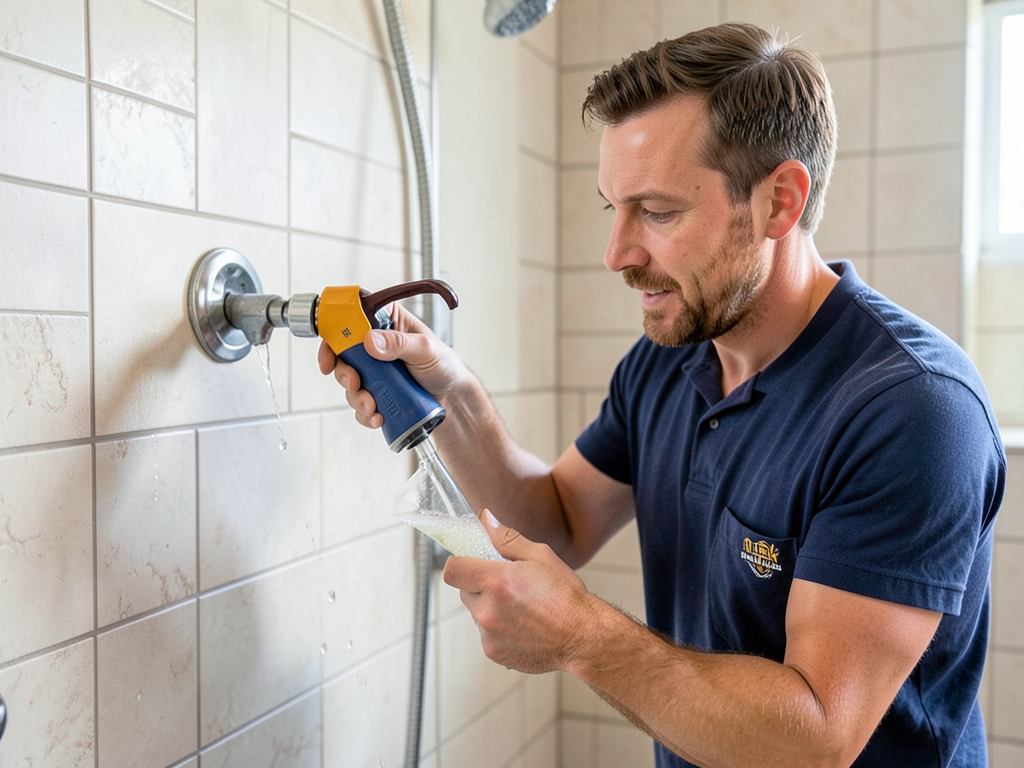
Removing White Crusty Buildup from Your Showerheads and Faucets White crusty buildup on your showerheads and faucets isn’t just an…

Removing White Crusty Buildup from Your Showerheads and Faucets

Removing White Crusty Buildup from Your Showerheads and Faucets White crusty buildup on your showerheads and faucets isn’t just an…

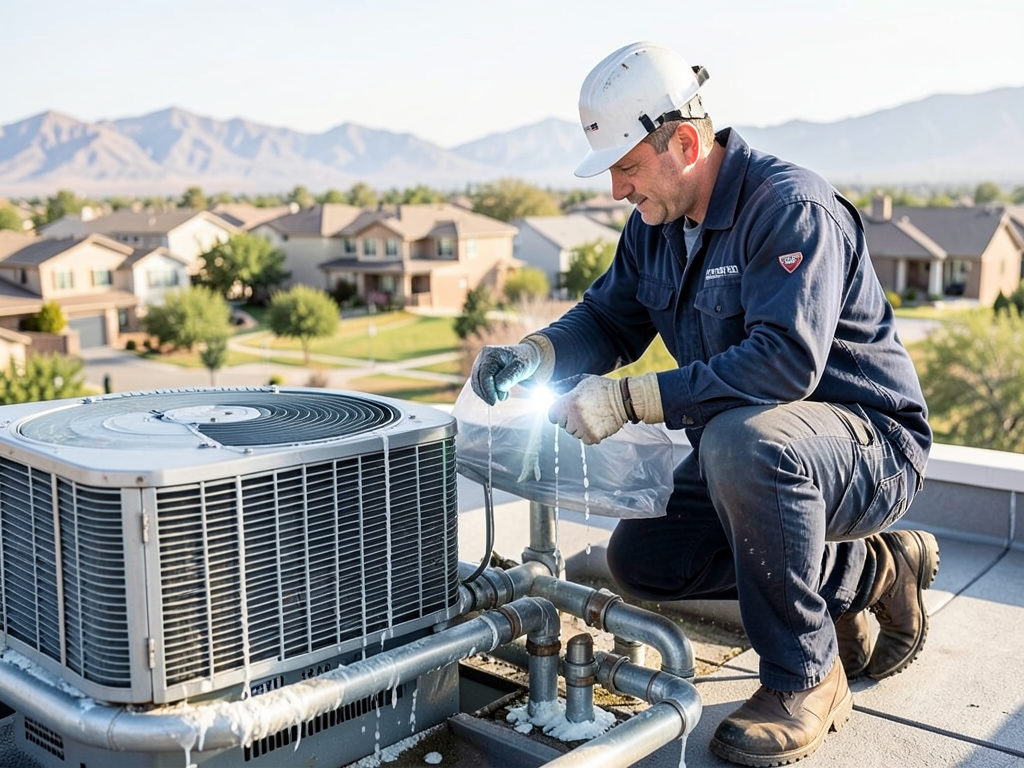
What to Do When Your Swamp Cooler Starts Leaking on Your Roof

What to Do When Your Swamp Cooler Starts Leaking on Your Roof A swamp cooler leaking onto your roof creates…

How to Prepare Your Outdoor Kitchen for a Salt Lake City Summer

How to Prepare Your Outdoor Kitchen for a Salt Lake City Summer Your outdoor kitchen needs more than just a…

Contact Us

Call Crestline Plumbing Salt Lake City at (385) 406-8899 to schedule a water heater consultation. We evaluate your home's specific conditions and give you honest recommendations based on your actual needs, not equipment markups. You get clarity, not a sales pitch.