
Tree Root Intrusion Problems for Older Properties Near Sugar House Park
Tree root intrusion in Sugar House sewer lines is a costly problem hiding beneath the neighborhood’s beautiful canopy. The mature trees that make Sugar House charming are the same ones sending roots into aging clay pipes, causing slow drains, backups, and expensive repairs. If your home was built before 1950 near Sugar House Park, your sewer line is likely made of clay tile or Orangeburg pipe that roots find irresistible. Expert Drain Cleaning in Sandy UT for Stubborn Clogs.
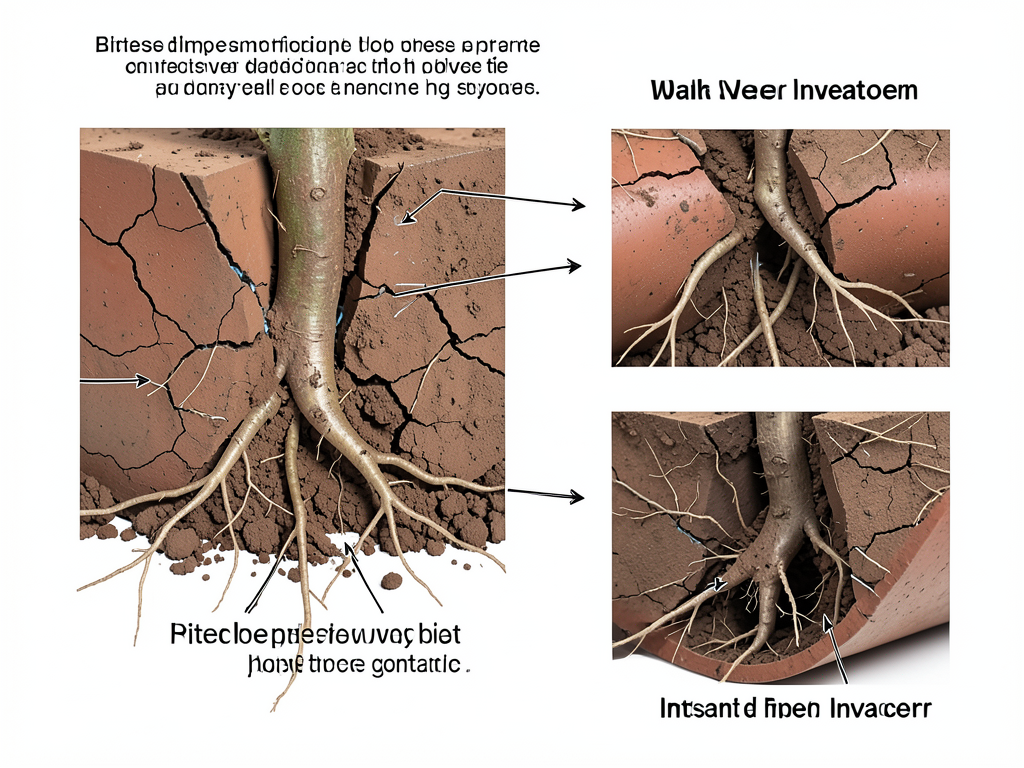
Root intrusion happens when tiny root hairs detect moisture escaping through hairline cracks in old pipes. Once inside, roots grow rapidly, catching debris and creating blockages that can completely shut down your sewer system. The combination of Sugar House’s mature sycamore and maple trees with its century-old infrastructure makes this neighborhood particularly vulnerable to root-related plumbing emergencies. Reliable Plumbing Repair for Historic Homes in The Avenues.
Why Sugar House Sewer Lines Are Prone to Tree Roots
The Sugar House area contains some of Salt Lake City’s oldest residential infrastructure, with many homes built between 1900 and 1950 featuring original clay sewer pipes. These pipes were state-of-the-art when installed but now pose significant problems due to their age and material properties. Salt Lake City Public Utilities.
Clay pipes, also called vitrified clay pipe or VCP, were common in early 20th-century construction. While durable against corrosion, clay becomes brittle over decades and develops hairline fractures from ground movement and freeze-thaw cycles that plague Salt Lake City. The joints between clay pipe sections, originally sealed with mortar or rubber gaskets, deteriorate and create entry points for roots.
Orangeburg pipe, a fiber conduit impregnated with coal tar, was also used in some Sugar House homes from the 1940s through the 1970s. This material is particularly vulnerable as it deteriorates from the inside out, becoming soft and easily penetrated by aggressive root systems.
The mature tree canopy in Sugar House creates the perfect storm for root intrusion. Norway maples, sycamores, and cottonwoods common to the 84105 and 84106 zip codes send out extensive lateral root systems seeking water and nutrients. These roots can travel dozens of feet to reach the moisture leaking from compromised sewer lines. Best Water Softener Installation Services in Salt Lake City to Fight Hard Water.
Salt Lake City’s clay-heavy soil compounds the problem. When clay soil dries, it shrinks away from pipes, creating gaps where roots can enter. During wet seasons, the expanding clay puts pressure on already fragile pipes, accelerating their deterioration and creating new entry points.
Signs Your Sugar House Home Has Root Intrusion
Root intrusion develops gradually, but several warning signs indicate you may have a growing problem in your sewer line. Early detection can prevent a complete system failure and the associated property damage. Water Main Leak Detection and Repair in Holladay.
Gurgling sounds from toilets and drains indicate partial blockages where roots have caught debris. This occurs when water struggles to pass through the constricted pipe, creating air bubbles and unusual noises. If you hear consistent gurgling when flushing or running water, roots may be establishing themselves in your sewer line. Water Stains on Ceiling or Walls.
Slow-draining fixtures throughout your home suggest a mainline blockage rather than a localized clog. When roots infiltrate the main sewer lateral connecting your home to the municipal system, every drain in the house experiences reduced flow. Bathtubs, sinks, and toilets all drain more slowly than normal.. Read more about Why Chemical Drain Cleaners Are Damaging the Pipes in Your Kearns Home.
Sewer odors in your basement or near floor drains indicate sewage backing up in the system. As roots block the pipe, wastewater has nowhere to go and may rise through the lowest drains in your home. The unmistakable smell of rotten eggs or sewage signals an urgent plumbing issue requiring immediate attention.. Read more about Maintaining Floor Drains in South Salt Lake Garage or Workshop Spaces.
Water pooling in your yard above the sewer line, especially during dry weather, suggests a break in the pipe. Roots can actually break pipes apart as they grow, creating leaks that saturate the soil. This creates soft, soggy spots in your lawn that persist even without recent rainfall.
Multiple drain clogs occurring simultaneously indicate a systemic problem rather than isolated blockages. When roots affect the main line, individual fixtures cannot drain properly because the primary pathway for wastewater is compromised. This differs from typical hair or grease clogs that affect single drains.
Diagnostic Sewer Camera Inspections
Camera inspections are the only reliable way to confirm root intrusion and assess the extent of damage to your sewer line. This diagnostic process uses specialized equipment to visually inspect the interior of pipes without excavation.
Professional plumbers use waterproof cameras mounted on flexible cables that navigate through sewer lines. These cameras transmit real-time video to a monitor, allowing technicians to identify root locations, pipe damage, and blockage severity. The camera also records footage for homeowner review and insurance documentation.
During a camera inspection, technicians look for several indicators of root intrusion. Root masses appear as fuzzy, hair-like growths extending into the pipe from joints or cracks. The camera reveals the extent of blockage, pipe diameter reduction, and any structural damage like separated joints or collapsed sections.
Camera inspections also identify pipe material, which helps determine appropriate repair methods. Clay pipes require different approaches than cast iron or PVC. The inspection reveals the pipe’s overall condition, helping homeowners make informed decisions about repair versus replacement.. Read more about Should You Replace the Galvanized Pipes in Your Yalecrest Tudor?.
Modern camera systems include location transmitters that pinpoint exactly where issues occur underground. This technology eliminates guesswork about excavation locations, saving time and money during repairs. Technicians can mark problem areas on the surface using paint or flags for precise targeting.. Read more about The Hidden Risks of Using Liquid Drain Cleaners in Your 9th and 9th Rental Property.
The inspection process typically takes one to two hours for a standard residential sewer line. Technicians insert the camera through an accessible cleanout or remove a toilet to access the main line. The resulting video documentation provides clear evidence of problems and recommended solutions.
Non-Invasive Solutions: Hydro-Jetting and Trenchless Repair
Modern plumbing technology offers several solutions for root intrusion that avoid the extensive digging required by traditional repair methods. These approaches preserve Sugar House’s mature landscaping while effectively addressing root problems.
Hydro-jetting uses high-pressure water streams, typically 3,000 to 4,000 PSI, to cut through root masses and flush debris from pipes. This method effectively clears existing blockages without damaging pipes when performed by trained professionals. The water jet slices through roots like a knife, restoring full pipe diameter.
Mechanical root cutting employs rotating cutting heads mounted on cables that spin at high speeds to chop through roots. This method works well for initial clearance but may not prevent future root growth. The cutting heads come in various sizes and configurations for different pipe diameters and blockage types.
Trenchless pipe lining, also called cured-in-place pipe or CIPP, creates a new pipe within the old one without excavation. Technicians insert a resin-saturated felt tube into the damaged pipe, then cure it using hot water, steam, or UV light. The result is a seamless, jointless pipe within a pipe that roots cannot penetrate.
Pipe bursting replaces damaged pipes by pulling a new pipe through the old one while simultaneously fracturing the old pipe outward. This method works well when pipes are severely damaged or when upsizing is needed. A bursting head breaks apart the old pipe as it pulls the new pipe into place.
Chemical root control products containing copper sulfate or metam sodium can prevent root regrowth after mechanical removal. These herbicides kill existing roots in pipes and create a toxic zone that discourages new root growth for several years. However, these chemicals must be used carefully to avoid environmental damage.
The choice between repair methods depends on pipe condition, location, and budget. Camera inspections guide these decisions by revealing the extent of damage and helping homeowners understand their options for addressing root intrusion problems.
Preventing Future Root Intrusion
Prevention is more cost-effective than repeated repairs for root intrusion problems. Several strategies can protect your sewer line from future root damage after initial clearance or repair.
Regular maintenance cleaning every 12 to 18 months prevents roots from establishing themselves in pipes. Professional plumbers use hydro-jetting or mechanical cleaning to remove early root growth before it creates significant blockages. This proactive approach costs far less than emergency repairs for complete system failures.
Root barriers installed during landscaping can direct tree roots away from sewer lines. These physical barriers, typically made of plastic or metal, extend 18 to 24 inches deep and create underground walls that roots cannot penetrate. Proper installation requires knowledge of existing utility locations and root growth patterns.
Choosing appropriate trees for planting near sewer lines prevents future problems. Trees with shallow, non-invasive root systems like Japanese maple, dogwood, or redbud are better choices than aggressive species like willows, poplars, or silver maples. The Utah State University Extension provides guidance on tree selection for urban landscapes. Utah State University Extension.
Annual video inspections of sewer lines allow early detection of root intrusion before major damage occurs. These inspections cost a fraction of emergency repairs and provide peace of mind for homeowners in older Sugar House properties. Many plumbers offer maintenance plans that include regular camera inspections.
Proper watering practices for landscape trees reduce their search for moisture in sewer lines. Deep, infrequent watering encourages roots to grow downward rather than laterally toward pipes. This approach also promotes healthier trees that are less likely to cause infrastructure damage.
Soil amendments can improve drainage around pipes, reducing the moisture differential that attracts roots. Well-draining soil around sewer lines makes them less appealing to water-seeking roots. However, this approach requires careful consideration of local soil conditions and existing landscaping.
Cost Factors and Insurance Considerations
The cost of addressing root intrusion varies significantly based on the chosen repair method, pipe location, and extent of damage. Understanding these factors helps homeowners budget appropriately for necessary repairs.
Camera inspections typically cost between $250 and $500, depending on the complexity of the job and the length of the sewer line. This diagnostic step is essential for accurate pricing of subsequent repairs and should be performed before committing to any solution.
Hydro-jetting services range from $400 to $800 for residential sewer lines. This cost-effective method clears existing blockages but may need to be repeated every few years as roots regrow. The initial cleaning provides immediate relief from slow drains and backups.
Trenchless pipe lining costs between $80 and $120 per linear foot, making a typical residential job range from $3,000 to $7,000. While more expensive upfront than hydro-jetting, lining provides a permanent solution that prevents future root intrusion and comes with 10 to 50-year warranties.
Traditional excavation and pipe replacement costs vary widely based on accessibility, depth, and landscaping restoration needs. A simple replacement might cost $5,000 to $8,000, while complex jobs requiring concrete cutting or extensive restoration can exceed $15,000. These costs often surprise homeowners who expect trenchless methods to be more expensive.
Most homeowners insurance policies do not cover root intrusion damage, considering it a maintenance issue rather than sudden damage. However, some policies may cover damage to personal property caused by sewer backups resulting from root blockages. Review your policy details or consult your insurance agent for specific coverage information.
Home warranty plans sometimes cover root removal and basic repairs, but coverage varies significantly between providers. Read the fine print carefully, as many warranties exclude pre-existing conditions or damage from mature trees already established near sewer lines.
Financing options are available for major repairs through many plumbing companies. These plans allow homeowners to address urgent problems without depleting savings, spreading costs over manageable monthly payments while protecting property from further damage.. Read more about Protecting Your Woods Cross Home from a Sewer Backup After Heavy Rain.
Local Regulations and Permitting
Sewer line repairs in Sugar House must comply with Salt Lake City Public Utilities regulations and Utah state plumbing codes. Understanding these requirements helps homeowners navigate the repair process legally and safely.
Salt Lake City requires permits for most sewer line repairs, including trenchless methods. The permit process ensures work meets current code requirements and is inspected by city officials. Permit fees vary based on project scope but typically range from $100 to $500 for residential repairs.
Utah follows the International Plumbing Code with state amendments. Current standards require proper bedding and backfill materials for buried pipes, appropriate slope for wastewater flow, and accessible cleanouts at specified intervals. These requirements ensure repaired lines function properly for decades.
Cross-connection control regulations require backflow prevention devices where potable water systems connect to irrigation or other non-potable systems. While not directly related to root intrusion, these requirements often come into play during comprehensive plumbing repairs.
Environmental regulations restrict the use of chemical root control products near waterways or storm drains. Salt Lake County prohibits certain herbicides that could contaminate groundwater or harm aquatic ecosystems. Always verify product legality before application and consider professional application for maximum effectiveness with minimal environmental impact.
Historic district considerations may apply to some Sugar House properties. The Salt Lake City Historic Landmarks Commission reviews exterior modifications to properties in designated historic districts. While sewer lines are typically underground and exempt, excavation activities may require additional review to preserve neighborhood character.
Utility location requirements mandate calling 811 before any excavation, even for small repairs. This free service marks underground utilities to prevent damage to gas lines, electrical conduits, and other infrastructure. Damaging utilities during sewer repairs creates serious safety hazards and costly repairs.
Emergency Response and Immediate Actions
When root intrusion causes complete sewer line blockage, immediate action prevents extensive property damage and health hazards. Knowing how to respond to a sewer emergency can save thousands in potential damage.
Stop using all water fixtures immediately if you suspect a complete blockage. Continued water use forces backed-up sewage into your home through floor drains, toilets, and other fixtures. This creates contamination requiring professional remediation and damages flooring, walls, and personal property.
Locate your main sewer cleanout, typically a 4-inch pipe with a threaded cap in your yard or basement. Carefully remove the cap to relieve pressure if sewage is backing up inside your home. This releases backed-up water outside rather than into your living space, though it creates an outdoor mess that requires professional cleanup.
Document the problem with photos and videos before any cleanup begins. This documentation helps with insurance claims and provides evidence for warranty claims on any subsequent repairs. Capture the extent of flooding, affected areas, and any property damage.
Contact a licensed plumber immediately for emergency service. Many Salt Lake City plumbers offer 24/7 emergency response for sewer backups. Quick professional intervention minimizes damage and begins the repair process before the situation worsens.
Keep children and pets away from affected areas due to contamination risks. Sewage contains harmful bacteria, viruses, and parasites that cause serious illness. Avoid contact with contaminated water and materials, and wash thoroughly if accidental exposure occurs.
Remove valuable items from affected areas if safe to do so. Electronics, documents, and irreplaceable personal items should be moved to dry areas. However, avoid entering deeply contaminated areas or attempting extensive cleanup without proper protective equipment.
Ventilate the area by opening windows and using fans to circulate air. This helps reduce odors and moisture that promote mold growth. However, avoid using your HVAC system if it might spread contamination through ductwork.
Choosing the Right Plumbing Professional
Selecting a qualified plumber for root intrusion problems requires careful consideration of experience, equipment, and local knowledge. Not all plumbers have the specialized skills needed for effective root removal and trenchless repairs.
Verify licensing through the Utah Division of Occupational and Professional Licensing. All plumbers working in Salt Lake City must hold current state licenses and carry appropriate insurance. Ask for license numbers and verify them online before hiring any contractor.
Experience with trenchless technology is crucial for modern root intrusion solutions. Plumbers should demonstrate familiarity with hydro-jetting equipment, pipe lining materials, and camera inspection systems. Ask about specific training and years of experience with these specialized technologies.
Local knowledge of Sugar House’s specific infrastructure provides significant advantages. Plumbers familiar with the neighborhood’s common pipe materials, typical tree species, and local soil conditions can diagnose problems more quickly and recommend appropriate solutions based on regional factors.
References from other Sugar House homeowners provide valuable insight into a plumber’s reliability and work quality. Ask for local references and contact them to discuss their experiences with similar root intrusion problems and the effectiveness of recommended solutions.
Written estimates should detail the proposed work, materials, timeline, and warranty information. Avoid plumbers who provide verbal quotes or refuse to put terms in writing. Professional companies stand behind their estimates and provide clear documentation of all work to be performed.
Emergency response capability matters when dealing with active sewer backups. Choose a plumber who offers 24/7 service and can respond quickly to prevent extensive property damage. Response time can mean the difference between minor cleanup and major restoration projects.
Insurance and warranty coverage protect your investment in repairs. Reputable plumbers carry liability insurance and offer warranties on both labor and materials. Understand what is covered and for how long before committing to any repair method.

Frequently Asked Questions
How do I know if tree roots are causing my sewer problems?
Common signs include gurgling drains, slow drainage throughout the house, sewer odors, and recurring clogs that return shortly after clearing. A professional camera inspection provides definitive diagnosis by showing roots inside your pipes.
Can I use chemical root killers to solve the problem myself?
While chemical treatments exist, they provide temporary relief at best and may damage pipes or harm the environment. Professional mechanical removal followed by preventative measures offers more reliable, longer-lasting solutions.
How long does trenchless pipe lining last compared to traditional repairs?
Quality trenchless lining typically carries 10 to 50-year warranties and can last 50+ years with proper installation. This exceeds the lifespan of many traditional repair methods while preserving your landscaping.
Will fixing my sewer line kill the trees causing the problem?
Professional root removal targets only the portions invading your pipes without harming the entire tree. The trees remain healthy while your sewer line stays clear. Some chemical treatments may affect tree health, so mechanical methods are often preferred.
How much does it cost to repair root intrusion in Sugar House?
Costs range from $400 for simple hydro-jetting to $15,000+ for extensive excavation and replacement. Most homeowners spend between $3,000 and $8,000 for effective trenchless repairs that address the problem permanently.
{
“@context”: “https://schema.org”,
“@type”: “BlogPosting”,
“headline”: “Tree Root Intrusion Problems for Older Properties Near Sugar House Park”,
“description”: “Mature trees near Sugar House Park are invading aging sewer lines. Learn why Sugar House’s 100-year-old clay pipes attract roots and how trenchless repair preserves your landscaping.”,
“wordCount”: 3059,
“datePublished”: “2026-03-13T16:13:00.000Z”,
“dateModified”: “2026-03-13T16:13:00.000Z”,
“inLanguage”: “en-US”,
“mainEntityOfPage”: {
“@type”: “WebPage”,
“@id”: “https://crestlineplumbingsaltlakecity.com”
},
“publisher”: {
“@type”: “LocalBusiness”,
“name”: “Crestline Plumbing Salt Lake City”,
“url”: “https://crestlineplumbingsaltlakecity.com”
},
“author”: {
“@type”: “Organization”,
“name”: “Crestline Plumbing Salt Lake City”,
“url”: “https://crestlineplumbingsaltlakecity.com”
},
“image”: {
“@type”: “ImageObject”,
“url”: “https://crestlineplumbingsaltlakecity.com/wp-content/uploads/2026/03/tree-root-intrusion-problems-for-older-properties-1.png”
}
}
{
“@context”: “https://schema.org”,
“@type”: “Plumber”,
“name”: “Crestline Plumbing Salt Lake City”,
“url”: “https://crestlineplumbingsaltlakecity.com”,
“address”: {
“@type”: “PostalAddress”,
“addressLocality”: “Salt Lake City”
},
“areaServed”: {
“@type”: “City”,
“name”: “Salt Lake City”
}
}
{
“@context”: “https://schema.org”,
“@type”: “FAQPage”,
“mainEntity”: [
{
“@type”: “Question”,
“name”: “How do I know if tree roots are causing my sewer problems?”,
“acceptedAnswer”: {
“@type”: “Answer”,
“text”: “Common signs include gurgling drains, slow drainage throughout the house, sewer odors, and recurring clogs that return shortly after clearing. A professional camera inspection provides definitive diagnosis by showing roots inside your pipes.”
}
},
{
“@type”: “Question”,
“name”: “Can I use chemical root killers to solve the problem myself?”,
“acceptedAnswer”: {
“@type”: “Answer”,
“text”: “While chemical treatments exist, they provide temporary relief at best and may damage pipes or harm the environment. Professional mechanical removal followed by preventative measures offers more reliable, longer-lasting solutions.”
}
},
{
“@type”: “Question”,
“name”: “How long does trenchless pipe lining last compared to traditional repairs?”,
“acceptedAnswer”: {
“@type”: “Answer”,
“text”: “Quality trenchless lining typically carries 10 to 50-year warranties and can last 50+ years with proper installation. This exceeds the lifespan of many traditional repair methods while preserving your landscaping.”
}
},
{
“@type”: “Question”,
“name”: “Will fixing my sewer line kill the trees causing the problem?”,
“acceptedAnswer”: {
“@type”: “Answer”,
“text”: “Professional root removal targets only the portions invading your pipes without harming the entire tree. The trees remain healthy while your sewer line stays clear. Some chemical treatments may affect tree health, so mechanical methods are often preferred.”
}
},
{
“@type”: “Question”,
“name”: “How much does it cost to repair root intrusion in Sugar House?”,
“acceptedAnswer”: {
“@type”: “Answer”,
“text”: “Costs range from $400 for simple hydro-jetting to $15,000+ for extensive excavation and replacement. Most homeowners spend between $3,000 and $8,000 for effective trenchless repairs that address the problem permanently.”
}
}
]
}
{
“@context”: “https://schema.org”,
“@type”: “BreadcrumbList”,
“itemListElement”: [
{
“@type”: “ListItem”,
“position”: 1,
“name”: “Home”,
“item”: “https://crestlineplumbingsaltlakecity.com”
},
{
“@type”: “ListItem”,
“position”: 2,
“name”: “Blog”,
“item”: “https://crestlineplumbingsaltlakecity.com/blog”
},
{
“@type”: “ListItem”,
“position”: 3,
“name”: “Tree Root Intrusion Problems for Older Properties Near Sugar House Park”
}
]
}
{
“@context”: “https://schema.org”,
“@type”: “Service”,
“serviceType”: “Plumbing”,
“provider”: {
“@type”: “LocalBusiness”,
“name”: “Crestline Plumbing Salt Lake City”,
“url”: “https://crestlineplumbingsaltlakecity.com”
},
“areaServed”: {
“@type”: “City”,
“name”: “Salt Lake City”
},
“description”: “Mature trees near Sugar House Park are invading aging sewer lines. Learn why Sugar House’s 100-year-old clay pipes attract roots and how trenchless repair preserves your landscaping.”
}