menu

Trenchless Sewer Repair in Salt Lake City – Minimize Business Downtime with No-Dig Solutions

Commercial trenchless sewer repair eliminates parking lot excavation, preserves customer access, and restores flow in days, not weeks, keeping your Salt Lake City business operational while we fix deteriorating lines beneath the surface.

Slider Image 1
Slider Image 2
Slider Image 3
Slider Image 4
Slider Image 5
Slider Image 7
Slider Image 8
Slider Image 9
Slider Image 10
Slider Image 11

Why Salt Lake City Commercial Properties Face Accelerated Sewer Line Failure

Salt Lake City sits in a valley where freeze-thaw cycles damage aging cast iron and clay sewer lines every winter. When temperatures drop below freezing at night and climb above 40 during the day, the soil expands and contracts around your underground pipes. This movement cracks older pipe materials, especially those installed before 1980 in established commercial districts near South Temple and 400 South.

The bentonite clay soil common throughout the Salt Lake Valley compounds the problem. Clay expands when wet and shrinks when dry, creating pressure on pipe joints. Commercial properties in areas like Sugar House and the Central Business District face additional stress from heavy vehicle loads on pavement above buried sewer lines. Delivery trucks, forklifts, and constant traffic compress the soil, accelerating pipe deterioration.

Your business cannot afford a traditional excavation that closes parking lots, blocks entrances, or disrupts operations for two to three weeks. Restaurants lose revenue when customers cannot park. Retail locations see foot traffic vanish when sidewalks are torn up. Manufacturing facilities face production halts when sewer flow stops.

Trenchless sewer repair solves these problems without excavation. No-dig sewer repair methods like CIPP sewer repair and trenchless pipe lining restore full flow capacity from a single access point, eliminating the need to destroy landscaping, pavement, or business access. Trenchless pipe rehabilitation keeps your doors open while we fix the problem underground, protecting your revenue stream and customer relationships.

Why Salt Lake City Commercial Properties Face Accelerated Sewer Line Failure
How Commercial Trenchless Sewer Repair Protects Business Continuity

How Commercial Trenchless Sewer Repair Protects Business Continuity

Trenchless sewer replacement uses two proven methods to restore commercial sewer lines without surface disruption. Pipe lining, also called cured-in-place pipe or CIPP sewer repair, creates a new pipe inside your existing line. We insert a resin-saturated liner through an access point, inflate it against the interior walls, and cure it with heat or UV light. The result is a seamless, jointless pipe with a 50-year service life that resists root intrusion and chemical corrosion.

Pipe bursting works for severely collapsed lines or undersized systems. We pull a bursting head through your old pipe, fracturing it outward while simultaneously pulling new high-density polyethylene pipe into place. This method increases flow capacity if your business has expanded beyond the original system's design capacity, a common issue in repurposed industrial buildings along North Temple.

Both methods require only two small access points, typically at existing cleanouts or the building's sewer exit point. We complete most commercial jobs in two to four days, depending on line length and diameter. Your employees park normally, customers enter through the front door, and operations continue with minimal interruption.

We use mainline video inspection to map the exact location and severity of damage before recommending a solution. Lateral line inspections identify problems in branch lines serving different building sections. This diagnostic precision eliminates guesswork and prevents unnecessary work, keeping your project timeline and budget predictable. Salt Lake City requires backflow prevention compliance for commercial properties, and we integrate that requirement into every trenchless installation to maintain code adherence.

What Happens During Your Commercial Trenchless Sewer Project

Trenchless Sewer Repair in Salt Lake City – Minimize Business Downtime with No-Dig Solutions
01

Video Inspection and Planning

We insert a high-resolution camera through your existing cleanout to record the entire sewer line from building to main connection. This footage reveals crack locations, offset joints, root infiltration, and pipe material type. You receive a digital recording with time-stamped problem areas and a written assessment that includes GPS coordinates of damage points, helping you plan future site work and avoid repeat excavation.
02

Line Preparation and Rehabilitation

We hydro-jet the line to remove debris, grease buildup, and root masses that would interfere with liner adhesion. High-pressure water at 3,000 to 4,000 PSI clears obstructions without damaging remaining pipe structure. For CIPP installations, we measure the exact liner length needed and saturate it with epoxy resin calibrated to your pipe diameter. The liner inverts into position, conforming to bends and connections.
03

Curing and Final Testing

Heat or UV curing hardens the epoxy liner into a rigid pipe structure in two to four hours. We control temperature and cure time to match manufacturer specifications for your pipe diameter and material thickness. After curing, we perform a final video inspection to verify complete adhesion, confirm lateral connections remain open, and document that the new pipe meets flow capacity requirements for your business type and occupancy load.

Why Salt Lake City Businesses Choose Crestline Plumbing for Commercial Sewer Repair

Commercial properties require contractors who understand business operations, not just pipe repair. We schedule work around your peak hours, coordinate with property managers, and communicate directly with tenants when multiple businesses share a sewer line. Properties along State Street and in the Gateway District often have complex shared sewer systems where one failure affects multiple tenants. We map these connections before starting work to prevent surprises.

Salt Lake City building codes require permits for sewer work, and commercial properties must maintain compliance with wastewater discharge limits. We handle all permit applications, coordinate inspections with the city's Department of Public Utilities, and provide documentation that satisfies your commercial insurance requirements. Properties in older neighborhoods like Capitol Hill or the Avenues face additional scrutiny for work near historic structures or within designated preservation zones.

Our crews carry commercial liability coverage that meets the requirements for work in occupied business spaces. We understand that a restaurant cannot afford a sewer backup during dinner service, a medical office cannot risk contamination in patient areas, and a warehouse cannot halt shipping operations. We stage equipment to minimize space requirements, protect your flooring and fixtures, and clean the work area completely before leaving each day.

Trenchless methods also preserve your landscaping investment and hardscaping features. Traditional excavation destroys mature trees, irrigation systems, decorative concrete, and branded entrance features. The cost to replace these elements often exceeds the excavation savings. We protect your property's curb appeal and maintain the professional appearance that customers expect when they visit your location.

What Your Business Can Expect from Commercial Trenchless Sewer Repair

Project Timeline and Scheduling Flexibility

Most commercial trenchless projects take two to four days from mobilization to final inspection. We schedule work during your slowest business hours or over weekends to protect revenue. Manufacturing facilities often prefer overnight shifts to maintain production schedules. Restaurants schedule repairs between lunch and dinner service or during closure days. Retail locations coordinate work around delivery schedules and peak shopping times. We provide a detailed timeline before starting and update you on progress twice daily to prevent communication gaps that disrupt your planning.

Comprehensive Diagnostic Assessment

Video inspection reveals problems you cannot see from the surface. We identify root infiltration from street trees, grease accumulation in restaurant lines, chemical corrosion from industrial discharge, and structural damage from soil settlement. You receive a written report with repair recommendations prioritized by urgency and cost. This assessment helps you budget for future maintenance and plan capital improvements. Properties with multiple buildings or extensive underground utility networks benefit from our GPS mapping service that documents every pipe location, depth, and connection point for your facility records.

Restored Flow Capacity and Compliance

Trenchless pipe lining restores your sewer line to better-than-new condition. The smooth interior surface eliminates joint gaps where debris accumulates and roots penetrate. Flow capacity often increases because the new liner has no interior roughness to slow wastewater movement. This improved flow reduces the risk of backups during peak usage periods when your business generates maximum wastewater volume. All work meets International Plumbing Code standards and Salt Lake City requirements for commercial sewer systems. You receive documentation suitable for building inspections, insurance compliance, and property sale disclosures.

Long-Term Performance and Maintenance Planning

CIPP sewer repair creates a pipe with a 50-year service life. The epoxy resin resists chemical damage from cleaners, solvents, and industrial discharge that corrode traditional pipe materials. Root barriers prevent tree root penetration at joints and cracks. We recommend annual video inspections for high-volume commercial properties to catch minor problems before they escalate. Restaurants benefit from quarterly hydro-jetting to prevent grease accumulation. Properties with older buildings should schedule inspections after major storms or ground freezes to detect new damage early. We maintain service records for every commercial client to track system performance over time.

Frequently Asked Questions

You Have Questions,
We Have Answers

Is trenchless sewer repair worth it? +

For commercial properties in Salt Lake City, trenchless sewer repair delivers clear ROI. You avoid excavation costs, minimize site disruption, and keep operations running during repairs. Traditional dig-and-replace methods shut down parking lots, damage landscaping, and require expensive restoration. Trenchless methods install through small access points, cutting downtime from days to hours. Given Salt Lake City's clay soils and frost depth requirements, trenchless options reduce liability from open trenches and heavy equipment on-site. The installed pipe lasts 50-plus years with minimal maintenance. For businesses prioritizing continuity and reduced liability exposure, trenchless is the practical choice.

What are the disadvantages of trenchless pipe lining? +

Pipe lining requires existing pipe structure to remain intact enough for lining installation. If your sewer line has collapsed sections or severe offset joints, lining may not work. The process also reduces interior pipe diameter slightly, which can affect flow capacity in undersized commercial lines. Root intrusion must be cleared before lining, adding upfront costs. In Salt Lake City's freeze-thaw climate, any remaining gaps between liner and host pipe can trap moisture and cause issues. Finally, camera inspection access is mandatory, which means your line needs cleanout points. Not every damaged sewer qualifies for trenchless lining.

Does homeowners insurance cover sewage line repairs? +

Commercial property insurance typically excludes routine sewer line maintenance and age-related deterioration. Most policies cover sudden, accidental damage, like a contractor hitting your line during excavation. Coverage depends on your specific policy terms and the failure cause. Tree root intrusion, corrosion, and settling from Salt Lake City's clay soil movement are considered maintenance issues, not covered events. Review your property policy with your broker before assuming coverage. Many commercial owners budget for sewer repairs separately or add sewer line endorsements. Document the failure cause thoroughly. Insurance adjusters require clear evidence that damage was sudden and unforeseeable, not gradual neglect.

How long does a trenchless sewer line last? +

Trenchless pipe liners installed to code last 50 to 100 years in commercial applications. The cured-in-place pipe (CIPP) liner creates a seamless, jointless pipe inside your existing sewer, eliminating weak points where leaks start. Epoxy and resin materials resist corrosion, root intrusion, and chemical exposure from commercial waste streams. Salt Lake City's soil movement and temperature swings do not affect properly installed liners because they bond to the host pipe and flex with ground shifts. Lifespan depends on proper installation, adequate pipe preparation, and correct resin cure times. Expect decades of maintenance-free operation when installed correctly by certified technicians.

What is the cheapest way to replace a sewer line? +

Open-cut excavation using basic PVC replacement is the lowest upfront cost for sewer line replacement. You pay for trenching, pipe material, and backfill. However, total cost includes site restoration, pavement replacement, landscaping repair, and business downtime. In Salt Lake City, frost depth requirements mean digging deeper, adding labor costs. For commercial properties, calculate lost revenue during closure, liability from open trenches, and ADA compliance for rerouted access. Trenchless methods cost more upfront but eliminate restoration expenses and downtime. The cheapest method depends on your site conditions, pipe depth, and whether you can afford operational interruption. Compare total project cost, not just pipe installation.

Do plumbers recommend sewer liners? +

Licensed commercial plumbers recommend sewer liners when site conditions justify trenchless methods. Liners work well for pipes with stable structure, accessible cleanouts, and minimal collapse. Plumbers verify pipe condition through camera inspection before recommending lining. In Salt Lake City, liners avoid disrupting established landscapes, paved surfaces, and building foundations. Plumbers do not recommend liners for severely deteriorated pipes, collapsed sections, or lines requiring diameter increases. The recommendation depends on your specific pipe condition, budget, and site constraints. Experienced plumbers present both trenchless and traditional options with honest assessments of which method suits your commercial property. Ask for camera inspection footage before deciding.

How expensive is pipe relining? +

Commercial pipe relining costs vary based on pipe diameter, length, access point availability, and damage severity. Expect costs to reflect the complexity of your specific project. Factors include required pipe cleaning, root removal, number of laterals, and cure time. In Salt Lake City, deeper lines due to frost requirements may increase access costs. Relining avoids excavation, pavement replacement, and landscape restoration, which add significant expense to traditional replacement. Price includes camera inspection, pipe cleaning, resin materials, installation labor, and final video verification. Request itemized quotes from certified installers. Compare total project cost including site restoration against relining to understand true value.

How often does a sewer line need to be replaced? +

Commercial sewer lines need replacement when structural failure occurs, not on a fixed schedule. Cast iron lines installed before 1980 often fail after 50 to 70 years due to corrosion. Clay pipe systems common in older Salt Lake City commercial districts crack from soil movement and root intrusion. Modern PVC and HDPE lines last 100-plus years with proper installation. Schedule camera inspections every three to five years for commercial properties to catch issues early. Replace lines showing severe corrosion, multiple joint failures, persistent backups, or structural collapse. Proactive replacement during planned site work avoids emergency failures during business operations.

How do they do trenchless sewer repair? +

Trenchless sewer repair uses two primary methods. Pipe lining inserts a resin-saturated liner through existing cleanouts, inflates it against the old pipe, and cures it in place with heat or UV light. The cured liner becomes a new pipe inside the old one. Pipe bursting feeds a bursting head through the old line, fracturing it outward while pulling new pipe into place simultaneously. Both methods require small access pits at entry and exit points instead of full-length trenching. Technicians use camera inspection to verify pipe condition before and after installation. The process takes hours instead of days and leaves your Salt Lake City site intact.

What is the average lifespan of a sewer line? +

Sewer line lifespan depends on material and installation quality. Cast iron lasts 50 to 75 years before corrosion causes failure. Clay pipe systems last 50 to 60 years but crack from ground movement common in Salt Lake City's clay soils. Orangeburg fiber pipe, used mid-century, fails after 30 to 50 years. Modern PVC and ABS pipes last 100-plus years with proper installation and bedding. CIPP liners installed through trenchless methods last 50 to 100 years. Environmental factors like soil acidity, tree roots, and ground shifting affect all materials. Regular camera inspections identify problems before complete failure occurs.

How Salt Lake Valley Clay Soil Accelerates Commercial Sewer Line Damage

The bentonite clay soil throughout the Salt Lake Valley creates unique challenges for underground utilities. This expansive clay swells up to 15 percent when saturated and shrinks equally when dry, generating pressure that separates pipe joints and cracks rigid materials like cast iron and clay. Commercial properties in areas with shallow water tables, including sections near the Jordan River and along 900 West, face constant soil movement that traditional rigid pipe cannot withstand. Trenchless pipe lining eliminates joints completely, creating a flexible, monolithic structure that moves with the soil without cracking or separating.

Salt Lake City enforces strict wastewater discharge standards to protect the Jordan River watershed and the Great Salt Lake ecosystem. Commercial properties must comply with pretreatment requirements that limit grease, chemical, and solid waste discharge into the municipal sewer system. Our trenchless installations meet these standards and include documentation required for your facility's wastewater discharge permit. We work with local suppliers who stock materials approved by Salt Lake City Public Utilities, ensuring your project passes inspection on the first attempt and keeps your business compliant with environmental regulations that protect our unique desert valley ecosystem.
Plumbing Services in The Salt Lake City Area

We are proud to be a locally owned and operated business, dedicated to serving the entire Salt Lake City area and surrounding communities. Use the map below to pinpoint our location or to better understand our full service coverage across the region. If you need immediate assistance or would like to confirm that your home or business is within our guaranteed service area, please call our office directly—our warm, professional team is always ready to dispatch an expert to your location quickly.

Address:
Crestline Plumbing Salt Lake City, 222 S Main St, Salt Lake City, UT, 84101

Additional Services We Offer

Our news updates

Latest Articles & News from The Blogs

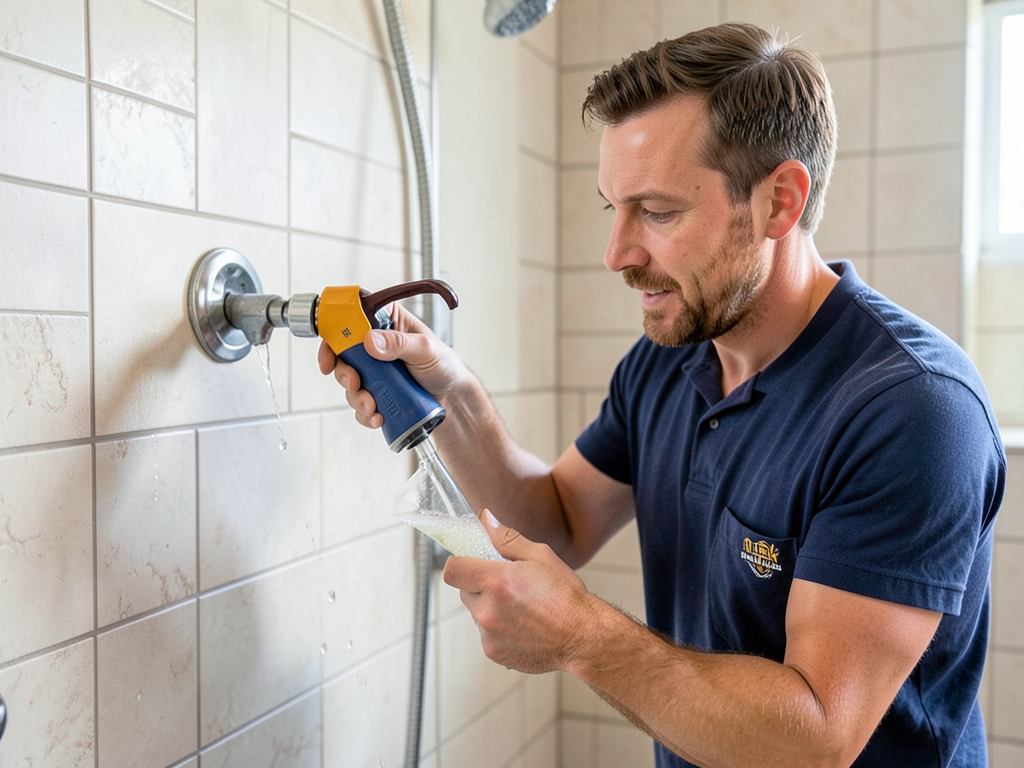
Removing White Crusty Buildup from Your Showerheads and Faucets White crusty buildup on your showerheads and faucets isn’t just an…

Removing White Crusty Buildup from Your Showerheads and Faucets

Removing White Crusty Buildup from Your Showerheads and Faucets White crusty buildup on your showerheads and faucets isn’t just an…

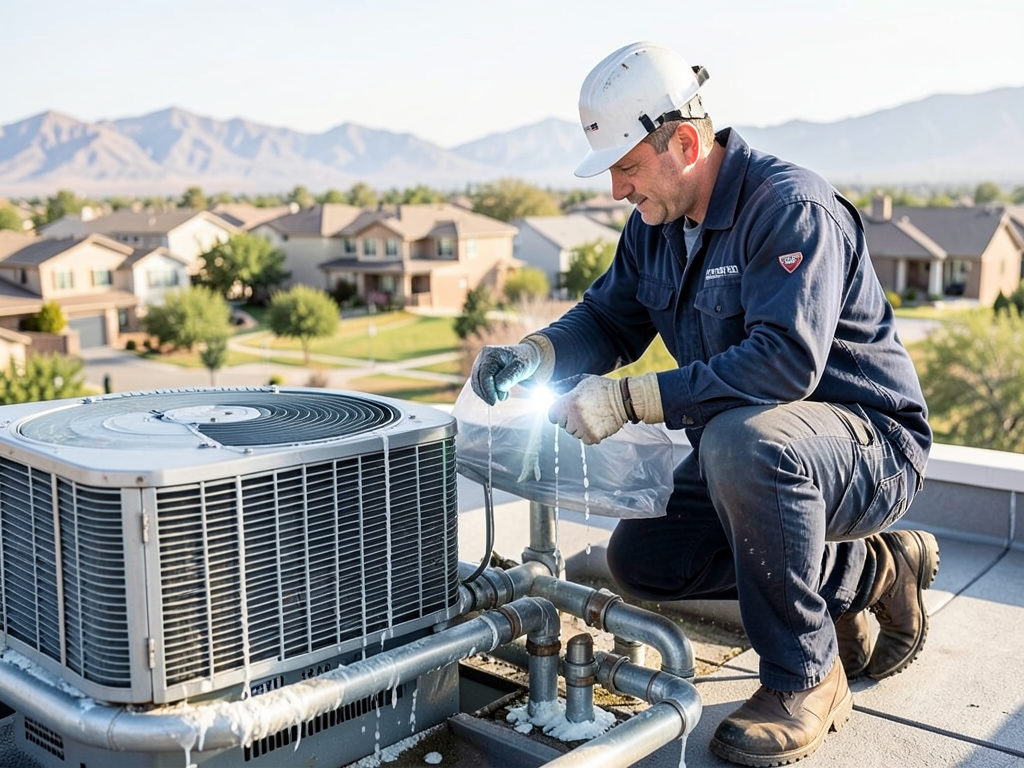
What to Do When Your Swamp Cooler Starts Leaking on Your Roof

What to Do When Your Swamp Cooler Starts Leaking on Your Roof A swamp cooler leaking onto your roof creates…

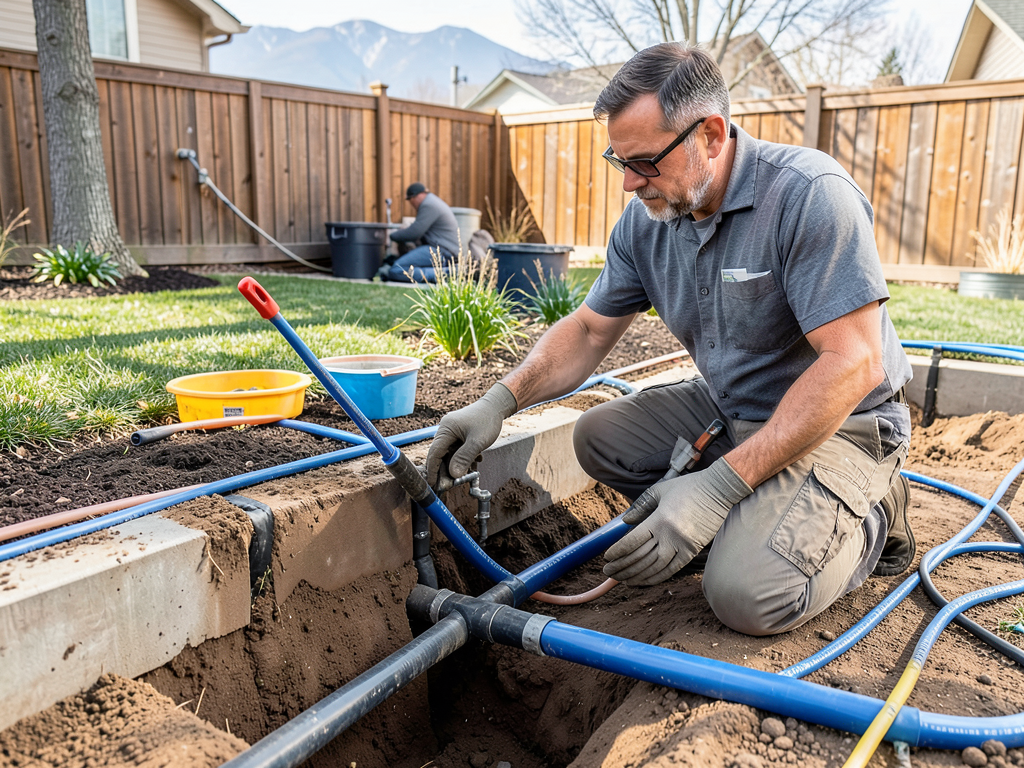
How to Prepare Your Outdoor Kitchen for a Salt Lake City Summer

How to Prepare Your Outdoor Kitchen for a Salt Lake City Summer Your outdoor kitchen needs more than just a…

Contact Us

Contact Crestline Plumbing Salt Lake City at (385) 406-8899 to schedule a video inspection and receive a detailed repair assessment. We provide upfront project timelines and coordinate scheduling around your business operations to minimize disruption and protect your revenue.