menu

Understanding Backflow Testing in Salt Lake City – Expert Guidance on Compliance, Safety, and Annual Certification Requirements

Get Clear, Actionable Information on Understanding Backflow Testing from Local Plumbing Experts Who Navigate Salt Lake City's Municipal Water Quality Standards and Annual Device Testing Requirements Daily

Slider Image 1
Slider Image 2
Slider Image 3
Slider Image 4
Slider Image 5
Slider Image 7
Slider Image 8
Slider Image 9
Slider Image 10
Slider Image 11

Why Salt Lake City Property Owners Need to Understand Backflow Prevention Requirements

Salt Lake City's municipal water system serves over 200,000 residents across diverse property types, from historic Avenues homes with aging plumbing to modern commercial facilities in the Gateway District. The city enforces strict backflow prevention assembly testing requirements to protect the public water supply from contamination events that could affect entire neighborhoods.

You might have received a notice about annual backflow certification and felt confused about what it means or why it matters. The reality is that backflow preventers act as one-way valves in your plumbing system, stopping potentially contaminated water from reversing direction and entering the clean water supply. When these devices fail or go untested, the risk multiplies across Salt Lake City's interconnected water infrastructure.

The Salt Lake Valley's unique elevation changes, from 4,200 feet at the valley floor to higher elevations in the Avenues and foothills, create pressure differentials that make backflow events more likely during municipal maintenance or fire suppression activities. Your backflow preventer inspection becomes the critical barrier between your building's water usage and the community's drinking water safety.

Understanding water backflow testing requirements starts with knowing which properties need testing. Commercial buildings with fire sprinkler systems, irrigation connections, or industrial processes require annual testing. Residential properties with underground sprinklers or auxiliary water sources fall under the same mandate. The city maintains a registry of testable devices and sends annual notices, but the responsibility for compliance rests with property owners.

Backflow device testing procedures involve shutting off water, isolating the assembly, and using calibrated gauges to measure pressure differentials across check valves and relief valves. This technical work requires state certification and specialized tools, not just plumbing knowledge.

Why Salt Lake City Property Owners Need to Understand Backflow Prevention Requirements
The Technical Reality of Backflow Prevention Assembly Testing

The Technical Reality of Backflow Prevention Assembly Testing

Backflow prevention devices fall into several categories, each designed for specific hazard levels. A double check valve assembly works for low-hazard applications like irrigation systems, while a reduced pressure zone assembly provides maximum protection for high-hazard scenarios like hospital laboratories or commercial kitchens. Knowing which device protects your property determines your testing frequency and documentation requirements.

The annual backflow certification process follows strict protocols established by the Utah Department of Environmental Quality and enforced by Salt Lake City's water division. A certified tester connects pressure gauges to test cocks on the assembly, closes downstream shutoff valves, and measures whether check valves hold against reverse pressure. The relief valve gets tested to confirm it opens at the correct differential pressure. Any reading outside manufacturer specifications means the assembly fails and requires repair or replacement before it can pass certification.

Salt Lake City's hard water, with total dissolved solids frequently exceeding 300 parts per million, accelerates mineral buildup inside backflow assemblies. Calcium and magnesium deposits foul check valve seats, preventing complete closure. The annual testing cycle catches these failures before they compromise water safety, but property owners in areas with higher mineral content, like the east benches fed by canyon springs, often see assemblies fail more frequently than the city average.

Your backflow preventer inspection also includes visual assessment of the installation. Testers check for proper clearance above flood level, adequate drainage for relief valve discharge, and protection from freezing. Salt Lake City's winter temperatures regularly drop below freezing, and improperly insulated assemblies can crack, creating immediate contamination pathways. The test report documents these installation deficiencies alongside performance measurements.

Understanding these technical elements helps you anticipate costs, schedule testing during slower business periods, and recognize when a device nears the end of its service life. Most assemblies function reliably for 10 to 15 years with annual maintenance, but high-use or poorly maintained units fail sooner.

How the Backflow Testing and Certification Process Works

Understanding Backflow Testing in Salt Lake City – Expert Guidance on Compliance, Safety, and Annual Certification Requirements
01

Notice and Scheduling

Salt Lake City mails annual testing notices to registered property owners between January and March. You receive a list of device serial numbers, locations, and the compliance deadline, typically 30 days from notice date. Contact a state-certified tester immediately because schedules fill quickly during peak season from April through June. The tester coordinates access to your mechanical room or irrigation vault, confirms device locations, and schedules a testing window that minimizes disruption to building operations.
02

Testing and Documentation

The certified tester arrives with calibrated pressure gauges and testing equipment. They shut off water to the building section served by the backflow assembly, drain lines if needed, and connect gauges to test cocks. The test takes 15 to 30 minutes per assembly, depending on complexity. If the device passes, the tester completes a state-approved form documenting all pressure readings. If it fails, the tester explains which components need repair and provides cost estimates for bringing the assembly into compliance before retesting.
03

Reporting and Compliance

The tester submits passing test reports directly to Salt Lake City's water quality division within five business days. You receive a copy for your records, which you should keep for at least three years in case of audit. The city updates its compliance database, and your property avoids penalties or potential water shutoff for noncompliance. Failed assemblies require repair and retest within 30 days of the initial test date, with documentation following the same reporting pathway once the device passes after repairs.

Why Local Expertise Matters for Salt Lake City Backflow Testing

Crestline Plumbing Salt Lake City maintains a team of state-certified backflow testers who work daily with the city's compliance office and understand local water quality challenges. The Salt Lake Valley's geology produces water with distinct mineral profiles depending on source, whether it flows from Big Cottonwood Canyon, comes from valley wells, or arrives through the metropolitan water system. These variations affect how quickly assemblies accumulate deposits and which components fail most often.

Our familiarity with Salt Lake City's diverse building stock, from 1920s brick apartments in the Marmalade District to modern mixed-use developments in Sugar House, means we recognize installation patterns and common retrofit challenges. Older buildings often have backflow assemblies installed in cramped mechanical rooms or outdoor pits that freeze during January cold snaps. We help property owners understand when relocation or upgraded insulation makes sense to prevent chronic failures.

Salt Lake City's water division updates testing requirements periodically, adding device types or changing reporting protocols. Local testers who maintain regular contact with city inspectors catch these changes early and guide property owners through compliance updates. This relationship matters when you face deadline pressure or dispute a noncompliance notice.

The certification process also intersects with building permits and business licensing. Commercial properties opening in Salt Lake City cannot receive final occupancy without backflow assembly installation and testing documentation. We coordinate with building inspectors to ensure new assemblies meet placement requirements and pass initial testing before you move into a space.

Choosing local experts means faster response when you discover an urgent compliance issue, direct communication with someone who knows your property history, and access to parts suppliers familiar with devices common to the Salt Lake market. National chains or out-of-area testers cannot replicate this embedded knowledge, which saves you time and reduces compliance friction.

What Property Owners Should Expect During Backflow Testing

Scheduling and Timeline Considerations

Annual testing season creates demand spikes, so schedule your test early after receiving your city notice. Most assemblies take 20 to 40 minutes to test, but budget extra time if the tester needs to locate buried devices or access mechanical rooms with restricted entry. Commercial properties with multiple assemblies across a campus should expect half-day service appointments. Testers often offer early morning or weekend slots to minimize business disruption. If your assembly fails, repairs and retesting add one to two weeks to the compliance timeline, depending on parts availability. Salt Lake City enforces strict deadlines, so early scheduling builds in buffer time for unexpected complications.

The Inspection and Testing Protocol

The tester begins with visual inspection, checking for proper installation height, freeze protection, and relief valve drainage. They verify the assembly serial number matches city records and confirm the device type suits the hazard level. Testing requires water shutoff to the protected zone, which interrupts service temporarily. The tester opens and closes valves in sequence while monitoring pressure gauges attached to test cocks. Each check valve and relief valve gets measured against manufacturer specifications. You receive a detailed report showing exact pressure readings, pass or fail status for each component, and any installation deficiencies noted during visual inspection. This documentation forms the legal record of compliance.

Understanding Test Results and Next Steps

A passing test means your assembly functions correctly and your compliance obligation ends until the next annual cycle. Failed tests identify which components malfunction, typically check valve seats worn by mineral deposits or relief valves stuck partially open. The tester provides a written estimate for repairs, which usually involve rebuilding internal components with new rubber seals and springs. Complete assembly replacement becomes necessary when the body cracks or corrosion compromises structural integrity. After repairs, the tester returns to retest the assembly and submit passing documentation to the city. Your compliance status updates within days, and you receive confirmation that your property meets all water backflow testing requirements for the current cycle.

Maintenance Between Annual Tests

Backflow assemblies do not require monthly attention, but you should watch for warning signs between annual tests. Relief valves that drip constantly indicate internal pressure problems or failing check valves. Sudden pressure drops in irrigation systems or building water lines can signal backflow device issues. Salt Lake City's freeze-thaw cycles in late winter sometimes crack outdoor assemblies, creating visible leaks. Report these problems immediately because a failed backflow assembly compromises water safety and can trigger emergency city inspections. Regular plumbing system maintenance, including water heater flushing and pipe inspections, often catches backflow assembly problems early. Keeping test reports and maintenance records organized helps track device age and plan for eventual replacement before emergency failures force rushed repairs during peak demand periods.

Frequently Asked Questions

You Have Questions,
We Have Answers

How to read a backflow test report? +

A backflow test report shows whether your device prevents contaminated water from reversing into the potable supply. Look for the final test result at the top, marked as pass or fail. The report lists pressure readings for check valves, typically measured in PSI. You will see differential pressure values that must meet minimum thresholds. In Salt Lake City, your certified tester documents the device type, location, and serial number. Check the test date and next due date, usually annual. If repairs were made, the report notes which parts were replaced. Keep this document for city compliance records and your water utility.

How does backflow testing work? +

Backflow testing uses specialized gauges to measure pressure differentials across your prevention device. A certified tester connects test equipment to designated ports on the backflow preventer. They close and open valves in a specific sequence, monitoring how pressure changes. The tester simulates backpressure and backsiphonage conditions to verify each check valve holds properly. In Salt Lake City, where irrigation systems and commercial properties commonly require testing, technicians check that pressure differentials meet minimum standards set by the manufacturer and local code. The entire process takes 15 to 30 minutes. Testers document all readings and submit results to the city water department for compliance tracking.

What are the basics of backflow preventer? +

A backflow preventer is a mechanical valve assembly that allows water to flow one direction only. It protects your drinking water from contamination by preventing reverse flow. The device contains check valves, springs, and test cocks. When supply pressure drops or downstream pressure increases, the check valves close automatically. Residential properties in Salt Lake City often use atmospheric vacuum breakers or pressure vacuum breakers for irrigation systems. Commercial buildings typically install reduced pressure zone devices or double check valve assemblies. Each type suits different hazard levels. The preventer must be installed at the correct height and location per local code requirements. Annual testing ensures the internal components function properly.

What does it mean to fail a backflow test? +

Failing a backflow test means one or more components inside your device cannot prevent reverse water flow. Check valves may be worn, dirty, or stuck open. Springs can lose tension over time. Seals and gaskets deteriorate with age and water quality. Salt Lake City's hard water can accelerate mineral buildup on internal parts. A failed test does not mean immediate danger, but you must repair or replace the device promptly to maintain water system compliance. Your tester will identify which components failed and recommend repairs. After fixing the issue, a retest confirms proper function. You cannot delay repairs, as the city requires working backflow prevention on all applicable connections.

How to read water testing results? +

Water testing results show contaminant levels measured in parts per million or micrograms per liter. Compare each value to the maximum contaminant level allowed by EPA standards. Results typically include bacteria counts, lead, nitrates, and other regulated substances. Salt Lake City water reports may show hardness levels, which affect appliance longevity but are not health hazards. Look for any values exceeding safe thresholds, marked in red or with an asterisk. The report includes sampling date and location. If testing your private well, watch for coliform bacteria and nitrate spikes. Public water systems publish annual quality reports online. Consult a water treatment professional if results show concerning levels.

What are the 4 types of backflow preventers? +

The four main types are atmospheric vacuum breakers, pressure vacuum breakers, double check valve assemblies, and reduced pressure zone devices. Atmospheric vacuum breakers are simple, low-cost units for non-continuous pressure applications like hose bibbs. Pressure vacuum breakers handle continuous pressure and suit residential irrigation in Salt Lake City. Double check valve assemblies provide moderate protection for commercial and industrial sites. Reduced pressure zone devices offer the highest protection level for high-hazard applications like hospitals or chemical plants. Each type has specific installation requirements and testing procedures. Salt Lake City code mandates the appropriate device based on your property type and contamination risk level.

Do all plumbers do backflow testing? +

No, not all plumbers perform backflow testing. This specialty requires state certification beyond a standard plumbing license. Testers must complete training on device mechanics, testing procedures, and local code requirements. They need calibrated gauge kits that meet accuracy standards. In Salt Lake City, only certified backflow testers can legally perform annual tests and submit reports to the water department. Many plumbing companies employ certified testers on staff, but smaller operations may not offer this service. Always verify your technician holds current Utah certification. Some testers specialize exclusively in backflow work and do not perform general plumbing repairs. Check credentials before scheduling your annual compliance test.

Is backflow testing hard? +

Backflow testing requires technical knowledge but is not physically demanding. Certified testers must understand hydraulics, valve mechanics, and testing protocols. The challenge lies in accurately interpreting gauge readings and following precise test sequences. Different device types require different procedures. In Salt Lake City, testers also navigate varying property layouts and weather conditions during outdoor testing. The certification course covers theory and hands-on practice. Most students pass after dedicated study. The physical work involves connecting gauges and operating valves, which is straightforward. Maintaining calibrated equipment and staying current with code changes requires ongoing effort. For property owners, the process is simple: hire a certified tester annually and address any failures promptly.

What are the two conditions that can cause backflow? +

Backpressure and backsiphonage are the two conditions causing backflow. Backpressure occurs when downstream pressure exceeds supply pressure, forcing water backward. Boilers, pumps, and elevated tanks create this condition. In Salt Lake City commercial buildings, heating systems and pressure washers can generate backpressure. Backsiphonage happens when supply pressure drops suddenly, creating suction that pulls contaminated water into clean lines. Water main breaks, firefighting, and heavy irrigation demand cause pressure drops. A garden hose submerged in a pool can siphon dirty water back if pressure falls. Both conditions allow contaminants to enter the potable water system. Proper backflow preventers stop reverse flow regardless of the cause.

What are the signs of a bad backflow valve? +

Leaking water around the device indicates worn seals or cracked housing. Reduced water pressure throughout your property suggests check valves are stuck partially closed. Discolored or foul-smelling water from taps can mean the preventer is allowing contamination through failed components. You might hear whistling or chattering sounds from the valve assembly. Visible corrosion or mineral buildup on the exterior signals internal deterioration. In Salt Lake City's freeze-thaw climate, cracks from winter damage are common. Your backflow preventer should operate silently without visible water loss. If you notice any of these signs between annual tests, contact a certified technician immediately for inspection and repair before contamination risks escalate.

How Salt Lake City's Water Source Diversity Affects Backflow Testing Frequency

Salt Lake City draws water from multiple sources, including mountain snowmelt from Big and Little Cottonwood Canyons, local wells, and the Jordan Valley Water Conservancy District's integrated system. This source diversity creates varying water chemistry throughout the distribution network. Properties in eastern neighborhoods often receive water with lower mineral content from canyon sources, while valley floor buildings get harder water from wells. The mineral content affects how quickly backflow prevention assemblies accumulate deposits. Annual backflow certification catches most issues, but high-hazard facilities like hospitals or food processing plants sometimes opt for semi-annual testing to reduce contamination risk. Understanding your water source helps you anticipate assembly maintenance needs and budget accordingly.

Salt Lake City enforces backflow device testing procedures through its Department of Public Utilities, which maintains direct oversight of the testing program and coordinates with state environmental regulators. The city's tester certification requirements exceed minimum state standards, ensuring only qualified professionals submit test reports. This strict oversight protects the municipal water system serving the broader Wasatch Front region. Local testing companies build relationships with city inspectors and understand documentation expectations that out-of-area contractors often miss. These connections matter when you need clarification on compliance deadlines, dispute a failed test result, or coordinate testing for complex properties with multiple assemblies across different hazard classifications. Choosing certified local testers ensures your paperwork meets city standards the first time.
Plumbing Services in The Salt Lake City Area

We are proud to be a locally owned and operated business, dedicated to serving the entire Salt Lake City area and surrounding communities. Use the map below to pinpoint our location or to better understand our full service coverage across the region. If you need immediate assistance or would like to confirm that your home or business is within our guaranteed service area, please call our office directly—our warm, professional team is always ready to dispatch an expert to your location quickly.

Address:
Crestline Plumbing Salt Lake City, 222 S Main St, Salt Lake City, UT, 84101

Additional Services We Offer

Our news updates

Latest Articles & News from The Blogs

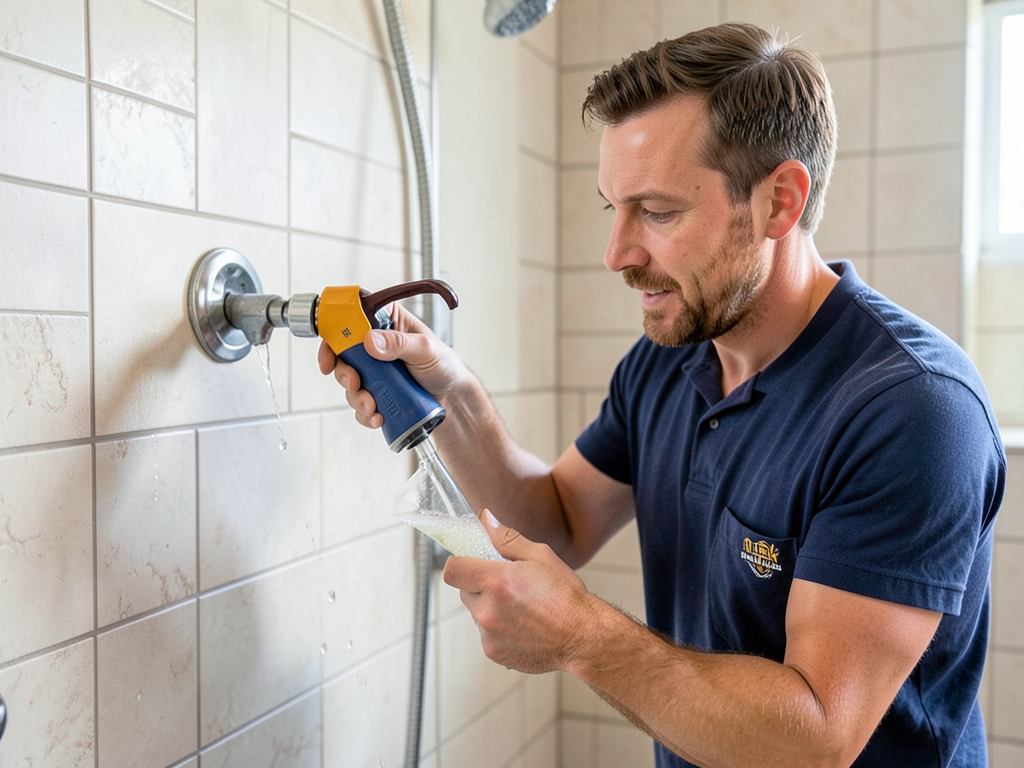
Removing White Crusty Buildup from Your Showerheads and Faucets White crusty buildup on your showerheads and faucets isn’t just an…

Removing White Crusty Buildup from Your Showerheads and Faucets

Removing White Crusty Buildup from Your Showerheads and Faucets White crusty buildup on your showerheads and faucets isn’t just an…

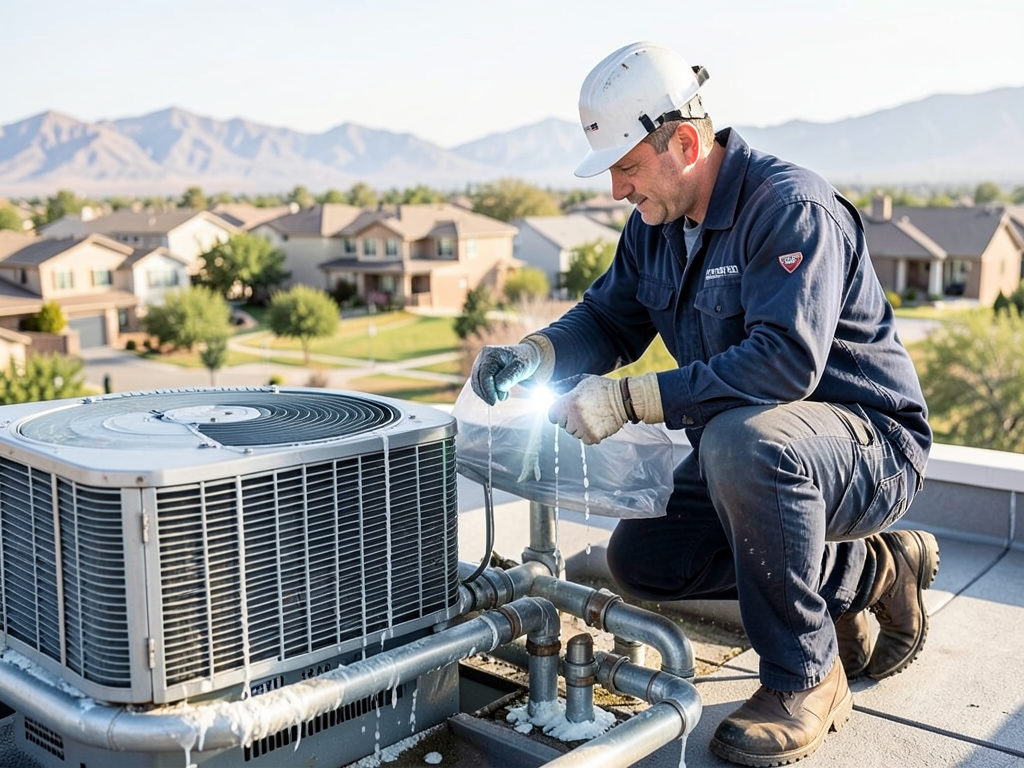
What to Do When Your Swamp Cooler Starts Leaking on Your Roof

What to Do When Your Swamp Cooler Starts Leaking on Your Roof A swamp cooler leaking onto your roof creates…

How to Prepare Your Outdoor Kitchen for a Salt Lake City Summer

How to Prepare Your Outdoor Kitchen for a Salt Lake City Summer Your outdoor kitchen needs more than just a…

Contact Us

Stop guessing about backflow compliance requirements. Crestline Plumbing Salt Lake City provides certified testing, clear explanations, and complete documentation that satisfies city standards. Call (385) 406-8899 now to schedule your annual test or get answers to specific questions about your property's backflow prevention needs.