
Understanding the Difference Between PEX A and PEX B for Your Salt Lake City Repipe
Choosing between PEX A and PEX B for your Salt Lake City repipe affects your home’s plumbing performance for decades. PEX A offers superior freeze resistance and expansion properties, while PEX B provides cost savings and better chlorine resistance. Your decision depends on your budget, home age, and how you prioritize long-term durability versus upfront costs in Utah’s extreme climate. Reliable Plumbing Repair for Historic Homes in The Avenues.
PEX A vs PEX B: Key Differences That Matter in Salt Lake City
Both PEX A and PEX B are cross-linked polyethylene pipes, but they differ in manufacturing processes and performance characteristics. PEX A uses the Engel method with peroxide crosslinking, creating a more uniform molecular structure. PEX B uses the Silane method with moisture-cured crosslinking, resulting in a slightly stiffer pipe.
Understanding these differences becomes critical in Salt Lake City’s unique environment. Our high mineral content water, freeze-thaw temperature swings, and elevation all impact pipe performance differently. Best Water Softener Installation Services in Salt Lake City to Fight Hard Water.
Technical Comparison Table:
| Feature | PEX A | PEX B |
|---|---|---|
| Manufacturing Process | Engel (Peroxide) | Silane (Moisture-Cured) |
| Flexibility | Superior | Moderate |
| Freeze Resistance | Excellent | Good |
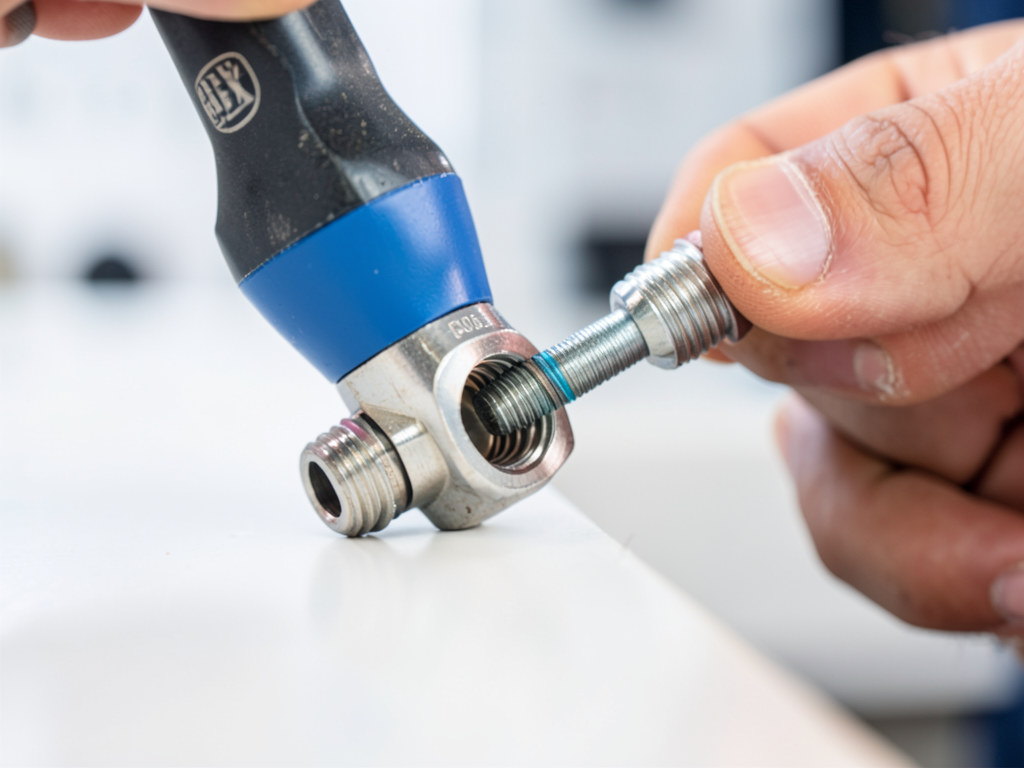
| Connection Method | Expansion Fittings | Crimp Rings |
| Chlorine Resistance | Good | Excellent |
| Cost per Foot | $0.50-$0.80 | $0.30-$0.50 |
How PEX A Handles Salt Lake City’s Freeze-Thaw Cycles
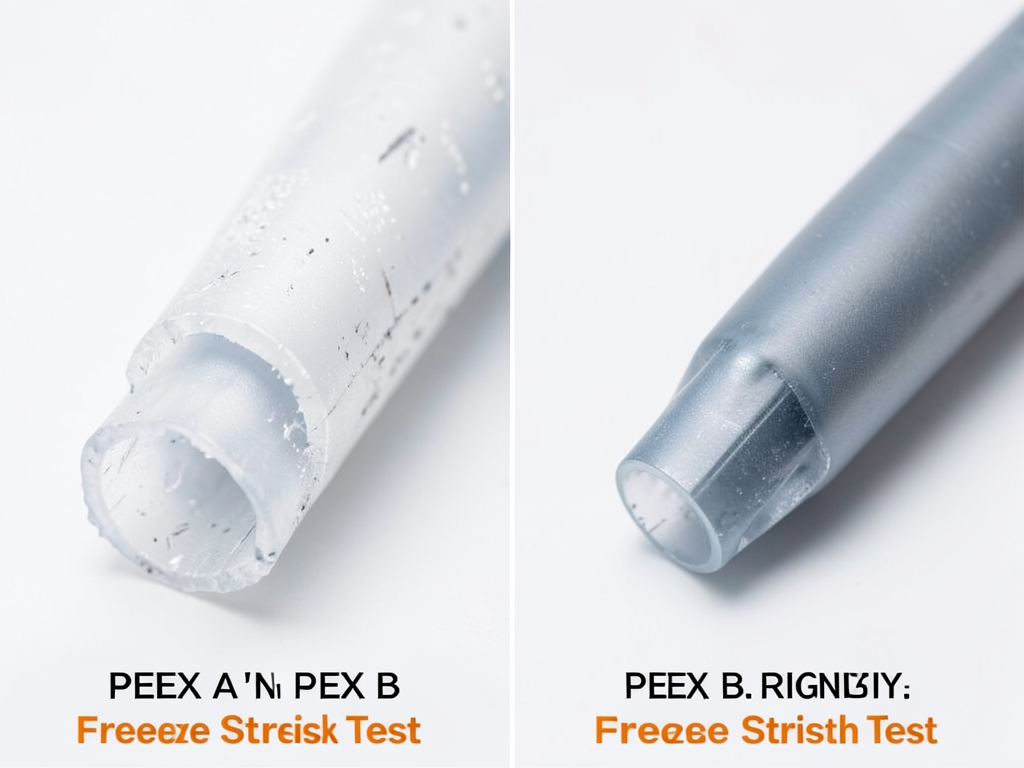
PEX A’s molecular structure allows it to expand up to 10% of its diameter before bursting. This expansion capability proves invaluable during Salt Lake City’s sub-zero winter nights when water freezes inside pipes. The pipe stretches rather than cracks, preventing catastrophic failures that often occur with rigid materials. Water Main Leak Detection and Repair in Holladay.
During our 15+ years servicing Wasatch Front homes, we’ve observed PEX A pipes surviving multiple freeze events where PEX B would have split. The expansion fittings (ASTM F1960) create a seamless connection that moves with the pipe rather than against it. ASTM F1960 Standard Specification for Cold Expansion Fittings.
PEX A also features thermal memory. If a pipe gets kinked during installation, you can heat the damaged section and watch it return to its original shape. This property saves significant time during repipes in older Salt Lake City homes where tight spaces and existing framing create installation challenges.
PEX B’s Strengths in Utah’s Hard Water Environment
Utah’s water hardness averages 250-350 parts per million, one of the highest in the nation. PEX B’s chlorine resistance exceeds PEX A’s, making it more durable against Salt Lake City’s treated municipal water. The chemical composition resists oxidation better over decades of exposure. Water Stains on Ceiling or Walls.
The crimp connection method (ASTM F1807) creates a secure, leak-proof seal that resists scale buildup. Brass crimp rings form a tight barrier that prevents mineral deposits from accumulating at connection points. This matters in areas like Murray and West Jordan where mineral content can be particularly aggressive. ASTM F1807 Standard Specification for Metal Insert Fittings.
PEX B costs 30-40% less than PEX A, making it attractive for budget-conscious homeowners. The crimp tools are also less expensive and more readily available at local SLC plumbing supply houses like Standard Plumbing Supply and Ferguson Enterprises.
Installation Considerations for Salt Lake City Homes
Expansion tool requirements for PEX A create a significant barrier. The specialized expansion tool costs $400-600 and requires specific training to use correctly. Most Salt Lake City plumbers carry crimp tools but must rent or purchase expansion tools for PEX A projects.
Crimp connections install faster once the tool is available. A skilled technician can complete 50-60 connections per hour with crimp rings versus 30-40 with expansion fittings. This labor difference impacts total project costs for whole-home repipes.
Flow rates differ between the two types. PEX B’s internal diameter reduces slightly with crimp rings, potentially decreasing water flow by 10-15%. PEX A maintains its full internal diameter with expansion fittings, providing better pressure at fixtures.
Code Compliance and Local Requirements
The Utah Uniform Plumbing Code permits both PEX A and PEX B for residential applications. Section 605.1.1 requires all PEX installations to use approved fittings and follow manufacturer specifications. Local inspections in Salt Lake County focus on proper support spacing and protection from UV exposure.
Manifold systems, more common with PEX A, require additional planning. The code mandates accessible manifolds within 6 feet of the fixture they serve. This requirement affects layout decisions in Salt Lake City’s compact bungalows and ramblers.
Cross-linking percentages matter for code compliance. PEX A typically achieves 70-85% cross-linking while PEX B reaches 65-75%. Both exceed the minimum 65% required by ASTM standards for potable water applications.
Cost Analysis for Salt Lake City Repipes
A typical 2,000-square-foot Salt Lake City home requires 400-600 feet of PEX piping. PEX A material costs range from $200-480, while PEX B costs $120-300. The labor difference adds $300-500 to PEX A projects due to specialized tool requirements and slower connection speeds.
Total project costs break down as follows:
- PEX A Repipe: $2,500-4,000
- PEX B Repipe: $2,000-3,200
These estimates assume standard water heater locations and accessible crawl spaces common in Salt Lake City’s mid-century neighborhoods.
Performance in Salt Lake City’s Climate
Wasatch Front temperature extremes test pipe materials annually. PEX A’s superior flexibility handles the 80-degree temperature swings between summer and winter without stress cracking. The material expands and contracts without fatigue.
UV exposure affects both types during storage and installation. Salt Lake City’s elevation (4,300 feet) increases UV intensity. Both require protection from direct sunlight, but PEX B’s slightly higher chlorine resistance provides a small advantage in outdoor applications.
Soil conditions in the Salt Lake Valley create unique challenges. High clay content causes ground movement that stresses underground pipes. PEX A’s flexibility absorbs this movement better than PEX B’s more rigid structure.
Which PEX Type for Your Specific Situation?
Choose PEX A if you prioritize freeze resistance, have an older home with tight spaces, or plan to stay in your home long-term. The expansion properties and thermal memory justify the higher cost for homeowners who value peace of mind.
Choose PEX B if you’re on a tight budget, replacing pipes in newer construction, or need to maximize chlorine resistance. The cost savings and superior chemical resistance make it ideal for rental properties or homes with municipal water systems.
Consider your home’s specific characteristics. Historic properties in The Avenues benefit from PEX A’s flexibility when navigating existing framing. Modern builds in Daybreak or Herriman can use PEX B without sacrificing performance.
Common Installation Mistakes to Avoid
Over-tightening crimp rings is the most frequent PEX B error. This damages the pipe and creates weak points that fail under pressure. Use calibrated crimp tools and follow manufacturer torque specifications.
Expansion tools for PEX A require proper technique. Insufficient expansion leaves fittings loose, while excessive expansion stretches the pipe beyond its elastic limit. Both scenarios cause leaks within months.
Support spacing violations occur when installers space hangers too far apart. Both PEX types require support every 32 inches horizontally and 10 feet vertically according to code. Improper support causes sagging and stress on connections.
Maintenance and Longevity Considerations
PEX A typically lasts 40-50 years in residential applications. The uniform cross-linking structure resists degradation from temperature cycling and chemical exposure. Many Salt Lake City homes from the early 2000s still use original PEX A installations without issues.
PEX B’s lifespan reaches 30-40 years. The chlorine resistance provides an advantage in areas with heavily treated water, potentially extending service life in some Salt Lake City neighborhoods.
Both types resist scale buildup better than copper or galvanized steel. The smooth interior walls prevent mineral accumulation that restricts flow in older pipe materials.
Environmental Impact and Sustainability
PEX production requires less energy than copper manufacturing. Both types use petroleum-based materials, but the lower melting temperatures reduce carbon footprints. PEX A’s more uniform structure may offer slight environmental advantages through longer service life.
Recycling options remain limited for both types. Most Salt Lake City recycling facilities don’t accept cross-linked polyethylene. However, the long service life means less frequent replacement than traditional materials.
Water conservation benefits both types. The smooth interior walls maintain flow rates over decades, reducing pump energy requirements and water waste from restricted pipes.
Mixing PEX A and PEX B: When It Makes Sense
Mixing types within the same system is acceptable when using compatible fittings. Many Salt Lake City plumbers use PEX A for main lines and PEX B for branch lines to balance cost and performance.
Transition fittings allow connection between types without compromising system integrity. Use these when expanding existing systems or making repairs where material availability becomes an issue. Burst Pipe Repair.
Color coding helps track mixed systems. Use red for hot water lines, blue for cold, and white or gray for mixed systems. This practice prevents confusion during future maintenance.
Local Supplier Availability and Lead Times
Standard Plumbing Supply stocks both PEX types at their Salt Lake City locations. PEX B maintains better inventory levels due to higher demand and lower cost. PEX A expansion tools and fittings occasionally experience 2-3 day lead times.
Ferguson Enterprises offers contractor pricing and bulk discounts. Their West Valley location maintains the largest PEX inventory in the Salt Lake Valley, with both types available in multiple diameters.
Home Depot and Lowe’s carry consumer-grade PEX B but limited PEX A options. Professional plumbers typically source from wholesale suppliers for better quality control and warranty support.
Frequently Asked Questions
Can PEX A and PEX B be used together in the same plumbing system?
Yes, using compatible transition fittings allows mixing both types. Many plumbers use PEX A for main lines and PEX B for branches to balance cost and performance.
Which PEX type is better for DIY installation?
PEX B is more DIY-friendly due to lower cost and widely available crimp tools. The learning curve is shorter, and mistakes are less expensive to correct.
How long does each PEX type last in Utah’s climate?
PEX A typically lasts 40-50 years while PEX B lasts 30-40 years. Both outperform copper or galvanized steel in Salt Lake City’s hard water and temperature extremes.
Does PEX A really expand to prevent freezing damage?
Yes, PEX A can expand up to 10% of its diameter before bursting. This property allows it to survive freeze events that would split PEX B or copper pipes.
Which PEX type resists Salt Lake City’s hard water better?
PEX B has superior chlorine resistance, making it slightly better for Utah’s treated municipal water. However, both types resist scale buildup better than traditional metal pipes.
Are expansion tools worth the investment for PEX A?
For professional plumbers doing multiple repipes, expansion tools pay for themselves through faster installation and fewer callbacks. DIYers should consider rental options or choose PEX B instead.
Does PEX A cost significantly more than PEX B?
PEX A costs 30-40% more per foot than PEX B. For a typical repipe, this translates to $500-800 additional material and labor costs.
Which PEX type is better for radiant heating systems?
PEX A’s superior flexibility and thermal memory make it ideal for radiant heating. It handles the expansion and contraction of heating cycles better than PEX B.
Making Your Final Decision
Your choice between PEX A and PEX B depends on your priorities. If you value maximum freeze resistance and long-term durability, PEX A’s expansion properties justify the higher cost. For budget-conscious homeowners who prioritize chlorine resistance and proven performance, PEX B delivers excellent value.
Consider your home’s age, location within Salt Lake City, and how long you plan to stay. Historic homes in The Avenues benefit from PEX A’s flexibility. Newer constructions in suburbs can use PEX B without sacrificing quality.
Both types meet Utah plumbing codes and provide decades of reliable service. The best choice depends on your specific needs and budget constraints.
Call (385) 406-8899 today to schedule your inspection. Our experienced technicians will evaluate your home’s specific needs and recommend the right PEX solution for your Salt Lake City repipe project.
You may also find this helpful. How to Move Your Laundry Room to the Second Floor of Your Liberty Wells Bungalow.
{
“@context”: “https://schema.org”,
“@type”: “BlogPosting”,
“headline”: “Understanding the Difference Between PEX A and PEX B for Your Salt Lake City Repipe”,
“description”: “PEX A vs PEX B comparison for Salt Lake City homes. Learn which pipe handles Utah’s hard water and freeze-thaw cycles better. Expert local advice from Crestline Plumbing.”,
“wordCount”: 2006,
“datePublished”: “2026-06-11T06:13:00.000Z”,
“dateModified”: “2026-06-11T06:13:00.000Z”,
“inLanguage”: “en-US”,
“mainEntityOfPage”: {
“@type”: “WebPage”,
“@id”: “https://crestlineplumbingsaltlakecity.com”
},
“publisher”: {
“@type”: “LocalBusiness”,
“name”: “Crestline Plumbing Salt Lake City”,
“url”: “https://crestlineplumbingsaltlakecity.com”
},
“author”: {
“@type”: “Organization”,
“name”: “Crestline Plumbing Salt Lake City”,
“url”: “https://crestlineplumbingsaltlakecity.com”
},
“image”: {
“@type”: “ImageObject”,
“url”: “https://crestlineplumbingsaltlakecity.com/wp-content/uploads/2026/03/understanding-the-difference-between-pex-a-and-pex-1.png”
}
}
{
“@context”: “https://schema.org”,
“@type”: “Plumber”,
“name”: “Crestline Plumbing Salt Lake City”,
“url”: “https://crestlineplumbingsaltlakecity.com”,
“address”: {
“@type”: “PostalAddress”,
“addressLocality”: “Salt Lake City”
},
“areaServed”: {
“@type”: “City”,
“name”: “Salt Lake City”
}
}
{
“@context”: “https://schema.org”,
“@type”: “FAQPage”,
“mainEntity”: [
{
“@type”: “Question”,
“name”: “Which PEX Type for Your Specific Situation?”,
“acceptedAnswer”: {
“@type”: “Answer”,
“text”: “Choose PEX A if you prioritize freeze resistance, have an older home with tight spaces, or plan to stay in your home long-term. The expansion properties and thermal memory justify the higher cost for homeowners who value peace of mind.”
}
},
{
“@type”: “Question”,
“name”: “Can PEX A and PEX B be used together in the same plumbing system?”,
“acceptedAnswer”: {
“@type”: “Answer”,
“text”: “Yes, using compatible transition fittings allows mixing both types. Many plumbers use PEX A for main lines and PEX B for branches to balance cost and performance.”
}
},
{
“@type”: “Question”,
“name”: “Which PEX type is better for DIY installation?”,
“acceptedAnswer”: {
“@type”: “Answer”,
“text”: “PEX B is more DIY-friendly due to lower cost and widely available crimp tools. The learning curve is shorter, and mistakes are less expensive to correct.”
}
},
{
“@type”: “Question”,
“name”: “How long does each PEX type last in Utah’s climate?”,
“acceptedAnswer”: {
“@type”: “Answer”,
“text”: “PEX A typically lasts 40-50 years while PEX B lasts 30-40 years. Both outperform copper or galvanized steel in Salt Lake City’s hard water and temperature extremes.”
}
},
{
“@type”: “Question”,
“name”: “Does PEX A really expand to prevent freezing damage?”,
“acceptedAnswer”: {
“@type”: “Answer”,
“text”: “Yes, PEX A can expand up to 10% of its diameter before bursting. This property allows it to survive freeze events that would split PEX B or copper pipes.”
}
},
{
“@type”: “Question”,
“name”: “Which PEX type resists Salt Lake City’s hard water better?”,
“acceptedAnswer”: {
“@type”: “Answer”,
“text”: “PEX B has superior chlorine resistance, making it slightly better for Utah’s treated municipal water. However, both types resist scale buildup better than traditional metal pipes.”
}
},
{
“@type”: “Question”,
“name”: “Are expansion tools worth the investment for PEX A?”,
“acceptedAnswer”: {
“@type”: “Answer”,
“text”: “For professional plumbers doing multiple repipes, expansion tools pay for themselves through faster installation and fewer callbacks. DIYers should consider rental options or choose PEX B instead.”
}
},
{
“@type”: “Question”,
“name”: “Does PEX A cost significantly more than PEX B?”,
“acceptedAnswer”: {
“@type”: “Answer”,
“text”: “PEX A costs 30-40% more per foot than PEX B. For a typical repipe, this translates to $500-800 additional material and labor costs.”
}
},
{
“@type”: “Question”,
“name”: “Which PEX type is better for radiant heating systems?”,
“acceptedAnswer”: {
“@type”: “Answer”,
“text”: “PEX A’s superior flexibility and thermal memory make it ideal for radiant heating. It handles the expansion and contraction of heating cycles better than PEX B.”
}
}
]
}
{
“@context”: “https://schema.org”,
“@type”: “BreadcrumbList”,
“itemListElement”: [
{
“@type”: “ListItem”,
“position”: 1,
“name”: “Home”,
“item”: “https://crestlineplumbingsaltlakecity.com”
},
{
“@type”: “ListItem”,
“position”: 2,
“name”: “Blog”,
“item”: “https://crestlineplumbingsaltlakecity.com/blog”
},
{
“@type”: “ListItem”,
“position”: 3,
“name”: “Understanding the Difference Between PEX A and PEX B for Your Salt Lake City Repipe”
}
]
}
{
“@context”: “https://schema.org”,
“@type”: “Service”,
“serviceType”: “Plumbing”,
“provider”: {
“@type”: “LocalBusiness”,
“name”: “Crestline Plumbing Salt Lake City”,
“url”: “https://crestlineplumbingsaltlakecity.com”
},
“areaServed”: {
“@type”: “City”,
“name”: “Salt Lake City”
},
“description”: “PEX A vs PEX B comparison for Salt Lake City homes. Learn which pipe handles Utah’s hard water and freeze-thaw cycles better. Expert local advice from Crestline Plumbing.”
}