menu

Water Conservation Tips in Salt Lake City – Expert Guidance That Cuts Your Monthly Bill

Crestline Plumbing Salt Lake City delivers actionable water conservation tips that reduce water consumption, lower utility costs, and protect our high desert water resources while keeping your plumbing system efficient.

Slider Image 1
Slider Image 2
Slider Image 3
Slider Image 4
Slider Image 5
Slider Image 7
Slider Image 8
Slider Image 9
Slider Image 10
Slider Image 11

Why Water Conservation Matters in Salt Lake City's High Desert Climate

Salt Lake City sits at 4,226 feet elevation in a high desert basin. Average annual precipitation barely reaches 16 inches. The Great Salt Lake has dropped to historic lows. The Jordan River struggles to maintain flow during summer months. The Wasatch Range snowpack, which feeds 90 percent of the valley's water supply, has become unpredictable as drought cycles intensify.

Your home uses water differently here than in humid climates. Low humidity causes rapid evaporation from toilets, leading to phantom flushes that waste gallons daily. Clay-heavy soils common throughout Sugar House, Millcreek, and the Avenues cause foundation shifts that stress supply lines and create hidden leaks. Winter freeze-thaw cycles in elevated neighborhoods like Capitol Hill and The Avenues crack exterior hose bibs and irrigation lines, sending potable water straight into the ground before you notice.

Municipal water rates climb annually. Salt Lake City Department of Public Utilities raised rates 14 percent over the past three years. Water saving techniques protect your budget and extend the lifespan of Utah's stressed aquifers. Small changes compound into significant savings. A dripping faucet wastes 3,000 gallons per year. A running toilet wastes 200 gallons per day. Learning how to save water at home means understanding where waste happens and implementing water efficiency strategies that fit the specific challenges of living in a mountain desert valley.

The local infrastructure reflects this reality. Salt Lake City mandates low-flow fixtures in all new construction. Many neighborhoods still operate on decades-old supply lines that lose significant volume to seepage. Your individual consumption matters more here than in water-abundant regions.

Why Water Conservation Matters in Salt Lake City's High Desert Climate
Proven Water Efficiency Strategies for Salt Lake City Homes

Proven Water Efficiency Strategies for Salt Lake City Homes

Effective ways to save water start with identifying the highest-volume consumption points in your home. Toilets account for 30 percent of indoor residential water use. Older flapper valves degrade in Utah's mineral-heavy water, losing seal integrity. Replacing a 3.5 gallons-per-flush toilet with a WaterSense-certified 1.28 GPF model saves 13,000 gallons annually for a family of four.

Showerheads represent the second-largest indoor water use. Standard models flow at 2.5 gallons per minute. High-efficiency models deliver 1.5 GPM without sacrificing pressure by aerating the stream. An eight-minute shower drops from 20 gallons to 12 gallons. Multiply that across daily household use.

Leaks drain resources invisibly. Check your water meter before bed, then again in the morning without using any water. Movement indicates a leak. Common culprits include deteriorated supply line connections under sinks, corroded angle stops, and failed pressure relief valves on water heaters. Salt Lake City's hard water, measuring 181 to 270 parts per million, accelerates mineral buildup on valve seats, preventing complete closure.

Outdoor irrigation represents 50 to 70 percent of total residential water use during May through September. Most systems overwater. Grass needs one inch of water per week, including rainfall. Install a rain sensor on your controller to prevent watering during storms. Convert high-visibility areas to xeriscaping with native plants like rabbitbrush, penstemon, and blue grama grass. These species thrive on 15 inches of annual moisture without supplemental irrigation once established.

Water efficiency strategies require understanding pressure dynamics. Municipal supply in Salt Lake City ranges from 50 to 80 PSI depending on elevation. Higher pressure increases flow rates and stresses connections. Installing a pressure-reducing valve maintains optimal 50 PSI throughout your system.

How We Help You Reduce Water Consumption

Water Conservation Tips in Salt Lake City – Expert Guidance That Cuts Your Monthly Bill
01

Comprehensive Home Water Audit

We inspect every fixture, supply line, and appliance connection in your home. Our technicians measure flow rates at faucets and showerheads, check toilet flush volumes, examine hose bibs for leaks, and test your irrigation system for overspray and broken heads. We identify hidden leaks using acoustic detection equipment that picks up water movement inside walls and under slabs.
02

Customized Conservation Plan

Based on audit findings, we create a prioritized action plan ranking improvements by water savings potential and cost. This includes fixture upgrades, leak repairs, pressure adjustments, and irrigation scheduling changes. We explain the payback period for each improvement so you make informed decisions. Our recommendations account for Salt Lake City water rates and typical household usage patterns in your specific neighborhood.
03

Implementation and Verification

We install WaterSense-certified fixtures, repair identified leaks, adjust water pressure, and optimize your system for efficiency. After completion, we verify results by comparing your water meter readings over a billing cycle. Most clients see 20 to 40 percent reductions in consumption. We provide documentation showing baseline usage, improvements made, and projected annual savings in both gallons and dollars.

Why Salt Lake City Homeowners Trust Crestline Plumbing for Water Conservation

Water conservation requires understanding the specific challenges of living in the Wasatch Front. We work daily with the water quality, pressure variations, and climate extremes that define plumbing in this valley. Our technicians know how Salt Lake City's hard water affects fixture performance, where freeze damage occurs in elevated neighborhoods, and which native landscaping options reduce outdoor consumption without sacrificing curb appeal.

Local expertise matters when implementing water saving techniques. We understand Salt Lake City's tiered water pricing structure. The first 5,000 gallons cost significantly less per unit than consumption above 15,000 gallons. We help you stay in lower rate tiers through targeted reductions. We also navigate rebate programs offered by Salt Lake City Department of Public Utilities, which provides up to $100 for high-efficiency toilet upgrades and $30 for qualifying showerheads.

Our familiarity with construction patterns across different neighborhoods informs our approach. Homes in Federal Heights and the Avenues built before 1960 typically have galvanized supply lines prone to corrosion and flow restriction. Subdivisions in Millcreek and Sugar House from the 1980s often feature polybutylene supply lines that fail at connections. New developments in Daybreak and the west side use PEX, which handles pressure fluctuations better but requires different connection methods. We diagnose problems faster because we recognize these patterns.

Reduce water consumption effectively by working with professionals who understand your home's age, construction type, and location-specific stress factors. Generic advice does not account for Salt Lake City's 181 to 270 PPM hardness, significant elevation changes across service areas, or the impact of inversion-layer temperature swings on exterior plumbing. We provide solutions calibrated to the reality of maintaining plumbing systems in a high desert mountain valley.

What to Expect from Professional Water Conservation Services

Rapid Response and Flexible Scheduling

We schedule water audits at your convenience, typically within 48 hours of your call. The initial assessment takes 60 to 90 minutes depending on home size and system complexity. We work around your schedule, including evenings and weekends. Emergency leak repairs that waste significant water receive same-day attention. Our technicians arrive in fully stocked trucks, allowing us to address many issues during the initial visit. You receive a detailed written report within 24 hours outlining findings, recommendations, and cost estimates for suggested improvements.

Thorough System Assessment

Our audit process examines visible and hidden water use. We test toilet flush volumes using dye tablets to detect tank-to-bowl leaks. We measure showerhead and faucet flow rates with calibrated gauges. We inspect angle stops, supply lines, and shut-off valves for corrosion and deterioration. Exterior inspection covers hose bibs, main shut-off accessibility, and irrigation system performance. We check water heater temperature settings, which affect energy use and hot water consumption. We also evaluate your water pressure and recommend adjustments if it exceeds optimal levels for fixture longevity.

Measurable Water Reduction Results

We focus on improvements that deliver quantifiable savings. Upgrading a single 3.5 GPF toilet to 1.28 GPF saves 35 gallons daily for a four-person household. Replacing five 2.5 GPM faucet aerators with 1.5 GPM models saves 1,200 gallons monthly. Fixing a running toilet eliminates 6,000 gallons of waste per month. We calculate projected annual savings for each recommendation so you prioritize improvements based on return on investment. Most comprehensive upgrades pay for themselves within 18 to 36 months through reduced utility bills. We provide baseline consumption data and follow up after implementation to verify actual savings match projections.

Ongoing Support and Maintenance

Water efficiency requires maintenance. We offer annual plumbing checkups that verify fixture performance, test for new leaks, and assess changes in system behavior. Hard water buildup degrades aerators and valve seats over time. We clean or replace components as needed to maintain optimal flow rates. We also provide seasonal guidance for irrigation system adjustments based on weather patterns and landscape changes. If you install new appliances or remodel bathrooms, we evaluate how those changes affect overall water consumption. Our goal is sustained efficiency, not one-time improvements that degrade without ongoing attention.

Frequently Asked Questions

You Have Questions,
We Have Answers

What are 10 ways to conserve water? +

Fix leaking faucets and toilets immediately. Install low-flow showerheads and aerators on kitchen sinks. Run dishwashers and washing machines only with full loads. Water your lawn early morning or late evening to reduce evaporation, especially critical in Salt Lake City's dry climate. Shorten your showers by two minutes. Use a broom instead of a hose to clean driveways. Collect rainwater in barrels for outdoor use. Turn off the tap while brushing teeth or washing dishes. Mulch garden beds to retain soil moisture. Upgrade to WaterSense-certified appliances and fixtures.

What are the 5 R's of water conservation? +

The 5 R's of water conservation are Reduce, Reuse, Recycle, Respect, and Responsibility. Reduce your daily water usage by fixing leaks and shortening showers. Reuse greywater from sinks or showers for outdoor irrigation. Recycle water where possible through systems that capture and filter household water. Respect water as a precious resource, particularly in Salt Lake City where mountain snowpack dictates supply. Take Responsibility by adopting mindful habits and upgrading to efficient fixtures. These principles work together to create sustainable water use patterns that protect our limited freshwater supplies for future generations.

What are 7 ways to conserve water? +

Install low-flow toilets and showerheads. Fix all dripping faucets and running toilets promptly. Water your lawn during cooler hours to minimize evaporation in Salt Lake City's arid conditions. Run full loads in dishwashers and washing machines. Turn off taps while brushing teeth or scrubbing dishes. Use mulch around plants to retain moisture and reduce watering frequency. Sweep sidewalks and driveways instead of hosing them down. These simple changes reduce household water consumption significantly while lowering utility bills and conserving municipal water resources.

What are 20 ways to save water? +

Check for and repair all leaks. Install water-efficient fixtures throughout your home. Take shorter showers and turn off water while soaping. Run appliances only with full loads. Water lawns early morning in Salt Lake City to reduce evaporation. Use brooms instead of hoses for outdoor cleaning. Install rain sensors on irrigation systems. Mulch garden beds heavily. Wash vehicles at commercial car washes that recycle water. Use a pool cover to prevent evaporation. Plant drought-resistant native species. Collect rainwater for outdoor use. Insulate pipes to get hot water faster. Thaw frozen food in the refrigerator. Use garbage disposals sparingly. Install aerators on faucets. Monitor your water bill for usage spikes. Educate family members about conservation. Adjust sprinkler heads to avoid watering pavement. Choose water-efficient appliances when replacing old ones.

What are 8 ways to conserve water? +

Fix leaks in faucets, toilets, and irrigation systems immediately. Upgrade to low-flow showerheads and faucet aerators. Water your landscape during early morning hours when evaporation rates are lowest in Salt Lake City's desert climate. Run dishwashers and washing machines only when full. Turn off the tap while brushing teeth, shaving, or hand-washing dishes. Sweep outdoor areas instead of hosing them. Install smart irrigation controllers that adjust watering schedules based on weather conditions. Use mulch around plants to retain soil moisture and reduce watering needs.

How can we save water 50 ways? +

While 50 ways may seem overwhelming, focus on high-impact changes first. Start with indoor efficiency by fixing leaks, upgrading fixtures, and changing daily habits like shorter showers. Address outdoor use by adjusting irrigation schedules for Salt Lake City's climate, choosing drought-tolerant plants, and using mulch. Reuse greywater where legal. Install rain barrels. Upgrade appliances to WaterSense models. Adjust sprinkler coverage. Use drip irrigation. Check soil moisture before watering. The key is implementing practical changes systematically rather than attempting everything at once. Start with the simplest modifications and build sustainable habits over time.

How to stop wasting water? +

Start by identifying waste sources in your home. Fix dripping faucets and running toilets, which can waste thousands of gallons yearly. Turn off taps while brushing teeth or washing dishes. Shorten showers by setting a timer. Check irrigation systems for broken sprinkler heads or misdirected spray hitting pavement. In Salt Lake City's dry climate, overwatering lawns is common. Install smart controllers that prevent watering during rain. Run dishwashers and washing machines only with full loads. Thaw food in the refrigerator instead of under running water. Small behavioral changes create significant water savings over time.

What are 5 ways to protect the environment? +

Conserve water by fixing leaks, upgrading fixtures, and reducing outdoor irrigation in Salt Lake City's arid environment. Reduce energy consumption by improving home insulation and using LED lighting. Minimize waste by choosing reusable products and composting organic materials. Protect air quality by reducing vehicle trips and maintaining your car properly. Support local ecosystems by planting native species that require less water and provide wildlife habitat. Water conservation directly protects the Wasatch watershed and Great Salt Lake ecosystem. Each action reduces your environmental footprint while often saving money on utility bills.

What is water conservation 10 lines? +

Water conservation means using water efficiently to protect this limited resource. It involves fixing leaks promptly and installing efficient fixtures. It requires changing daily habits like taking shorter showers. It means watering landscapes wisely, especially in Salt Lake City where water is precious. It includes running appliances only when full. It involves choosing drought-resistant plants for yards. It means reusing water where possible. It requires awareness of consumption patterns. It protects future water supplies for coming generations. It reduces strain on municipal water systems and treatment facilities.

How to save water 30 ways? +

Implement indoor fixes like repairing leaks, upgrading toilets and showerheads, and running full appliance loads. Change habits by shortening showers and turning off taps during tasks. Address outdoor use by watering early morning in Salt Lake City, installing drip irrigation, using mulch, planting native species, and adjusting sprinklers seasonally. Reuse greywater legally. Install rain barrels. Use pool covers. Choose permeable paving. Maintain irrigation systems. Monitor your water bill. Insulate pipes. Use garbage disposals less. Wash vehicles at recycling facilities. The most effective approach combines fixture upgrades with behavioral changes and landscape modifications suited to our desert climate.

How Salt Lake City's Hard Water Impacts Water Efficiency Strategies

Salt Lake City municipal water measures 181 to 270 parts per million total dissolved solids, classifying it as moderately hard to hard. Calcium and magnesium accumulate inside aerators, showerheads, and valve seats. This buildup restricts flow, forcing fixtures to run longer to deliver the same volume. A faucet aerator clogged with scale might reduce flow from 1.5 GPM to 0.8 GPM, doubling the time required to fill a pot or rinse dishes. Mineral deposits prevent toilet flappers from sealing completely, causing phantom flushes that waste 20 to 40 gallons daily. Effective water conservation in this valley requires regular descaling and proactive maintenance that addresses mineral accumulation before it degrades fixture performance.

Crestline Plumbing Salt Lake City understands these local water chemistry challenges because we work with them daily. We stock fixtures designed for hard water performance and recommend maintenance intervals based on actual Salt Lake City conditions, not generic national averages. Our technicians recognize when scale buildup affects pressure-reducing valves, temperature-pressure relief valves, and angle stops. We help clients implement water saving techniques that remain effective despite mineral-rich supply water. This local knowledge prevents the common mistake of installing low-flow fixtures without addressing underlying water quality issues that compromise their performance.
Plumbing Services in The Salt Lake City Area

We are proud to be a locally owned and operated business, dedicated to serving the entire Salt Lake City area and surrounding communities. Use the map below to pinpoint our location or to better understand our full service coverage across the region. If you need immediate assistance or would like to confirm that your home or business is within our guaranteed service area, please call our office directly—our warm, professional team is always ready to dispatch an expert to your location quickly.

Address:
Crestline Plumbing Salt Lake City, 222 S Main St, Salt Lake City, UT, 84101

Additional Services We Offer

Our news updates

Latest Articles & News from The Blogs

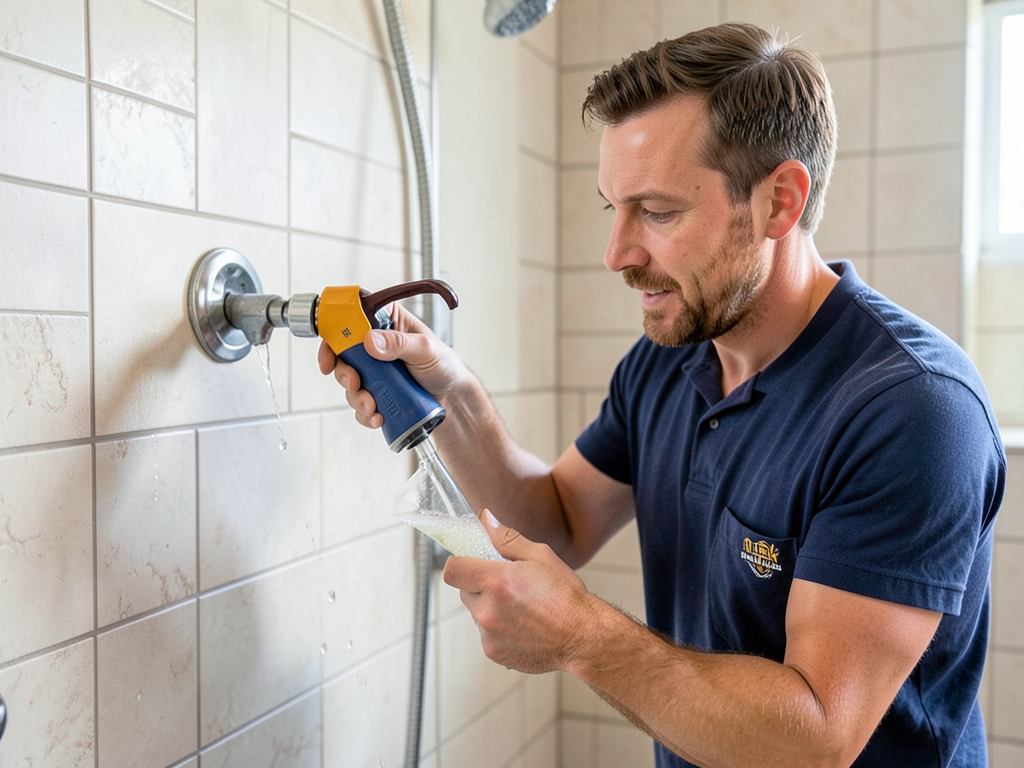
Removing White Crusty Buildup from Your Showerheads and Faucets White crusty buildup on your showerheads and faucets isn’t just an…

Removing White Crusty Buildup from Your Showerheads and Faucets

Removing White Crusty Buildup from Your Showerheads and Faucets White crusty buildup on your showerheads and faucets isn’t just an…

What to Do When Your Swamp Cooler Starts Leaking on Your Roof

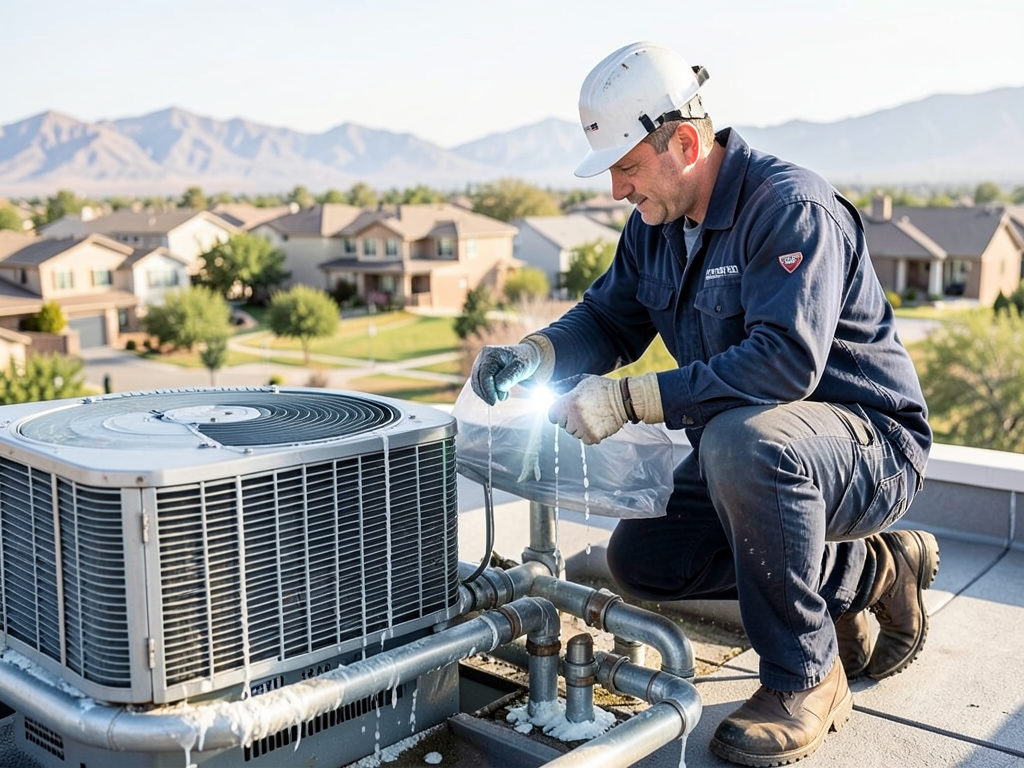
What to Do When Your Swamp Cooler Starts Leaking on Your Roof A swamp cooler leaking onto your roof creates…

How to Prepare Your Outdoor Kitchen for a Salt Lake City Summer

How to Prepare Your Outdoor Kitchen for a Salt Lake City Summer Your outdoor kitchen needs more than just a…

Contact Us

Reduce water consumption with expert guidance tailored to Salt Lake City conditions. Schedule your comprehensive water audit and discover where your home wastes water. Call (385) 406-8899 now to book your assessment and start cutting your utility bills.