menu

Water Heater Maintenance Tips in Salt Lake City – Expert Checklist to Prevent Costly Repairs and Extend Tank Lifespan

Protect your investment and avoid emergency breakdowns with proven preventative water heater maintenance strategies designed for Salt Lake City's unique hard water challenges and temperature fluctuations.

Slider Image 1
Slider Image 2
Slider Image 3
Slider Image 4
Slider Image 5
Slider Image 7
Slider Image 8
Slider Image 9
Slider Image 10
Slider Image 11

Why Your Salt Lake City Water Heater Needs Regular Maintenance

Your water heater works harder in Salt Lake City than in most other places. The high mineral content in our municipal water supply accelerates sediment buildup inside your tank, reducing efficiency and shortening equipment life. When you combine that with the temperature swings between our freezing winters and hot summers, your hot water tank maintenance needs become critical.

Most Salt Lake City homeowners ignore their water heaters until they fail. That neglect costs you money in three ways. First, sediment buildup forces your unit to burn more energy heating through a layer of mineral deposits. Second, corrosion from untreated mineral accumulation leads to premature tank failure. Third, emergency replacements always cost more than planned maintenance.

The good news is that a simple water heater care checklist can prevent most failures. Regular hot water heater upkeep catches small issues before they become expensive problems. Flushing sediment, testing pressure relief valves, and inspecting anode rods are not optional in our area. They are essential preventative water heater maintenance steps that protect your investment.

Salt Lake City's water chemistry is particularly aggressive. The dissolved minerals that make our water hard also make it corrosive to metal tanks. Without a consistent water heater maintenance schedule, you risk sudden failure, water damage, and the inconvenience of cold showers during our already cold winters. A proactive approach keeps your system running efficiently and extends its service life by years.

Why Your Salt Lake City Water Heater Needs Regular Maintenance
The Core Components of Effective Water Heater Maintenance

The Core Components of Effective Water Heater Maintenance

Proper hot water tank maintenance starts with understanding what actually wears out and why. Your water heater has three enemies: sediment accumulation, anode rod depletion, and pressure valve failure. Each requires specific attention on a regular water heater maintenance schedule.

Sediment flushing is the foundation of hot water heater upkeep. Salt Lake City's hard water deposits calcium and magnesium at the bottom of your tank. This insulating layer forces your burner or heating element to work longer to heat the same amount of water. Annual flushing removes this buildup, restoring efficiency and preventing hot spots that crack tank linings. You drain several gallons until the water runs clear, which can take 15 to 30 minutes depending on sediment levels.

The sacrificial anode rod is your tank's immune system. This magnesium or aluminum rod attracts corrosive elements that would otherwise attack the steel tank walls. In our mineral-rich water, anode rods deplete faster than in softer water areas. Checking the rod annually and replacing it when less than half an inch of core wire remains exposed can double your tank's lifespan. Most homeowners never inspect this component until their tank starts leaking.

Temperature and pressure relief valve testing is basic safety. This valve prevents tank explosions by releasing pressure if temperatures or pressures exceed safe limits. You test it by lifting the lever and confirming water discharges through the overflow pipe. If nothing happens or the valve drips afterward, replacement is necessary. This takes minutes but prevents catastrophic failure.

A comprehensive water heater care checklist also includes inspecting vent pipes on gas units, checking electrical connections on electric models, and looking for signs of corrosion or leaks around fittings.

Your Year-Round Water Heater Maintenance Schedule

Water Heater Maintenance Tips in Salt Lake City – Expert Checklist to Prevent Costly Repairs and Extend Tank Lifespan
01

Monthly Quick Checks

Once per month, visually inspect your water heater area for moisture, rust stains, or unusual sounds during heating cycles. Test the temperature and pressure relief valve by lifting the lever briefly to confirm proper operation. Check that combustible materials remain at least 18 inches away from gas units. These five-minute inspections catch developing problems before they escalate into emergency situations requiring immediate attention.
02

Annual Deep Service

Schedule comprehensive hot water heater upkeep every 12 months. This includes flushing sediment from the tank, inspecting the sacrificial anode rod for depletion, checking all water and gas connections for leaks, verifying proper venting and combustion on gas models, and testing thermostat accuracy. For Salt Lake City homes, this annual service is not optional. Our water chemistry makes it essential preventative water heater maintenance that protects your investment and prevents premature failure.
03

Documentation and Tracking

Keep a maintenance log noting service dates, findings, and parts replaced. This documentation helps you track anode rod condition over time, identify developing patterns like increased sediment accumulation, and maintain warranty compliance. A simple water heater care checklist attached to your tank creates accountability and ensures nothing gets skipped. When you eventually need service, this history helps technicians diagnose issues faster and recommend appropriate solutions.

Why Local Expertise Matters for Salt Lake City Water Heaters

Crestline Plumbing Salt Lake City understands what makes our water unique. We have serviced thousands of water heaters across the valley, from Sugarhouse to Holladay to the Avenues. We know that homes near the University area often have older galvanized supply lines that compound sediment issues. We know that properties in the bench areas frequently experience higher pressure that stresses relief valves.

Generic maintenance advice does not account for local conditions. A water heater maintenance schedule designed for soft water regions will not protect your equipment here. You need preventative water heater maintenance tailored to our specific water chemistry, elevation, and building stock. Our technicians adjust flushing procedures based on your water source and modify inspection intervals based on usage patterns and water hardness.

We also understand Salt Lake City building codes and permit requirements for water heater replacement. When maintenance reveals that replacement makes more sense than repair, we guide you through proper permitting, code-compliant installation including earthquake strapping requirements, and proper sizing based on your household needs. Many national chains and unlicensed operators skip these critical steps, leaving you with code violations and potential liability.

Our familiarity with local suppliers means we can source parts quickly. When an anode rod or relief valve needs replacement during maintenance, we carry the correct parts on our trucks or can obtain them within hours. This eliminates the multi-day waits common with companies that service broader regions without local inventory networks.

We also know which water heater brands perform best in our conditions. Some manufacturers use tank linings better suited to our water chemistry. Others offer anode rod designs that last longer in high-mineral environments. This knowledge helps you make informed decisions when maintenance reveals that replacement is approaching.

What to Expect from Professional Water Heater Maintenance

Service Timing and Scheduling

Most water heater maintenance appointments take 45 to 90 minutes depending on sediment levels and equipment condition. We offer flexible scheduling including evening and weekend appointments to minimize disruption to your routine. You can schedule annual hot water heater upkeep during slower months or coordinate it with other plumbing maintenance. We provide reminder services so you never miss your yearly service interval. Emergency maintenance for developing problems gets same-day or next-day priority, preventing minor issues from becoming major failures during inconvenient times.

Comprehensive System Evaluation

Professional water heater care includes more than basic tasks. Our technicians measure actual sediment volume during flushing, photograph anode rod condition to show you depletion levels, test water temperature accuracy against thermostat settings, and check for proper venting and combustion efficiency on gas models. We inspect expansion tanks for proper pre-charge pressure and look for signs of recirculation pump wear on systems equipped with them. This thorough approach catches issues that simple do-it-yourself maintenance misses, giving you complete visibility into your equipment condition and remaining service life.

Detailed Reporting and Recommendations

After completing your water heater maintenance schedule service, you receive a detailed report documenting all findings, measurements, and observations. We explain what we found in clear terms, show you photos of critical components like anode rods, and provide honest recommendations prioritized by urgency. If your tank has years of life remaining, we tell you. If replacement makes more financial sense than continued repairs, we explain why. You get a customized hot water tank maintenance timeline showing when the next service is due and what specific items need monitoring based on your equipment age and condition.

Ongoing Maintenance Planning

One-time service helps, but consistent preventative water heater maintenance delivers the best value. We offer maintenance agreement options that include annual comprehensive service, priority emergency response, and discounted rates on any needed repairs. These programs keep you on schedule automatically with reminder calls and pre-scheduled appointments. For landlords and property managers with multiple units, we create customized water heater care checklists and service rotations that keep all your equipment properly maintained without overwhelming your maintenance budget or schedule.

Frequently Asked Questions

You Have Questions,
We Have Answers

What maintenance needs to be done on a water heater? +

Water heaters need annual flushing to remove sediment buildup, especially critical in Salt Lake City due to harder water from the Wasatch Front aquifer. Check the temperature and pressure relief valve every six months by lifting the lever to ensure it releases water properly. Inspect the anode rod every three years and replace it when worn down to the core wire. For gas units, examine the burner flame, which should be blue, not yellow. Test the thermostat setting, keeping it at 120 degrees to prevent scalding and reduce energy costs. Look for leaks around connections and rust on the tank exterior.

What happens if you don't flush your water heater? +

Sediment accumulates at the tank bottom when you skip flushing. This buildup acts as insulation between the burner and water, forcing your unit to work harder and spiking energy bills. The sediment traps moisture against the steel tank, accelerating corrosion and shortening lifespan. You will hear popping or rumbling sounds as water tries to bubble through the sediment layer. Salt Lake City's mineral-rich water makes this worse. Eventually, sediment hardens into a concrete-like mass that clogs the drain valve. The tank may fail prematurely, leak, or produce less hot water as sediment takes up storage space.

How often should I flush a water heater? +

Flush your water heater once per year as a baseline. Salt Lake City water contains higher mineral content from mountain runoff, so twice-yearly flushing often makes sense for homes in the valley. If you notice sediment in your hot water, rumbling noises, or reduced hot water supply, flush immediately regardless of schedule. Large households using more hot water should flush more frequently. Tankless units need descaling annually instead of traditional flushing. Check your manufacturer's warranty requirements, many mandate annual maintenance to keep coverage valid. Set a calendar reminder each spring to avoid forgetting this task.

Can I do water heater maintenance myself? +

You can handle basic water heater maintenance if you follow safety protocols. Flushing the tank, testing the pressure relief valve, and checking the thermostat setting are manageable for most homeowners. Turn off power or gas before starting any work. However, inspecting the anode rod requires removing it, which can be difficult if corrosion has seized the threads. Gas burner inspection and adjustment need expertise to avoid carbon monoxide risks. If you smell gas, see rust-colored water, or notice leaks, call a licensed plumber immediately. Annual professional inspection catches problems you might miss and maintains warranty coverage.

Can I flush my hot water heater myself? +

You can flush your hot water heater yourself with basic tools. Turn off the power or gas, then shut off the cold water supply. Attach a garden hose to the drain valve and run it outside or to a floor drain. Open the drain valve and a hot water faucet inside to break the vacuum. Let the tank empty completely. Open the cold water valve briefly to stir up remaining sediment, then drain again. Salt Lake City's hard water may clog the drain valve with mineral buildup. If water stops flowing, the valve may need replacement, which requires a plumber.

What is the average cost to flush a water heater? +

Professional water heater flushing typically costs between different pricing tiers depending on tank size and accessibility. The service includes draining sediment, inspecting the anode rod, testing the pressure relief valve, and checking for leaks or corrosion. Expect higher costs if the technician discovers a clogged drain valve that needs replacement or finds other issues requiring repair. Many Salt Lake City plumbing companies bundle flushing with annual maintenance packages, which provide better value. Emergency or same-day service costs more. Tank condition affects the time required, older units with heavy sediment take longer to flush completely.

Should I flush a 20 year old water heater? +

Flushing a 20-year-old water heater carries risks. The tank has likely corroded internally, and disturbing sediment may dislodge rust particles that clog fixtures. The drain valve may break when you try opening it after decades of inactivity. If you have not flushed it regularly, hardened sediment may have protected thin spots in the tank from leaking. Removing it could trigger a failure. Consider replacement instead, most water heaters last 10 to 15 years in Salt Lake City due to hard water. If you proceed, have a plumber evaluate the unit first and prepare for potential emergency replacement.

How much does a plumber charge to flush it? +

Plumbers in the Salt Lake City metro typically charge for water heater flushing as part of maintenance service. The rate varies based on company overhead, technician experience, and service package inclusions. Expect to pay more if you need same-day service or weekend appointments. Some companies charge a flat service call fee plus hourly labor, while others offer fixed-price flushing. The cost increases if the technician finds problems like a stuck drain valve or corroded anode rod needing replacement. Ask about maintenance plans that bundle annual flushing with other inspections for reduced overall costs.

Is flushing the same as draining? +

Flushing and draining are related but different. Draining means emptying the tank completely through the drain valve. Flushing goes further by using water pressure to stir up and remove sediment that settles at the bottom. During a proper flush, you drain some water, then open the cold water inlet briefly to agitate sediment, then drain again. Repeat until water runs clear. Simple draining leaves sediment behind. For Salt Lake City homes with hard water, thorough flushing removes mineral deposits that draining alone misses. Tankless units require descaling with vinegar instead of traditional flushing or draining.

Do most people flush their water heaters? +

Most homeowners neglect water heater flushing, which explains why units fail prematurely. National surveys show fewer than 20 percent of homeowners perform this basic maintenance. Many people do not know flushing is necessary or assume the unit is maintenance-free. Salt Lake City residents face faster sediment buildup due to mineral-rich water from the Wasatch Mountains, making neglect more costly here. Property managers and landlords often skip flushing to cut expenses, then face expensive replacements. People who flush annually report longer tank life, better energy efficiency, and fewer emergency repairs. Set an annual reminder to protect your investment.

How Salt Lake City's Hard Water Makes Regular Maintenance Critical

Salt Lake City water ranks among the hardest in Utah, measuring between 170 and 400 parts per million of dissolved minerals depending on your supply source. This concentration accelerates both sediment accumulation and tank corrosion. Homes supplied by mountain watershed sources see slightly softer water, while valley well users face even higher mineral loads. These conditions mean your water heater maintenance schedule needs more frequent attention than national guidelines suggest. The same anode rod that lasts six years in soft water areas may deplete in three years here, leaving your tank vulnerable to corrosion and premature failure.

Crestline Plumbing Salt Lake City has maintained water heaters across every neighborhood in our service area since our founding. We know which subdivisions have the hardest water and which areas experience the most sediment issues. Our technicians understand local building codes including the earthquake strapping requirements specific to Utah and the venting specifications that apply to our elevation. When you choose a local company for your hot water heater upkeep, you get technicians who understand these unique factors and adjust their service approach accordingly. We are not following a generic checklist designed for different conditions.
Plumbing Services in The Salt Lake City Area

We are proud to be a locally owned and operated business, dedicated to serving the entire Salt Lake City area and surrounding communities. Use the map below to pinpoint our location or to better understand our full service coverage across the region. If you need immediate assistance or would like to confirm that your home or business is within our guaranteed service area, please call our office directly—our warm, professional team is always ready to dispatch an expert to your location quickly.

Address:
Crestline Plumbing Salt Lake City, 222 S Main St, Salt Lake City, UT, 84101

Additional Services We Offer

Our news updates

Latest Articles & News from The Blogs

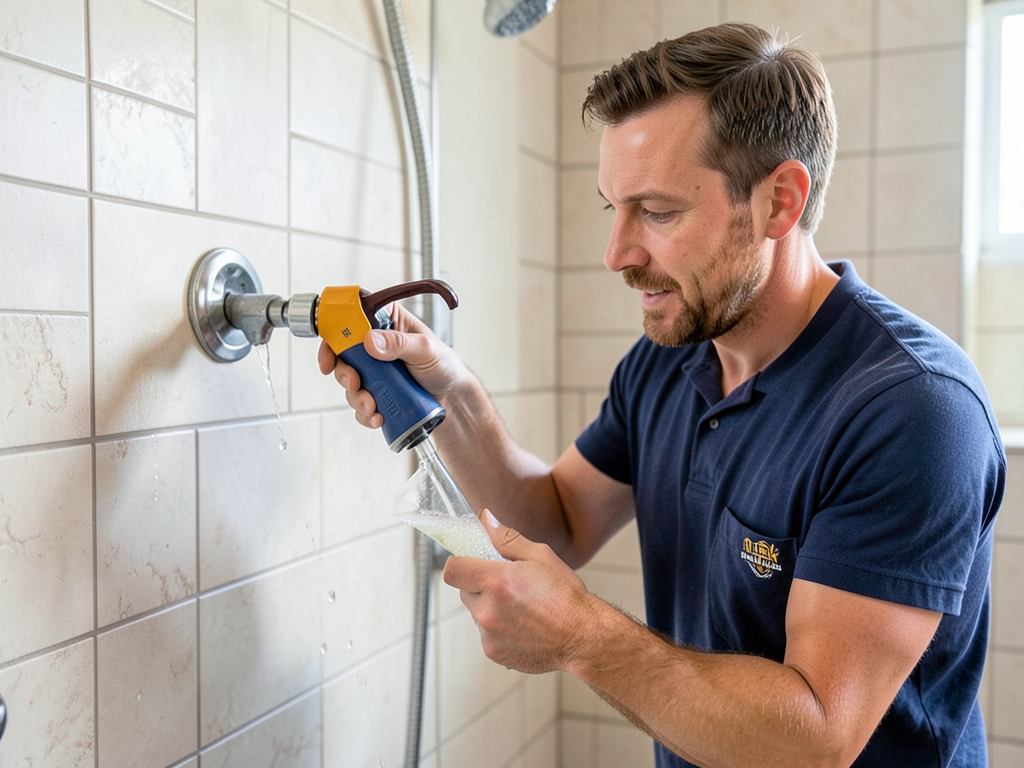
Removing White Crusty Buildup from Your Showerheads and Faucets White crusty buildup on your showerheads and faucets isn’t just an…

Removing White Crusty Buildup from Your Showerheads and Faucets

Removing White Crusty Buildup from Your Showerheads and Faucets White crusty buildup on your showerheads and faucets isn’t just an…

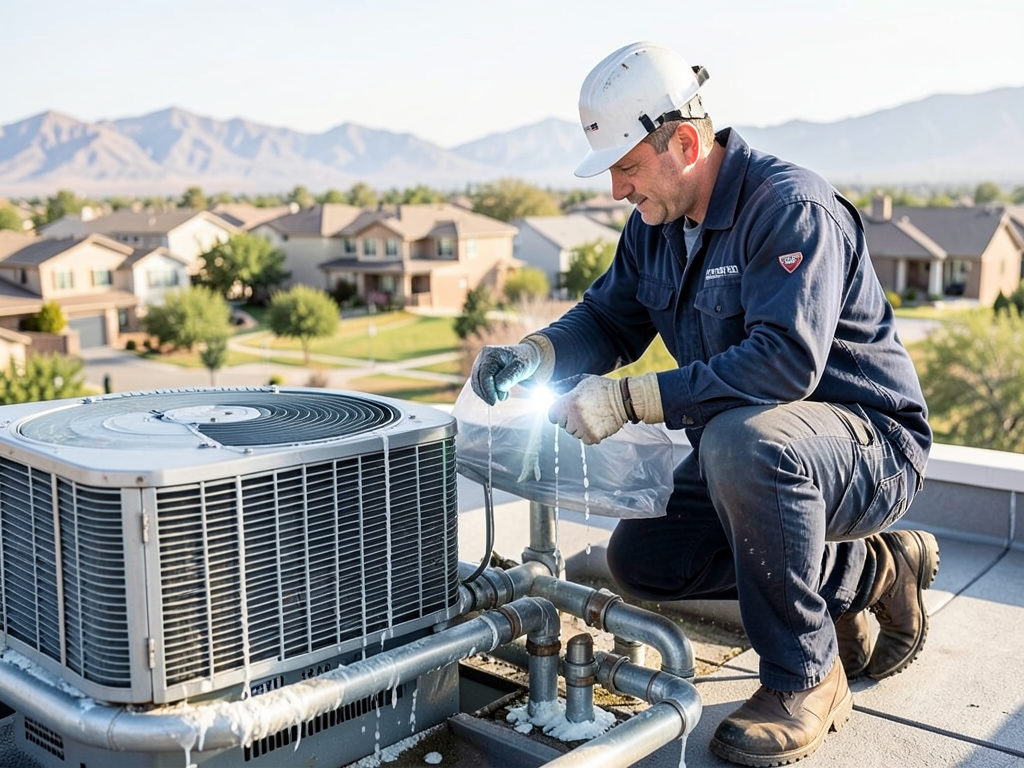
What to Do When Your Swamp Cooler Starts Leaking on Your Roof

What to Do When Your Swamp Cooler Starts Leaking on Your Roof A swamp cooler leaking onto your roof creates…

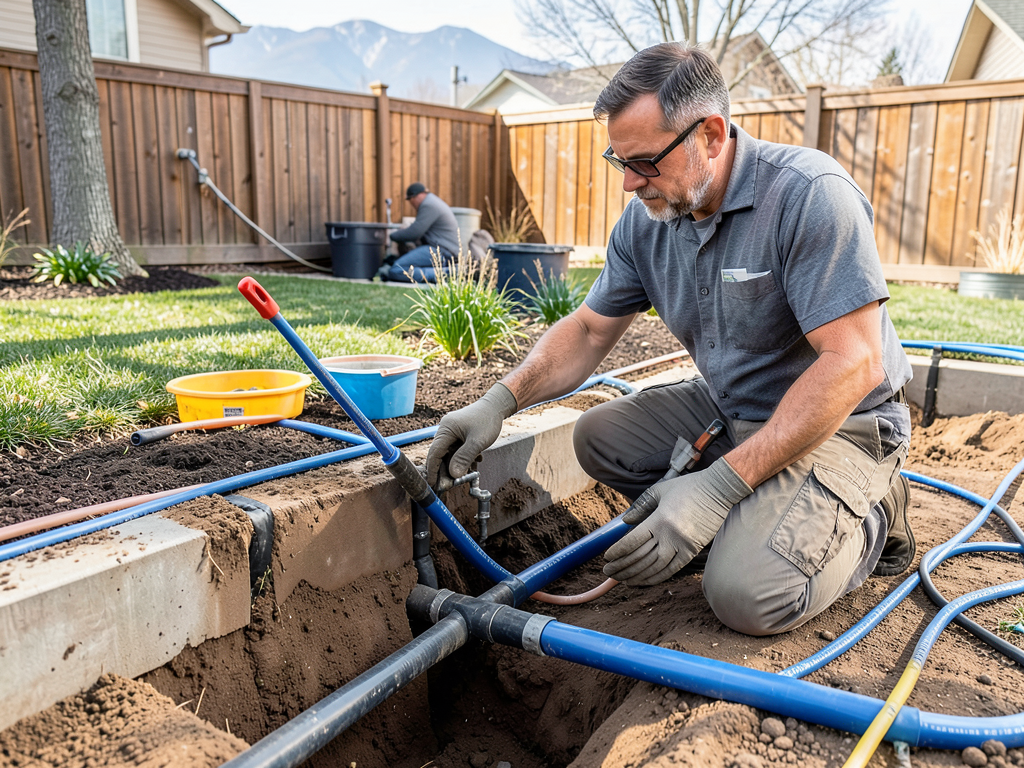
How to Prepare Your Outdoor Kitchen for a Salt Lake City Summer

How to Prepare Your Outdoor Kitchen for a Salt Lake City Summer Your outdoor kitchen needs more than just a…

Contact Us

Stop risking emergency failures and high energy bills. Call Crestline Plumbing Salt Lake City at (385) 406-8899 to schedule your comprehensive water heater maintenance. Our technicians will evaluate your system, perform all necessary hot water tank maintenance, and create a customized care schedule that protects your investment.