menu

Water Stains on Ceiling or Walls in Salt Lake City – Expert Leak Detection and Permanent Repair

Stop guessing where the water is coming from. We find the hidden plumbing leak causing those brown spots and ceiling discoloration, then fix it right the first time.

Slider Image 1
Slider Image 2
Slider Image 3
Slider Image 4
Slider Image 5
Slider Image 7
Slider Image 8
Slider Image 9
Slider Image 10
Slider Image 11

Why Water Stains Show Up in Salt Lake City Homes

You walk into your bedroom and see it. A yellow water mark creeping across the ceiling. Maybe it is a damp patch on the wall near the bathroom. Maybe it is brown spots appearing after a cold snap. Your first thought is the roof, but in Salt Lake City, the culprit is usually hidden plumbing.

The Wasatch Front's freeze-thaw cycles put stress on copper pipes and aging supply lines. When temperatures drop to single digits in January, then swing back to 50 degrees by afternoon, pipes expand and contract. That movement weakens solder joints and cracks older galvanized piping. Add in the hard water flowing through Salt Lake City's municipal system, and you get pinhole leaks that drip silently behind drywall for weeks before moisture stains show up on your ceiling.

Ceiling discoloration from a leak does not always appear directly below the problem. Water follows studs, joists, and electrical conduit. A pinhole leak in a second-floor bathroom supply line can travel horizontally through insulation and show up as brown spots on the ceiling in your living room below. By the time you see the stain, drywall is often saturated and mold growth has started.

Damp patches on walls near fixtures are a red flag. They signal a slow leak in the waste line or a failing wax ring under a toilet. In homes built before 1980, cast iron drain pipes corrode from the inside out. You do not see the damage until moisture stains appear on drywall or you smell that musty odor in the crawl space.

Ignoring water stains costs you thousands in structural damage, mold remediation, and ruined insulation. The longer moisture sits, the worse it gets.

Why Water Stains Show Up in Salt Lake City Homes
How We Find and Fix the Leak Causing Your Water Stains

How We Find and Fix the Leak Causing Your Water Stains

Most homeowners make the same mistake. They patch the ceiling, repaint the wall, and hope it goes away. Three months later, the stain comes back darker. You wasted money on cosmetic fixes while the leak kept dripping.

We start with leak detection, not guesswork. We use thermal imaging cameras to scan behind walls and ceilings without cutting holes everywhere. Temperature differentials show us exactly where water is pooling. For pinhole leaks in copper supply lines, we run a pressure test to isolate the section losing pressure. If the stain is near a bathroom or kitchen, we inspect all fixture connections, angle stops, and shut-off valves. In older homes with galvanized piping, we scope the interior of drain lines with a video camera to check for corrosion and blockages that cause backups.

Once we locate the source, we explain what failed and why. A failed compression fitting on a water heater supply line needs a different fix than a corroded waste pipe leaking behind a tub surround. We do not sell you a full repipe if a single joint needs replacement. We give you options based on what actually failed.

The repair itself depends on access and material. Copper pinhole leaks get cut out and rejoined with new fittings. PEX supply lines get replaced in sections. If the leak is in a cast iron drain stack, we may recommend replacing that section with PVC before it fails completely and floods your basement. For leaks inside walls, we cut the smallest access point possible, make the repair, then refer you to a trusted drywall contractor to close it up.

After the plumbing fix, we verify the repair holds pressure and inspect surrounding areas for secondary damage. If insulation is soaked, it needs replacement. If framing is wet, it needs time to dry before drywall goes back up.

What Happens When You Call Us About Water Stains

Water Stains on Ceiling or Walls in Salt Lake City – Expert Leak Detection and Permanent Repair
01

Initial Inspection and Diagnostics

We arrive with thermal imaging equipment and moisture meters to map the extent of water intrusion. You show us the visible stain, and we scan the surrounding area to trace the moisture back to its source. We check attic spaces, crawl spaces, and adjacent rooms to rule out roof leaks or HVAC condensation. Within the first 30 minutes, we know if it is plumbing, and we can usually pinpoint the failing component.
02

Leak Isolation and Repair

Once we identify the leak, we shut off water to that section and begin the repair. For supply line leaks, we cut out the damaged section and install new copper or PEX. For drain leaks, we replace the corroded pipe segment with PVC. We test all joints under full pressure before closing walls. If the leak caused damage to multiple areas, we map out every affected section so you know the full scope.
03

Verification and Prevention Plan

After the repair, we run water through the system and monitor for leaks. We check pressure at fixtures to confirm proper flow. Before we leave, we give you a written report of what failed, what we fixed, and what else might need attention in the next few years. If your home has older galvanized piping or original copper from the 1960s, we explain your options for preventing the next leak before it starts.

Why Salt Lake City Homeowners Trust Us With Hidden Leaks

You need someone who understands how Salt Lake City homes are built and what goes wrong over time. Homes in the Avenues have different plumbing challenges than newer construction in Daybreak or South Jordan. We have worked in this valley for years, and we know the difference between a 1950s bungalow with galvanized piping and a 1990s split-level with copper.

We also know the local building codes. Salt Lake City enforces the International Plumbing Code with amendments specific to seismic zones and freeze protection. If we replace a section of drain line or add a new shut-off valve, the work gets done to code. That matters when you sell the house or file an insurance claim for water damage.

You will not get an inflated quote for work you do not need. We have seen contractors tell homeowners they need a full repipe when the problem is a single leaking angle stop. We charge for the actual repair, not the worst-case scenario. If your home does need extensive work, we explain why and give you a timeline that makes sense for your budget.

We also move fast when it matters. If the leak is active and spreading, we prioritize same-day service. Water does not wait, and neither do we. For non-emergency situations, we schedule within 48 hours and show up on time.

You get a technician who explains what is happening in plain language. No jargon, no upselling, no runaround. We show you the failed component, explain why it failed, and walk you through the fix before we start. If you want to see the thermal images or the video scope footage, we pull it up on the spot.

This is not our first water stain in Salt Lake City. We have traced leaks through balloon-framed walls in old Sugar House homes and found pinhole leaks in PEX lines in newer Herriman builds. We know what to look for, and we know how to fix it permanently.

What You Can Expect From Start to Finish

Fast Response Times

If you call us about an active leak or spreading water stain, we prioritize your job. Most leak detection appointments happen within 24 hours. If the stain just appeared and you are worried about it getting worse, we can often get someone out the same day. For less urgent situations, we schedule within two business days. You get a call 30 minutes before we arrive, and we show up in that window. No all-day waiting. Once we start the diagnostic process, most leak sources are identified within an hour. Simple repairs happen on the spot. More complex jobs get scheduled immediately with a clear timeline.

Thorough Leak Assessment

We do not stop at the visible stain. We trace the moisture back to its origin using thermal imaging and moisture meters. You get a full report of what we found, including photos of the affected areas and the failing component. If the leak caused hidden damage in insulation, framing, or subfloors, we document it. This matters for insurance claims and for understanding the full scope of the problem. We also check nearby plumbing to see if other components are at risk. If you have multiple stains in different rooms, we assess whether they are related or separate issues.

Quality Repair Work

Every repair gets tested under full pressure before we consider it done. We use quality materials that meet or exceed code requirements. Copper joints get soldered properly with lead-free solder. PEX connections use expansion fittings, not crimp rings that can fail. If we replace a section of drain line, we pitch it correctly so waste flows without backing up. We do not patch over problems or use temporary fixes. The repair is permanent, and it is done right. You get documentation of all work performed, including materials used and code compliance.

Follow-Up and Prevention Guidance

After we fix the leak, we schedule a follow-up check within two weeks to make sure everything is holding. If you had significant water damage, we walk you through the drying process and refer you to restoration contractors we trust. We also give you a prevention plan tailored to your home. If your plumbing is aging, we explain what to watch for and when proactive replacement makes sense. You get our direct line for questions, and if something feels off after the repair, we come back and check it at no charge. We want you confident the problem is solved, not worried the stain will come back.

Frequently Asked Questions

You Have Questions,
We Have Answers

Is a water stain on a ceiling serious? +

Yes. A water stain signals active or recent moisture intrusion. In Salt Lake City, where winter freeze-thaw cycles stress roofing and plumbing systems, even small stains can indicate hidden damage. Water travels along joists and insulation before appearing on your ceiling, meaning the source may be far from the stain itself. Ignoring it invites mold growth, structural rot, and electrical hazards. If the stain is growing, feels damp, or smells musty, you have an active leak. Even old stains deserve investigation to confirm the issue resolved and no hidden damage remains.

How to get rid of brown water stains on a ceiling? +

First, fix the leak source. Brown stains result from mineral deposits, rust, or organic matter in the water. Once the area is completely dry (use fans or dehumidifiers for 48 to 72 hours), scrape away loose paint or drywall. Apply a stain-blocking primer like Kilz or BIN to seal tannins and prevent bleed-through. Then repaint with ceiling paint matched to your existing finish. Do not skip the primer. Salt Lake City's low humidity helps drying, but moisture trapped in drywall or insulation will cause the stain to reappear if rushed.

Can I just paint over a water stained ceiling? +

No. Painting over a water stain without addressing the leak and applying primer guarantees failure. The stain will bleed through standard paint within days. You must eliminate the moisture source, allow the ceiling to dry completely, and use a stain-blocking primer before repainting. Skipping these steps wastes time and money. In Salt Lake City, where winter roof leaks and summer monsoon rains create ceiling stains, many homeowners make this mistake. The moisture and tannins in the stain will continue to discolor fresh paint until properly sealed.

How to know if a water stain on the ceiling is new or old? +

Check for dampness. Press your hand against the stain. If it feels cool, soft, or wet, the leak is active. New stains appear darker with crisp edges. Old stains fade to yellow or brown with fuzzy, irregular borders. Look for peeling paint or sagging drywall, which indicates prolonged moisture exposure. In Salt Lake City, seasonal leaks from snowmelt or monsoon rains may create intermittent staining. A moisture meter provides precise readings. If unsure, monitor the stain for a week. Growth or darkening confirms an ongoing problem requiring immediate attention.

How to tell if water is leaking into a ceiling? +

Look for discoloration, sagging drywall, peeling paint, or soft spots when you press the ceiling. You may notice a musty smell or see visible mold. Water dripping or pooling in light fixtures is a clear sign. In Salt Lake City, attic inspections reveal clues like wet insulation, dark stains on rafters, or water trails. Check after heavy snow melt or rainstorms when leaks become obvious. Use a flashlight to trace water stains backward along joists toward the source. Active leaks may drip intermittently, making them harder to catch without consistent monitoring.

Why is there a water stain on my ceiling but no leak in the bathroom? +

The leak source may sit elsewhere. Water travels horizontally along pipes, joists, or ductwork before appearing on the ceiling. In Salt Lake City homes, common culprits include condensation from HVAC ducts in unconditioned attics, roof leaks from ice dams or flashing failures, or second-story plumbing vents. Check the attic above the stain for wet insulation or roof penetrations. A slow leak in a supply line or drain pipe may originate several feet away. Gravity and building materials guide water to unexpected locations, making accurate diagnosis difficult without professional tools.

Should I call a plumber for a ceiling stain? +

Yes, if you suspect plumbing involvement. Ceiling stains below bathrooms, kitchens, or laundry rooms often trace to supply lines, drain pipes, or fixture leaks. A plumber can pressure test lines, inspect hidden pipes, and use thermal imaging to locate moisture. In Salt Lake City, older homes with galvanized pipes or homes affected by hard water corrosion are especially vulnerable. However, if the stain appears below the roof line or attic, start with a roofer. A plumber will identify or rule out plumbing issues, saving you time and preventing misdiagnosis.

What are the common signs of a roof leak? +

Check for missing or curled shingles, cracked flashing around chimneys or vents, and damaged valleys. Inside, look for water stains on attic rafters, wet insulation, or daylight visible through the roof deck. Granules collecting in gutters signal shingle deterioration. In Salt Lake City, ice dams form during freeze-thaw cycles, forcing water under shingles. Wind-driven rain from summer monsoons can exploit poor flashing. Sagging roof sections or visible mold in the attic indicate long-term leaks. Address roof leaks immediately to prevent structural damage and costly repairs.

How much does it cost to fix a wet spot in a ceiling? +

Repair costs depend on the leak source and damage extent. Simple fixes like tightening a pipe joint or replacing a wax ring cost less than extensive drywall replacement or roof repairs. In Salt Lake City, expect variability based on accessibility and whether mold remediation is needed. Minor drywall patching and repainting may cost a few hundred dollars. Major repairs involving structural damage, attic insulation replacement, or re-roofing sections run significantly higher. Always address the leak first. Cosmetic fixes without solving the source guarantee repeat costs and worsening damage.

Will Kilz cover water stains in a ceiling? +

Yes, but only after fixing the leak and drying the area completely. Kilz is a stain-blocking primer that seals water stains and prevents tannins from bleeding through fresh paint. Apply two coats for heavy stains. It works well on drywall and plaster. In Salt Lake City's dry climate, drying time is faster, but ensure no moisture remains before priming. Kilz will not stop an active leak or repair damaged drywall. Use it as part of the finishing process after all structural repairs are complete. Follow with quality ceiling paint for best results.

How Salt Lake City's Hard Water Accelerates Pinhole Leaks Behind Walls

Salt Lake City's water supply comes from mountain snowmelt filtered through limestone and mineral deposits in the Wasatch Range. That gives you some of the hardest water in the country, with calcium and magnesium concentrations well above 200 parts per million. Hard water leaves deposits inside copper pipes over time. Those deposits create pitting and corrosion on the interior walls of the pipe. Eventually, the pipe wall thins enough to form a pinhole leak. You do not see it until water stains appear on your ceiling or damp patches show up on drywall. This is especially common in homes built between 1960 and 1990 with original copper supply lines that have had decades of hard water exposure.

Crestline Plumbing Salt Lake City has spent years working on homes throughout the valley, from the older neighborhoods near Liberty Park to newer developments in West Jordan and Herriman. We understand the local building practices, the plumbing materials common to different decades, and the specific failure points that show up in Salt Lake City homes. When you call us about water stains, you get a technician who has seen the same problem in hundreds of local homes. We know what works, what fails, and how to fix it in a way that lasts in this climate and with this water quality.
Plumbing Services in The Salt Lake City Area

We are proud to be a locally owned and operated business, dedicated to serving the entire Salt Lake City area and surrounding communities. Use the map below to pinpoint our location or to better understand our full service coverage across the region. If you need immediate assistance or would like to confirm that your home or business is within our guaranteed service area, please call our office directly—our warm, professional team is always ready to dispatch an expert to your location quickly.

Address:
Crestline Plumbing Salt Lake City, 222 S Main St, Salt Lake City, UT, 84101

Additional Services We Offer

Our news updates

Latest Articles & News from The Blogs

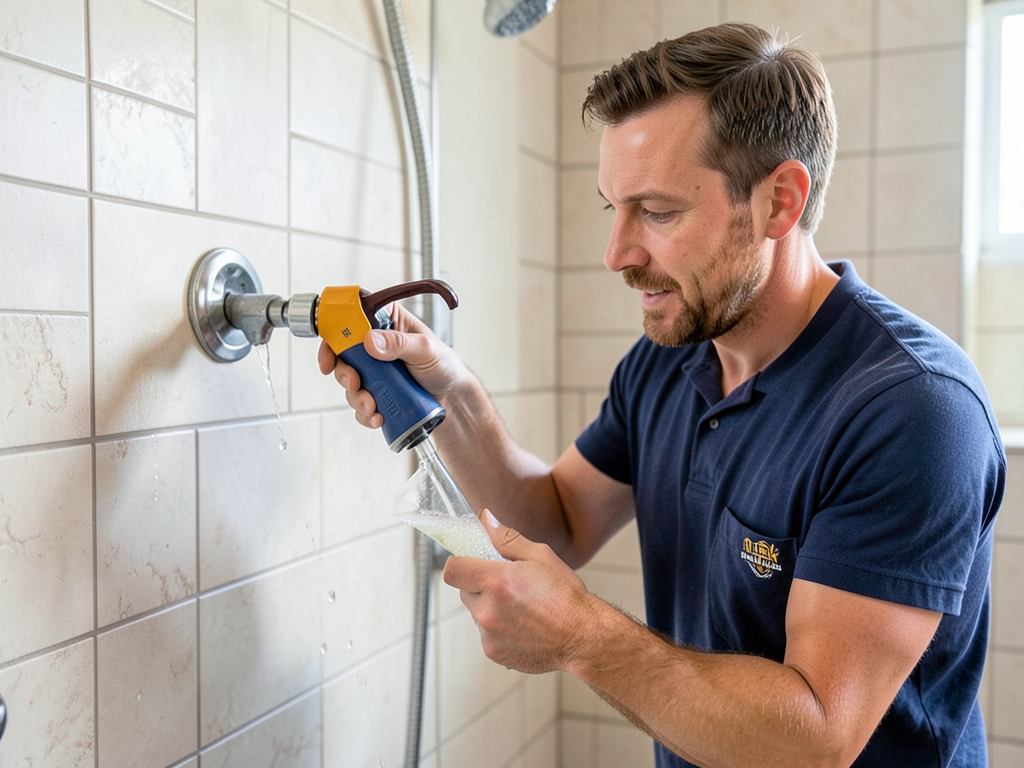
Removing White Crusty Buildup from Your Showerheads and Faucets White crusty buildup on your showerheads and faucets isn’t just an…

Removing White Crusty Buildup from Your Showerheads and Faucets

Removing White Crusty Buildup from Your Showerheads and Faucets White crusty buildup on your showerheads and faucets isn’t just an…

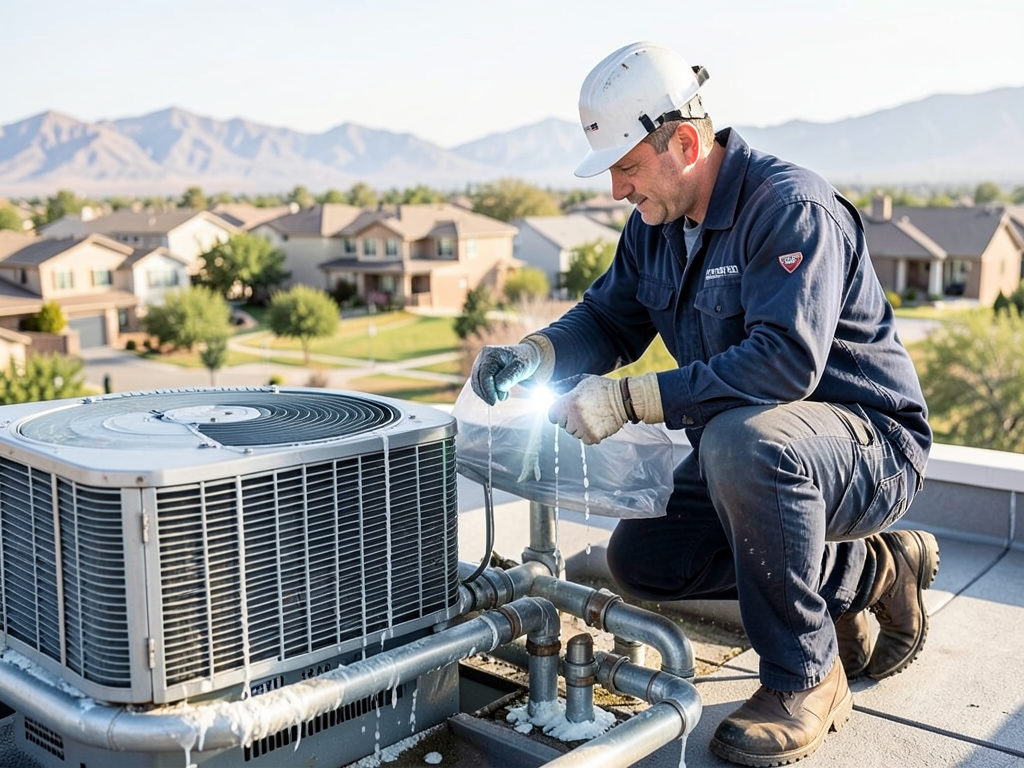
What to Do When Your Swamp Cooler Starts Leaking on Your Roof

What to Do When Your Swamp Cooler Starts Leaking on Your Roof A swamp cooler leaking onto your roof creates…

How to Prepare Your Outdoor Kitchen for a Salt Lake City Summer

How to Prepare Your Outdoor Kitchen for a Salt Lake City Summer Your outdoor kitchen needs more than just a…

Contact Us

Water stains do not fix themselves. Every day you wait, the damage spreads. Call Crestline Plumbing Salt Lake City at (385) 406-8899 right now. We will find the leak, fix it right, and get your home dry again.