menu

Wet Spots in Yard in Salt Lake City – Expert Underground Leak Detection and Repair

When unexplained soggy patches appear in your lawn, you need precision diagnostics that pinpoint hidden water line breaks without tearing up your entire yard. Wet spots in your yard point to underground plumbing failures that waste thousands of gallons and threaten your foundation.

Slider Image 1
Slider Image 2
Slider Image 3
Slider Image 4
Slider Image 5
Slider Image 7
Slider Image 8
Slider Image 9
Slider Image 10
Slider Image 11

Why Salt Lake City Yards Develop Mysterious Soggy Patches

You notice pooling water in your yard near the sidewalk. The grass stays saturated even though you have not run sprinklers in days. Damp spots in your lawn spread wider each week, turning sections of healthy turf into muddy messes.

Salt Lake City's freeze-thaw cycles create the perfect storm for underground pipe failures. Winter temperatures plunge below freezing, then swing back above 40 degrees within 24 hours. This constant expansion and contraction stresses older copper and galvanized steel water lines. The Wasatch Front's clay-heavy soil compounds the problem. As moisture levels change, the ground shifts and settles, placing lateral pressure on buried pipes. A hairline crack becomes a full break within months.

The valley's hard water adds another layer of risk. High mineral content corrodes pipes from the inside while shifting soil attacks from the outside. Properties built before 1980 face the highest risk because contractors used materials that cannot withstand decades of this dual assault.

Unexplained standing water in your yard signals an active leak somewhere between the city main and your home. A cracked main water line can lose 200 gallons per hour underground before you see surface evidence. The soggy patches in your lawn you notice today started as a pinhole leak weeks ago. By the time saturated areas in your grass become visible, the damage extends far beyond what you can see.

That pooling water also migrates toward your foundation, saturating the soil beneath your basement or crawl space. Foundation settling, cracked slabs, and structural movement follow when the problem goes unaddressed.

Why Salt Lake City Yards Develop Mysterious Soggy Patches
How Underground Leak Detection Works in Salt Lake City

How Underground Leak Detection Works in Salt Lake City

Guessing where a pipe broke wastes time and destroys landscaping. Crestline Plumbing Salt Lake City uses electronic leak detection equipment that locates the exact failure point before a single shovel touches soil.

We start with acoustic listening devices. Water escaping a pressurized line creates a distinct frequency. Our technicians walk the path of your main water line with ground microphones, listening for the signature sound of a leak. Hard surfaces like concrete amplify the sound. Soil dampens it. We adjust sensitivity based on your property's specific conditions.

For deeper lines or ambiguous results, we switch to tracer gas detection. We shut off your water, introduce a safe hydrogen-nitrogen mix into the line, and use sensors to detect where gas escapes through the soil. This method pinpoints leaks under driveways, patios, and landscaping without excavation.

Once we locate the leak, we assess the surrounding pipe condition using a miniature camera inserted through an access point. This reveals whether you face an isolated break or systemic corrosion. A single crack in otherwise healthy pipe gets a targeted repair. Widespread pitting and corrosion throughout a 30-foot section means we recommend replacement of that entire run to prevent callback visits in six months.

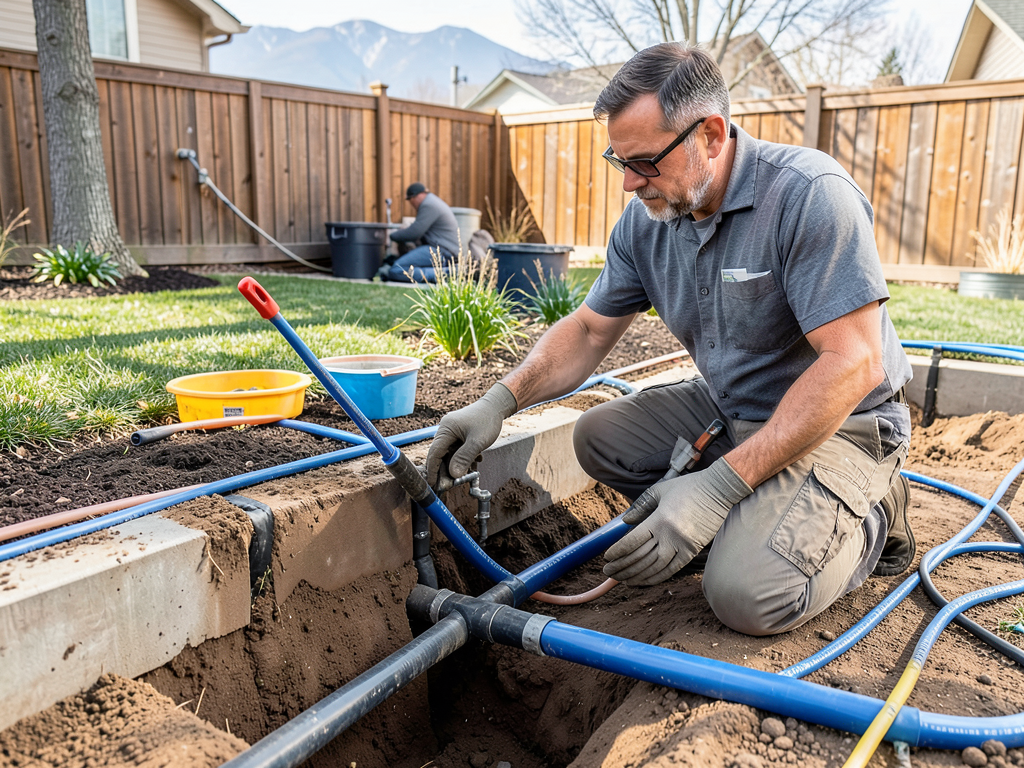
We then trench only the affected area. Most residential main line repairs require a trench 18 to 24 inches wide and three to four feet deep. We excavate, expose the damaged section, cut out the failed pipe, and install a new segment using compression fittings or fusion welding depending on your pipe material. For properties with PEX or CPVC supply lines, we can often reroute above ground through your crawl space or basement, eliminating future frost heave risks.

What Happens During Your Leak Detection and Repair

Wet Spots in Yard in Salt Lake City – Expert Underground Leak Detection and Repair
01

Site Assessment and Testing

We inspect your wet spots in person, check your water meter for continuous flow with fixtures off, and map your property's supply line routing. This initial diagnostic confirms whether you have an active main line leak or a lateral service line failure. We mark all underground utilities before any detection work begins to prevent accidental strikes during excavation.
02

Precision Leak Location

Using acoustic sensors and tracer gas equipment, we pinpoint the leak within a two-foot radius. This precision means minimal excavation and faster restoration. We mark the exact dig site with spray paint and discuss access routes with you before breaking ground. Most leak location work finishes within 90 minutes, giving you a clear repair plan before the end of the service call.
03

Excavation and Permanent Repair

We excavate only the necessary area, expose the damaged pipe, and install a new section using code-compliant materials rated for Salt Lake City's soil and climate conditions. After pressure testing the repair, we backfill with compacted soil, restore landscaping, and walk you through maintenance tips to prevent future issues. Your water service returns the same day in most cases.

Why Salt Lake City Properties Need Local Underground Plumbing Expertise

National chain plumbers follow a script. They lack the site-specific knowledge that prevents misdiagnosis and repeat failures. Crestline Plumbing Salt Lake City has repaired underground water lines across every neighborhood from Sugar House to Rose Park. We know which streets have galvanized supply lines from the 1950s and which developments used polybutylene that fails after 25 years.

The valley's soil composition changes dramatically within a few blocks. Properties near the Jordan River deal with high water tables and silty soil. Homes on the east bench face rocky, compacted ground that requires different excavation techniques. We adjust our approach based on your exact location because what works in one ZIP code fails in another.

Salt Lake City requires permits for main line replacements that cross the property line into the city right of way. We handle the permit process, coordinate inspections, and ensure repairs meet International Plumbing Code standards and local amendments. DIY repairs or unlicensed contractors skip this step, leaving you liable when the city discovers unpermitted work during a future property transaction.

We also understand the timing pressures unique to this climate. A summer leak is an inconvenience. A leak discovered in November becomes an emergency because frozen ground makes excavation exponentially harder and more expensive by mid-December. We prioritize fall and early winter leak calls to complete repairs before the ground freezes solid.

Our familiarity with local water districts also speeds resolution when the problem sits on the city side of the meter. We know who to call at Salt Lake City Public Utilities and how to escalate issues that affect your property. We have worked alongside city crews enough times that we can often get same-day or next-day response on municipal main breaks that feed your soggy yard.

What to Expect When You Call for Wet Spot Diagnosis

Same-Day Leak Detection Availability

We respond to wet spot calls within four hours during business hours and offer same-day diagnostics in most cases. Emergency calls for major flooding get priority dispatch. Leak detection appointments take 60 to 90 minutes on average. We provide a written repair estimate before starting excavation work, so you make an informed decision without pressure. Most main line repairs finish within six to eight hours from dig to backfill.

Comprehensive Property and Leak Assessment

Our technicians inspect your entire yard for secondary symptoms, check water pressure at multiple fixtures, and review your water bills for usage spikes that indicate chronic leaks. We use electronic detection equipment to map your underground plumbing layout and identify every potential failure point. You receive a full property plumbing health report, not just a patch on the obvious problem. This prevents surprise failures six months after the initial repair.

Durable Repairs Using Modern Materials

We replace failed sections with Type K copper or PEX tubing rated for direct burial and Utah's temperature extremes. Joints use compression fittings or expansion connections that move with soil settlement instead of cracking. Every repair gets pressure tested to 150 PSI before backfill. We compact soil in six-inch lifts to prevent settling and restore your yard to its original grade. You get a repair that outlasts the rest of your plumbing system.

Post-Repair Monitoring and Guidance

After completing repairs, we mark your new pipe route on a property diagram you keep for future reference. We explain how to monitor for recurring issues and provide guidance on winterizing outdoor fixtures to prevent freeze damage. You receive follow-up contact two weeks after repair to confirm the soggy areas have dried and no new symptoms have appeared. If additional wet spots develop within the warranty period, we return to investigate at no diagnostic charge.

Frequently Asked Questions

You Have Questions,
We Have Answers

Why is there a sudden wet spot in my yard? +

A sudden wet spot in your Salt Lake City yard signals a hidden problem. The most common culprit is a broken underground pipe. Our clay soils shift during freeze-thaw cycles, cracking supply lines or sewer laterals. Irrigation system leaks are also frequent, especially after our cold winters damage buried sprinkler lines. Sometimes the issue is a failed water heater drain line or even a slab leak migrating through the soil. You might notice higher water bills, soft ground, or patches of unusually green grass. Do not ignore it. Underground leaks waste thousands of gallons and can undermine your foundation or cause mold issues indoors.

How to fix wet spots in yard? +

Fixing wet spots depends on the source. For broken water lines, you need excavation and pipe repair or replacement. Call a licensed plumber to pressure test your system and locate the breach. For surface drainage issues common in older Salt Lake City neighborhoods, install a French drain or dry well to redirect runoff. Grade your soil away from foundations. If your irrigation system is leaking, replace damaged valves, sprinkler heads, or lateral lines. For clay soil compaction, aerate and amend with compost to improve drainage. Do not add topsoil over wet areas without addressing the root cause. That creates worse problems.

How to fix water runoff in yard? +

Water runoff happens when Salt Lake City's heavy spring snowmelt or summer thunderstorms overwhelm your yard. First, regrade slopes to direct water away from structures. Install a swale or berm along property lines to catch runoff before it pools. French drains work well in our clay soils. Dig a trench, line it with landscape fabric, fill with gravel, and add perforated pipe. Redirect downspouts at least six feet from foundations. Consider rain gardens with native plants that tolerate wet conditions. For severe cases, install a channel drain or catch basin that connects to the storm sewer system.

Is water pooling in the yard bad? +

Yes. Water pooling in your Salt Lake City yard causes multiple problems. Standing water breeds mosquitoes and creates slip hazards. It drowns grass roots, leaving dead patches and inviting weeds. Our clay soils stay saturated longer, which promotes fungal diseases and root rot. Prolonged pooling near your foundation can seep into basements or crawl spaces, causing structural damage and mold growth. It also signals poor drainage or a hidden leak that is wasting water and money. If you see consistent pooling after watering or rain, investigate immediately. Ignoring it leads to expensive foundation repairs and landscape replacement.

How to detect water leaks in a yard? +

Detecting yard water leaks requires observation and testing. Check your water meter before bed, then again in the morning without using any water. If it moved, you have a leak. Walk your property looking for soggy spots, unusually lush grass, or ground depressions. Listen for hissing sounds near meter boxes or irrigation valves. In Salt Lake City, watch for wet areas that persist days after watering or snowmelt. Use a probe rod to check soil moisture depth. For precise location, hire a plumber with electronic leak detection equipment. They use acoustic sensors and ground-penetrating methods to pinpoint breaks without destructive digging.

Does homeowners insurance cover main water line leak? +

Coverage depends on your policy and the cause. Most Salt Lake City homeowners insurance covers sudden, accidental main line breaks but excludes gradual deterioration from age or lack of maintenance. If a tree root suddenly ruptures your line, you are likely covered. If corrosion slowly weakened the pipe over years, you are not. Policies typically cover resulting damage to your home but not the cost to access and repair the line itself. Some insurers offer optional water line endorsements. Review your policy exclusions carefully. Document everything with photos. Call your insurance company immediately after discovering a leak to understand your specific coverage before authorizing repairs.

What to put on the ground to absorb water? +

For temporary water absorption in Salt Lake City yards, spread sand or fine gravel over wet areas to improve surface drainage. Gypsum helps break up our heavy clay soils, allowing better water infiltration. Peat moss or compost absorbs moisture while improving soil structure. For serious pooling, use pea gravel in low spots as a temporary fix. None of these solve underground leaks or poor grading. They only help with surface water management. If wet spots persist despite soil amendments, you have a pipe leak or drainage design problem that requires professional diagnosis. Do not waste money on absorbent materials when excavation and proper repair are needed.

What is the rule of 3 in landscaping? +

The rule of three is a design principle, not a drainage solution. It means planting in odd-numbered groups and repeating elements three times for visual balance. This question might confuse landscaping aesthetics with yard drainage problems. If you are dealing with wet spots in your Salt Lake City yard, focus on proper grading, French drains, and leak detection instead of design rules. Good landscape design should incorporate drainage planning from the start. Position plants according to water needs. Put thirsty species in naturally wet areas and drought-tolerant natives on slopes. Function comes before aesthetics when solving drainage issues.

Why is part of my lawn always wet? +

A persistently wet lawn section in Salt Lake City points to continuous water input. You likely have a leaking underground pipe, a broken irrigation valve that is not closing fully, or a sprinkler zone running longer than programmed. Our clay soils retain moisture, so leaks create obvious wet zones even days after irrigation. Check for lower water pressure elsewhere in your system. Inspect valve boxes for standing water. Run each irrigation zone and watch for geysers or unusual wet spots. If the area stays wet during winter when sprinklers are off, you have a supply line or sewer lateral leak that needs immediate professional repair.

How to fix a poorly draining yard? +

Fixing poor drainage in Salt Lake City yards requires multiple steps. Start by regrading to create positive slope away from structures. Our clay soils need amendment with compost and sand to improve percolation. Install French drains in low areas, directing water to storm drains or dry wells. Aerate compacted soil annually. Redirect downspouts away from foundations. For severe cases, install a curtain drain along property perimeters. Consider permeable pavers for patios and driveways. Native plants with deep roots help break up clay and absorb excess moisture. Address underground leaks before doing drainage work, or you will just route leak water more efficiently.

How Salt Lake City's Bentonite Clay Soil Accelerates Pipe Failure

The Wasatch Front sits on expansive bentonite clay soil that swells when wet and shrinks when dry. This constant movement creates shear forces on buried water lines. A wet spring followed by a dry summer can shift soil several inches vertically, bending rigid pipes past their flex tolerance. Older galvanized and copper lines crack at joints and fittings where movement concentrates stress. Properties with mature trees face additional risk because root growth follows moisture from small leaks, wrapping around pipes and accelerating failure. The soggy patches in your lawn often appear directly above these root-damaged sections.

Salt Lake City adopted updated plumbing codes in 2018 that require earthquake-resistant pipe hangers and flexible connectors for new construction. These standards reflect the valley's seismic activity and soil movement patterns. Older homes lack these protections, making professional leak detection critical when problems arise. Crestline Plumbing Salt Lake City stays current on local code requirements and applies modern installation standards to every repair, even when working on older systems. We replace outdated materials with solutions engineered for this specific environment, giving you a repair that accounts for the unique challenges of building on valley clay.
Plumbing Services in The Salt Lake City Area

We are proud to be a locally owned and operated business, dedicated to serving the entire Salt Lake City area and surrounding communities. Use the map below to pinpoint our location or to better understand our full service coverage across the region. If you need immediate assistance or would like to confirm that your home or business is within our guaranteed service area, please call our office directly—our warm, professional team is always ready to dispatch an expert to your location quickly.

Address:
Crestline Plumbing Salt Lake City, 222 S Main St, Salt Lake City, UT, 84101

Additional Services We Offer

Our news updates

Latest Articles & News from The Blogs

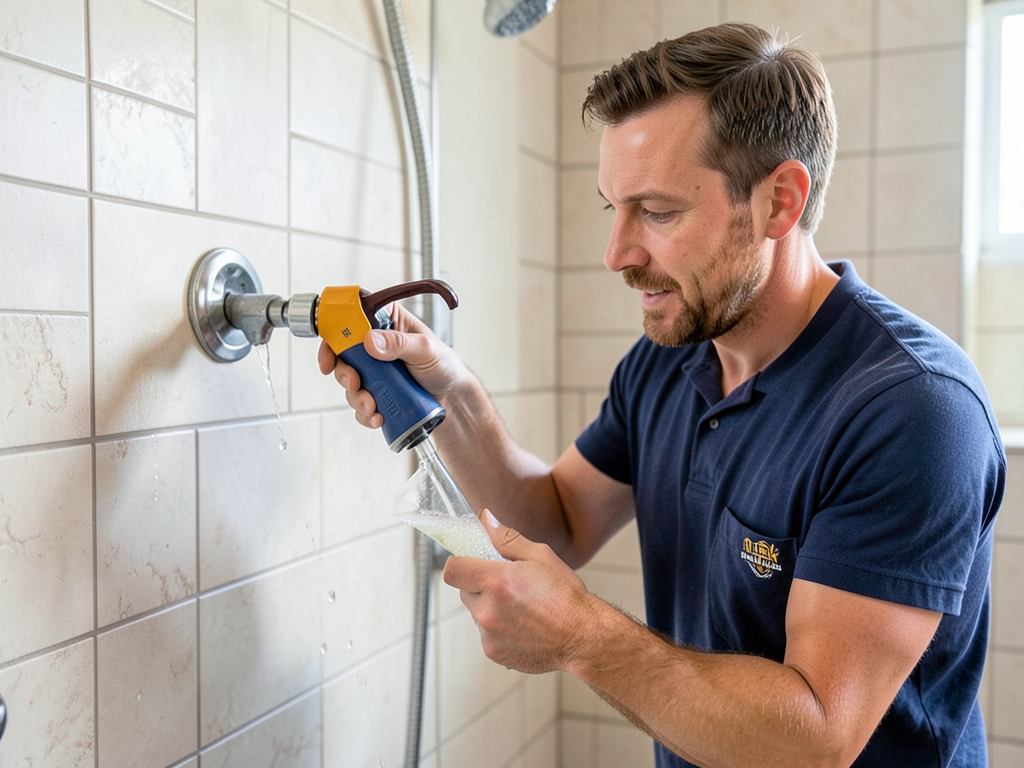
Removing White Crusty Buildup from Your Showerheads and Faucets White crusty buildup on your showerheads and faucets isn’t just an…

Removing White Crusty Buildup from Your Showerheads and Faucets

Removing White Crusty Buildup from Your Showerheads and Faucets White crusty buildup on your showerheads and faucets isn’t just an…

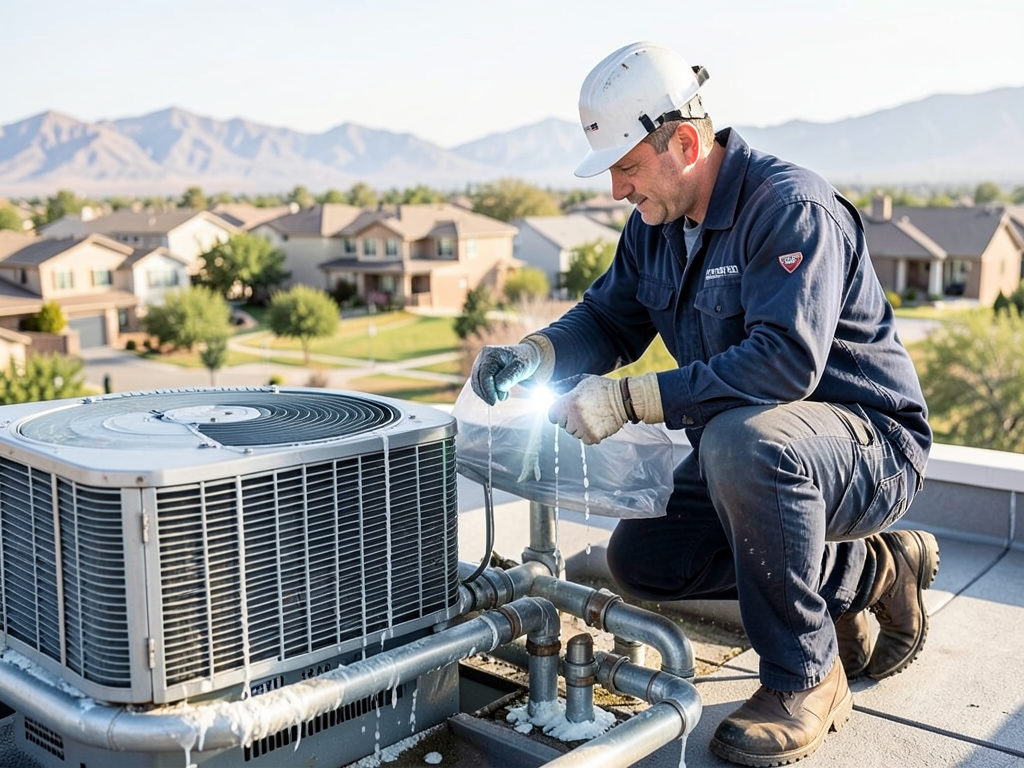
What to Do When Your Swamp Cooler Starts Leaking on Your Roof

What to Do When Your Swamp Cooler Starts Leaking on Your Roof A swamp cooler leaking onto your roof creates…

How to Prepare Your Outdoor Kitchen for a Salt Lake City Summer

How to Prepare Your Outdoor Kitchen for a Salt Lake City Summer Your outdoor kitchen needs more than just a…

Contact Us

Every day you wait, another hundred gallons soak into your foundation. Call Crestline Plumbing Salt Lake City at (385) 406-8899 for same-day leak detection. We locate the problem, explain your options, and restore your yard before the damage spreads.