
Why High Altitude Affects Your Water Heater Venting in Emigration Canyon
Your water heater works harder than you think. At Emigration Canyon’s elevation of 5,000 feet, the thin mountain air changes everything about how your gas water heater burns fuel and vents exhaust. The science is simple but critical: less oxygen means incomplete combustion, which creates dangerous backdrafting risks that standard venting systems simply weren’t designed to handle. Best Water Softener Installation Services in Salt Lake City to Fight Hard Water.
Every 1,000 feet of elevation reduces oxygen density by about 4%, meaning your Emigration Canyon water heater loses roughly 20% of its combustion efficiency compared to sea level units. This isn’t just a minor inconvenience—it’s a safety issue that can lead to carbon monoxide buildup, melted plastic components, and potentially deadly backdrafting where exhaust gases flow back into your home instead of venting outside. Water Main Leak Detection and Repair in Holladay.
The good news? Understanding these challenges lets you make informed decisions about your water heater setup. Whether you’re dealing with a pilot light that won’t stay lit or noticing unusual soot around your unit, recognizing the signs of high-altitude venting problems can prevent costly repairs and protect your family’s safety. Water Stains on Ceiling or Walls.
Call (385) 406-8899 today to schedule your high-altitude water heater inspection. Our licensed technicians understand the unique challenges of Emigration Canyon homes and can ensure your system operates safely at elevation.. Read more about Gas vs Electric Water Heaters for Salt Lake City Homeowners (How to Decide Which Is Best for Your Budget).
The Science of Combustion at High Altitude
Combustion requires three things: fuel, heat, and oxygen. At 5,000 feet in Emigration Canyon, you have plenty of fuel and heat, but the oxygen is significantly thinner than at lower elevations. This creates a fundamental problem for standard water heaters designed for sea-level conditions.
Atmospheric pressure drops approximately 1 inch of mercury for every 1,000 feet of elevation gain. In Emigration Canyon, that means your water heater operates at about 83% of sea-level atmospheric pressure. This reduced pressure affects the burner’s ability to draw in sufficient air for complete combustion.
The International Fuel Gas Code (IFGC Section 402.3) requires derating gas appliances at elevations above 2,000 feet. For every 1,000 feet above sea level, you must reduce the appliance’s input rating by 4%. At Emigration Canyon’s 5,000-foot elevation, that’s a 20% derating requirement.
High-altitude combustion also affects flame characteristics. The reduced oxygen creates a longer, more yellow flame instead of the crisp blue flame you’d see at lower elevations. This incomplete combustion produces more carbon monoxide and less heat energy per cubic foot of gas burned.
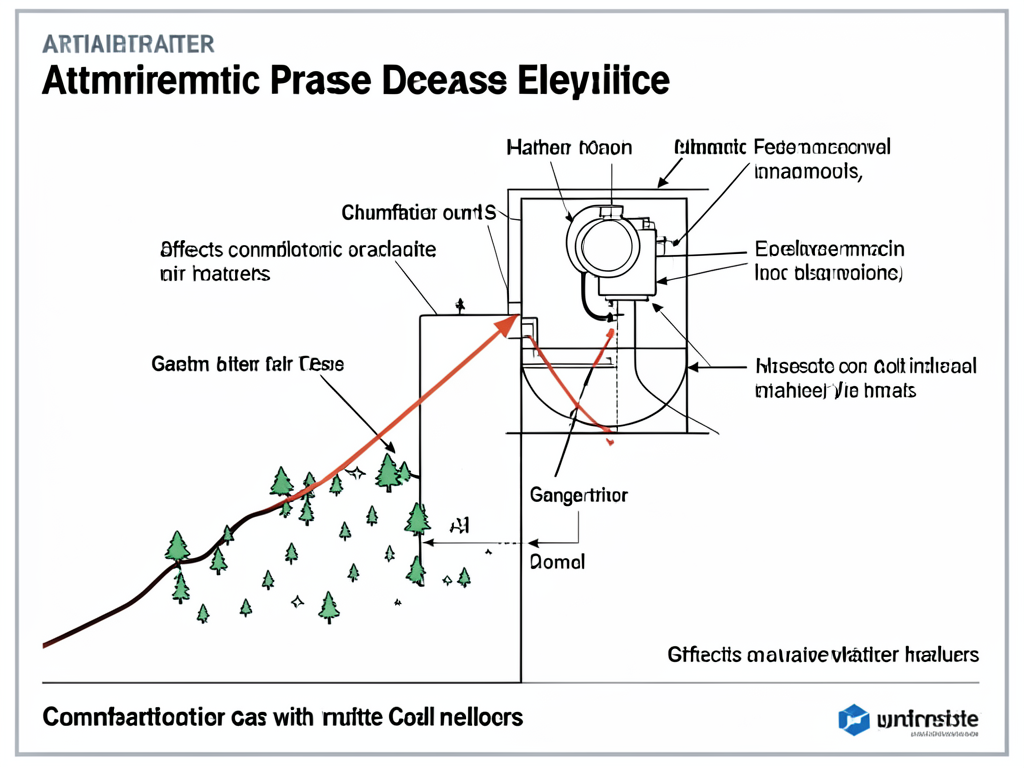
A technical diagram showing how atmospheric pressure decreases with elevation and affects combustion air intake in gas water heaters.
Common Venting Problems in Utah Homes
High-altitude venting failures follow predictable patterns in Utah homes. The most dangerous is backdrafting, where exhaust gases flow backward into your living space instead of venting outside. This occurs when the vent system can’t create enough draft to overcome the reduced atmospheric pressure.
Soot buildup around the burner area indicates incomplete combustion. At Emigration Canyon elevations, you might notice black soot deposits on the burner or inside the combustion chamber. This isn’t just messy—it’s a sign your water heater is producing excess carbon monoxide.
Pilot light instability is another common symptom. The reduced oxygen makes it harder to maintain a stable pilot flame, especially in atmospheric-vented units common in older Emigration Canyon homes. You might notice the pilot flickering or going out entirely during temperature changes or wind shifts.
Melted plastic components on top of your water heater indicate dangerous backdrafting. When exhaust gases flow backward, they can melt the plastic rings around the draft hood or damage nearby materials. This is a serious warning sign that requires immediate attention.
Condensation in the vent pipe is more common at high elevations due to the cooler exhaust temperatures from incomplete combustion. This moisture can cause corrosion and eventually lead to vent pipe failure if not addressed.
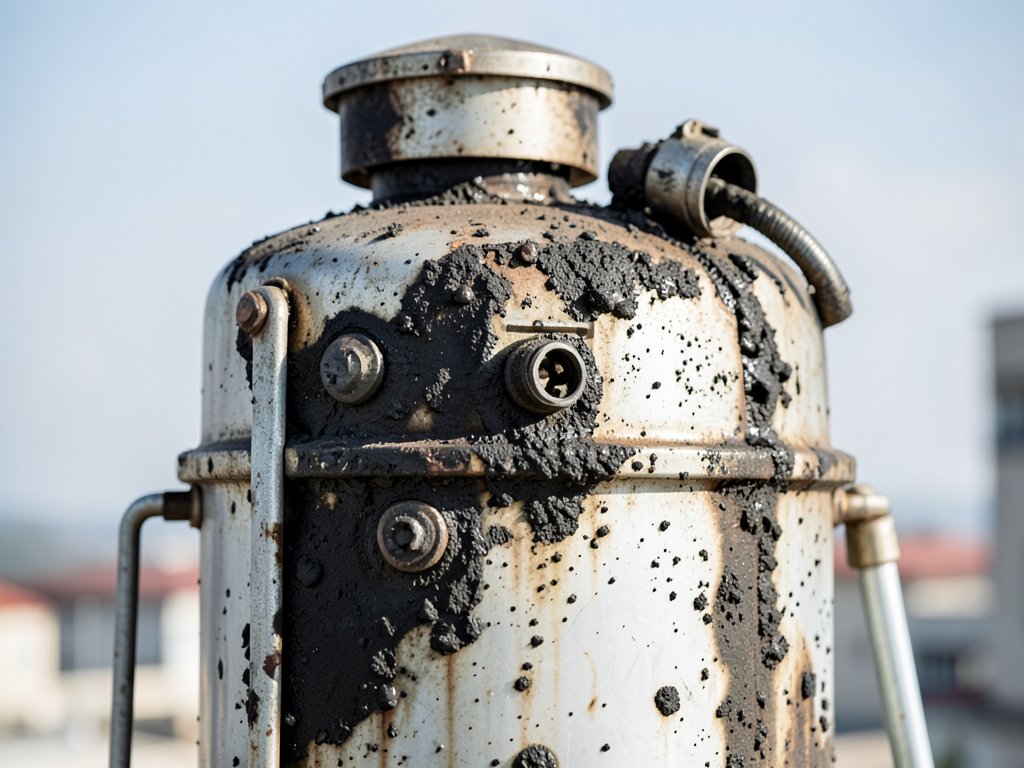
A photo showing soot buildup and melted plastic components on a high-altitude water heater that experienced backdrafting.
Atmospheric vs. Power Venting at 4,500 Feet
Atmospheric venting relies on natural convection to move exhaust gases upward through the vent pipe. This works well at sea level but becomes problematic above 4,000 feet where the reduced atmospheric pressure weakens the natural draft. In Emigration Canyon’s 5,000-foot elevation, atmospheric venting often struggles to perform reliably.
Power venting uses a fan to force exhaust gases through the vent pipe, overcoming the challenges of high-altitude operation. These units maintain consistent draft regardless of elevation, making them ideal for Emigration Canyon homes where atmospheric venting might fail during temperature inversions or calm weather conditions.
Direct vent systems offer another solution by using a sealed combustion chamber with separate intake and exhaust pipes. This design isolates the combustion process from indoor air quality issues and performs consistently at high elevations. The sealed design also prevents backdrafting entirely.
Category I venting (atmospheric) uses single-wall or Type B vent pipes and relies entirely on natural draft. Category IV venting (power/direct vent) uses sealed combustion and forced exhaust, providing superior performance at high elevations like Emigration Canyon.
The cost difference between atmospheric and power venting systems can be significant, but when you factor in the safety risks and potential repair costs of high-altitude venting failures, power venting often proves more economical over the long term.
Salt Lake City Building Codes & Compliance
The International Fuel Gas Code (IFGC) Section 402.3 mandates derating for elevations above 2,000 feet. For Emigration Canyon at 5,000 feet, this means reducing your water heater’s input rating by 20%. Many homeowners and even some contractors overlook this requirement, creating dangerous conditions.
Utah State Construction Code amendments specifically address high-altitude gas appliance installation. The code requires either derating the appliance or using high-altitude orifices and gas pressure adjustments. Simply installing a standard sea-level unit at Emigration Canyon elevations violates both state and international codes.
Combustion air requirements also change at elevation. IFGC Section 304.5 specifies minimum combustion air volumes, but at high altitudes, you need approximately 4% more air per 1,000 feet of elevation to achieve the same combustion efficiency as at sea level.
Vent termination clearances must account for reduced draft at high elevations. The code requires maintaining proper vent pipe pitch (typically 1/4 inch per foot upward) and ensuring adequate clearance from combustible materials. At Emigration Canyon’s elevation, these clearances become even more critical due to the increased risk of backdrafting.
Carbon monoxide detector requirements in Utah homes become more stringent when installing gas appliances at high elevations. The reduced combustion efficiency increases CO production risk, making proper detector placement and maintenance essential for safety.
Safety Checklist: Is Your Venting Dangerous?
Visual inspection is your first line of defense. Look for soot buildup around the burner area or on top of the water heater. Black soot indicates incomplete combustion and potential carbon monoxide production. If you see soot, your venting system needs immediate evaluation.
Check the pilot light flame color. A healthy pilot flame should be mostly blue with a small yellow tip. If your pilot flame is predominantly yellow or orange, this indicates insufficient oxygen for complete combustion—a common problem at Emigration Canyon’s elevation.
Listen for unusual sounds. Gurgling or bubbling noises from the vent pipe might indicate condensation buildup from incomplete combustion. Whistling sounds could mean the vent is struggling to maintain proper draft at high altitude.
Monitor for physical damage. Melted plastic components, warped metal around the draft hood, or discoloration on nearby surfaces all indicate dangerous backdrafting conditions. These are emergency situations requiring immediate shutdown and professional service.
Test your carbon monoxide detectors monthly. At high elevations, the risk of CO production increases due to incomplete combustion. Ensure detectors are installed on every level of your home and within 10 feet of sleeping areas per Utah safety requirements.
Watch for performance issues. If your water heater struggles to maintain temperature, cycles frequently, or produces less hot water than expected, these could be signs of high-altitude combustion problems affecting efficiency.
High-Altitude Water Heater Maintenance Tips
Annual professional inspection becomes even more critical at high elevations. A qualified technician should check combustion efficiency, vent draft, and safety controls specifically calibrated for Emigration Canyon’s 5,000-foot elevation. This isn’t optional—it’s essential for safe operation.
Clean the burner assembly more frequently than standard recommendations suggest. The reduced oxygen at high altitude causes more soot and debris buildup, which further restricts combustion air and creates a dangerous cycle of declining performance.
Check vent pipe connections seasonally. Temperature fluctuations common in mountain canyons can cause vent pipe joints to separate slightly, creating gaps where exhaust gases can escape into your home instead of venting outside.
Consider upgrading to a power-vented or direct-vent unit if your current atmospheric-vented system is over 8-10 years old. The technology has improved significantly, and modern high-altitude units are specifically engineered to handle the challenges of mountain elevations.
Monitor your energy bills. If you notice a sudden increase in gas consumption without a corresponding increase in hot water usage, this could indicate your water heater is struggling with high-altitude combustion inefficiency.
Cost Factors for High-Altitude Water Heater Installation
Initial installation costs for high-altitude water heaters typically run 15-25% higher than standard units due to the need for derated components, specialized venting materials, and expert installation knowledge. However, this upfront investment prevents much costlier safety issues and repairs. Expert Drain Cleaning in Sandy UT for Stubborn Clogs.
Vent pipe materials matter more at elevation. Type B vent pipes used for atmospheric venting may need more frequent replacement at high altitudes due to increased condensation and corrosion. Stainless steel or specialized high-temperature materials often prove more cost-effective long-term.
Professional installation isn’t optional when dealing with high-altitude gas appliances. Improper installation can void warranties, violate building codes, and create life-threatening safety hazards. Always verify your contractor’s experience with high-altitude installations specifically.
Energy efficiency ratings become more important at elevation. Units with higher efficiency ratings maintain better performance despite the derating requirements, often offsetting the higher initial cost through reduced operating expenses over time.
Permit costs vary by municipality but expect additional fees for high-altitude installations due to the increased inspection requirements and code compliance verification needed at elevations above 4,000 feet.
When to Replace vs. Repair Your Water Heater
Age matters significantly at high elevations. Water heaters in Emigration Canyon typically need replacement 2-3 years sooner than identical units at lower elevations due to the increased stress from high-altitude operation and more frequent temperature cycling.
Repair frequency is a key indicator. If you’re calling for service more than once per year on a water heater over 8 years old, replacement often proves more economical than continuing to repair a system struggling with high-altitude demands.
Safety concerns always trump economics. If your unit shows signs of backdrafting, has melted components, or produces unusual odors, replacement is the only safe option regardless of age or repair costs.
Energy efficiency degradation accelerates at elevation. A unit that’s 50% less efficient than when new at sea level might be 70% less efficient at Emigration Canyon’s elevation, making replacement financially attractive even if the unit still functions.
Technological improvements in high-altitude water heaters have been substantial over the past decade. Modern units offer better safety features, improved efficiency, and more reliable performance at elevation compared to older models. Reliable Plumbing Repair for Historic Homes in The Avenues.
Choosing the Right Water Heater for Emigration Canyon
Power-vented units offer the best combination of safety and reliability for high-altitude locations. The forced draft overcomes elevation-related venting challenges, and sealed combustion prevents backdrafting entirely. While more expensive upfront, they provide peace of mind in mountain environments.
Direct-vent systems work well for tight spaces where indoor air quality is a concern. These sealed units draw combustion air from outside and vent exhaust directly outdoors, making them ideal for finished basements or utility closets common in Emigration Canyon homes.
Atmospheric-vented units can work at high elevations but require careful derating and may need more frequent maintenance. If you choose this option, ensure your contractor is specifically experienced with high-altitude derating requirements and local code compliance.
Consider your home’s specific characteristics. Older homes might have venting configurations that don’t meet current high-altitude requirements, necessitating upgrades beyond just the water heater itself.
Brand reputation matters more at elevation. Some manufacturers design their units specifically for high-altitude operation with built-in derating and enhanced safety features. Research brands with strong track records in mountain communities.
Emergency Response for High-Altitude Venting Issues
Carbon monoxide detection requires immediate action. If your CO detector sounds, evacuate immediately, call 911, and do not re-enter until emergency responders declare the area safe. High-altitude venting failures can produce dangerous CO levels very quickly.
Backdrafting signs require immediate shutdown. If you notice melted plastic, unusual odors, or see exhaust gases escaping from the unit area, turn off the gas supply at the shutoff valve and call for emergency service. Do not attempt to use the water heater until it’s professionally inspected.
Water leaks from high-altitude units often indicate more serious problems. The temperature cycling common at elevation can cause more stress on tank seams and connections. Any leak requires prompt professional evaluation to prevent water damage and identify potential combustion issues.
Pilot light problems at elevation aren’t just inconvenient—they’re warning signs. A pilot that won’t stay lit or produces a weak, yellow flame indicates combustion problems that could escalate to dangerous conditions if ignored.
Emergency service availability matters in mountain communities. Choose a provider who offers 24/7 emergency response and understands the specific challenges of high-altitude water heater operation in Emigration Canyon.
Frequently Asked Questions
Why does my water heater pilot light keep going out at elevation?
High altitude reduces oxygen availability, making it harder to maintain a stable pilot flame. The reduced atmospheric pressure also affects the gas-to-air mixture ratio. You may need a high-altitude orifice kit or a power-vented unit designed for mountain elevations.
How much does high altitude derating affect my water heater’s performance?
At Emigration Canyon’s 5,000-foot elevation, you lose approximately 20% of your water heater’s rated BTU output. This means longer recovery times and potentially insufficient hot water during high-demand periods. Proper derating ensures safe operation but does reduce overall capacity.
Can I install a standard water heater in my Emigration Canyon home?
While you can physically install a standard unit, it violates building codes and creates safety hazards. The International Fuel Gas Code requires derating or using high-altitude specific components at elevations above 2,000 feet. Non-compliant installations risk carbon monoxide poisoning and failed inspections.
How often should I have my high-altitude water heater inspected?
Annual professional inspection is recommended for all water heaters, but high-altitude units benefit from semi-annual checks due to the increased stress on components. Spring and fall inspections help identify seasonal issues before they become emergencies.. Read more about How to Protect Your Foundation from Spring Snowmelt in the Wasatch Foothills.
What are the signs of dangerous backdrafting?
Signs include melted plastic components, soot buildup, unusual odors, condensation around the vent pipe, and carbon monoxide detector activation. If you notice any of these symptoms, shut off the unit immediately and call for emergency service.
Conclusion
Living at elevation in Emigration Canyon means your water heater faces unique challenges that standard units simply aren’t designed to handle. The reduced atmospheric pressure, oxygen deficiency, and temperature extremes create a perfect storm of potential problems ranging from inefficient operation to dangerous backdrafting and carbon monoxide production.
Understanding these challenges is the first step toward ensuring your family’s safety and your water heater’s reliable performance. Whether you’re dealing with pilot light issues, noticing unusual soot buildup, or simply want peace of mind about your high-altitude installation, professional evaluation can identify problems before they become emergencies.
Don’t wait for a dangerous situation to develop. High-altitude water heater venting requires specialized knowledge and experience that many general contractors lack. The cost of proper installation and maintenance pales in comparison to the potential risks of code violations and safety hazards.
Call (385) 406-8899 today to schedule your high-altitude water heater inspection. Our licensed technicians understand the unique challenges of Emigration Canyon homes and can ensure your system operates safely at elevation. Your family’s safety is worth the expert attention that high-altitude installations demand.
Pick up the phone and call (385) 406-8899 before the next storm hits. Emigration Canyon’s elevation won’t wait for you to discover venting problems the hard way. Let our experienced team provide the peace of mind that comes with properly installed and maintained high-altitude water heating systems.
Additional Resources
For more information about high-altitude appliance installation and safety requirements, visit the National Fire Protection Association website or consult the Salt Lake City Public Utilities guidelines for residential gas appliance installation.
Local building departments can provide specific information about permit requirements and inspection processes for high-altitude installations in Emigration Canyon and surrounding areas.
{
“@context”: “https://schema.org”,
“@type”: “BlogPosting”,
“headline”: “Why High Altitude Affects Your Water Heater Venting in Emigration Canyon”,
“description”: “Learn how Salt Lake City’s elevation impacts water heater venting safety. Discover high-altitude derating requirements, code compliance, and warning signs of dangerous backdrafting.”,
“wordCount”: 2792,
“datePublished”: “2026-05-26T06:48:00.000Z”,
“dateModified”: “2026-05-26T06:48:00.000Z”,
“inLanguage”: “en-US”,
“mainEntityOfPage”: {
“@type”: “WebPage”,
“@id”: “https://crestlineplumbingsaltlakecity.com”
},
“publisher”: {
“@type”: “LocalBusiness”,
“name”: “Crestline Plumbing Salt Lake City”,
“url”: “https://crestlineplumbingsaltlakecity.com”
},
“author”: {
“@type”: “Organization”,
“name”: “Crestline Plumbing Salt Lake City”,
“url”: “https://crestlineplumbingsaltlakecity.com”
},
“image”: {
“@type”: “ImageObject”,
“url”: “https://crestlineplumbingsaltlakecity.com/wp-content/uploads/2026/03/why-high-altitude-affects-your-water-heater-ventin-1.png”
}
}
{
“@context”: “https://schema.org”,
“@type”: “Plumber”,
“name”: “Crestline Plumbing Salt Lake City”,
“url”: “https://crestlineplumbingsaltlakecity.com”,
“address”: {
“@type”: “PostalAddress”,
“addressLocality”: “Salt Lake City”
},
“areaServed”: {
“@type”: “City”,
“name”: “Salt Lake City”
}
}
{
“@context”: “https://schema.org”,
“@type”: “FAQPage”,
“mainEntity”: [
{
“@type”: “Question”,
“name”: “Safety Checklist: Is Your Venting Dangerous?”,
“acceptedAnswer”: {
“@type”: “Answer”,
“text”: “Visual inspection is your first line of defense. Look for soot buildup around the burner area or on top of the water heater. Black soot indicates incomplete combustion and potential carbon monoxide production. If you see soot, your venting system needs immediate evaluation.”
}
},
{
“@type”: “Question”,
“name”: “Why does my water heater pilot light keep going out at elevation?”,
“acceptedAnswer”: {
“@type”: “Answer”,
“text”: “High altitude reduces oxygen availability, making it harder to maintain a stable pilot flame. The reduced atmospheric pressure also affects the gas-to-air mixture ratio. You may need a high-altitude orifice kit or a power-vented unit designed for mountain elevations.”
}
},
{
“@type”: “Question”,
“name”: “How much does high altitude derating affect my water heater’s performance?”,
“acceptedAnswer”: {
“@type”: “Answer”,
“text”: “At Emigration Canyon’s 5,000-foot elevation, you lose approximately 20% of your water heater’s rated BTU output. This means longer recovery times and potentially insufficient hot water during high-demand periods. Proper derating ensures safe operation but does reduce overall capacity.”
}
},
{
“@type”: “Question”,
“name”: “How often should I have my high-altitude water heater inspected?”,
“acceptedAnswer”: {
“@type”: “Answer”,
“text”: “Annual professional inspection is recommended for all water heaters, but high-altitude units benefit from semi-annual checks due to the increased stress on components. Spring and fall inspections help identify seasonal issues before they become emergencies.”
}
},
{
“@type”: “Question”,
“name”: “What are the signs of dangerous backdrafting?”,
“acceptedAnswer”: {
“@type”: “Answer”,
“text”: “Signs include melted plastic components, soot buildup, unusual odors, condensation around the vent pipe, and carbon monoxide detector activation. If you notice any of these symptoms, shut off the unit immediately and call for emergency service.”
}
}
]
}
{
“@context”: “https://schema.org”,
“@type”: “BreadcrumbList”,
“itemListElement”: [
{
“@type”: “ListItem”,
“position”: 1,
“name”: “Home”,
“item”: “https://crestlineplumbingsaltlakecity.com”
},
{
“@type”: “ListItem”,
“position”: 2,
“name”: “Blog”,
“item”: “https://crestlineplumbingsaltlakecity.com/blog”
},
{
“@type”: “ListItem”,
“position”: 3,
“name”: “Why High Altitude Affects Your Water Heater Venting in Emigration Canyon”
}
]
}
{
“@context”: “https://schema.org”,
“@type”: “Service”,
“serviceType”: “Plumbing”,
“provider”: {
“@type”: “LocalBusiness”,
“name”: “Crestline Plumbing Salt Lake City”,
“url”: “https://crestlineplumbingsaltlakecity.com”
},
“areaServed”: {
“@type”: “City”,
“name”: “Salt Lake City”
},
“description”: “Learn how Salt Lake City’s elevation impacts water heater venting safety. Discover high-altitude derating requirements, code compliance, and warning signs of dangerous backdrafting.”
}