
Why Your Water Heater Is Making a Popping or Rumbling Sound
Your water heater just made that sound again. That popping, rumbling, or crackling noise coming from the basement is more than just annoying. It is your water heater screaming for help. In Salt Lake City’s hard water conditions, this sound usually means sediment has built up at the bottom of your tank and is now boiling along with your water. Left alone, this problem will shorten your water heater’s life and could leave you without hot water when you need it most. Water Main Leak Detection and Repair in Holladay.
What Causes That Popping Sound
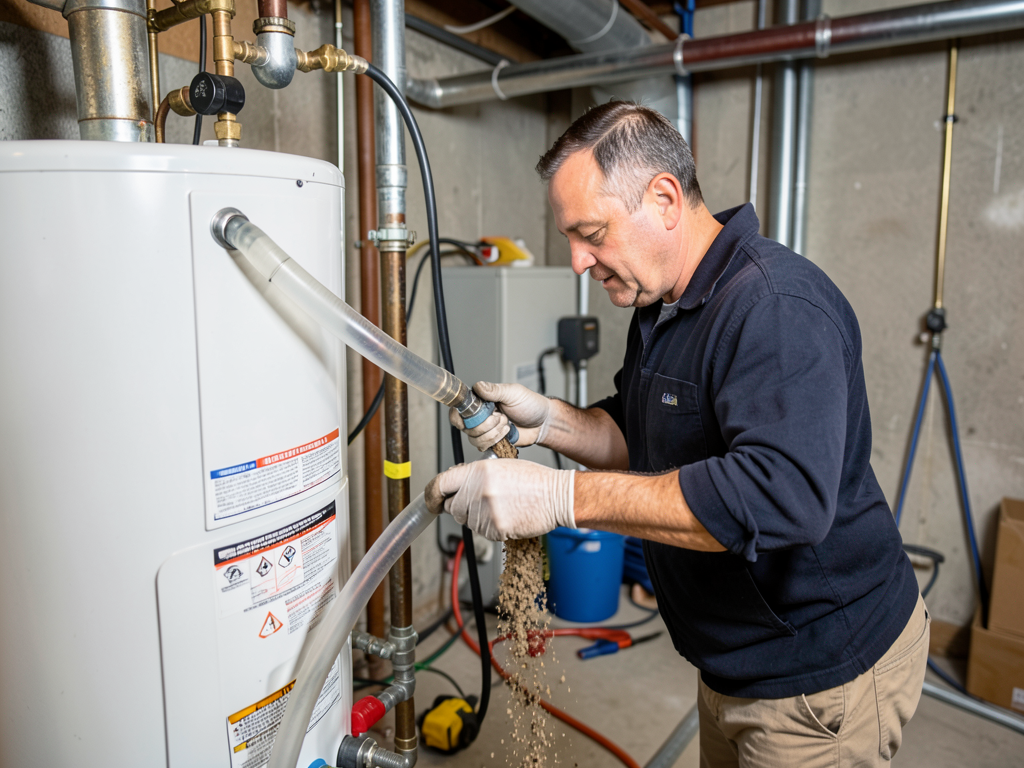
Water in Salt Lake County contains high levels of dissolved minerals, especially calcium and magnesium. As water heats, these minerals settle to the bottom of your tank and form a layer of sediment. When the burner fires up, it heats this sediment layer. Water trapped beneath the sediment turns to steam, creating bubbles that burst through the mineral layer. That is the popping sound you hear. Water Stains on Ceiling or Walls.
Why Salt Lake City Homes Hear This More Often
Utah’s Wasatch Front has some of the hardest water in the country. Salt Lake City water typically measures 12 to 15 grains per gallon of hardness. That is nearly three times harder than the national average. This mineral-rich water accelerates sediment buildup in your tank. Homes in areas like Millcreek and the East Bench often notice these sounds within two to three years of installation, while homes in softer water regions might go five to seven years before hearing similar noises.. Read more about Whole House Water Filtration Installation for Centerville Homes.
The Danger Scale: When to Worry
Not all water heater noises mean immediate danger. Here is how to tell what you are dealing with:. Read more about Why You Should Consider a Heat Pump Water Heater for Your Sugar House Remodel.
| Sound Type | What It Means | Urgency Level |
|---|---|---|
| Popping or rumbling | Sediment boiling beneath burner | Medium – Schedule maintenance |
| Screeching or whistling | Valve pressure issues | High – Turn off immediately |
| Thumping or knocking | Water hammer or loose parts | Low – Monitor situation |
| Hissing or sizzling | Leaking tank or condensation | High – Professional inspection needed |
Why Sediment Is More Than Just Noise
That layer of sediment does more than make noise. It acts like insulation between your burner and the water, forcing your heater to work harder and longer. This wastes energy and increases your utility bills. The extra heat also stresses your tank’s glass lining and can cause premature failure. In electric water heaters, sediment can bury the lower heating element, causing it to burn out. Gas water heaters suffer from reduced efficiency and potential burner damage.
How to Flush Your Water Heater Yourself
If your water heater is less than ten years old and the popping just started, you might be able to fix this yourself. Here is the process:
- Turn Off Power or Gas
Flip the breaker for electric models or turn the gas valve to pilot for gas units.
- Shut Off Cold Water Supply
Locate the valve above your heater and turn it clockwise.
- Connect Garden Hose
Attach to the drain valve at the bottom and run outside or to a floor drain. Expert Drain Cleaning in Sandy UT for Stubborn Clogs.
- Open Hot Water Faucet
Open a hot water tap nearby to prevent vacuum lock.
- Drain Tank
Open the drain valve and let water flow until clear.
- Flush with Cold Water
briefly turn on cold supply to stir up remaining sediment.
- Refill and Restart
Close drain, remove hose, turn water back on, then restore power or gas.
When to Call a Professional Plumber
Some situations require professional help. Call a plumber if you notice rusty water, hear screeching sounds, see water pooling around the base, or if your unit is over ten years old. Also contact a professional if you are uncomfortable working with gas lines or electrical systems. A licensed plumber can also inspect your anode rod, check for proper venting, and ensure your temperature and pressure relief valve works correctly.
Preventing Future Sediment Buildup
Prevention is easier than emergency repairs. Installing a whole-house water softener can reduce mineral content before it enters your water heater. Flushing your tank annually removes sediment before it becomes a problem. Checking and replacing your anode rod every three to five years protects your tank from corrosion. For Salt Lake City homes, consider biannual flushing due to our extremely hard water conditions. EPA WaterSense.
The Cost of Ignoring That Sound
Delaying maintenance costs more in the long run. A simple flush might cost $150 to $250. Replacing a burned-out heating element runs $200 to $300. But a complete water heater replacement costs $1,200 to $2,500 installed. Beyond money, there is the inconvenience of cold showers and potential water damage from a failing tank. In older neighborhoods like The Avenues where homes often have aging plumbing, sediment buildup can combine with other issues to cause sudden failures.
Water Heater Maintenance Schedule for Salt Lake City
Living with hard water means adjusting your maintenance schedule. Here is what works for most Salt Lake County homes:
| Task | Frequency | Cost Range |
|---|---|---|
| Full tank flush | Every 6 months | $150 – $250 |
| Anode rod inspection | Every 2 years | $100 – $150 |
| Temperature and pressure valve test | Annually | $50 – $100 |
| Water softener maintenance | Every 3 months | $75 – $125 |
Energy Efficiency and Your Noisy Heater
That popping sound is also costing you money on your utility bills. Sediment forces your water heater to use 20 to 30 percent more energy to heat the same amount of water. Over a year, that could mean $50 to $100 in extra costs for a typical household. A clean, well-maintained water heater heats faster and maintains temperature better, reducing the run time of your unit and lowering your energy consumption.
Comparing Repair vs. Replacement Options
When your water heater starts making noise, you need to decide between repair and replacement. Consider these factors: Burst Pipe Repair.
| Factor | Repair Makes Sense If | Replacement Makes Sense If |
|---|---|---|
| Age | Under 8 years old | Over 10 years old |
| Efficiency | Still meeting hot water needs | Dissatisfied with performance |
| Cost | Repair under $300 | Repair over $500 |
| Water Quality | Hardness manageable | Extremely hard water |
Local Building Code Requirements
Utah State Construction and Fire Codes require specific safety features on all water heaters. The temperature and pressure relief valve must be properly sized and piped to an appropriate discharge location. Gas water heaters need adequate combustion air and proper venting to prevent carbon monoxide buildup. Electric units must have dedicated circuits with appropriate overcurrent protection. These codes help prevent the very failures that cause dangerous noises and potential explosions.
Emergency Steps If You Hear a Screeching Sound
Some noises require immediate action. If you hear a high-pitched screeching or whistling sound, this often indicates dangerous pressure buildup. Immediately turn off the power or gas supply to your water heater. Shut off the cold water supply. Do not attempt to drain the tank yourself, as this could cause scalding. Call a licensed plumber right away. This sound could indicate a failing temperature and pressure relief valve or dangerous pressure levels in your tank.
Water Heater Types and Their Noise Patterns
Different water heater types make different sounds when problems occur. Traditional tank models make popping sounds from sediment. Tankless units might make clicking sounds as flow switches activate. Heat pump water heaters often make humming or fan noises during operation. Understanding your specific type helps you identify whether a sound is normal operation or a warning sign requiring attention.
Benefits of Professional Maintenance
A professional plumber brings tools and expertise that most homeowners lack. They use water pressure gauges to test for proper system pressure, combustion analyzers to check gas burner efficiency, and digital thermometers to verify accurate temperature control. Professionals also carry replacement parts on their trucks and can often fix problems during the same visit. Most importantly, they know what to look for and can spot developing issues before they become emergencies.
Frequently Asked Questions
Why does my water heater make noise only at night?
Many people notice water heater noises more at night because household activity is lower and the sound carries better in quiet homes. Your heater also runs more at night when hot water usage is minimal, allowing sediment to heat repeatedly and create more popping sounds.
Can I use vinegar to clean my water heater?
While vinegar can dissolve some mineral deposits, it is not recommended for water heater cleaning. The acidic nature can damage your tank’s glass lining and components. Professional flushing with proper equipment is safer and more effective. Grease Trap Cleaning & Pumping.
How long will my water heater last with sediment buildup?
Sediment buildup can reduce your water heater’s lifespan by 30 to 50 percent. A unit that might last 12 to 15 years could fail in 6 to 8 years if sediment is not managed. The harder your water, the faster this damage occurs.
Take Action Before You Wake Up to Cold Showers
That popping sound is not going to fix itself. Every day you wait, sediment builds up thicker and your water heater works harder. For most Salt Lake City homes, a simple flush can restore quiet operation and extend your unit’s life by years. If you are hearing popping, rumbling, or any unusual noise from your water heater, now is the time to act.
Call (385) 406-8899 today to schedule your water heater inspection. Our licensed plumbers serve Salt Lake City, Millcreek, and surrounding areas with same-day service for urgent issues. Do not wait until that popping sound turns into a flooded basement or cold morning surprise.
Learn more about water softener installation to prevent future sediment buildup
Read about water heater services for historic homes in The Avenues For more information, visit PHCC Plumbing Standards.
{
“@context”: “https://schema.org”,
“@type”: “BlogPosting”,
“headline”: “Why Your Water Heater Is Making a Popping or Rumbling Sound”,
“description”: “Is your water heater making popping or rumbling noises? Learn why hard water in Salt Lake City causes sediment buildup and when to call a plumber before it fails.”,
“wordCount”: 1629,
“datePublished”: “2026-04-08T10:38:00.000Z”,
“dateModified”: “2026-04-08T10:38:00.000Z”,
“inLanguage”: “en-US”,
“mainEntityOfPage”: {
“@type”: “WebPage”,
“@id”: “https://crestlineplumbingsaltlakecity.com”
},
“publisher”: {
“@type”: “LocalBusiness”,
“name”: “Crestline Plumbing Salt Lake City”,
“url”: “https://crestlineplumbingsaltlakecity.com”
},
“author”: {
“@type”: “Organization”,
“name”: “Crestline Plumbing Salt Lake City”,
“url”: “https://crestlineplumbingsaltlakecity.com”
},
“image”: {
“@type”: “ImageObject”,
“url”: “https://crestlineplumbingsaltlakecity.com/wp-content/uploads/2026/03/why-your-water-heater-is-making-a-popping-or-rumbl-1.png”
}
}
{
“@context”: “https://schema.org”,
“@type”: “Plumber”,
“name”: “Crestline Plumbing Salt Lake City”,
“url”: “https://crestlineplumbingsaltlakecity.com”,
“address”: {
“@type”: “PostalAddress”,
“addressLocality”: “Salt Lake City”
},
“areaServed”: {
“@type”: “City”,
“name”: “Salt Lake City”
}
}
{
“@context”: “https://schema.org”,
“@type”: “FAQPage”,
“mainEntity”: [
{
“@type”: “Question”,
“name”: “Why does my water heater make noise only at night?”,
“acceptedAnswer”: {
“@type”: “Answer”,
“text”: “Many people notice water heater noises more at night because household activity is lower and the sound carries better in quiet homes. Your heater also runs more at night when hot water usage is minimal, allowing sediment to heat repeatedly and create more popping sounds.”
}
},
{
“@type”: “Question”,
“name”: “Can I use vinegar to clean my water heater?”,
“acceptedAnswer”: {
“@type”: “Answer”,
“text”: “While vinegar can dissolve some mineral deposits, it is not recommended for water heater cleaning. The acidic nature can damage your tank’s glass lining and components. Professional flushing with proper equipment is safer and more effective. Grease Trap Cleaning & Pumping.”
}
},
{
“@type”: “Question”,
“name”: “How long will my water heater last with sediment buildup?”,
“acceptedAnswer”: {
“@type”: “Answer”,
“text”: “Sediment buildup can reduce your water heater’s lifespan by 30 to 50 percent. A unit that might last 12 to 15 years could fail in 6 to 8 years if sediment is not managed. The harder your water, the faster this damage occurs.”
}
}
]
}
{
“@context”: “https://schema.org”,
“@type”: “HowTo”,
“name”: “How to Flush a Water Heater”,
“step”: [
{
“@type”: “HowToStep”,
“position”: 1,
“name”: “Turn Off Power or Gas”,
“text”: “Flip the breaker for electric models or turn the gas valve to pilot for gas units.”
},
{
“@type”: “HowToStep”,
“position”: 2,
“name”: “Shut Off Cold Water Supply”,
“text”: “Locate the valve above your heater and turn it clockwise.”
},
{
“@type”: “HowToStep”,
“position”: 3,
“name”: “Connect Garden Hose”,
“text”: “Attach to the drain valve at the bottom and run outside or to a floor drain. Expert Drain Cleaning in Sandy UT for Stubborn Clogs.”
},
{
“@type”: “HowToStep”,
“position”: 4,
“name”: “Open Hot Water Faucet”,
“text”: “Open a hot water tap nearby to prevent vacuum lock.”
},
{
“@type”: “HowToStep”,
“position”: 5,
“name”: “Drain Tank”,
“text”: “Open the drain valve and let water flow until clear.”
},
{
“@type”: “HowToStep”,
“position”: 6,
“name”: “Flush with Cold Water”,
“text”: “briefly turn on cold supply to stir up remaining sediment.”
},
{
“@type”: “HowToStep”,
“position”: 7,
“name”: “Refill and Restart”,
“text”: “Close drain, remove hose, turn water back on, then restore power or gas.”
}
],
“image”: “https://crestlineplumbingsaltlakecity.com/wp-content/uploads/2026/03/why-your-water-heater-is-making-a-popping-or-rumbl-1.png”
}
{
“@context”: “https://schema.org”,
“@type”: “BreadcrumbList”,
“itemListElement”: [
{
“@type”: “ListItem”,
“position”: 1,
“name”: “Home”,
“item”: “https://crestlineplumbingsaltlakecity.com”
},
{
“@type”: “ListItem”,
“position”: 2,
“name”: “Blog”,
“item”: “https://crestlineplumbingsaltlakecity.com/blog”
},
{
“@type”: “ListItem”,
“position”: 3,
“name”: “Why Your Water Heater Is Making a Popping or Rumbling Sound”
}
]
}
{
“@context”: “https://schema.org”,
“@type”: “Service”,
“serviceType”: “Plumbing”,
“provider”: {
“@type”: “LocalBusiness”,
“name”: “Crestline Plumbing Salt Lake City”,
“url”: “https://crestlineplumbingsaltlakecity.com”
},
“areaServed”: {
“@type”: “City”,
“name”: “Salt Lake City”
},
“description”: “Is your water heater making popping or rumbling noises? Learn why hard water in Salt Lake City causes sediment buildup and when to call a plumber before it fails.”
}