
Why a French Drain Is the Best Solution for Soggy Sandy Backyards
Your backyard stays wet for days after every rainstorm. Water pools near your foundation. The grass feels spongy underfoot. These are signs of a serious drainage problem that can damage your home’s foundation and ruin your yard. French drains offer the most effective solution for Sandy’s unique soil and climate conditions. Sandy City Municipal Code.
Sandy sits at the base of the Wasatch Mountains where snowmelt runoff and heavy clay soil create perfect conditions for yard flooding. Water has nowhere to go when it hits compacted clay and slopes toward your home. A properly installed French drain system collects this water and redirects it away from your property before it causes expensive damage. Expert Drain Cleaning in Sandy UT for Stubborn Clogs.
French drains work by creating a path of least resistance for water. Perforated pipes buried in gravel trenches collect groundwater and surface water, channeling it to a safe discharge point. This simple yet powerful system prevents basement flooding, foundation cracks, and landscape erosion that plague Sandy homeowners every spring. Best Water Softener Installation Services in Salt Lake City to Fight Hard Water.
How French Drains Solve Sandy’s Unique Drainage Problems
Sandy’s location near Little Cottonwood Canyon means heavy spring runoff every year. The Wasatch Front receives over 50 inches of snow annually, which melts rapidly when temperatures rise. This sudden influx of water overwhelms natural drainage and creates standing water in yards across the 84070 and 84093 zip codes. Water Main Leak Detection and Repair in Holladay.
The soil in Sandy contains high levels of bentonite clay, which expands when wet and contracts when dry. This movement puts pressure on foundations and creates cracks where water can enter. French drains relieve this hydrostatic pressure by providing an escape route for groundwater before it builds up against your home. Water Stains on Ceiling or Walls.
Many Sandy homes sit on slopes that direct water toward the foundation. Without proper drainage, this water seeps into basements through cinder block walls or causes soil erosion that undermines concrete slabs. A French drain intercepts this water at the source and carries it away through a network of buried pipes.. Read more about Is a Secondary Water System Right for Your Landscape Needs in Layton?.
The Science Behind French Drain Effectiveness
French drains operate on basic physics. Water always flows to the lowest point available. By creating a gravel-filled trench with a perforated pipe at the bottom, you give water an easy path to follow. The gravel provides storage capacity while the pipe provides rapid transport away from problem areas.. Read more about Installing a Trench Drain for Your Sloped Driveway in the East Bench Area.
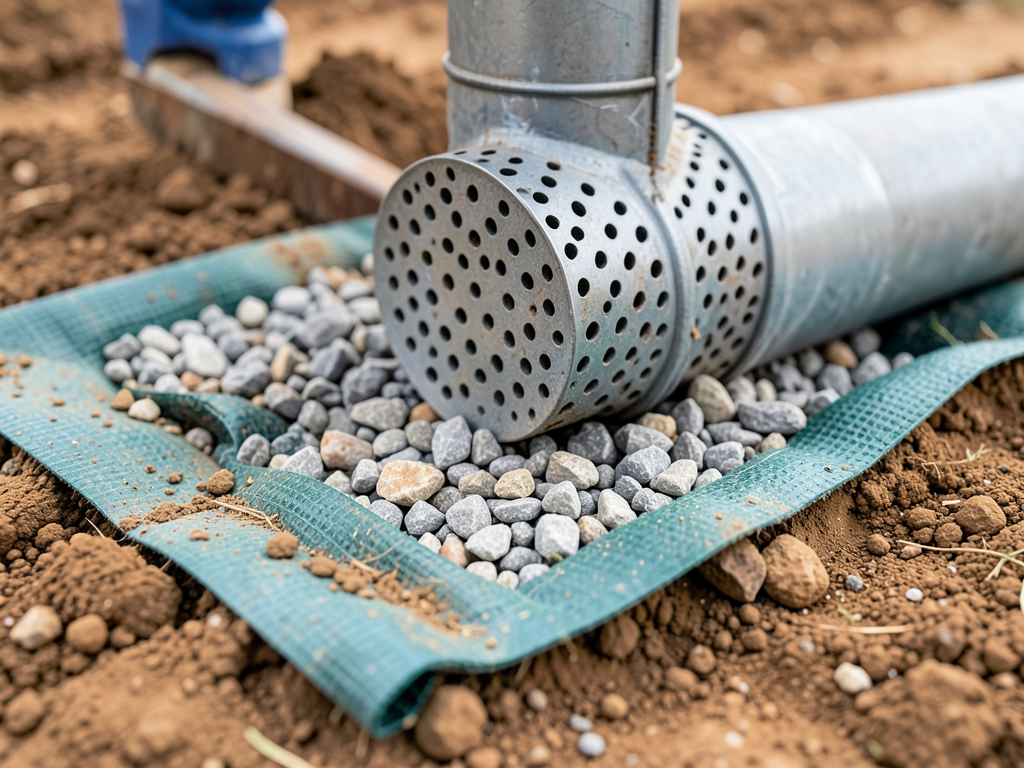
The key components work together to maximize efficiency. Washed gravel with 3/4 inch stone creates large voids for water storage. The perforated pipe collects water from all directions. Geotextile fabric prevents soil from clogging the system while allowing water to pass through freely.
Proper slope is critical for French drain performance. The trench must slope at least 1 percent, meaning a drop of one foot for every 100 feet of length. This gentle slope ensures water flows continuously without pooling in the pipes. In Sandy’s freeze-thaw climate, standing water in pipes can cause ice blockages that render the system useless.
Step-by-Step French Drain Installation Process
- Site Assessment and Planning
Our technicians evaluate your yard’s slope, soil conditions, and water patterns. We identify problem areas and design a system that captures water before it reaches your foundation. This includes locating underground utilities and determining the best discharge point.
- Excavation and Trenching
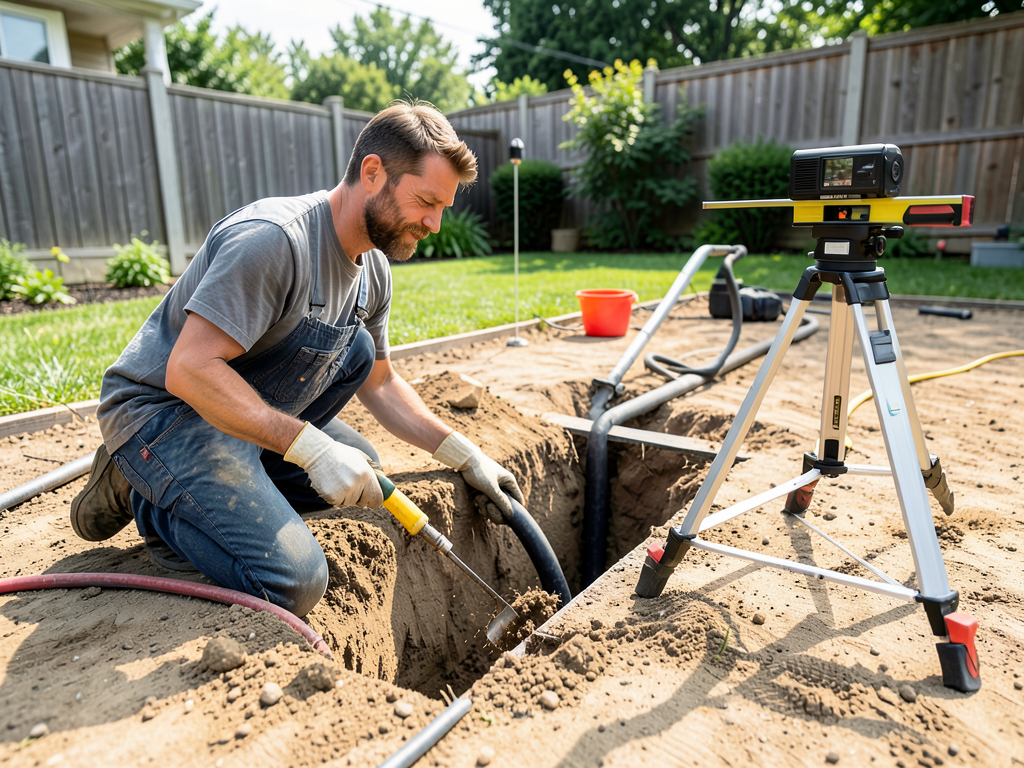
We dig trenches 18 to 24 inches deep and 12 inches wide along the planned route. The bottom of the trench must maintain proper slope toward the discharge point. We use laser levels to ensure accuracy and prevent low spots where water can collect.
- Filter Fabric Installation
Non-woven geotextile fabric lines the entire trench. This fabric prevents soil from mixing with the gravel while allowing water to pass through. We overlap seams by at least 12 inches to prevent soil migration between sections.
- Gravel Base Layer
A 2 to 3 inch layer of washed gravel goes in the bottom of the trench. This creates a stable base for the pipe and provides immediate water storage capacity. We use only clean, washed gravel to prevent sediment from clogging the system.
- Perforated Pipe Installation
4 inch corrugated perforated pipe goes in the trench with holes facing down. This orientation allows water to enter from below while preventing soil from falling through the holes. We connect pipe sections with watertight fittings and ensure proper slope throughout.
- Backfill with Gravel
The trench fills with more washed gravel to within 4 to 6 inches of the surface. This provides additional storage capacity and protects the pipe from damage. We compact the gravel lightly to prevent settling while maintaining porosity.
- Final Cover and Restoration
The remaining trench space gets covered with filter fabric, then soil and sod or landscape rock. We restore your yard to its original condition, leaving only the improved drainage as evidence of our work.
Comparing French Drains to Other Drainage Solutions
| Feature | French Drain | Surface Drain | Curtain Drain |
|---|---|---|---|
| Water Source | Groundwater and surface | Surface only | Groundwater only |
| Installation Depth | 18-24 inches | 4-8 inches | 24-36 inches |
| Maintenance Needs | Low | High | Medium |
| Effectiveness in Clay | Excellent | Poor | Good |
| Cost per Linear Foot | $25-40 | $15-25 | $35-50 |
French drains outperform other solutions in Sandy’s conditions because they handle both surface and subsurface water. Surface drains only collect water running across the top of the soil, missing the groundwater that causes the most foundation damage. Curtain drains work well for high water tables but require deeper excavation and cost more.
The versatility of French drains makes them ideal for Sandy’s varied drainage problems. They work equally well along foundation walls, across slopes, around patios, and in low-lying yard areas. This flexibility means one system can solve multiple drainage issues simultaneously.
Sandy City Drainage Regulations and Permits
Sandy City requires permits for most French drain installations that connect to the storm sewer system. The city’s drainage ordinance follows Salt Lake County standards and mandates that all surface water be directed to approved discharge points. Discharging water onto neighboring properties or into streets is prohibited. Salt Lake County Building Standards.
According to Sandy City Municipal Code Section 15.20.050, drainage systems must not create erosion or flooding on adjacent properties. This means your French drain needs a proper outlet, such as a dry well, storm drain connection, or daylight discharge to an approved area. Simply burying the pipe and hoping for the best violates local regulations.
The city also requires that French drains meet minimum construction standards. Pipes must be at least 4 inches in diameter and made of durable materials like PVC or corrugated plastic. Gravel backfill must be clean and free of fines that could clog the system. These requirements ensure your drainage system functions properly for years to come.
Cost Factors for French Drain Installation in Sandy
French drain costs in Sandy vary based on several factors. Basic installations along a single foundation wall start around $1,500 for a 40-foot run. Complex systems with multiple collection points, long runs, or difficult access can exceed $5,000. The average Sandy homeowner spends $2,500 to $3,500 for a complete system.
Soil conditions significantly impact installation costs. Sandy’s clay soil requires more excavation effort than sandy or loamy soils. Rocky conditions or tree roots can slow excavation and increase labor time. Access limitations, such as narrow side yards or fenced areas, may require smaller equipment and more manual labor.
Permit fees in Sandy typically range from $100 to $300 depending on the project scope. These fees cover plan review and inspection services to ensure your system meets city standards. Some neighborhoods with homeowners associations may require additional approval before work begins.
Maintenance Requirements for Utah Climate
French drains in Sandy need minimal maintenance but benefit from annual inspections. Utah’s freeze-thaw cycles can cause soil movement that affects pipe alignment. Check your system each spring before heavy rains begin. Look for surface depressions that might indicate settling or pipe damage.
Cleanouts installed at strategic points allow for system flushing if needed. These cleanouts provide access for drain cleaning equipment if roots or sediment block the pipes. Most Sandy French drains function for 20 to 30 years without major service when properly installed with quality materials. Grease Trap Cleaning & Pumping.
Fall maintenance is particularly important in Sandy. Leaves and debris can wash into surface drains connected to your French drain system. Clean these inlets before winter to prevent ice blockages. Also check that discharge points remain clear of snow and ice during winter months.
Common French Drain Problems and Solutions
Many French drain failures result from poor installation rather than system design. Using the wrong type of gravel is a common mistake. Regular construction gravel contains fines that wash into the pipe and cause blockages. Always use washed gravel with no small particles that can migrate into the system.. Read more about Using Greywater to Keep Your Holladay Landscape Green During a Drought.
Another frequent issue is inadequate slope. If the trench doesn’t maintain proper grade, water pools in low spots and creates sediment traps. Over time, these traps fill with silt and render sections of the drain useless. Professional installation includes careful grading to prevent this problem.
Roots from nearby trees can penetrate French drains through pipe joints or perforations. Once inside, roots grow rapidly in the moist environment and block water flow. Root barriers installed during initial construction or root-killing treatments can prevent this damage. Some homeowners opt for smooth-wall pipes that resist root penetration better than corrugated options.
Integration with Other Home Systems
French drains work best as part of a comprehensive drainage strategy. Downspout connections direct roof water into the French drain system, preventing surface erosion and foundation saturation. These connections require proper filtering to prevent leaves and debris from entering the pipes.
For homes with basements, French drains often integrate with interior drainage systems. Exterior French drains reduce hydrostatic pressure against foundation walls, while interior perimeter drains collect any water that penetrates the foundation. This dual approach provides maximum protection against basement flooding.
Some Sandy properties benefit from sump pump integration with French drains. When natural discharge isn’t possible due to flat terrain or distance to storm drains, a sump pit collects water from the French drain and pumps it to a safe location. This setup works well in areas near Dimple Dell where natural slopes are limited.
Environmental Benefits of Proper Drainage
French drains do more than protect your home. They prevent harmful runoff from carrying pollutants into local waterways. When water flows across yards, it picks up fertilizers, pesticides, and other chemicals. A French drain system captures this water before it can transport contaminants to Little Cottonwood Creek or the Jordan River.
Proper drainage also prevents soil erosion that degrades property and natural areas. Uncontrolled runoff creates gullies, washes away topsoil, and damages plant roots. By managing water flow, French drains maintain landscape stability and prevent the loss of valuable soil.
The water collected by French drains can recharge groundwater supplies rather than running off to storm drains. This natural infiltration helps maintain local water tables and supports vegetation during dry periods. In Sandy’s semi-arid climate, this water conservation benefit adds to the system’s value.
Choosing the Right Contractor for Your French Drain
French drain installation requires specific expertise that general landscapers often lack. Look for contractors with experience in foundation drainage and knowledge of local soil conditions. Ask about their familiarity with Sandy’s building codes and permit requirements. A qualified contractor will handle all permitting and inspections as part of the project.
Request references from local homeowners with similar drainage issues. Visit completed projects if possible to assess the quality of work. Pay attention to details like clean trench edges, proper pipe connections, and neat restoration of landscape areas. These details indicate a contractor who takes pride in their work.
Professional contractors use specialized equipment like laser levels for precise grading and trenching machines for consistent depth. They also carry proper insurance coverage for underground work. This protection matters because hitting an unmarked utility line can cause expensive damage and project delays.
Frequently Asked Questions
How long does French drain installation take?
Most residential French drain installations in Sandy take one to three days depending on the project scope. A simple foundation drain might finish in a day, while a comprehensive yard drainage system could require three days for excavation, installation, and restoration.
Will a French drain solve all my drainage problems?
French drains solve most groundwater and surface water issues effectively. However, severe grading problems or roof drainage issues may require additional solutions like regrading or gutter extensions. A professional assessment can identify all necessary components for complete drainage relief.
How do I know if I need a French drain?
Signs you need a French drain include persistent wet spots in your yard, water in your basement after rain, foundation cracks, or soil erosion near your home. If water pools within 10 feet of your foundation for more than 24 hours after rain, you likely need drainage improvements.
Can I install a French drain myself?
While DIY installation is possible, professional installation ensures proper slope, material selection, and code compliance. Mistakes like inadequate slope or wrong gravel type can render the system ineffective. Professional installation also includes warranty protection and handles all permitting requirements.
What’s the difference between a French drain and a trench drain?
French drains handle subsurface water using perforated pipes in gravel, while trench drains capture surface water with solid grates. French drains work below ground level, trench drains sit at surface level. Both solve different drainage problems and sometimes work together in comprehensive systems.
Don’t let another season of snowmelt damage your home. Call (385) 406-8899 today to schedule your free French drain assessment. Our local experts understand Sandy’s unique drainage challenges and will design a system that protects your home for decades to come.
Pick up the phone and call (385) 406-8899 before the next storm hits. Every day you wait is another day your foundation faces hydrostatic pressure and potential water damage. Our team is ready to solve your drainage problems with professional French drain installation that meets all Sandy City requirements.
{
“@context”: “https://schema.org”,
“@type”: “BlogPosting”,
“headline”: “Why a French Drain Is the Best Solution for Soggy Sandy Backyards”,
“description”: “French drains solve Sandy’s unique drainage problems caused by snowmelt runoff and clay soil. Learn installation costs, regulations, and benefits for your property.”,
“wordCount”: 2363,
“datePublished”: “2026-06-03T06:19:00.000Z”,
“dateModified”: “2026-06-03T06:19:00.000Z”,
“inLanguage”: “en-US”,
“mainEntityOfPage”: {
“@type”: “WebPage”,
“@id”: “https://crestlineplumbingsaltlakecity.com”
},
“publisher”: {
“@type”: “LocalBusiness”,
“name”: “Crestline Plumbing Salt Lake City”,
“url”: “https://crestlineplumbingsaltlakecity.com”
},
“author”: {
“@type”: “Organization”,
“name”: “Crestline Plumbing Salt Lake City”,
“url”: “https://crestlineplumbingsaltlakecity.com”
},
“image”: {
“@type”: “ImageObject”,
“url”: “https://crestlineplumbingsaltlakecity.com/wp-content/uploads/2026/03/why-a-french-drain-is-the-best-solution-for-soggy-1.png”
}
}
{
“@context”: “https://schema.org”,
“@type”: “Plumber”,
“name”: “Crestline Plumbing Salt Lake City”,
“url”: “https://crestlineplumbingsaltlakecity.com”,
“address”: {
“@type”: “PostalAddress”,
“addressLocality”: “Salt Lake City”
},
“areaServed”: {
“@type”: “City”,
“name”: “Salt Lake City”
}
}
{
“@context”: “https://schema.org”,
“@type”: “FAQPage”,
“mainEntity”: [
{
“@type”: “Question”,
“name”: “How long does French drain installation take?”,
“acceptedAnswer”: {
“@type”: “Answer”,
“text”: “Most residential French drain installations in Sandy take one to three days depending on the project scope. A simple foundation drain might finish in a day, while a comprehensive yard drainage system could require three days for excavation, installation, and restoration.”
}
},
{
“@type”: “Question”,
“name”: “Will a French drain solve all my drainage problems?”,
“acceptedAnswer”: {
“@type”: “Answer”,
“text”: “French drains solve most groundwater and surface water issues effectively. However, severe grading problems or roof drainage issues may require additional solutions like regrading or gutter extensions. A professional assessment can identify all necessary components for complete drainage relief.”
}
},
{
“@type”: “Question”,
“name”: “How do I know if I need a French drain?”,
“acceptedAnswer”: {
“@type”: “Answer”,
“text”: “Signs you need a French drain include persistent wet spots in your yard, water in your basement after rain, foundation cracks, or soil erosion near your home. If water pools within 10 feet of your foundation for more than 24 hours after rain, you likely need drainage improvements.”
}
},
{
“@type”: “Question”,
“name”: “Can I install a French drain myself?”,
“acceptedAnswer”: {
“@type”: “Answer”,
“text”: “While DIY installation is possible, professional installation ensures proper slope, material selection, and code compliance. Mistakes like inadequate slope or wrong gravel type can render the system ineffective. Professional installation also includes warranty protection and handles all permitting requirements.”
}
},
{
“@type”: “Question”,
“name”: “What’s the difference between a French drain and a trench drain?”,
“acceptedAnswer”: {
“@type”: “Answer”,
“text”: “French drains handle subsurface water using perforated pipes in gravel, while trench drains capture surface water with solid grates. French drains work below ground level, trench drains sit at surface level. Both solve different drainage problems and sometimes work together in comprehensive systems.”
}
}
]
}
{
“@context”: “https://schema.org”,
“@type”: “HowTo”,
“name”: “French Drain Installation Process”,
“step”: [
{
“@type”: “HowToStep”,
“position”: 1,
“name”: “Site Assessment and Planning”,
“text”: “Our technicians evaluate your yard’s slope, soil conditions, and water patterns. We identify problem areas and design a system that captures water before it reaches your foundation. This includes locating underground utilities and determining the best discharge point.”
},
{
“@type”: “HowToStep”,
“position”: 2,
“name”: “Excavation and Trenching”,
“text”: “We dig trenches 18 to 24 inches deep and 12 inches wide along the planned route. The bottom of the trench must maintain proper slope toward the discharge point. We use laser levels to ensure accuracy and prevent low spots where water can collect.”
},
{
“@type”: “HowToStep”,
“position”: 3,
“name”: “Filter Fabric Installation”,
“text”: “Non-woven geotextile fabric lines the entire trench. This fabric prevents soil from mixing with the gravel while allowing water to pass through. We overlap seams by at least 12 inches to prevent soil migration between sections.”
},
{
“@type”: “HowToStep”,
“position”: 4,
“name”: “Gravel Base Layer”,
“text”: “A 2 to 3 inch layer of washed gravel goes in the bottom of the trench. This creates a stable base for the pipe and provides immediate water storage capacity. We use only clean, washed gravel to prevent sediment from clogging the system.”
},
{
“@type”: “HowToStep”,
“position”: 5,
“name”: “Perforated Pipe Installation”,
“text”: “4 inch corrugated perforated pipe goes in the trench with holes facing down. This orientation allows water to enter from below while preventing soil from falling through the holes. We connect pipe sections with watertight fittings and ensure proper slope throughout.”
},
{
“@type”: “HowToStep”,
“position”: 6,
“name”: “Backfill with Gravel”,
“text”: “The trench fills with more washed gravel to within 4 to 6 inches of the surface. This provides additional storage capacity and protects the pipe from damage. We compact the gravel lightly to prevent settling while maintaining porosity.”
},
{
“@type”: “HowToStep”,
“position”: 7,
“name”: “Final Cover and Restoration”,
“text”: “The remaining trench space gets covered with filter fabric, then soil and sod or landscape rock. We restore your yard to its original condition, leaving only the improved drainage as evidence of our work.”
}
],
“image”: “https://crestlineplumbingsaltlakecity.com/wp-content/uploads/2026/03/why-a-french-drain-is-the-best-solution-for-soggy-1.png”
}
{
“@context”: “https://schema.org”,
“@type”: “BreadcrumbList”,
“itemListElement”: [
{
“@type”: “ListItem”,
“position”: 1,
“name”: “Home”,
“item”: “https://crestlineplumbingsaltlakecity.com”
},
{
“@type”: “ListItem”,
“position”: 2,
“name”: “Blog”,
“item”: “https://crestlineplumbingsaltlakecity.com/blog”
},
{
“@type”: “ListItem”,
“position”: 3,
“name”: “Why a French Drain Is the Best Solution for Soggy Sandy Backyards”
}
]
}
{
“@context”: “https://schema.org”,
“@type”: “Service”,
“serviceType”: “Plumbing”,
“provider”: {
“@type”: “LocalBusiness”,
“name”: “Crestline Plumbing Salt Lake City”,
“url”: “https://crestlineplumbingsaltlakecity.com”
},
“areaServed”: {
“@type”: “City”,
“name”: “Salt Lake City”
},
“description”: “French drains solve Sandy’s unique drainage problems caused by snowmelt runoff and clay soil. Learn installation costs, regulations, and benefits for your property.”
}