
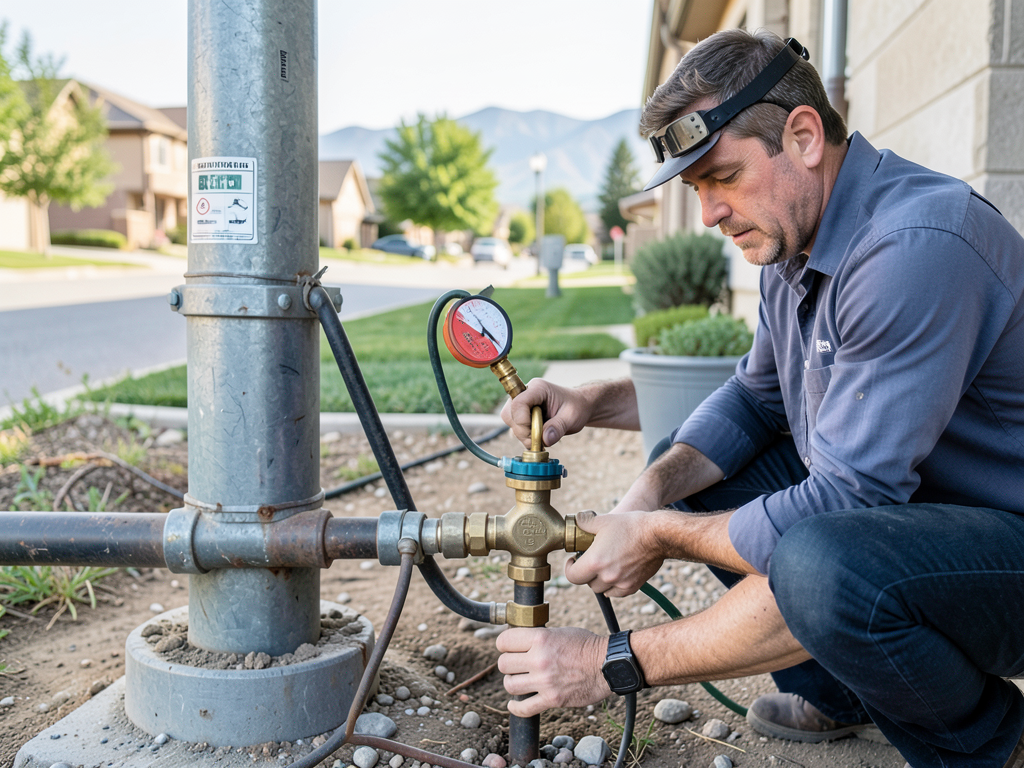
Expert Earthquake Shut-Off Valve Installation in Salt Lake City
The Wasatch Fault runs directly beneath Salt Lake City. A major earthquake here could rupture gas lines and trigger fires within minutes. Installing a seismic shut-off valve now protects your home from this specific regional danger. These automatic devices detect ground movement and cut off natural gas before leaks become disasters.
How the Wasatch Fault Threatens Your Home
Salt Lake City sits on one of North America’s most active fault lines. The Wasatch Fault produces magnitude 7.0+ earthquakes roughly every 1,300 years. The last major event occurred about 300 years ago. This means the region is statistically overdue for significant seismic activity.
When the ground shakes, rigid gas pipes can crack or separate at joints. Natural gas then escapes into basements, crawl spaces, and wall cavities. A single spark from a pilot light or electrical switch can ignite this gas. Post-earthquake fires often cause more damage than the initial quake itself.
The Salt Lake Valley’s soil composition makes matters worse. Clay-rich soils common in neighborhoods like Sugar House and The Avenues amplify ground motion. These soils also shift more dramatically during quakes, increasing stress on buried utilities.
How Earthquake Shut-Off Valves Work
Seismic gas shut-off valves use a simple but effective mechanism. A metal ball rests on a platform inside the valve body. During normal conditions, gas flows freely around the ball. When ground acceleration exceeds a preset threshold (typically 5.2 to 5.4 on the Richter scale), the ball drops and blocks the gas passage.
The valve remains closed until manually reset. This prevents gas from flowing into damaged pipes or appliances. Resetting requires a licensed plumber to inspect the system first. This ensures no leaks exist before restoring service.. Read more about What to Look for When Hiring a Plumber for a Yalecrest Historic Renovation.
Modern valves include a manual shut-off lever for non-seismic emergencies. This lets homeowners turn off gas during floods, fires, or when leaving for extended periods.
Professional Installation Process
Installing a seismic shut-off valve requires precision and code compliance. The process begins with locating your main gas line and determining the correct valve size. Most residential homes need 3/4-inch or 1-inch valves depending on gas load.
Next comes excavation to expose the gas line. Utah law requires calling Blue Stakes of Utah at least two business days before digging. They mark all underground utilities to prevent accidental damage to electric, water, or communication lines. Utah Division of Occupational and Professional Licensing.
After excavation, the plumber cuts the gas line and installs the valve. The valve must be accessible for future resets. Many homeowners install them in basements near the gas meter or in crawl spaces with removable panels.
Finally, the system undergoes pressure testing. This confirms the valve seals properly and no leaks exist. The plumber then coordinates with your gas utility to restore service.
Utah Building Codes and Requirements
Utah’s Uniform Plumbing Code references ASCE 25-06 for earthquake-actuated gas shut-off devices. This standard sets performance requirements for valves used in seismic zones. Salt Lake City follows these guidelines but does not mandate valves for all homes. ASCE 25-06 Standard for Earthquake-Activated Fuel Gas Shut-Off Devices.
However, many building departments now require valves for new construction in high-risk areas. The Salt Lake City Department of Building Services recommends valves for homes built before 1995, when seismic codes were less stringent.
Homeowners associations in some neighborhoods require valves as part of their safety standards. Areas near the University of Utah campus often have stricter requirements due to the concentration of older buildings.
Comparing Valve Types and Options
Feature | Seismic Shut-Off Valve | Excess Flow Valve | Manual Valve
——-|———————-|——————-|————–
Activation | Ground motion | High gas flow | Manual only
Response Time | Immediate | Immediate | Manual
False Trips | Possible | Rare | None
Reset Required | Yes | No | No
Cost Range | $300-$800 | $200-$500 | $50-$150
Best For | Earthquake zones | Appliance protection | Emergency shut-off
Seismic valves provide the most comprehensive protection but cost more. Excess flow valves activate only when gas flow exceeds normal rates, making them less likely to trip during minor tremors. Manual valves require human intervention, which may not be possible during emergencies.
Common Installation Locations
Most installations occur where the main gas line enters the home. This is typically in the basement, crawl space, or utility room. The valve must be installed upstream of all gas appliances and within reach for manual operation.
Some homes have gas meters on exterior walls. In these cases, valves can install directly after the meter. This location keeps the valve outside, reducing interior space requirements.
For homes with multiple gas meters, each line needs its own valve. This ensures complete system protection. Commercial buildings with complex gas systems may require multiple valves at different locations.. Read more about Why Your Capitol Hill Historic Home Needs a Specialized Water Pressure Regulator.
Maintenance and Testing
Earthquake shut-off valves require minimal maintenance. The main task is annual testing to ensure the mechanism moves freely. This involves manually tripping the valve and confirming it resets properly.
After any earthquake, even minor ones, homeowners should check if the valve tripped. Signs include no gas to appliances and the manual lever in the closed position. If tripped, contact a licensed plumber for inspection before resetting.
Valves typically last 15-20 years before internal components may need replacement. Most manufacturers offer warranties of 10 years or more.
Insurance and Property Value Benefits
Some insurance companies offer premium discounts for homes with seismic shut-off valves. These discounts range from 5% to 15% depending on the insurer and location. The valves demonstrate proactive risk management, which insurers reward.
During home sales, seismic valves can be a selling point. They show the home has modern safety features. Buyers in earthquake-prone areas often view them as valuable additions that provide peace of mind.
Some mortgage lenders now require seismic valves for properties in high-risk zones. This trend may expand as awareness of earthquake risks grows.
Emergency Preparedness Beyond Valves
While seismic valves provide critical protection, they work best as part of a comprehensive emergency plan. Every household should maintain a disaster supply kit with water, food, medications, and first aid supplies for at least 72 hours. Best Water Softener Installation Services in Salt Lake City to Fight Hard Water.
Know how to manually shut off your gas at the meter. Keep a wrench specifically for this purpose near the meter. Practice the shut-off procedure with all adult household members.
Develop a family communication plan. Identify meeting locations and emergency contacts outside the immediate area. Consider that local phone service may be disrupted after a major quake.
Cost Factors and Investment Value
Installation costs vary based on several factors. Simple installations in accessible locations cost $800 to $1,200. Complex jobs requiring extensive excavation or valve relocation can reach $2,000 or more.
Additional costs may include permit fees, gas company reconnection charges, and any necessary drywall or concrete repairs. Some homeowners bundle valve installation with other gas line upgrades to reduce overall costs. Burst Pipe Repair.
The investment pays off through increased safety, potential insurance savings, and added property value. Compared to potential earthquake damage costs, valves offer excellent protection for relatively modest investment.
Frequently Asked Questions
How long does installation take?
Most residential installations complete in 4-6 hours. This includes excavation, valve installation, pressure testing, and utility reconnection. Complex jobs may require additional time.
Will the valve affect my gas appliances?
No. The valve installs on the main line before individual appliances. It does not interfere with normal operation or gas flow rates to your furnace, water heater, or stove. Water Main Leak Detection and Repair in Holladay.
Can I install the valve myself?
No. Utah law requires licensed plumbers for gas line modifications. Improper installation can create dangerous gas leaks or violate building codes. Professional installation ensures safety and warranty coverage.
What happens if the valve trips during a false alarm?
Valves can trip during heavy construction, large trucks passing nearby, or minor tremors. If you suspect a false trip, contact a plumber to inspect the system before resetting. Never force a reset if you suspect actual damage.
Are these valves required by law?
Currently, Salt Lake City does not mandate seismic valves for existing homes. However, new construction in some areas requires them. Building codes continue to evolve, and requirements may change.
How do I know if my home already has a valve?
Look for a device on your main gas line with a manual lever and a visible mechanism. If unsure, have a plumber inspect your system. Many older homes lack these safety devices.
What if I rent my home?
Discuss valve installation with your landlord. Many landlords welcome safety improvements that protect their property. If they decline, consider other emergency preparedness steps you can take as a tenant.
Take Action Today
Every day without a seismic shut-off valve is a day your home remains vulnerable to earthquake gas leaks. Salt Lake City’s location on the Wasatch Fault makes this protection essential, not optional.
Professional installation ensures your valve meets all safety standards and functions correctly. DIY attempts or work by unqualified contractors can create more hazards than they prevent.
Call (385) 406-8899 today to schedule your inspection. Our licensed plumbers will evaluate your gas system, recommend the right valve for your home, and provide a clear installation plan. Don’t wait for the next earthquake to discover your home lacks this critical protection.
The peace of mind from knowing your family and property have this safeguard is invaluable. Make the call now before the ground shakes again.
You may also find this helpful. Why High Altitude Affects Your Water Heater Venting in Emigration Canyon.
{
“@context”: “https://schema.org”,
“@type”: “BlogPosting”,
“headline”: “Why Every Salt Lake City Homeowner Needs an Earthquake Shut Off Valve on Their Gas Line”,
“description”: “Protect your Salt Lake City home from gas leaks after earthquakes. Learn about seismic shut-off valves, local codes, and professional installation. Call (385) 406-8899.”,
“wordCount”: 1584,
“datePublished”: “2026-05-22T12:51:00.000Z”,
“dateModified”: “2026-05-22T12:51:00.000Z”,
“inLanguage”: “en-US”,
“mainEntityOfPage”: {
“@type”: “WebPage”,
“@id”: “https://crestlineplumbingsaltlakecity.com”
},
“publisher”: {
“@type”: “LocalBusiness”,
“name”: “Crestline Plumbing Salt Lake City”,
“url”: “https://crestlineplumbingsaltlakecity.com”
},
“author”: {
“@type”: “Organization”,
“name”: “Crestline Plumbing Salt Lake City”,
“url”: “https://crestlineplumbingsaltlakecity.com”
},
“image”: {
“@type”: “ImageObject”,
“url”: “https://crestlineplumbingsaltlakecity.com/wp-content/uploads/2026/03/why-every-salt-lake-city-homeowner-needs-an-earthq-1.png”
}
}
{
“@context”: “https://schema.org”,
“@type”: “Plumber”,
“name”: “Crestline Plumbing Salt Lake City”,
“url”: “https://crestlineplumbingsaltlakecity.com”,
“address”: {
“@type”: “PostalAddress”,
“addressLocality”: “Salt Lake City”
},
“areaServed”: {
“@type”: “City”,
“name”: “Salt Lake City”
}
}
{
“@context”: “https://schema.org”,
“@type”: “FAQPage”,
“mainEntity”: [
{
“@type”: “Question”,
“name”: “How long does installation take?”,
“acceptedAnswer”: {
“@type”: “Answer”,
“text”: “Most residential installations complete in 4-6 hours. This includes excavation, valve installation, pressure testing, and utility reconnection. Complex jobs may require additional time.”
}
},
{
“@type”: “Question”,
“name”: “Will the valve affect my gas appliances?”,
“acceptedAnswer”: {
“@type”: “Answer”,
“text”: “No. The valve installs on the main line before individual appliances. It does not interfere with normal operation or gas flow rates to your furnace, water heater, or stove. Water Main Leak Detection and Repair in Holladay.”
}
},
{
“@type”: “Question”,
“name”: “Can I install the valve myself?”,
“acceptedAnswer”: {
“@type”: “Answer”,
“text”: “No. Utah law requires licensed plumbers for gas line modifications. Improper installation can create dangerous gas leaks or violate building codes. Professional installation ensures safety and warranty coverage.”
}
},
{
“@type”: “Question”,
“name”: “What happens if the valve trips during a false alarm?”,
“acceptedAnswer”: {
“@type”: “Answer”,
“text”: “Valves can trip during heavy construction, large trucks passing nearby, or minor tremors. If you suspect a false trip, contact a plumber to inspect the system before resetting. Never force a reset if you suspect actual damage.”
}
},
{
“@type”: “Question”,
“name”: “Are these valves required by law?”,
“acceptedAnswer”: {
“@type”: “Answer”,
“text”: “Currently, Salt Lake City does not mandate seismic valves for existing homes. However, new construction in some areas requires them. Building codes continue to evolve, and requirements may change.”
}
},
{
“@type”: “Question”,
“name”: “How do I know if my home already has a valve?”,
“acceptedAnswer”: {
“@type”: “Answer”,
“text”: “Look for a device on your main gas line with a manual lever and a visible mechanism. If unsure, have a plumber inspect your system. Many older homes lack these safety devices.”
}
},
{
“@type”: “Question”,
“name”: “What if I rent my home?”,
“acceptedAnswer”: {
“@type”: “Answer”,
“text”: “Discuss valve installation with your landlord. Many landlords welcome safety improvements that protect their property. If they decline, consider other emergency preparedness steps you can take as a tenant.”
}
}
]
}
{
“@context”: “https://schema.org”,
“@type”: “BreadcrumbList”,
“itemListElement”: [
{
“@type”: “ListItem”,
“position”: 1,
“name”: “Home”,
“item”: “https://crestlineplumbingsaltlakecity.com”
},
{
“@type”: “ListItem”,
“position”: 2,
“name”: “Blog”,
“item”: “https://crestlineplumbingsaltlakecity.com/blog”
},
{
“@type”: “ListItem”,
“position”: 3,
“name”: “Why Every Salt Lake City Homeowner Needs an Earthquake Shut Off Valve on Their Gas Line”
}
]
}
{
“@context”: “https://schema.org”,
“@type”: “Service”,
“serviceType”: “Plumbing”,
“provider”: {
“@type”: “LocalBusiness”,
“name”: “Crestline Plumbing Salt Lake City”,
“url”: “https://crestlineplumbingsaltlakecity.com”
},
“areaServed”: {
“@type”: “City”,
“name”: “Salt Lake City”
},
“description”: “Protect your Salt Lake City home from gas leaks after earthquakes. Learn about seismic shut-off valves, local codes, and professional installation. Call (385) 406-8899.”
}